

































Port Entry and Exit Management Solution
Create the vehicle dispatching hub for smart ports. This solution enables automatic identification, intelligent guidance, and real-time positioning of inbound and outbound vehicles. It significantly reduces vehicle port stay time, optimizes resource allocation, and enhances the port’s overall operat
Application Overview
Achieving Goals
- Automatic vehicle identification: Automatically identify vehicle identities to achieve non-stop passage.
- Port entry and exit management: Verify the legality of entry and allocate resources; check information before allowing exit.
- Vehicle dispatch management: Smartly dispatch vehicles, optimize routes and loading/unloading sequences, and support manual dispatch.
- Real-time monitoring and positioning: Real-time monitor vehicle locations and trajectories, handle abnormalities.
- Data analysis and report generation: Analyze data to generate reports, assist in decision-making.
- Data analysis and report generation: Support querying and tracing of vehicle historical information.
Solution
(1) System Composition
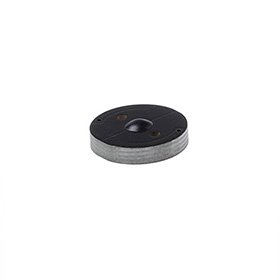
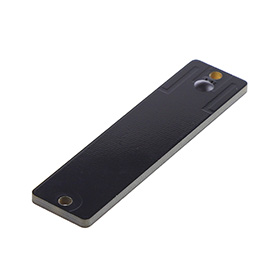
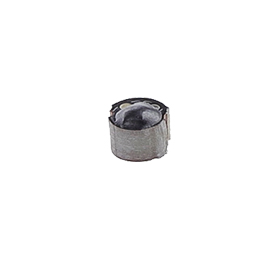
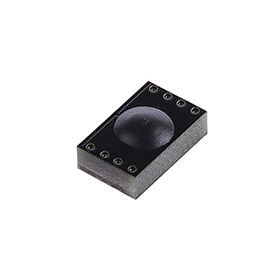
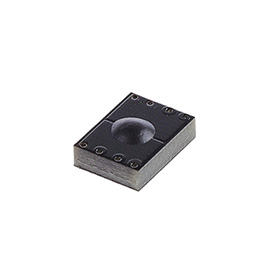
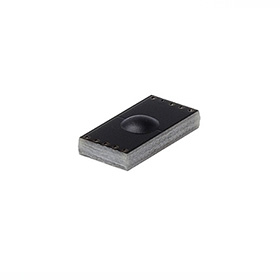
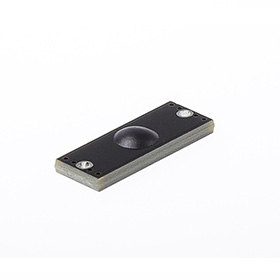
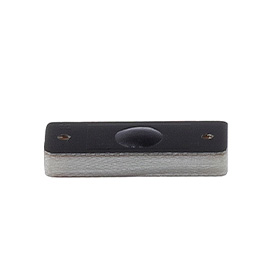
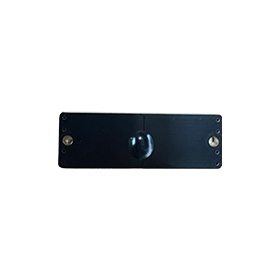
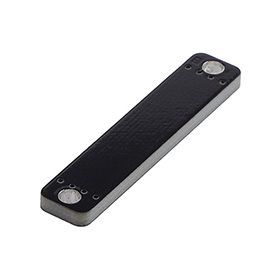
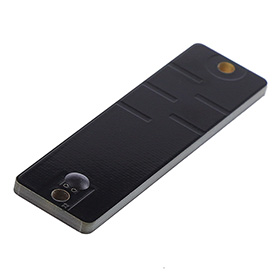
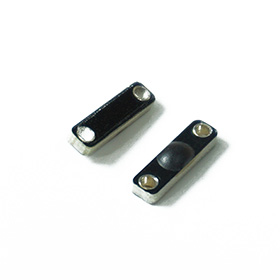
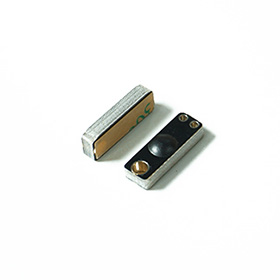
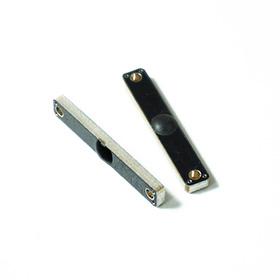
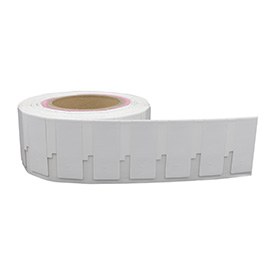
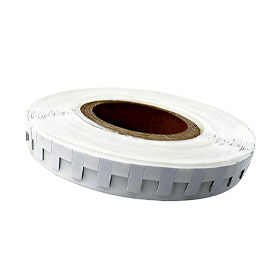
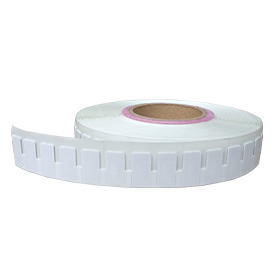
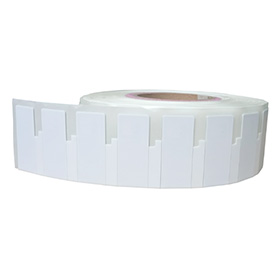
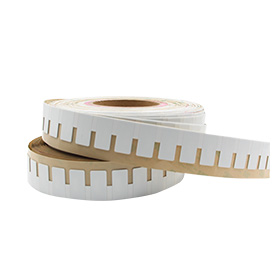
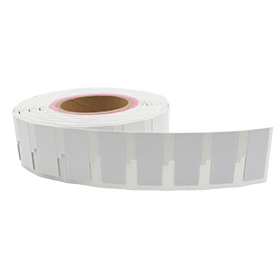
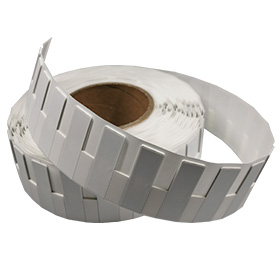
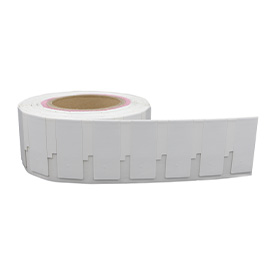
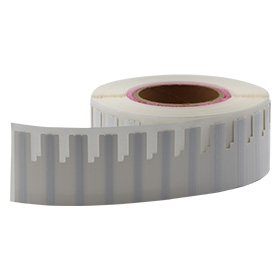
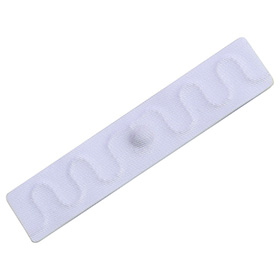
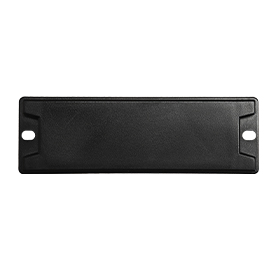
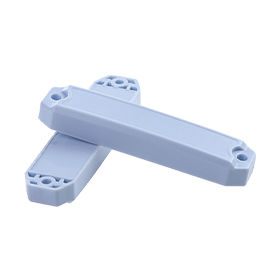
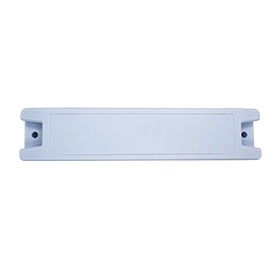
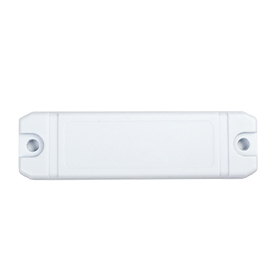
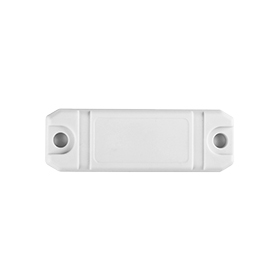
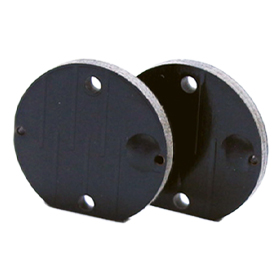
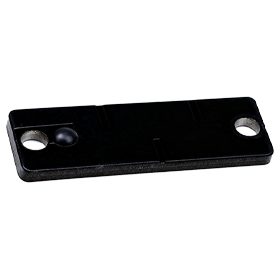
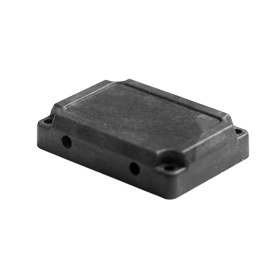
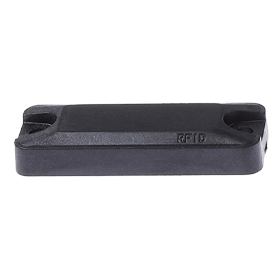
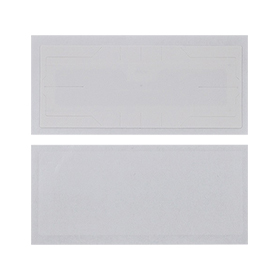
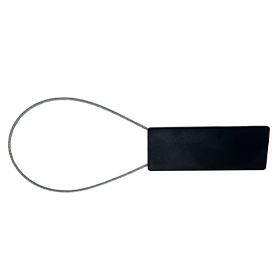
1. RFID Electronic Tag: Ceramic tag, waterproof and anti-magnetic, reusable, installed on the windshield of the vehicle
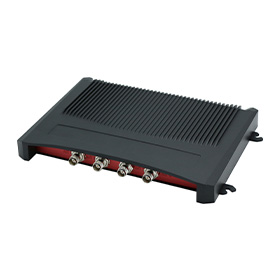
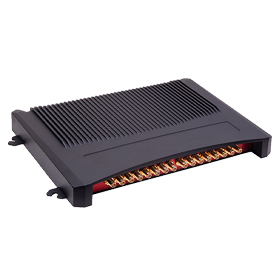
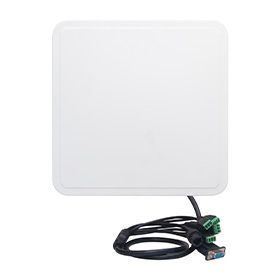
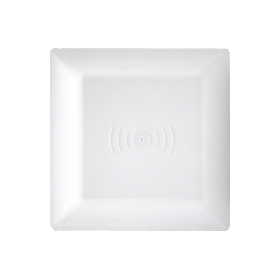
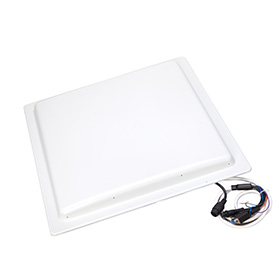
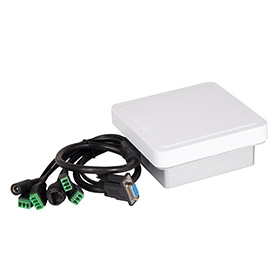
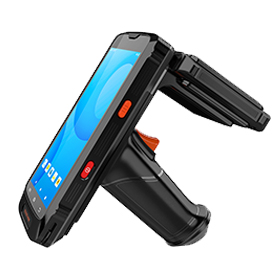
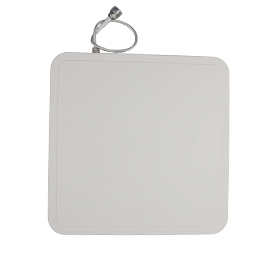
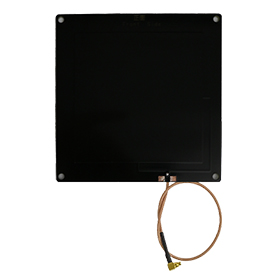
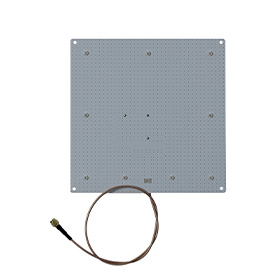
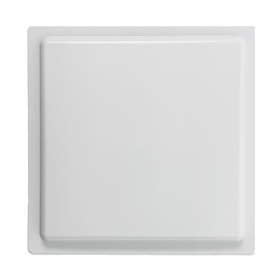
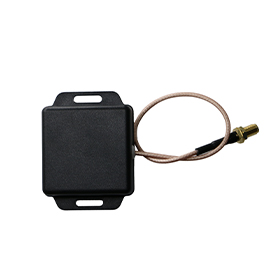
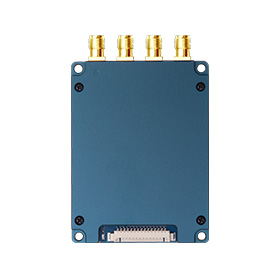
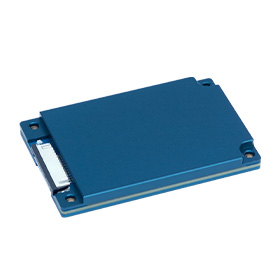
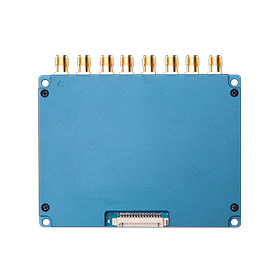
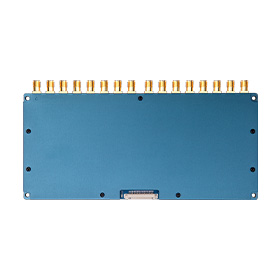
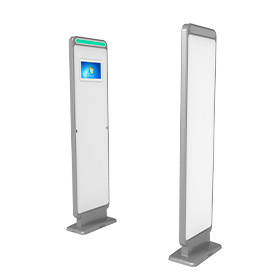
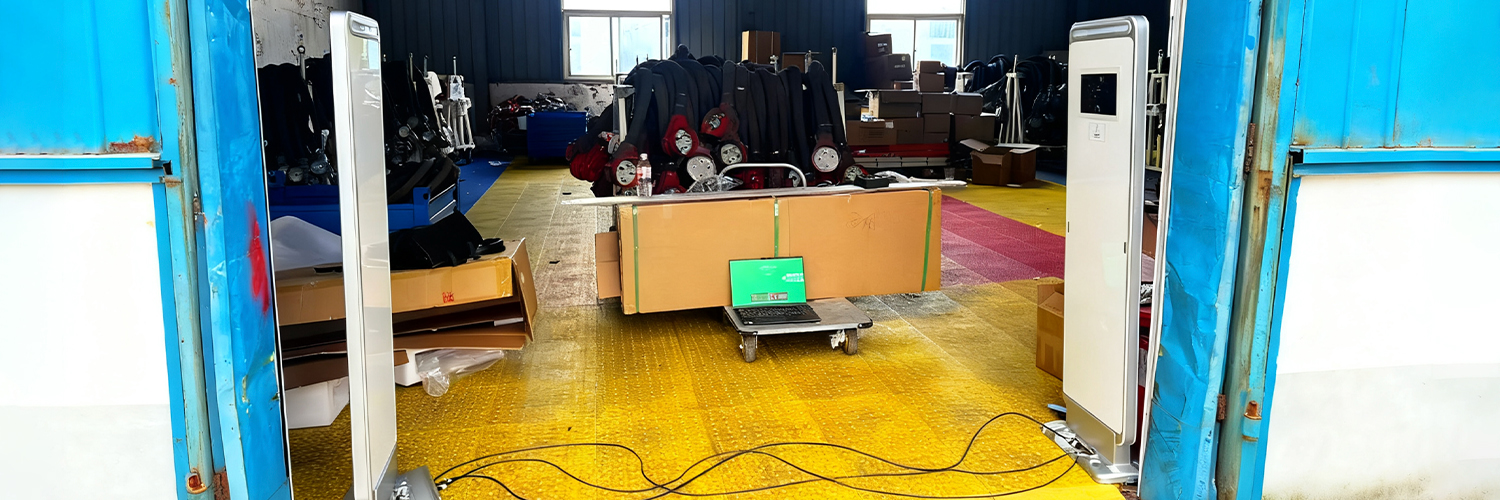
2. RFID Reader-Writer Device: Integrated fixed reader, deployed at key locations, enabling long-distance identification of the electronic tag on the vehicle, data can be transmitted via wired or wireless communication methods
3. Port Vehicle Management System
(2) System Functions
Automatic Vehicle Identity Recognition: Automatically identify vehicle identity, enabling non-stop passage
Entry and Exit Management: Verify the legality of entry and allocate resources; after exit, check the information and release the vehicle
Vehicle Dispatch Management: Intelligent dispatch of vehicles, optimizing routes and loading/unloading sequences, supports manual dispatch
Real-time Monitoring and Positioning: Real-time monitoring of vehicle location and trajectory, handling anomalies.
Data Analysis and Report Generation: Analyze data to generate reports, assisting in decision-making.
(3) System Flow
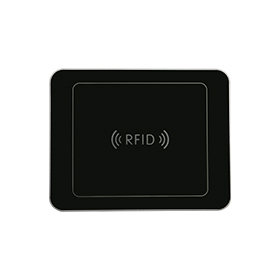
Registration: Register vehicle details in the port vehicle management system, generate electronic tag ID; use desktop reader-writer to write codes on the vehicle's ceramic tag, stick it on the window, complete registration.
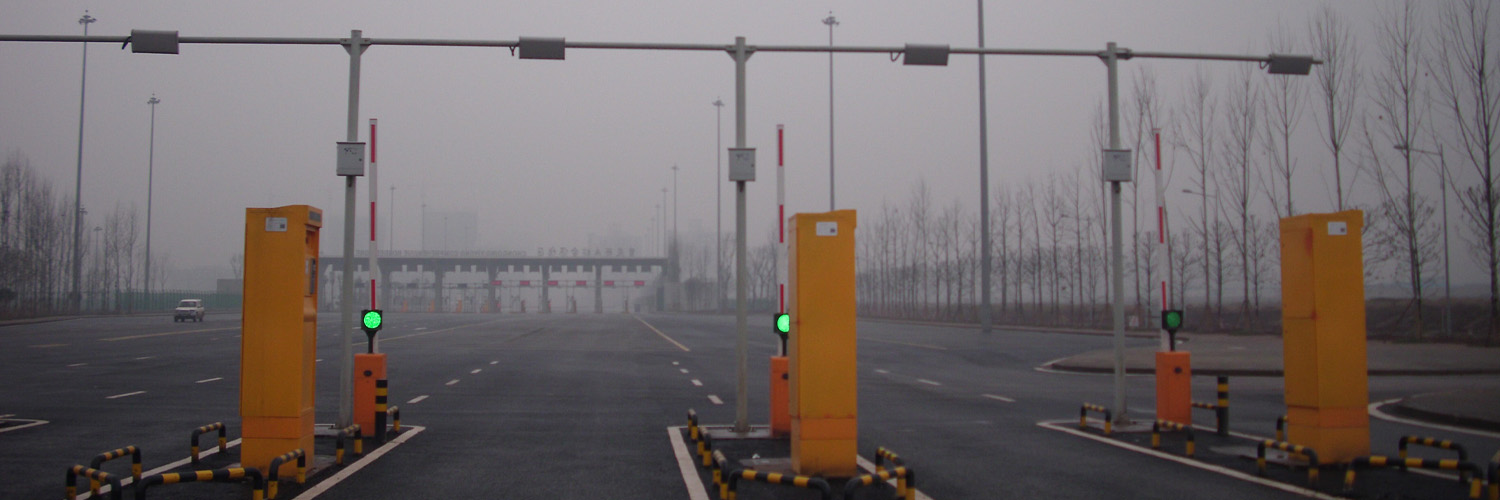
Entry: Enter the port through the entrance gate, the entrance fixed reader-writer reads the electronic tag, data is transmitted to the backend to update the status; park according to regulations, complete storage.
Departure: Depart from the port through the exit gate, the exit fixed reader-writer reads the electronic tag, data is transmitted to the backend to update the status; leave the gate, complete storage.
Positioning: When the vehicle enters the key point, the fixed reader-writer at that point reads its electronic tag, data is transmitted to the backend to update the position; the backend system generates operation instructions according to business requirements to complete the loading/unloading task.
Advantages
1. Efficiency
Significantly enhance vehicle passage and turnover efficiency
2. Accuracy
Avoid errors in manual and camera recognition
3. Intelligence
Achieve automated management and support intelligent decision-making
4. Safety
Identify illegal vehicles and operations are traceable
5. Cost Reduction and Efficiency Enhancement
Can significantly reduce operating costs over the long term and achieve investment returns
Related Devices
-
GZY-612Long Range RFID Integrated ReaderUltra-high frequency integrated reader series, RFID industrial-grade passive identification all-in-one machine, water-resistant and durable, with stable long-distance performance, supporting multiple protocols, suitable for access control, logistics and other scenarios.Read More
-
GZY-77USB RFID Desktop Reader/WriterRFID Desktop Reader-Writer Series RFID
Card Issuance Device, Intelligent, Efficient, Flexible CommunicationRead More
Related Solution
No record