











 Videos
 Download
 FAQ
FAQ
 Service Description
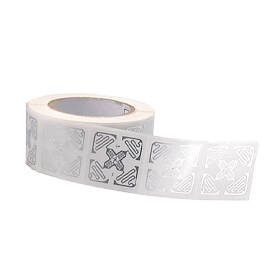
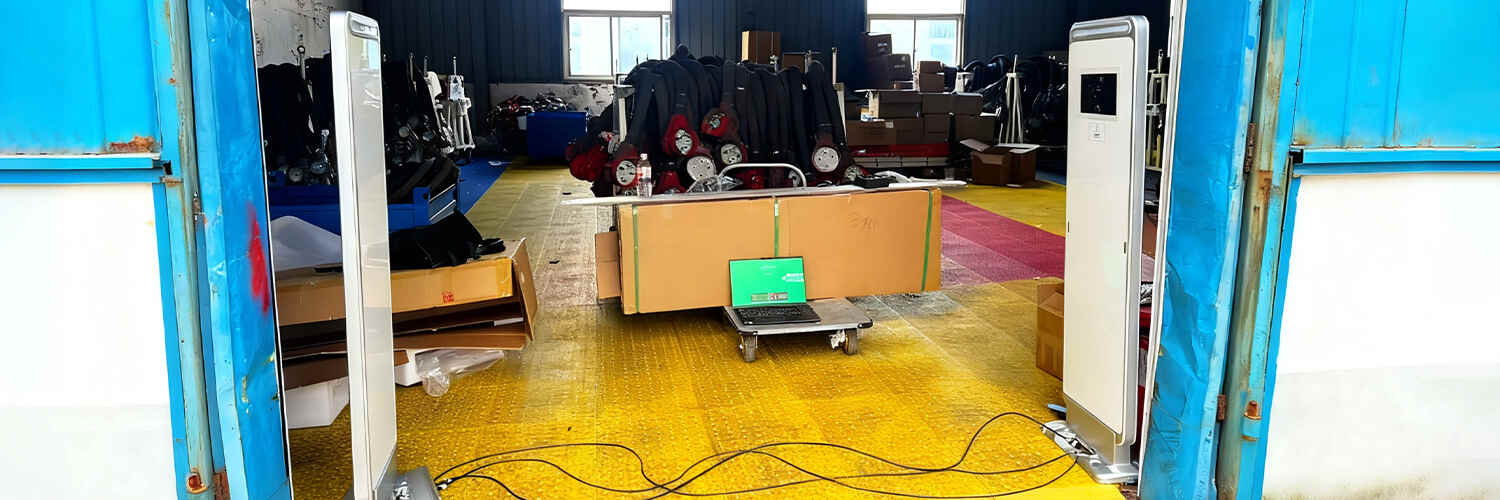
The whole system includes: hardware (data collection and identification) + software (data logic judgment and application presentation), an integrated system RFID ultra-high frequency identification technology, which is a set of identification and collection technology that supports multiple data and long-distance. A non-contact and fast reading technology of multi-label information. To put it simply, when the RFID tag enters the sensing range of the antenna, the reader will collect and analyze data according to the sensed tag, and we finally meet the requirements of practical application through the analysis of the background software system through the collected data.
What is the role of RFID reader?
1. Communicate with the tag, under certain technical conditions, communicate with the tag. 2. Communicate with the computer or the system through various interfaces (RS232, TCP/IP), and communicate with the computer. 3. The reading head is basically composed of control software (responsible for communicating with the computer or system), importing software (starting the reading head), decoder (processing the code) and high-frequency interface (receiving and sending codes).
Classification of UHF RFID readers?
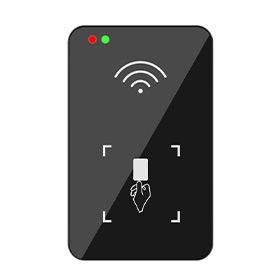
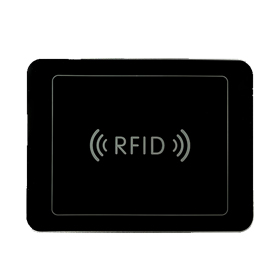
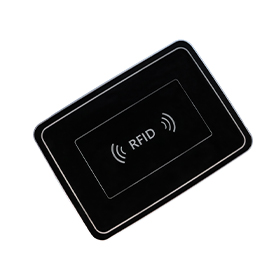
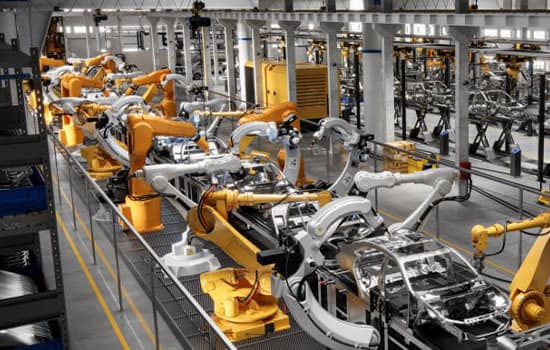
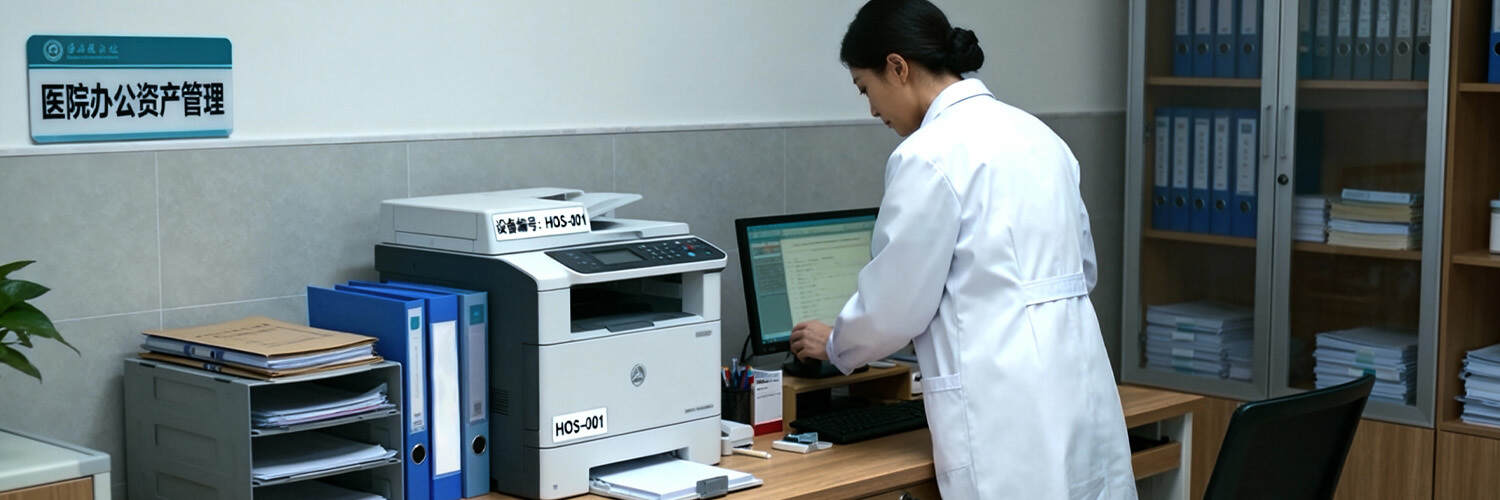
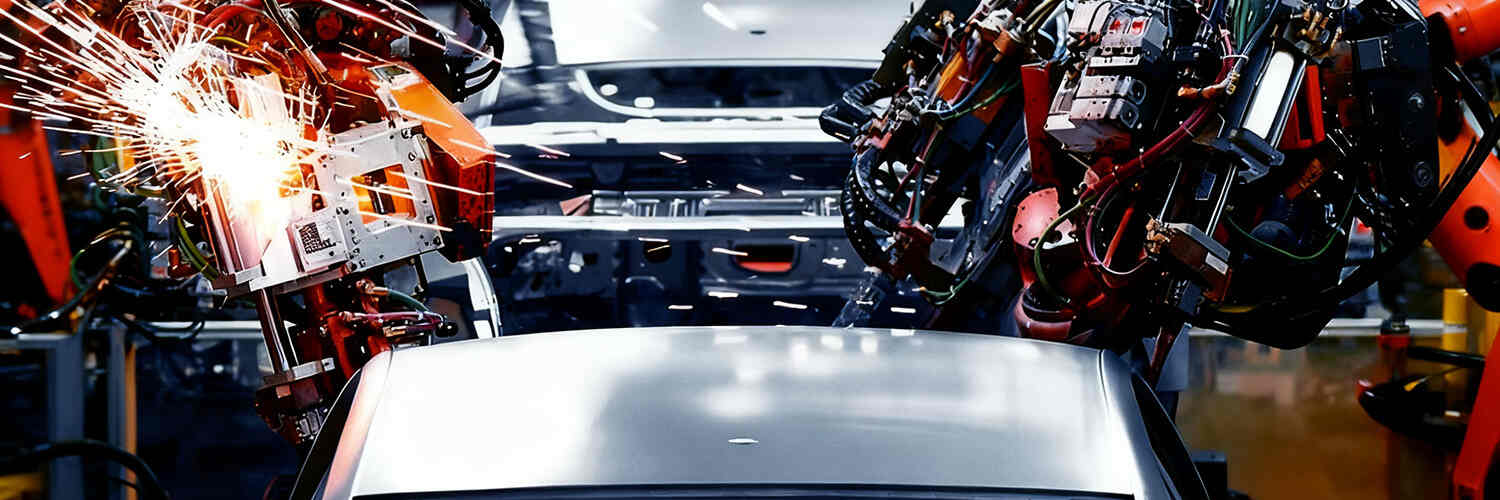
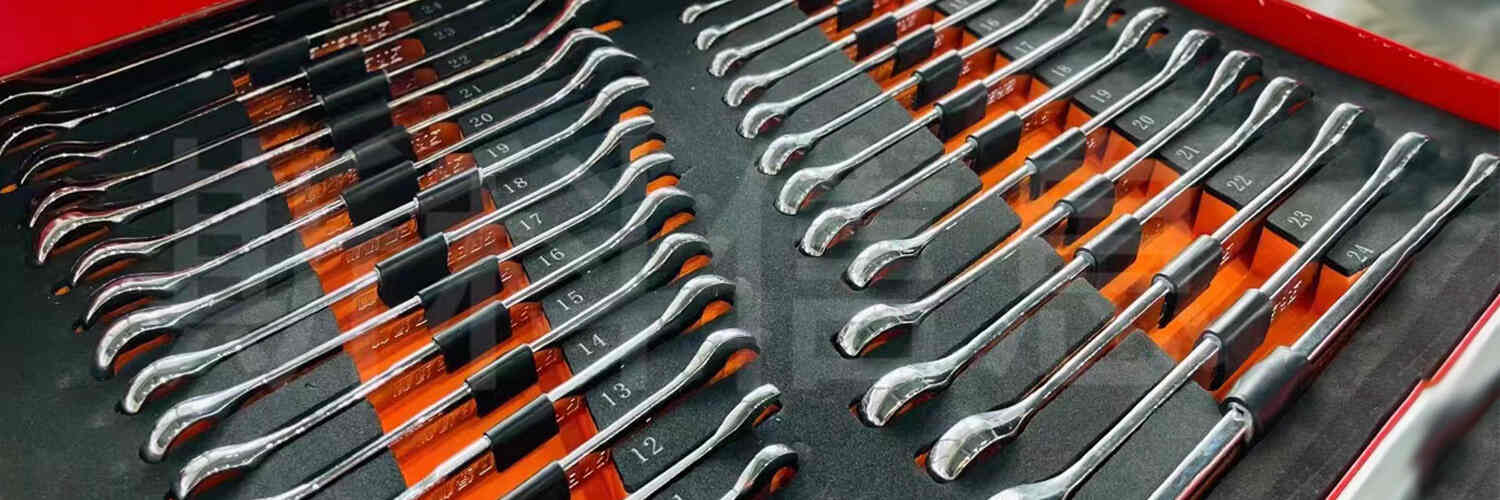
RFID readers are divided in terms of radio frequency: low-frequency readers, high-frequency readers, ultra-high-frequency readers, dual-frequency readers, 433MHz active readers, microwave active readers, etc. However, the more common applications are mainly UHF readers, which can be widely used in intelligent manufacturing and supply chain, digital warehouse management, production line management, asset management, logistics management and other fields.
UHF readers are divided into the following categories:
1. Ultra-high-end desktop card issuer
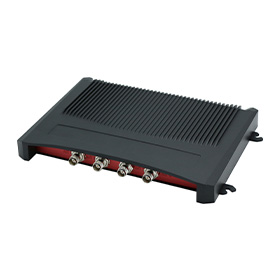
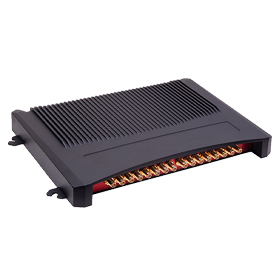
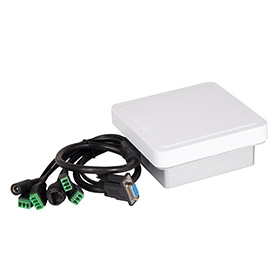
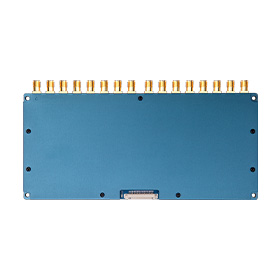
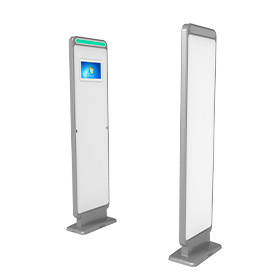
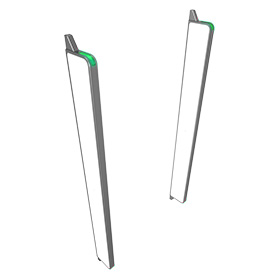
2. UHF split-type fixed reader:
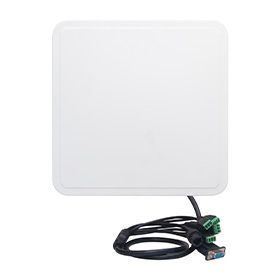
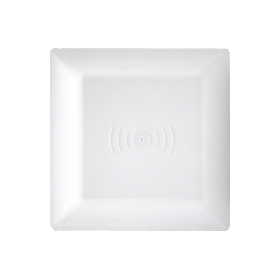
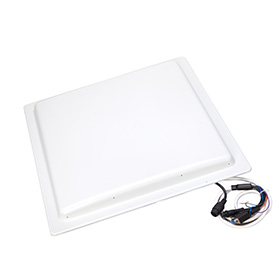
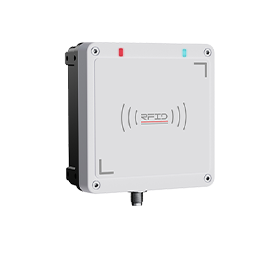
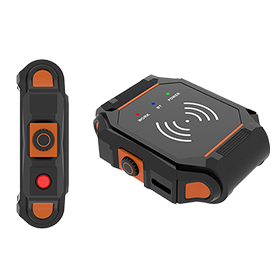
3. Ultra-high Frequency integrated reader
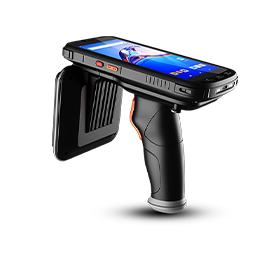
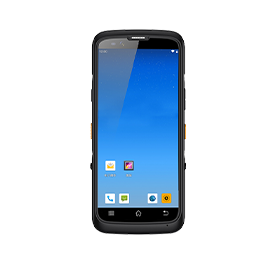
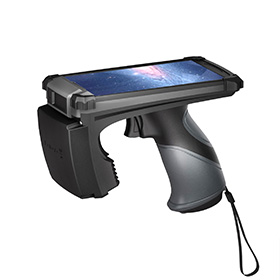
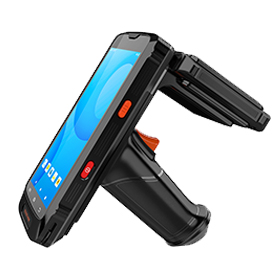
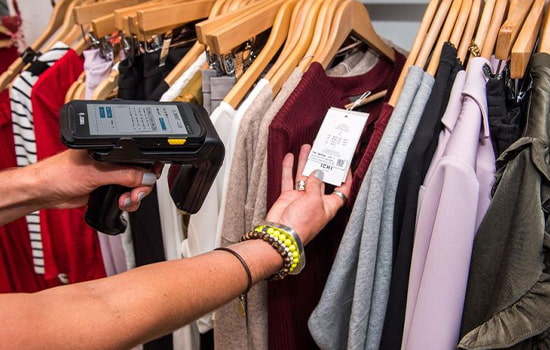
4. UHF handheld reader
5. UHF industrial embedded reader