

























Smart RFID Apparel Retail Solutions
Empower apparel retail with InfoWise RFID solutions. We help brands achieve item-level inventory visibility, boosting counting efficiency by 85%. Eliminate stockouts and reduce shrinkage while utilizing precise data to drive merchandising decisions and enhance the smart retail experience.
Retail Industry Challenges & RFID Overview
Core Objectives of RFID Retail Integration
- Warehousing Efficiency: Automate inbound/outbound verification, increasing logistics speed by over 80%.
- Precise Inventory Counting: Enable real-time stock updates with handheld RFID readers, achieving >99% accuracy to prevent stockouts and overstock.
- Loss Prevention (EAS): Integrate RFID portal gates to significantly reduce merchandise shrinkage and theft.
- Data-Driven Decisions: Analyze item-level movement data to optimize purchasing, visual merchandising, and store layouts.
- Enhanced Customer Experience: Implement RFID automated checkout systems to reduce queue times and elevate satisfaction.
End-to-End RFID Retail Inventory Management System
A comprehensive hardware and software ecosystem designed to automate the entire apparel lifecycle, from warehouse encoding to point-of-sale checkout and exit security.
(1) System Hardware Composition
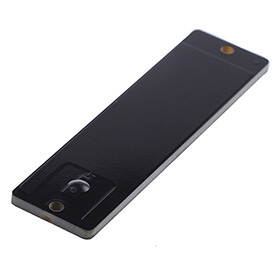
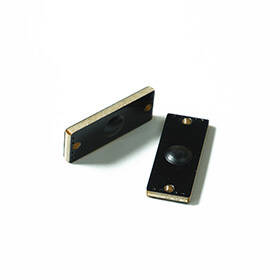
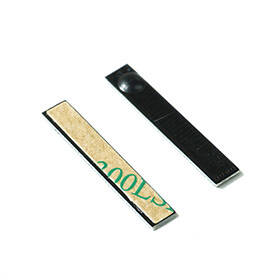
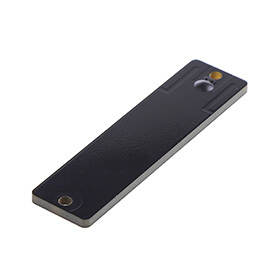
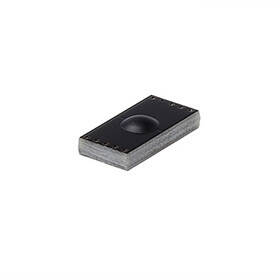
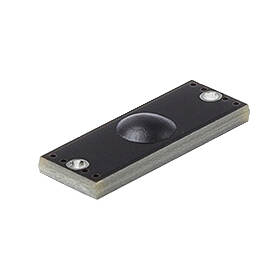
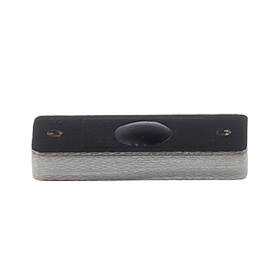
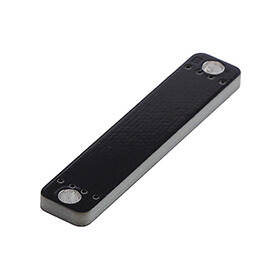
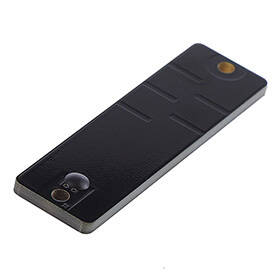
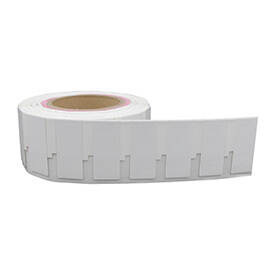
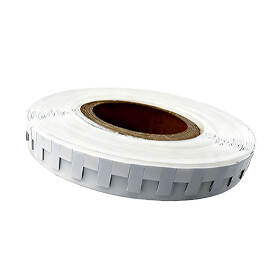
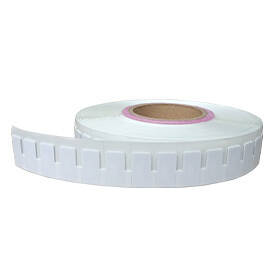
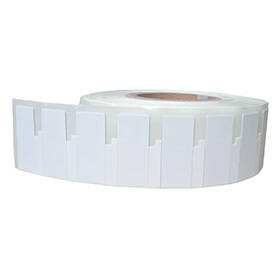
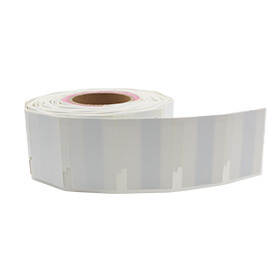
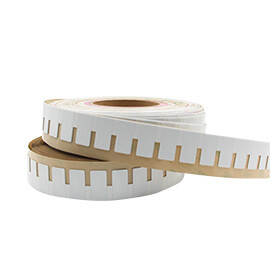
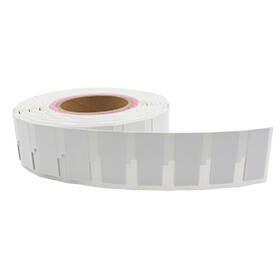
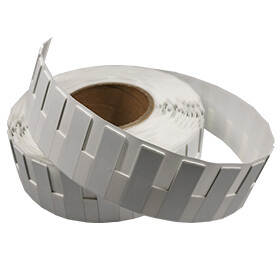
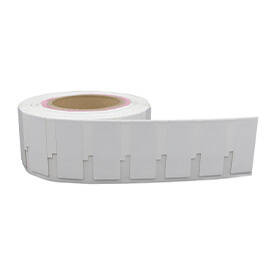
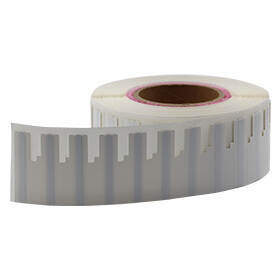
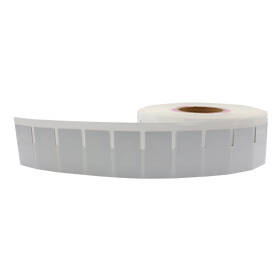
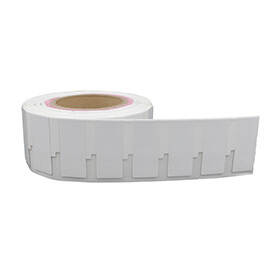
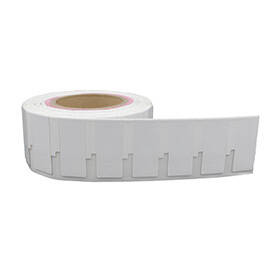
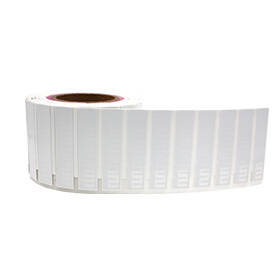
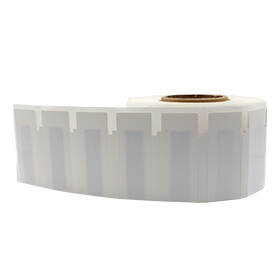
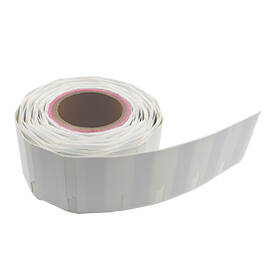
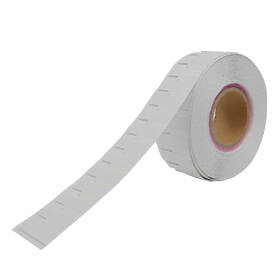
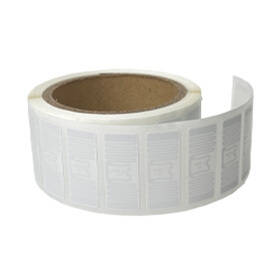
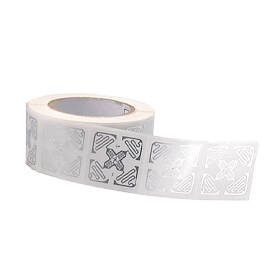
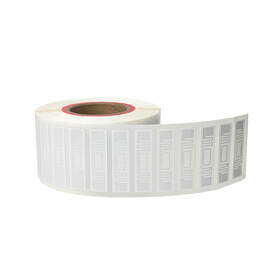
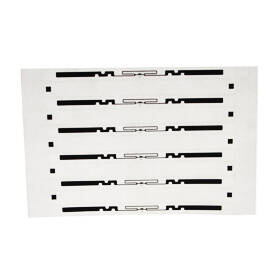
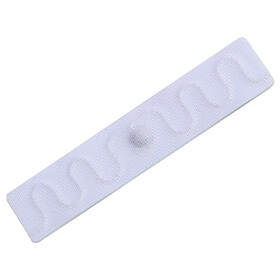
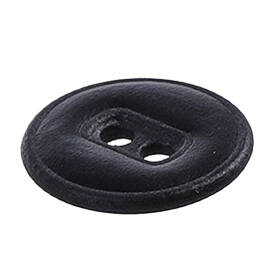
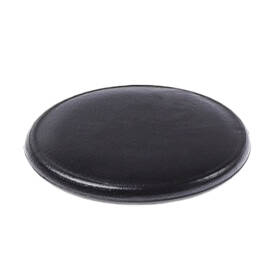
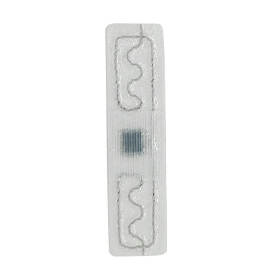
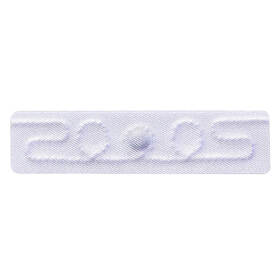
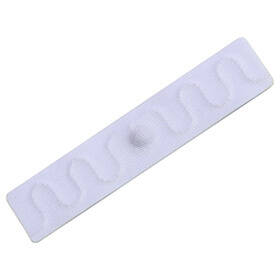
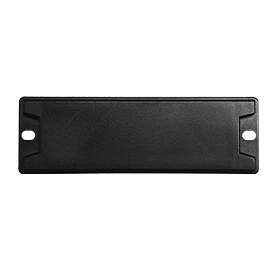
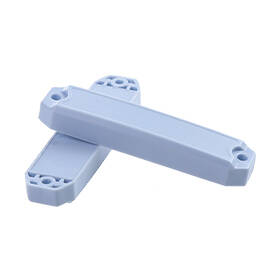
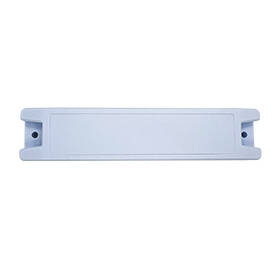
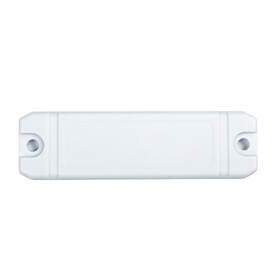
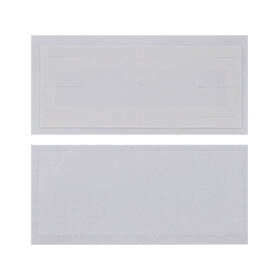
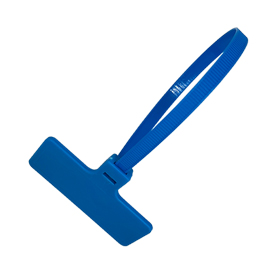
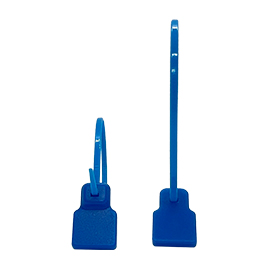
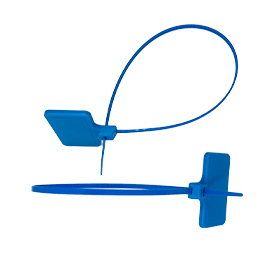
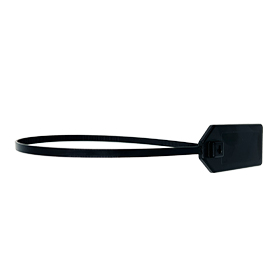
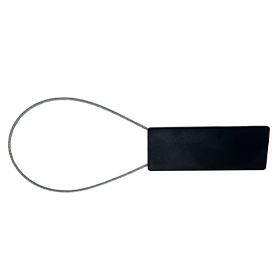
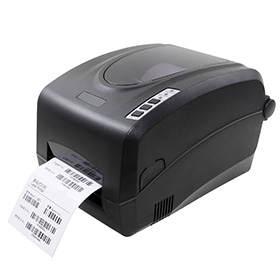
RFID Clothing Tags: Printable UHF RFID labels and hang tags encoding unique EPC data for item-level identification.
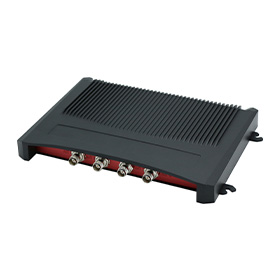
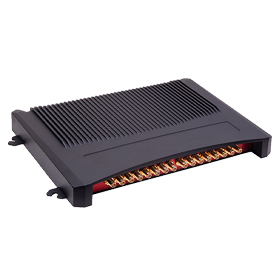
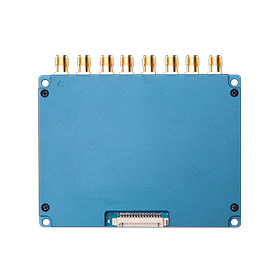
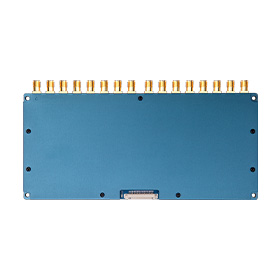
RFID Readers:
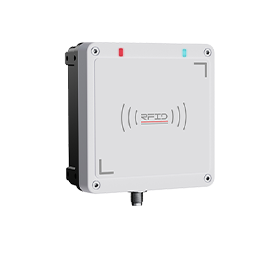
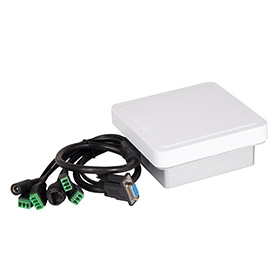
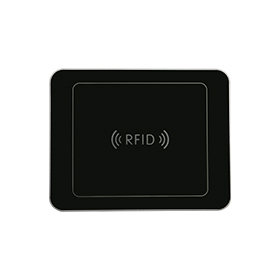
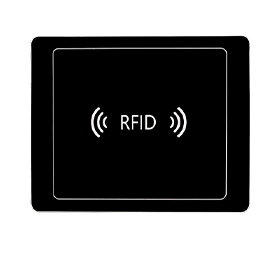
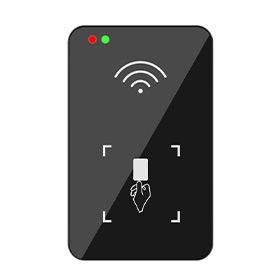
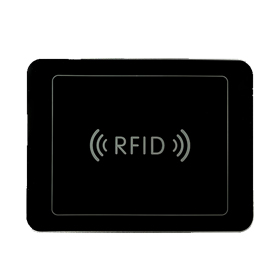
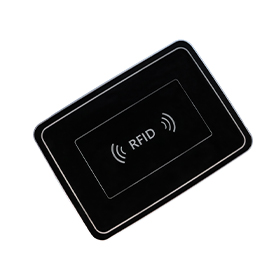
Desktop Readers: Integrated at the cashier desk for fast, bulk automated checkout.
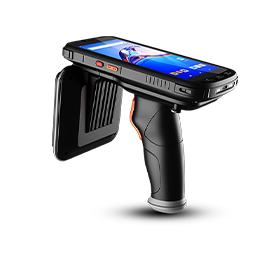
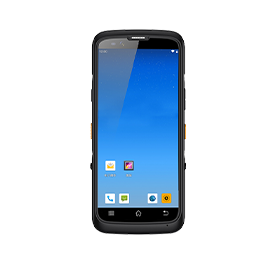
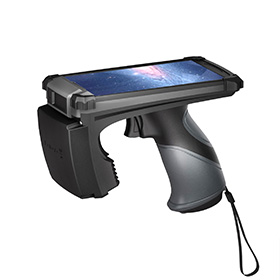
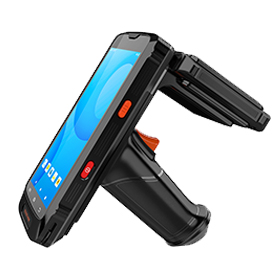
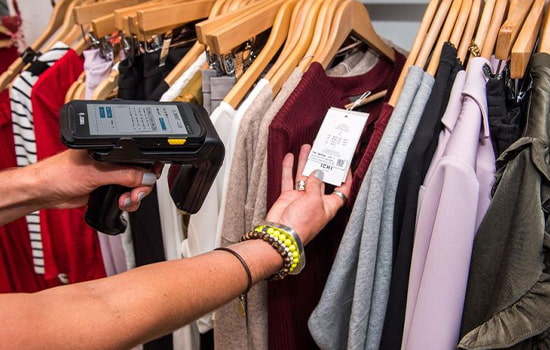
Handheld RFID Readers: Used by store staff for rapid stocktaking, inventory searching, and receiving.
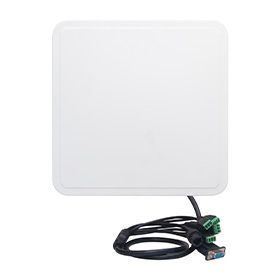
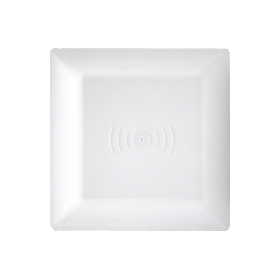
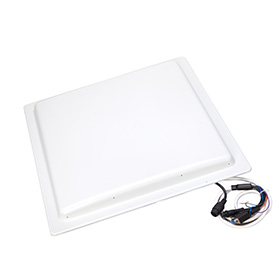
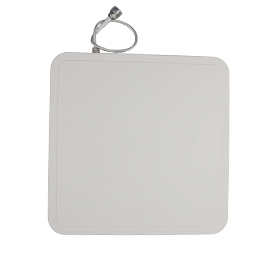
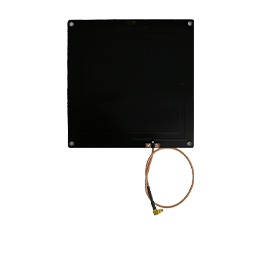
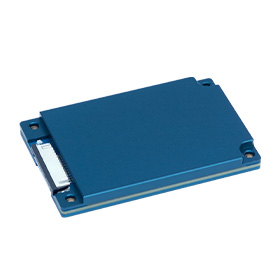
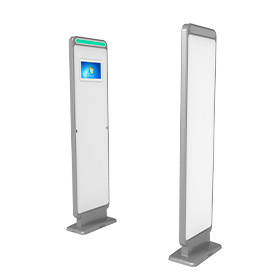
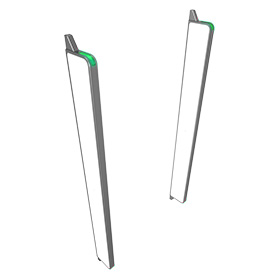
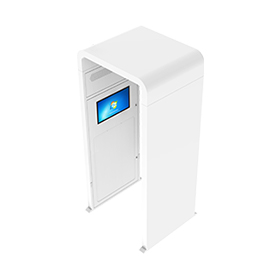
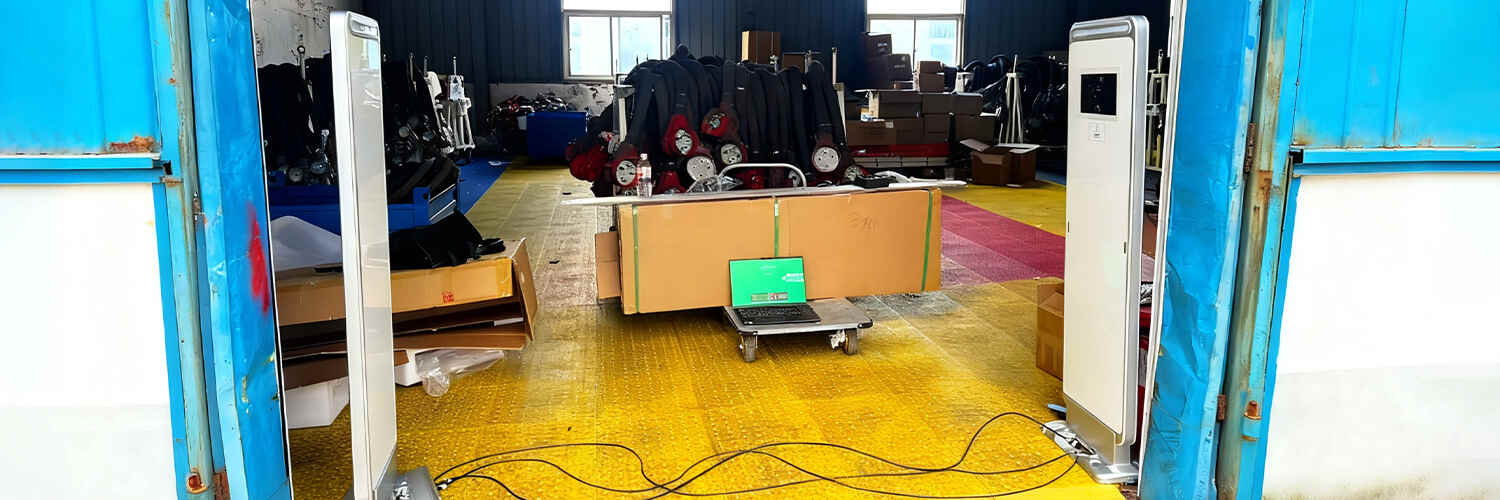
RFID Portal Gates / Overhead Readers: Deployed at store entrances/exits for automatic EAS loss prevention and footfall tracking.
Retail Management Software: Cloud-based platform for real-time data analytics and ERP integration.
(2) Core Functions
Inventory Management: Real-time dashboard, intelligent stocktaking, and low-stock alerts.
Supply Chain Logistics: Bulk scanning for warehouse inbound/outbound, automated discrepancy alarms.
Store Operations: Rapid POS checkout and comprehensive sales data analysis.
(3) Operational Workflow
Encoding & Printing: Assign unique RFID IDs to garments at the factory or distribution center.
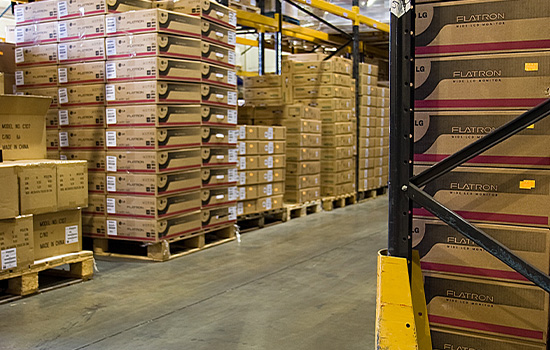
Inbound Logistics: Bulk read shipments via portal readers for instant warehouse system updates.
Stocktaking: Staff use handhelds to sweep shelves, capturing hundreds of items per second.
Smart Checkout: Customers place items on RFID checkout counters for instant batch payment.
Security & EAS: Unsold items trigger alarms at RFID exit gates, preventing theft.
Advantages
1. Efficient and Precise
Enables batch reading of hundreds of items simultaneously, significantly enhancing inventory efficiency and counting accuracy.
2. Real-time Visibility
Provides instant data updates across the supply chain and store floor, facilitating agile and informed merchandising decision-making.
3. Cost Reduction
Minimizes manual counting labor, prevents overstocking, and reduces overall operational and inventory holding costs.
4. Optimized Management
Leverages deep data analytics from item-level tracking to optimize store operations, display layouts, and supply chain flow.
Related Devices
-
GZY-202UHF RFID Handheld ReaderRFID handheld terminal reader, with high processing performance,
long tag reading distance and high group reading rate,
is widely used in logistics, asset management and other scenarios.Read More -
GZY-CT4Long - range UHF RFID gate readerRFID intelligent security access control, multi-tag efficient reading, precise population counting,
integrated sound and light alarm, high reliability, low error rate.Read More -
GZY-X7512UHF Textile Laundry TagUltra high-frequency RFID clothing labels that have withstood 200 industrial washes at 180°C,
with anti-theft protection during sewing installation.Read More
Related Solution