

































Industrial production line management solution
Build a transparent and lean smart factory. By real-time tracking WIP, materials, and equipment, it achieves visualized production progress, precise quality traceability, and predictive equipment maintenance. This solution is the core enabling technology that drives manufacturing enterprises to redu
Application Overview
Achieving Goals
- Transparent Production: Real-time access to materials, progress, and equipment information, enabling production visualization and facilitating scientific decision-making
- Efficiency Improvement and Cost Reduction: Rapidly identify and collect data, shortening production cycles; Accurately manage inventory and optimize structure
- Quality Traceability: Recording key information throughout the product lifecycle, enabling rapid identification of quality issues
- Equipment Maintenance: Monitoring equipment status, implementing preventive maintenance, and enhancing utilization rate
Solution
(1) System Composition
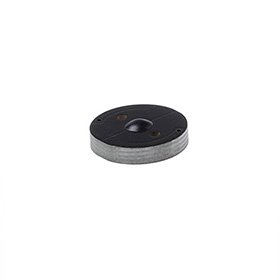
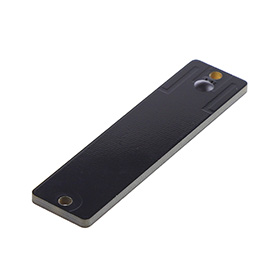
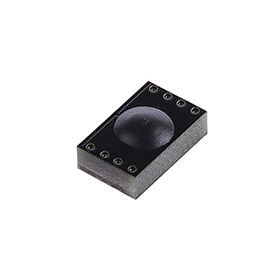
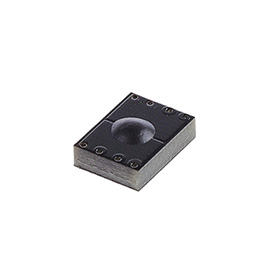
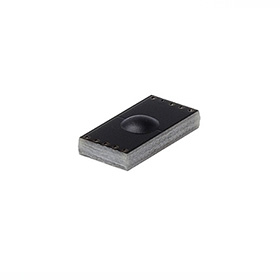
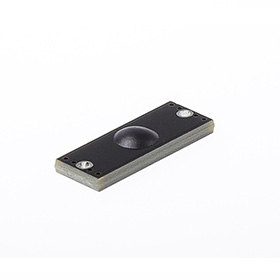
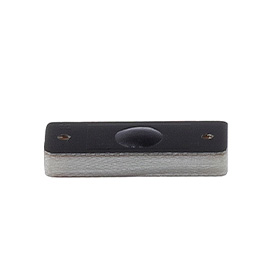
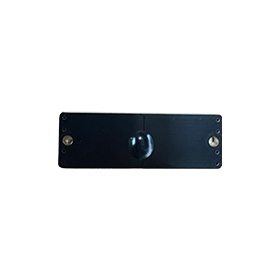
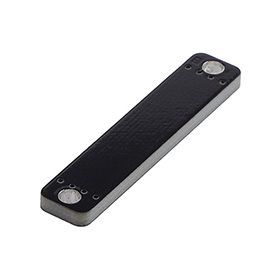
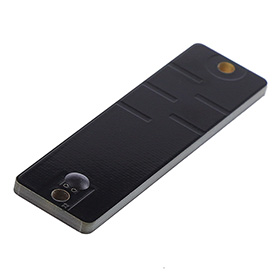
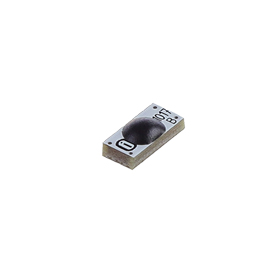
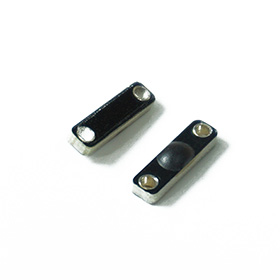
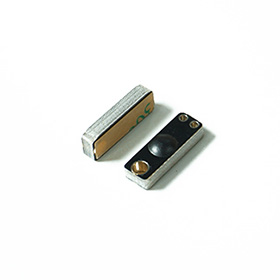
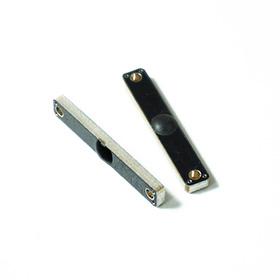
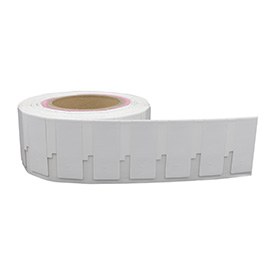
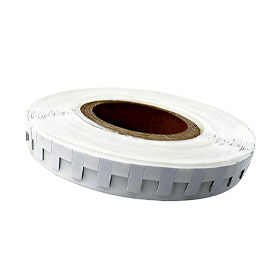
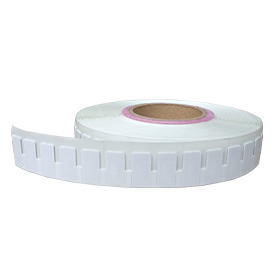
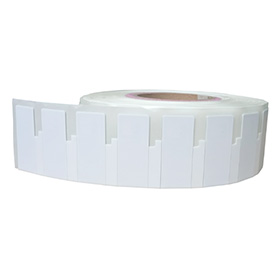
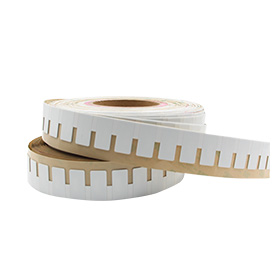
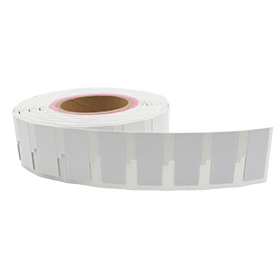
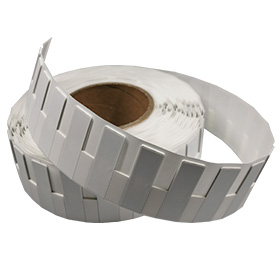
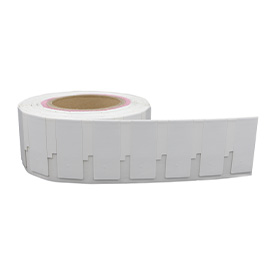
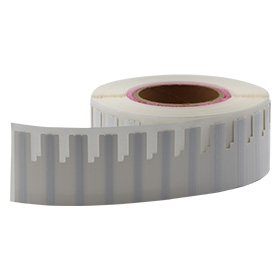
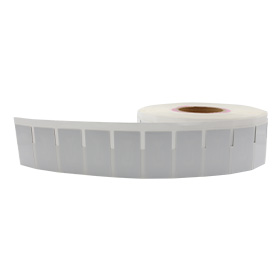
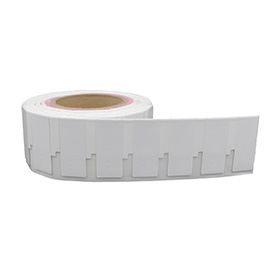
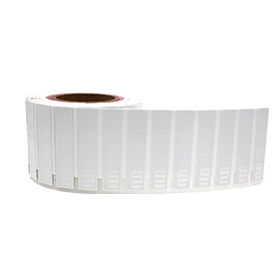
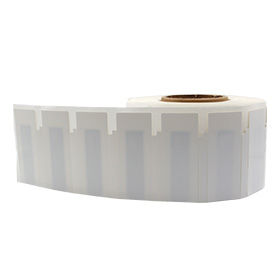
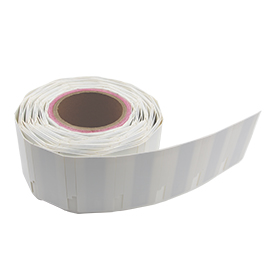
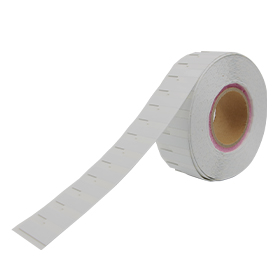
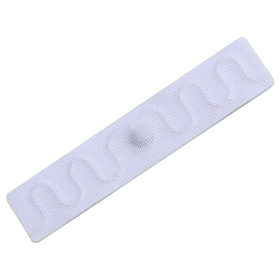
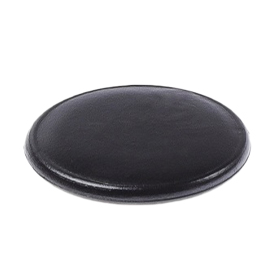
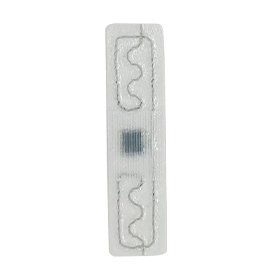
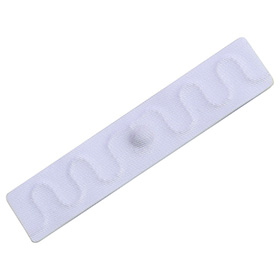
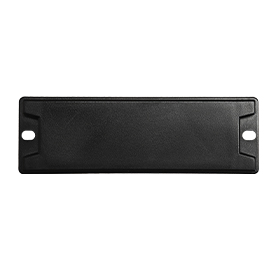
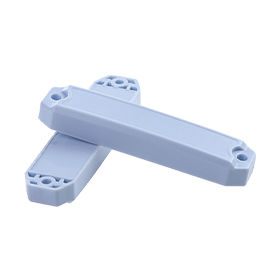
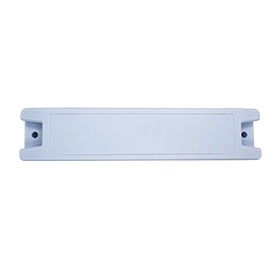
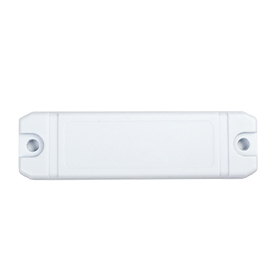
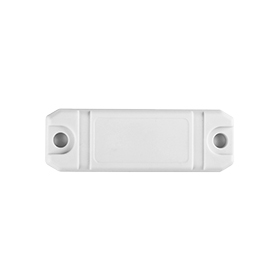
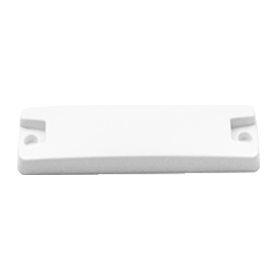
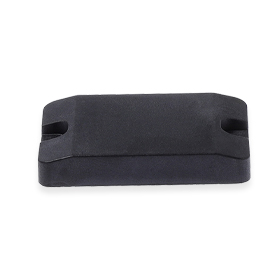
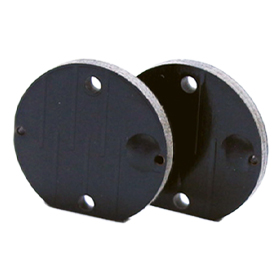
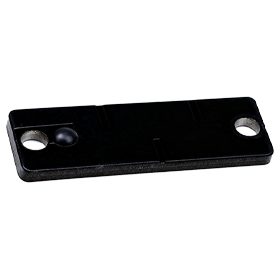
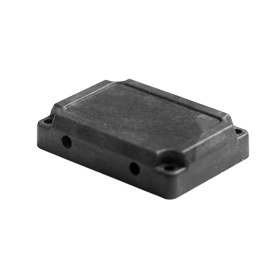
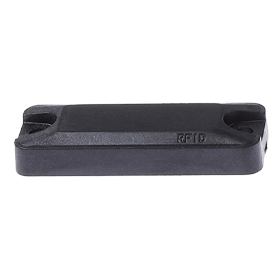
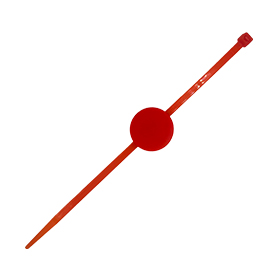
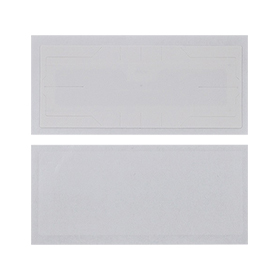
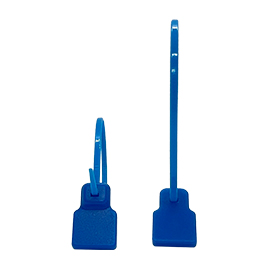
1. RFID Electronic Tags: PVC tray labels attached to the trays, fixed on the trays for material management; self-adhesive labels fixed inside or on the surface of the products, used for process confirmation
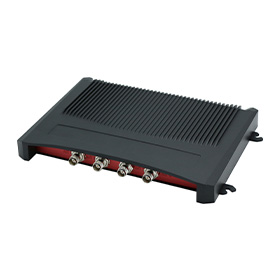
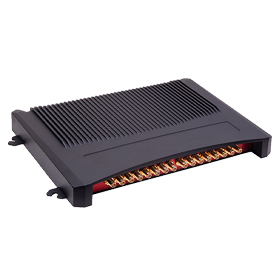
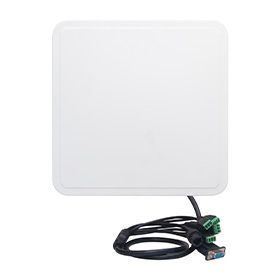
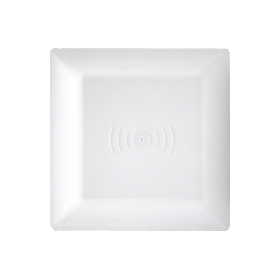
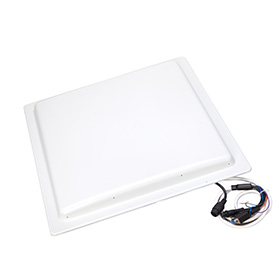
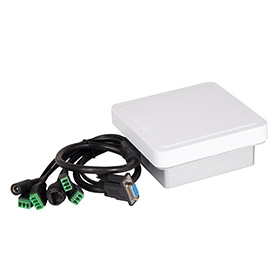
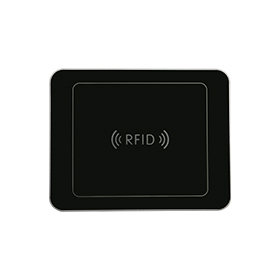
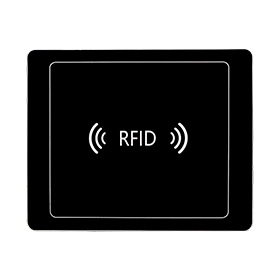
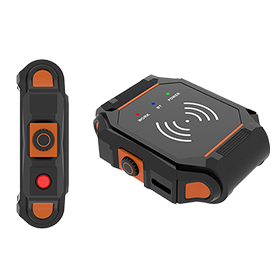
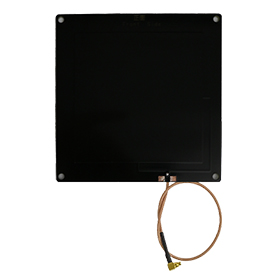
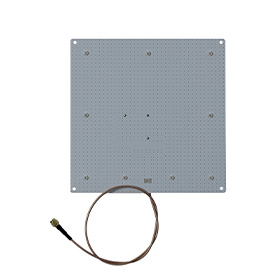
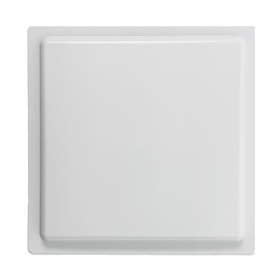
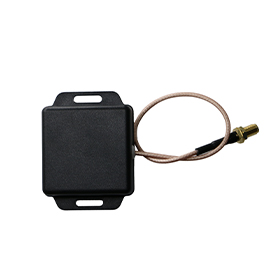
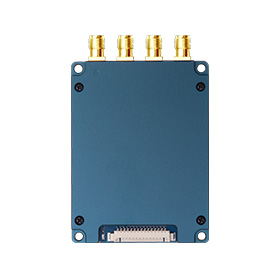
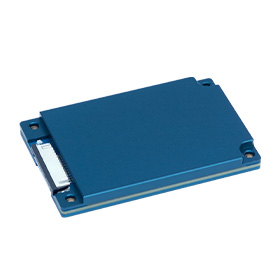
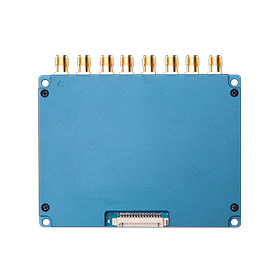
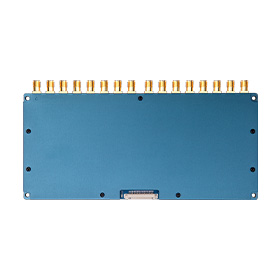
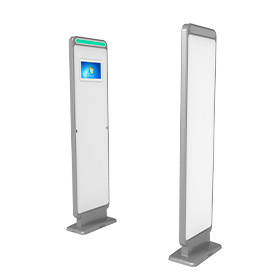
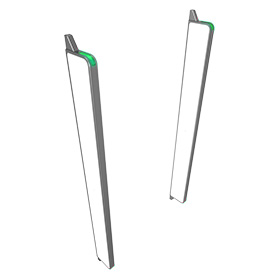
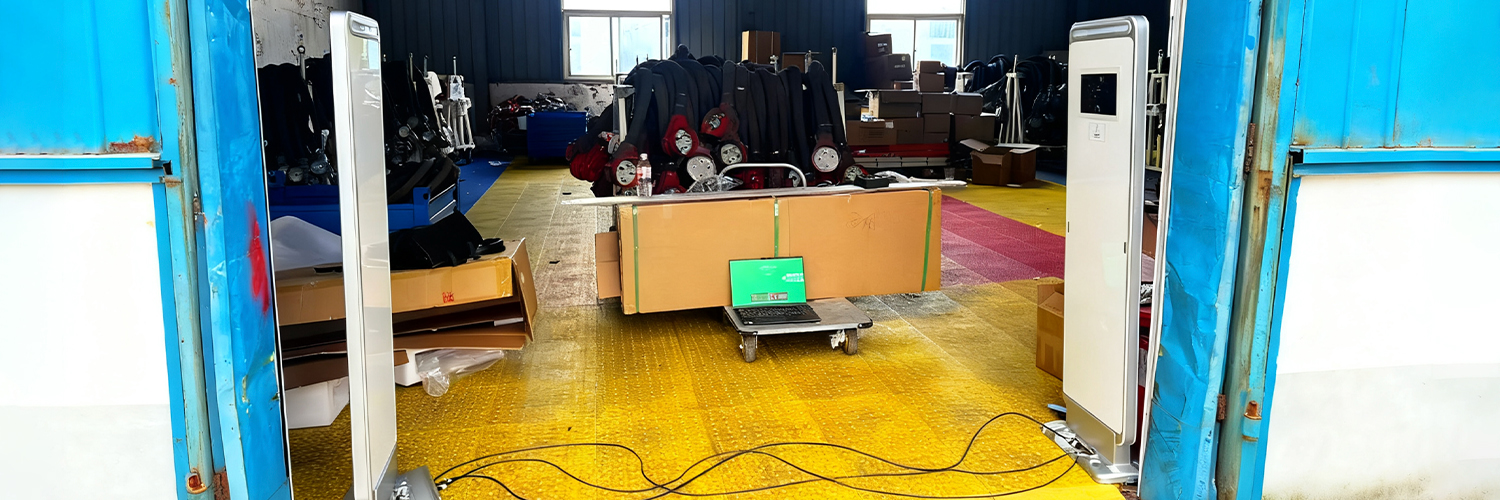
2. RFID Reader-Writer: Split-type reader-writer, installed at key positions of forklifts and production lines to ensure comprehensive and accurate identification of electronic tags
3. Production Line Management System
(2) System Functions
Production Monitoring: Track materials and work-in-progress, display progress, detect and handle abnormalities
Material Management: Automated inbound and outbound operations and inventory checks, generate inventory reports
Equipment Management: Collect equipment data, predict failures, and formulate maintenance plans
Quality Traceability: Bind product key information, quickly locate quality issues
Data Analysis: Generate various reports to provide basis for decision-making
(3) System Flow
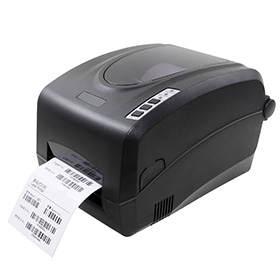
Registration: Register product and tray details in the production management system, generate corresponding electronic tag IDs; use desktop reader-writer to write codes for both tags, fix the tray labels on the trays to complete registration; after placing the materials on the trays, bind the materials to the trays through the reader-writer, embed / stick the product labels onto the products to complete product registration
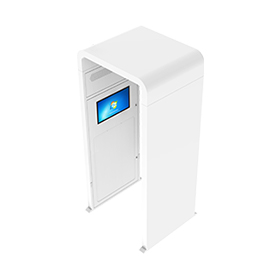
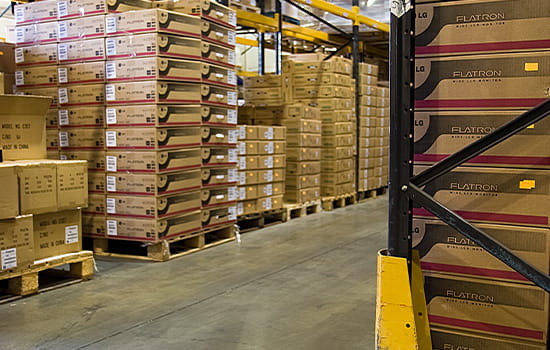
Inbound: Load the tray with materials into the production workshop, the fixed-type reader-writer at the entrance reads the tray labels, and the data is transmitted to the backend to update the material status; place according to rules to complete the inbound
Outbound: Move the raw materials and the tray to the exit, the fixed-type reader-writer at the exit reads the labels, and the data is transmitted to the backend to update the raw material information; the loaded tray leaves the workshop through the exit, completing the outbound
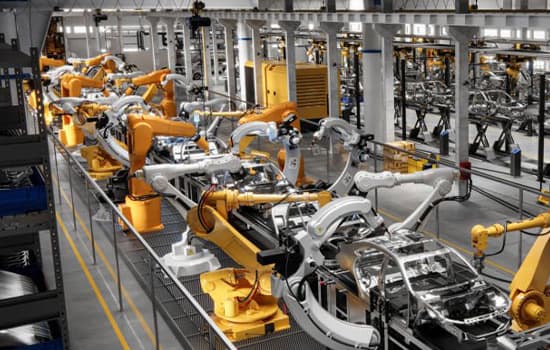
Process Recording: The backend system issues process confirmation forms to the RFID application according to business requirements; after the product completes the key process, the production line reader-writer reads its label, the data is transmitted to the backend to update the production information, completing the key process confirmation; after all processes are confirmed, update the product production information to achieve production process traceability
Advantages
1. Efficient and Precise
Automatically collects data, enhancing efficiency and accuracy
2. Strong Adaptability
Labels are resistant to harsh environments, reducing maintenance costs
3. Intelligent Management
Automated monitoring, enabling intelligent applications
Related Devices
-
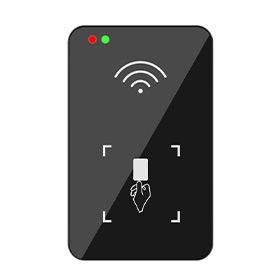
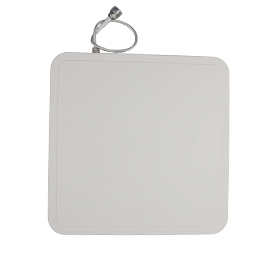
GZY-605Industrial - Grade RFID Integrated ReaderThe ultra-high frequency integrated reader series is a high-performance, all-weather industrial-grade fixed 5dBi reader.Read More
-
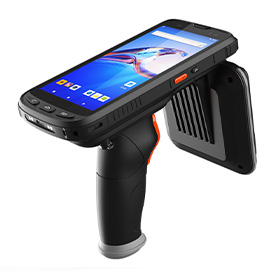
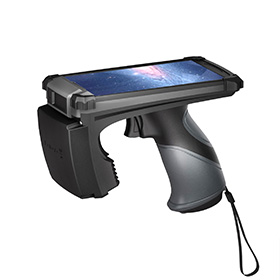
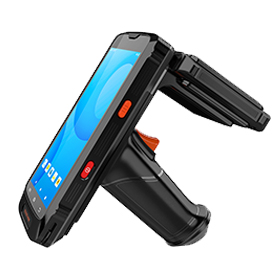
GZY-202UHF RFID Handheld RederRFID handheld terminal reader, with high processing performance,
long tag reading distance and high group reading rate,
is widely used in logistics, asset management and other scenarios.Read More -
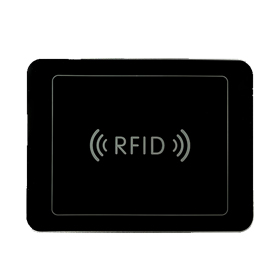
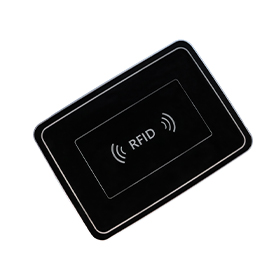
GZY-77USB RFID Desktop Reader/WriterRFID Desktop Reader-Writer Series RFID
Card Issuance Device, Intelligent, Efficient, Flexible CommunicationRead More
Related Solution
No record