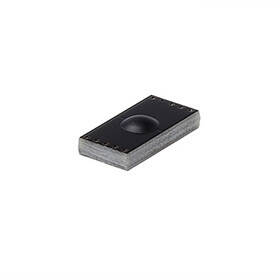
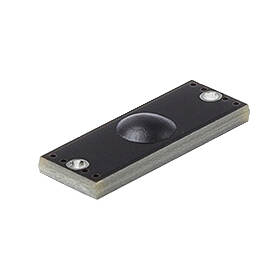
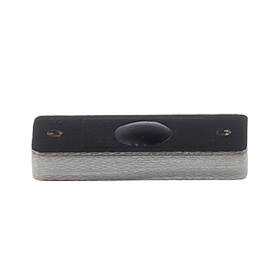
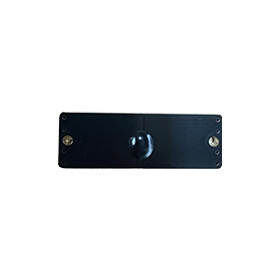
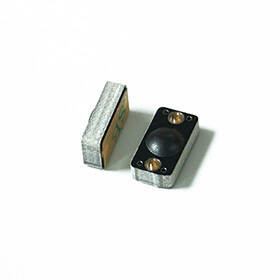
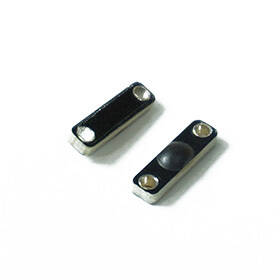
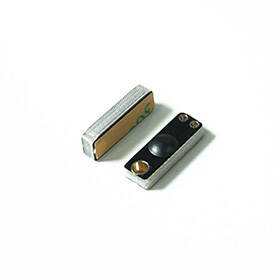
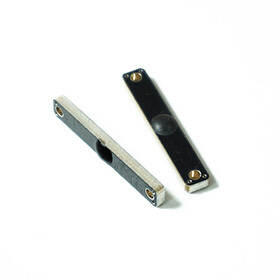
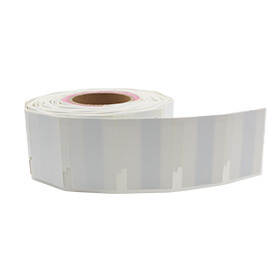
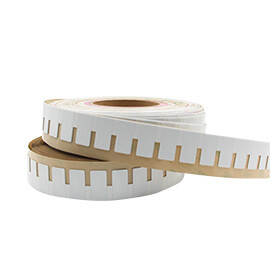
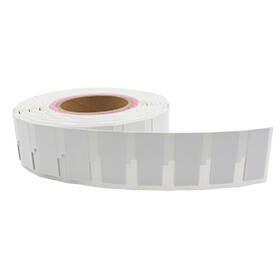
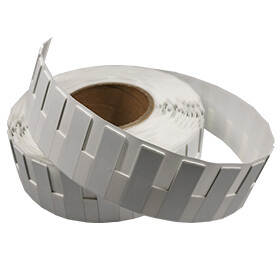
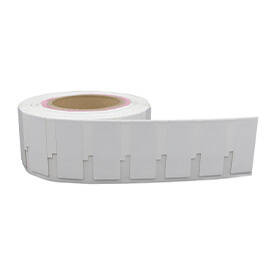
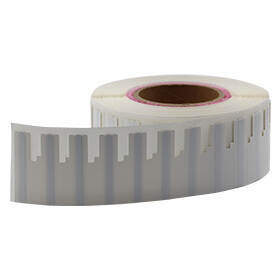
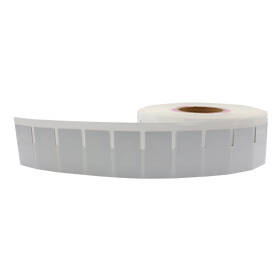
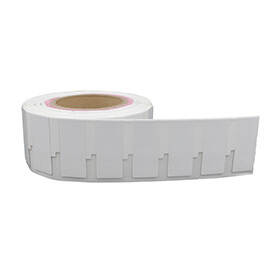
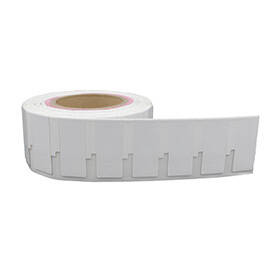
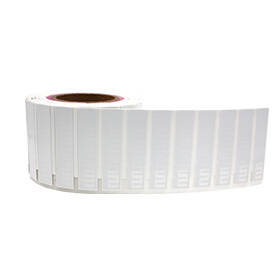
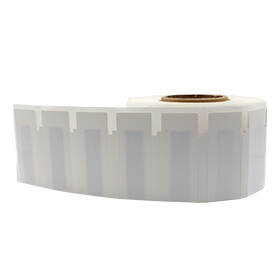
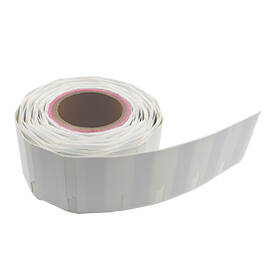
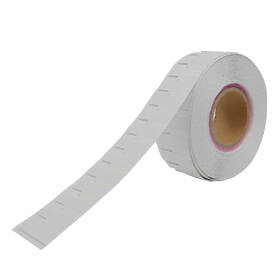
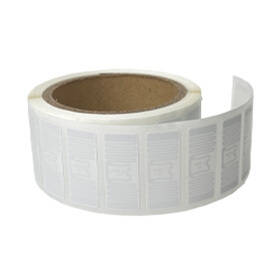
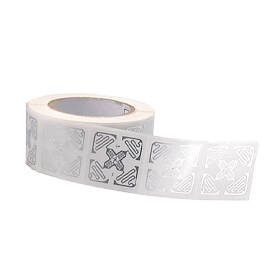
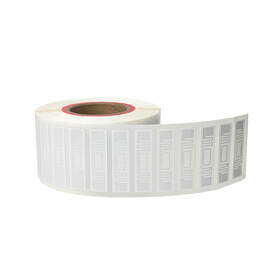
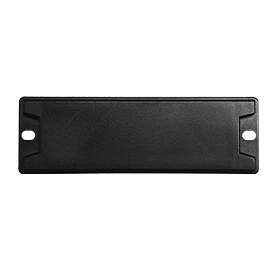
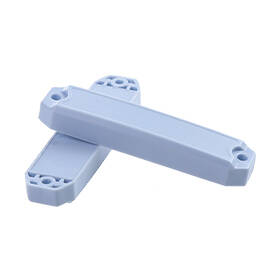
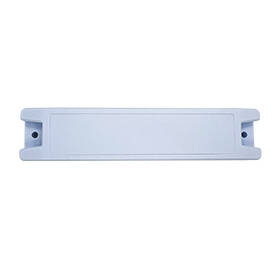
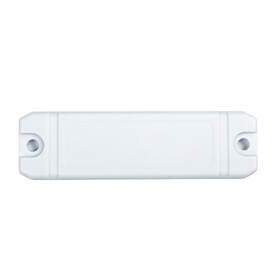
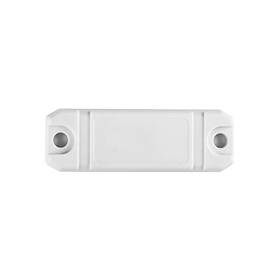
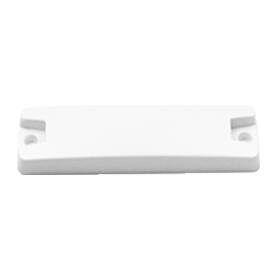
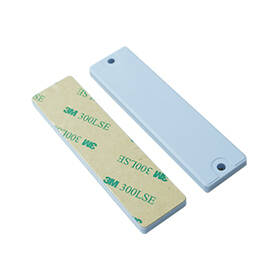
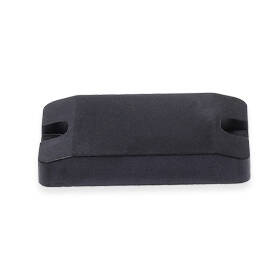




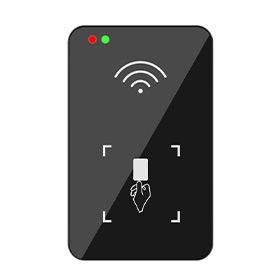

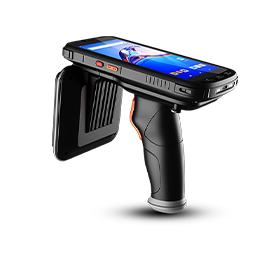
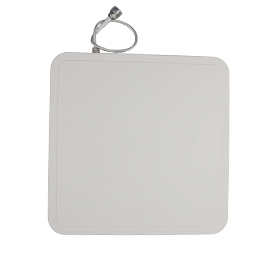
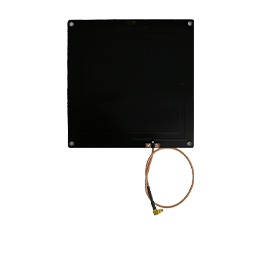
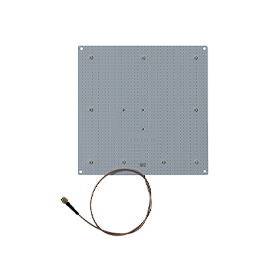
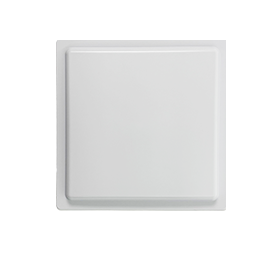



















Selecting the right RFID tag is one of the most important decisions in any RFID deployment. The ideal RFID tag depends on the asset material, operating environment, installation method, required read range, durability requirements, and business objectives. While RFID readers and software platforms often receive significant attention during project planning, RFID tag selection frequently has the greatest impact on overall system performance.
An RFID project can fail even when using a high-performance reader if the selected tag is incompatible with the asset surface or environmental conditions. A tag that works perfectly on cardboard boxes may perform poorly on metal equipment. Likewise, a tag designed for warehouse inventory may not survive industrial laundry processes or outdoor exposure.
Understanding how RFID tags interact with different materials and environments can help organizations improve read accuracy, reduce deployment costs, and maximize long-term return on investment.
RFID Tag Selection Quick Answer
The best RFID tag depends on what you are tracking and where the tag will be used.
- Use printable RFID labels for cartons, pallets, warehouse inventory, and plastic assets.
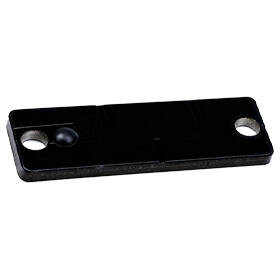
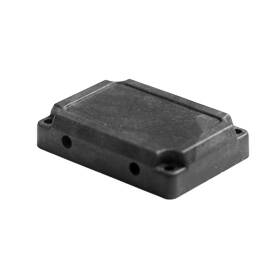
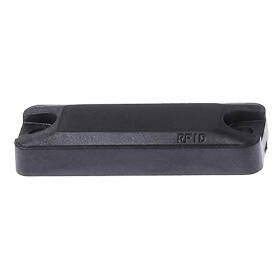
- Use PCB RFID tags or anti-metal RFID tags for metal equipment and fixed assets.
- Use RFID laundry tags for uniforms, linens, and textile management.
- Use rugged IP68-rated RFID tags for outdoor environments.
- Always validate performance through real-world testing before large-scale deployment.
In most RFID projects, asset material is the single most important factor affecting tag performance.
RFID Tag Basics
RFID tags are electronic devices that store identification data and communicate with RFID readers using radio frequency signals. In industrial applications, passive UHF RFID technology is the most widely adopted solution because it provides an excellent balance between cost, read performance, and deployment scalability.
Unlike active RFID tags, passive RFID tags do not contain batteries. They receive energy from the RFID reader's transmitted signal and use that energy to send stored information back to the reader.
Most industrial RFID tags comply with the following standards:
- EPC Class 1 Gen 2
- ISO 18000-6C
These standards ensure compatibility with most industrial RFID readers, antennas, and software platforms.
RFID System Component |
Function |
|
RFID Tag |
Stores unique asset identification data |
|
RFID Reader |
Reads and processes tag information |
|
RFID Antenna |
Transmits and receives RF signals |
|
Software Platform |
Processes and manages collected data |
RFID Tag Selection Decision Framework
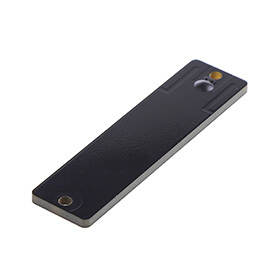
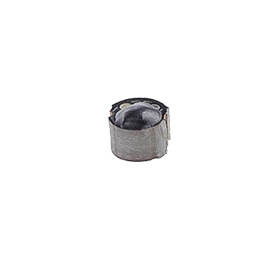
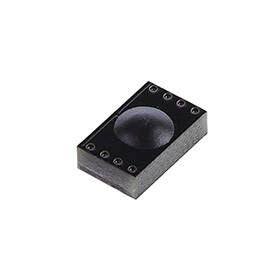
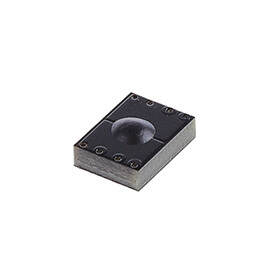
alt:RFID tag selection guide showing RFID labels PCB RFID tags and RFID laundry tags
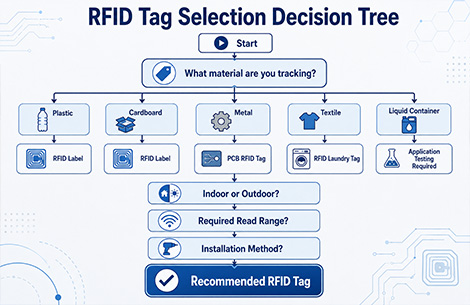
Before selecting RFID tags, organizations should evaluate five key factors that directly influence performance and reliability.
1. What Material Is Being Tagged?
Different materials interact with radio frequency signals in different ways. The material of the asset often determines which RFID tag technology is appropriate.
Asset Material |
RFID Difficulty Level |
Recommended Tag Type |
|
Plastic |
Low |
RFID Label |
|
Cardboard |
Low |
RFID Label |
|
Wood |
Low |
RFID Label |
|
Textile |
Medium |
Laundry RFID Tag |
|
Liquid Containers |
High |
Application Testing Required |
|
Metal Equipment |
High |
PCB RFID Tag |
Metal and liquid environments create the greatest challenges because they can reflect or absorb RF signals and significantly affect read performance.
2. Where Will the Tag Be Used?
Environmental conditions influence the durability requirements of RFID tags.
Environment |
Recommended Characteristics |
|
Warehouse |
Cost-efficient standard RFID tags |
|
Manufacturing |
PlantHeat-resistant industrial tags |
|
Healthcare Facility |
Chemical-resistant tags |
|
Outdoor Yard |
UV-resistant IP68 tags |
|
Laundry Facility |
Washable textile RFID tags |
3. What Read Range Is Required?
Read range requirements vary significantly between applications.
Application |
Typical Read Range |
|
Desktop Identification |
Less than 1 meter |
|
Asset Tracking |
1–5 meters |
|
Warehouse Inventory |
3–7 meters |
|
Portal Reading |
3–10 meters |
|
Laundry Collection |
1–10 meters |
Actual performance depends on reader power, antenna gain, tag sensitivity, mounting surface, environmental interference, and installation position.
4. How Will the Tag Be Installed?
Installation requirements affect deployment cost, maintenance effort, and tag lifespan.
- Adhesive mounting for inventory and warehouse applications
- Embedded installation for manufacturing equipment
- Screw or rivet mounting for outdoor assets
- Sewing or heat sealing for textile applications
5. How Long Should the Tag Last?
The expected service life of the RFID tag should match the lifecycle of the tracked asset. Temporary logistics applications may only require short-term performance, while industrial equipment tracking may require reliable operation for several years.
RFID Tag Comparison Table
Feature |
GZY-R6025 RFID Label |
GZY-P3005 PCB RFID Tag |
GZY-XH7015 Laundry RFID Tag |
|
Primary Use |
Warehouse Inventory |
Metal Assets |
Textile Tracking |
|
Material |
PET / Aluminum / Foam |
FR4 PCB |
Textile |
|
Read Distance |
1–7m |
0.1–3m |
1–10m |
|
Installation |
Adhesive |
Adhesive / Embedded |
Sewing / Heat Seal |
|
Protection Rating |
IP68 |
IP68 |
IP68 |
|
Best Application |
Inventory Tracking |
Fixed Asset Tracking |
Laundry Management |
|
|
|
|
|
Different RFID Tag Types and Their Applications
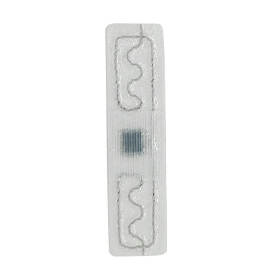
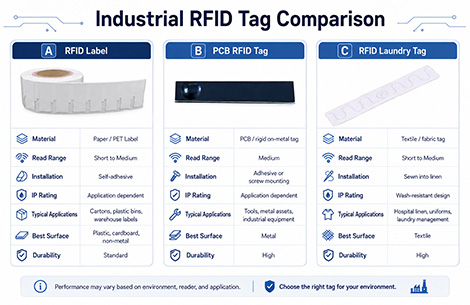
Flexible RFID Labels
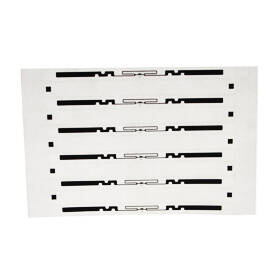
Flexible RFID labels are among the most widely used RFID tags because they are lightweight, cost-effective, and easy to deploy.
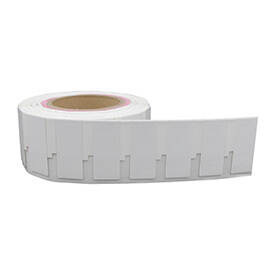
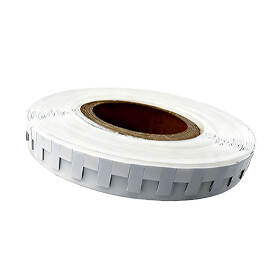
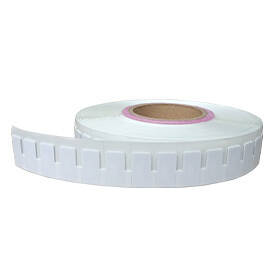
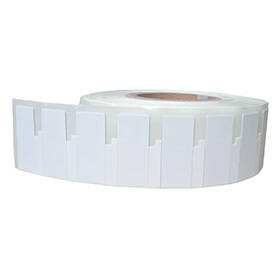
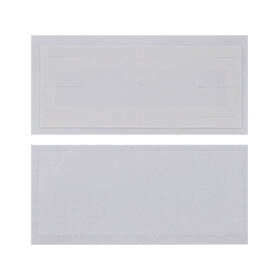
Recommended Product: GZY-R6025 UHF RFID Printable Label
Key features include EPC Class 1 Gen 2 compliance, ISO 18000-6C compatibility, support for NXP UCODE 8, UCODE 9, and Impinj M730 chips, read distances up to 7 meters, IP68 protection, and customizable printing and encoding options.
Typical applications include warehouse management, logistics tracking, medical laboratory equipment identification, IT asset management, and automotive component tracking.
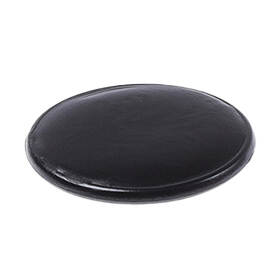
PCB RFID Tags
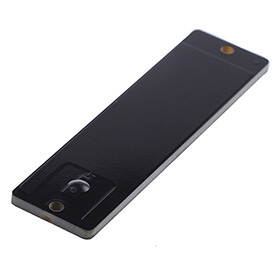
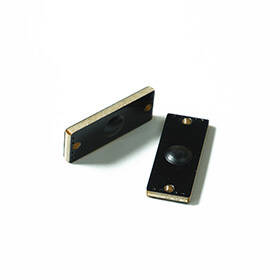
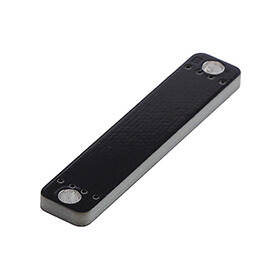
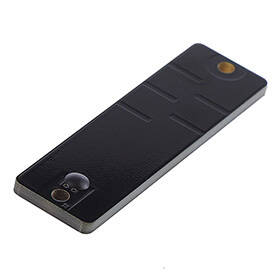
PCB RFID tags are specifically designed for metal surfaces where standard RFID labels often perform poorly.
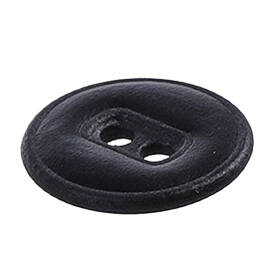
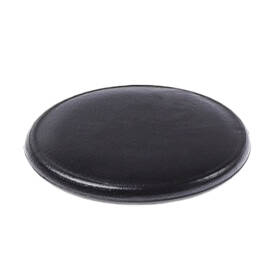
Recommended Product: GZY-P3005 UHF RFID PCB Tag
This compact FR4 PCB tag provides reliable on-metal performance, IP68 protection, adhesive or embedded installation options, and read distances up to 3 meters depending on reader performance.
Typical applications include fixed asset management, production line management, medical equipment tracking, and industrial machinery identification.
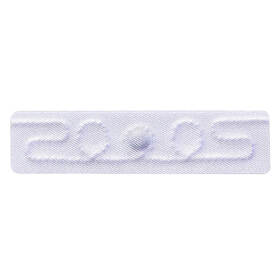
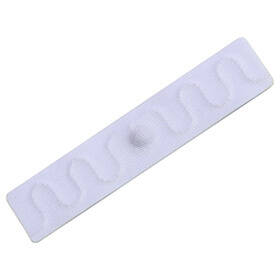
RFID Laundry Tags
RFID laundry tags are engineered for environments involving repeated washing, drying, ironing, and sterilization.
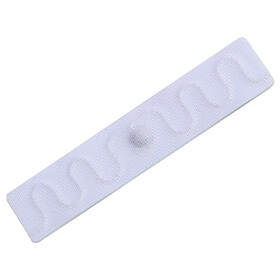
Recommended Product: GZY-XH7015 UHF RFID Laundry Tag
This textile RFID tag supports up to 200 washing cycles, offers read distances up to 10 meters, and can be installed through sewing or heat sealing.
Common applications include uniform management, hospital linen tracking, hotel laundry operations, military clothing management, and personnel patrol management.
Indoor vs Outdoor RFID Tags
Indoor RFID deployments generally focus on inventory visibility, process automation, and operational efficiency. Typical indoor environments include warehouses, production facilities, healthcare institutions, and office environments where temperature and humidity levels are relatively stable.
Outdoor RFID deployments present additional challenges because tags may be exposed to harsh environmental conditions.
Common outdoor environmental factors include:
- Rain and moisture
- Dust and dirt
- Direct sunlight and UV exposure
- Extreme temperatures
- Snow and ice
- Mechanical impact and vibration
For outdoor applications, organizations should prioritize RFID tags with rugged construction and high ingress protection ratings. IP68-rated RFID tags are commonly selected because they provide protection against dust and water intrusion.
Environmental durability should always be validated through field testing before full deployment.
Surface Material Considerations
The surface material of an asset often has a greater impact on RFID performance than the RFID tag itself. Understanding how radio frequency signals interact with different materials helps organizations avoid deployment issues and improve read accuracy.
RFID Tags on Plastic Surfaces
Plastic is generally considered an RFID-friendly material because it causes minimal RF interference. Standard RFID labels typically provide reliable performance when attached to plastic assets.
Common applications include:
- Plastic containers
- Reusable transport packaging
- Medical trays
- Storage bins
- Electronic equipment housings
Recommended tag:
GZY-R6025 UHF RFID Printable Label
RFID Tags on Cardboard and Packaging
Cardboard and paper-based packaging are among the easiest materials for RFID deployment because they have little impact on radio frequency signals.
Applications include:
- Shipping cartons
- E-commerce fulfillment
- Warehouse inventory management
- Distribution center operations
For these applications, organizations often prioritize cost efficiency, printability, and deployment speed.
RFID Tags on Metal Surfaces
Metal surfaces can significantly affect RFID performance because they reflect RF signals and alter antenna behavior.
Common challenges include:
- Signal reflection
- Reduced read distance
- Inconsistent reading performance
- Antenna detuning
Examples of metal assets include:
- Industrial machinery
- Manufacturing equipment
- IT servers
- Tool cabinets
- Medical devices
- Metal containers
Recommended tag:
GZY-P3005 UHF RFID PCB Tag
PCB RFID tags are specifically engineered to maintain reliable performance on metallic surfaces.
RFID Tags Near Liquids
Liquids absorb RF energy and can significantly affect RFID system performance. Applications involving liquids require careful testing because performance can vary depending on container material, liquid composition, and tag placement.
Examples include:
- Beverage containers
- Chemical drums
- Pharmaceutical products
- Medical fluids
- Cosmetic products
Application-specific testing is strongly recommended before deployment.
How Read Range Is Really Determined
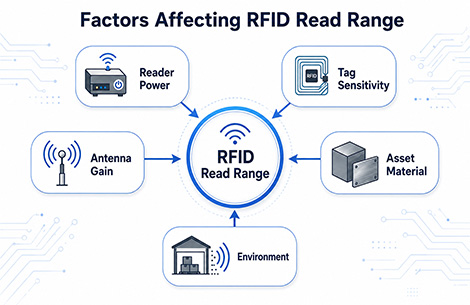
Many buyers assume that RFID read range depends entirely on the tag itself. In reality, read performance depends on the interaction between multiple system components.
Factor |
Impact on Read Performance |
|
Reader Power |
High |
|
Antenna Gain |
High |
|
Tag Sensitivity |
High |
|
Asset Material |
High |
|
Tag Orientation |
Medium |
|
Installation Position |
Medium |
|
Environmental Interference |
High |
|
Cable Loss |
Medium |
A tag advertised with a 10-meter read range may perform very differently depending on deployment conditions. Organizations should evaluate complete system performance rather than relying solely on datasheet specifications.
Industrial RFID Tag Recommendations
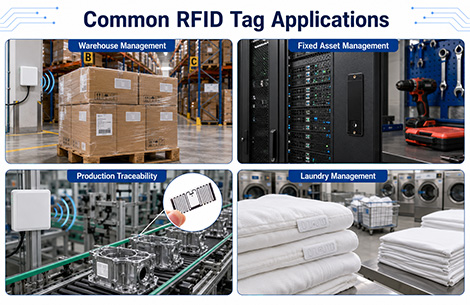
Warehouse Management
Recommended Tag: GZY-R6025 UHF RFID Printable Label
Warehouses often require large-scale deployments involving thousands of assets. Printable RFID labels offer cost-effective implementation, easy installation, and support for barcode printing and RFID encoding.
Typical warehouse applications include:
- Inventory management
- Pallet tracking
- Carton identification
- Distribution center operations
- Logistics visibility
Fixed Asset Management
Recommended Tag: GZY-P3005 UHF RFID PCB Tag
Fixed asset management frequently involves metal equipment and machinery that require specialized RFID solutions. PCB RFID tags provide reliable performance and long-term durability.
Common assets include:
- Industrial equipment
- Servers and IT assets
- Medical devices
- Production machinery
- Laboratory equipment
Production Line Traceability
Recommended Tag: GZY-P3005 UHF RFID PCB Tag
Production environments often contain metal equipment and automated machinery that can create RF challenges. Specialized on-metal RFID tags help maintain accurate data collection throughout manufacturing processes.
Healthcare Equipment Management
Healthcare organizations manage a combination of metal and non-metal assets.
Recommended products include:
- GZY-P3005 UHF RFID PCB Tag
- GZY-R6025 UHF RFID Printable Label
The final selection depends on asset material, sterilization procedures, and cleaning requirements.
Uniform and Linen Management
Recommended Tag: GZY-XH7015 UHF RFID Laundry Tag
Laundry management systems require RFID tags capable of surviving repeated washing, drying, ironing, and sterilization cycles.
Applications include:
- Hospital linen management
- Hotel laundry operations
- Uniform tracking
- Military clothing management
- Textile rental services
RFID Tag Selection Checklist
Before purchasing RFID tags, organizations should review the following checklist.
- Asset material has been identified.
- Operating environment has been evaluated.
- Required read range has been defined.
- Installation method has been selected.
- Environmental exposure has been assessed.
- Expected service life has been determined.
- Reader compatibility has been verified.
- Pilot testing has been completed.
Completing this checklist helps reduce deployment risks and improves overall project success rates.
Common RFID Tag Selection Mistakes
Choosing Tags Based Only on Price
Low-cost RFID tags may reduce initial expenses but often create performance and durability issues that increase long-term operating costs.
Ignoring Asset Materials
Asset material should be evaluated before selecting RFID hardware. Metal and liquid environments typically require specialized RFID solutions.
Assuming Datasheet Performance Reflects Real-World Results
Datasheet specifications are measured under controlled conditions and may differ significantly from actual deployment performance.
Ignoring Installation Requirements
Even high-quality RFID tags can fail if installation methods are not appropriate for the application.
Skipping Pilot Testing
Pilot testing helps identify performance issues, environmental challenges, and installation problems before large-scale investment occurs.
How Infowise RFID Supports Industrial RFID Projects
Successful RFID deployments require more than selecting the longest-read-range tag. The most effective RFID solution balances performance, durability, environmental compatibility, scalability, and total deployment cost.
Infowise RFID provides industrial RFID hardware for applications including:
- Warehouse Management
- Asset Tracking
- Production Traceability
- Medical Equipment Management
- Laundry Automation
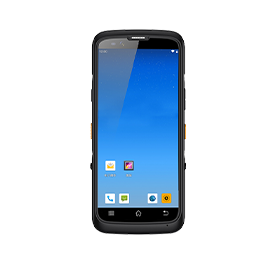
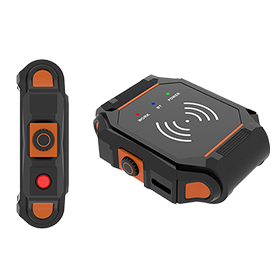
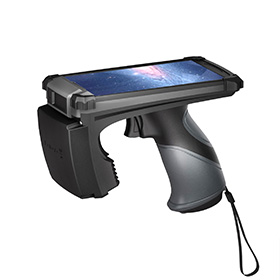
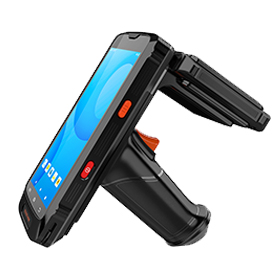
Available products include RFID labels, PCB RFID tags, laundry RFID tags, fixed RFID readers, RFID antennas, RFID modules, and RFID handheld computers.
Infowise RFID mainly provides RFID hardware and RFID data capture devices. These devices can be integrated with third-party WMS, ERP, MES, or asset management platforms through supported interfaces, APIs, or SDKs. The software platform is usually developed by the customer or system integrator.
Frequently Asked Questions
How do I choose the right RFID tag?
The right RFID tag depends on asset material, operating environment, installation method, required read range, and expected lifespan. Metal assets generally require PCB RFID tags, while textile applications require RFID laundry tags. Real-world testing should always be performed before large-scale deployment.
What RFID tag works best on metal surfaces?
PCB RFID tags and dedicated anti-metal RFID tags are generally the best choices for metal surfaces because they are specifically designed to overcome signal interference caused by metallic materials.
Can standard RFID labels be used on metal assets?
Standard RFID labels are usually not recommended for direct attachment to metal surfaces because performance can decrease significantly. Specialized on-metal RFID tags provide better results.
What factors affect RFID read range?
Read range depends on reader power, antenna gain, tag sensitivity, tag orientation, installation location, mounting surface, and environmental interference.
Which RFID tag is best for warehouse management?
Printable UHF RFID labels such as the GZY-R6025 are commonly used because they offer cost-effective deployment, easy installation, and reliable inventory tracking performance.
Which RFID tag is best for fixed asset tracking?
PCB RFID tags such as the GZY-P3005 are often recommended for fixed asset management because they provide stable performance on metal equipment and industrial assets.
Are RFID laundry tags washable?
Yes. RFID laundry tags are specifically engineered to survive washing, drying, ironing, and sterilization processes. The GZY-XH7015 supports up to 200 wash cycles under specified conditions.
Can RFID tags work around liquids?
Yes, but liquids can absorb RF energy and reduce performance. Testing is recommended when tracking products containing liquids.
Do passive RFID tags require batteries?
No. Passive RFID tags receive energy from RFID readers and do not require internal batteries, making them cost-effective and maintenance-free.
Can RFID systems integrate with ERP or WMS software?
Yes. RFID hardware can integrate with third-party ERP, WMS, MES, and asset management systems through APIs, SDKs, middleware, or customer-developed software platforms.
Conclusion
Choosing the right RFID tag requires more than comparing technical specifications. Asset material, environmental conditions, read range requirements, installation methods, and lifecycle expectations all influence RFID performance. By following a structured RFID tag selection process and validating performance through real-world testing, organizations can improve deployment success rates and maximize long-term operational value.
For warehouse inventory applications, the GZY-R6025 UHF RFID Printable Label offers a flexible and cost-effective solution. For metal asset tracking, the GZY-P3005 UHF RFID PCB Tag provides optimized on-metal performance. For textile management and laundry automation, the GZY-XH7015 UHF RFID Laundry Tag is specifically designed to withstand repeated industrial washing and sterilization processes.
 Prev
Prev