

























If you have ever tapped a card to open a hotel room door, paid for groceries using your smartphone, or wondered how massive warehouses track millions of items with pinpoint accuracy, you have interacted with RFID. But how does RFID work behind the scenes?
While many resources briefly skim the surface, understanding the true mechanics of this technology reveals why it has fundamentally changed global supply chains, retail, and security. Whether you are a curious beginner trying to grasp the basics or an industry professional looking to understand the core technical logic of radio wave frequencies and backscatter technology, this comprehensive guide will walk you through exactly how RFID systems operate.
What Does RFID Mean? The Core Concept
To understand the mechanics, we first need to define the terminology. So, what does RFID mean? RFID stands for Radio Frequency Identification. At its most fundamental level, it is a type of wireless communication that uses electromagnetic or electrostatic coupling in the radio frequency portion of the electromagnetic spectrum to uniquely identify an object, animal, or person.
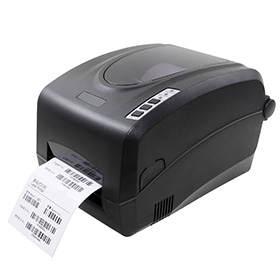
Unlike traditional barcodes that require a direct line of sight and manual scanning to read a UPC code, RFID technology does not require you to physically "see" the tag. The data is transmitted via radio waves, meaning an item can be read while inside a box, moving on a conveyor belt, or even buried underground. This core difference is the driving force behind its widespread adoption.
The concept isn't entirely new; the underlying physics dates back to radar systems used during World War II to distinguish friendly aircraft from enemy planes. However, modern commercial RFID has evolved into highly miniaturized, cost-effective microchips. Today, when people ask what does RFID do, the simplest answer is that it gives physical objects a unique digital voice, allowing them to broadcast their identity and location to surrounding digital systems automatically and in real-time.
The Anatomy of an RFID System: What Does RFID Do?
To fully grasp how does RFID technology work, you must understand its three primary components. A functioning RFID ecosystem is never just a single piece of hardware; it is a synchronized orchestra of physical devices and software interpreting data.
1. The RFID Tag (Transponder)
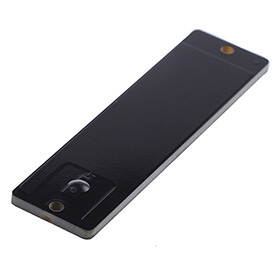
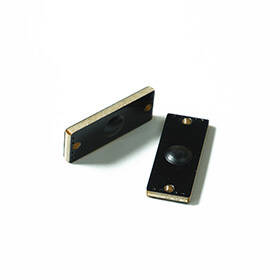
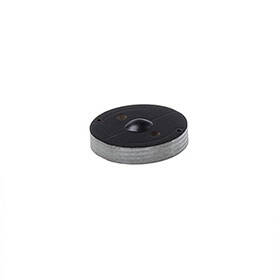
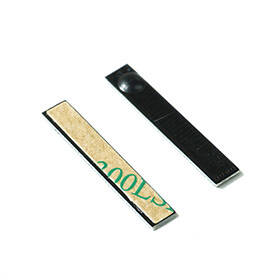
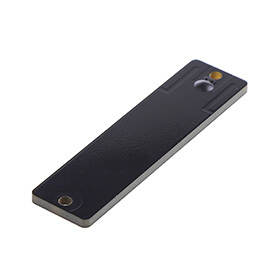
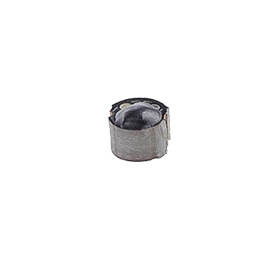
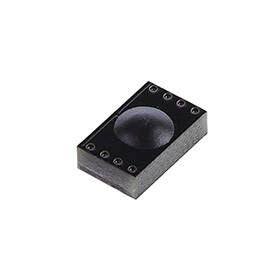
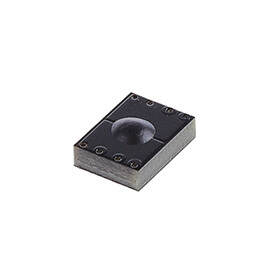
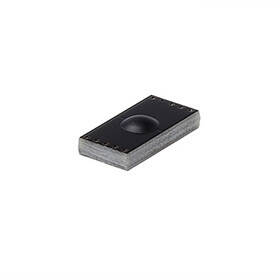
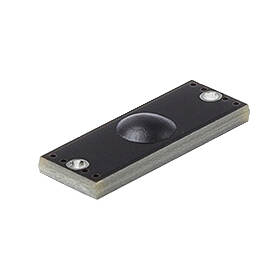
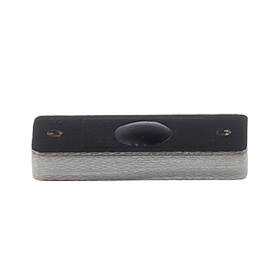
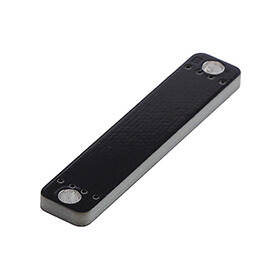
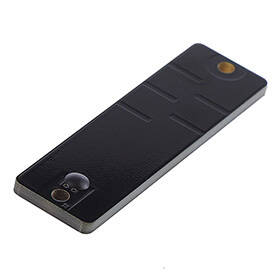
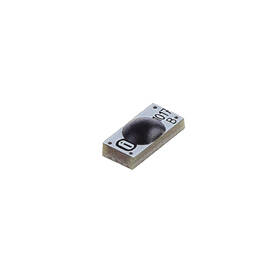
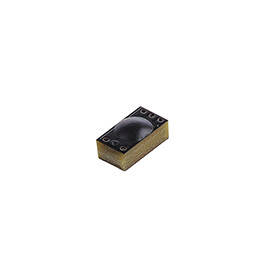
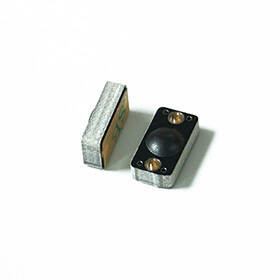
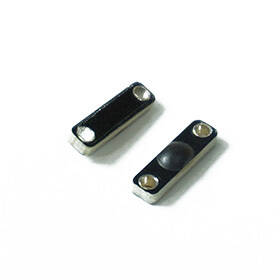
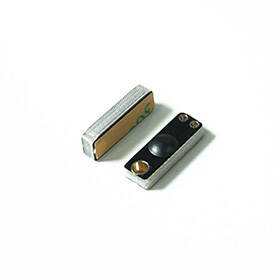
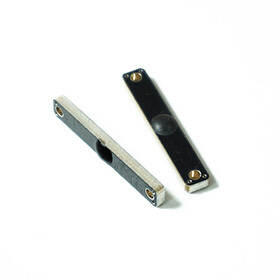
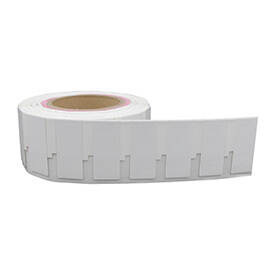
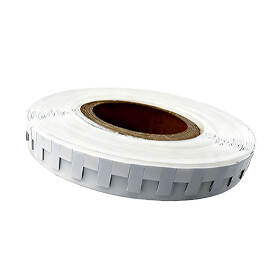
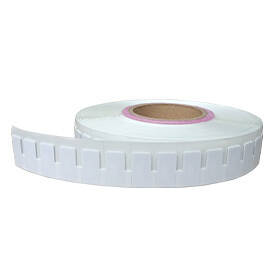
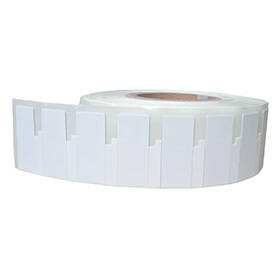
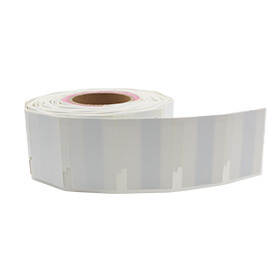
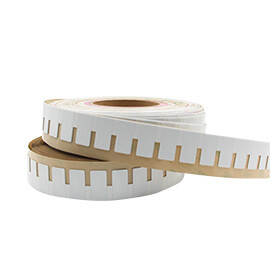
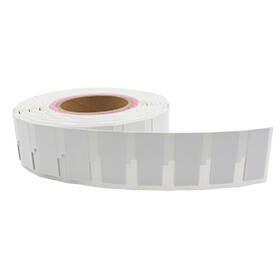
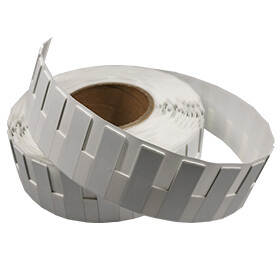
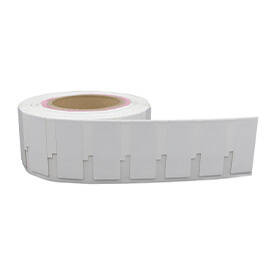
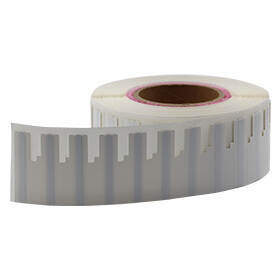
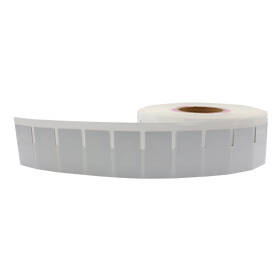
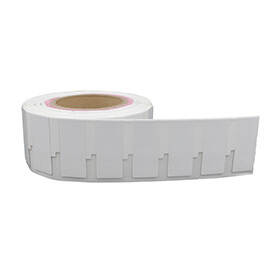
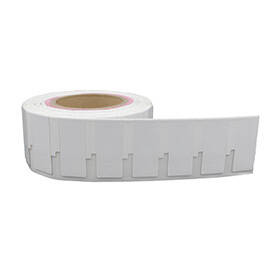
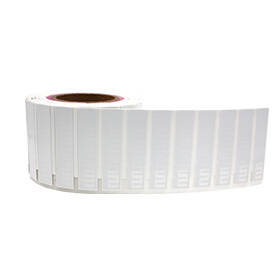
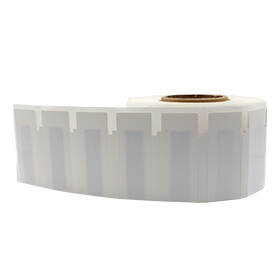
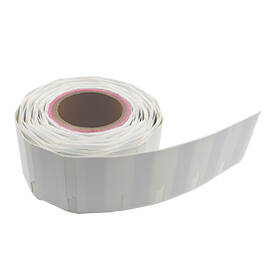
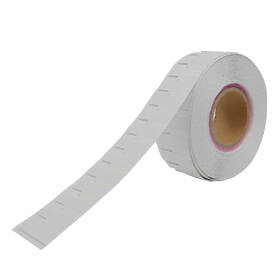
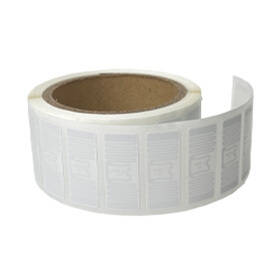
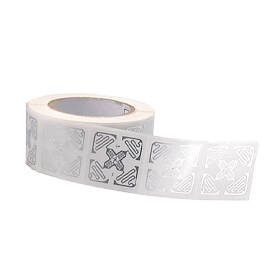
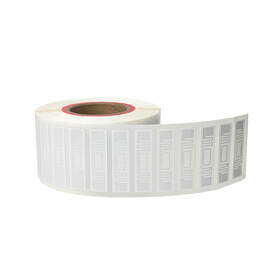
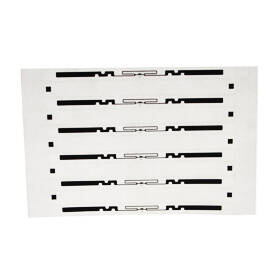
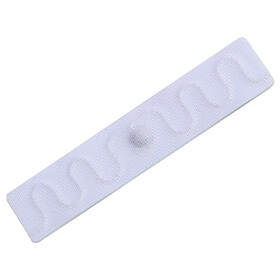
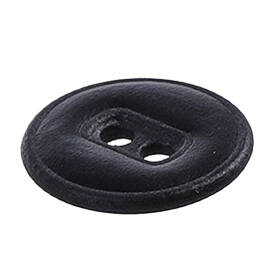
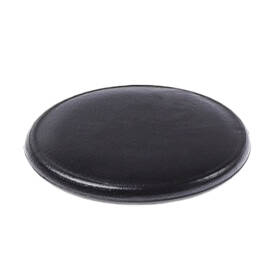
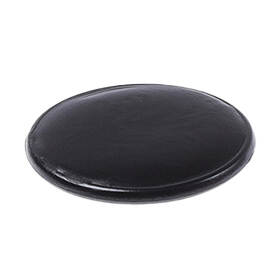
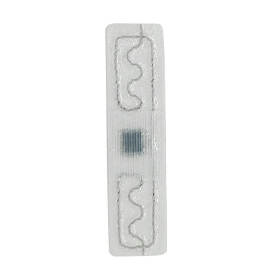
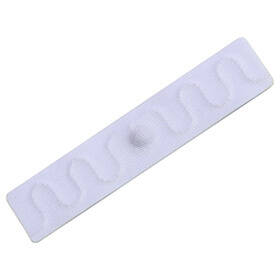
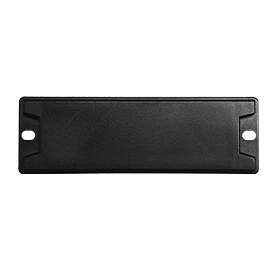
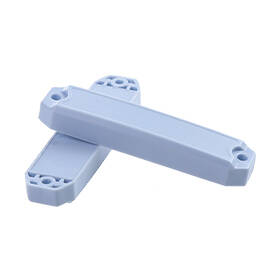
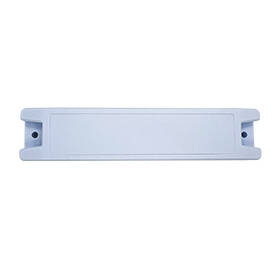
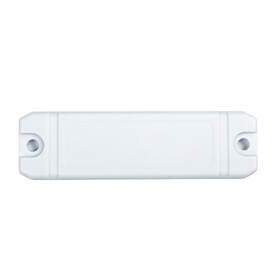
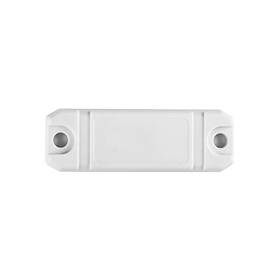
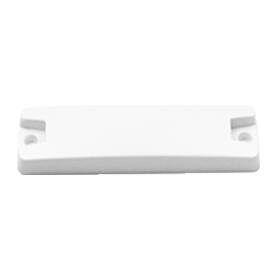
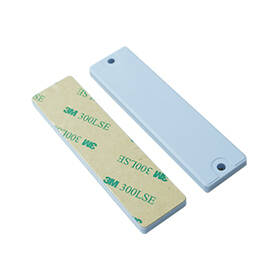
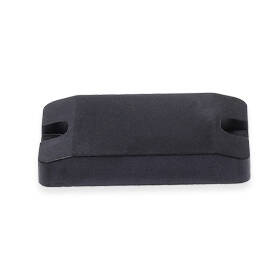
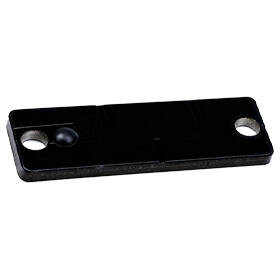
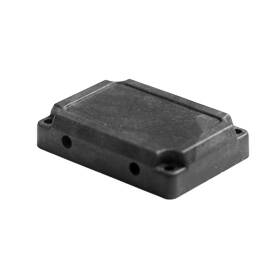
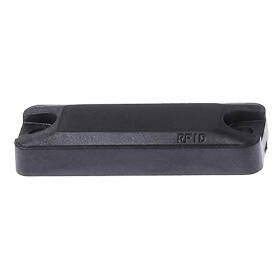
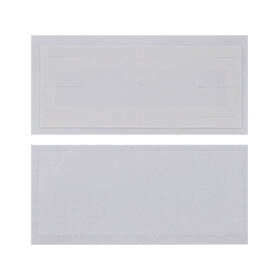
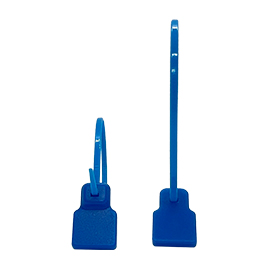
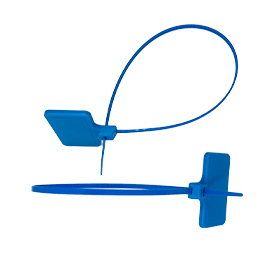
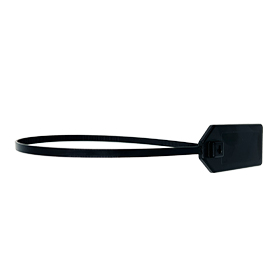
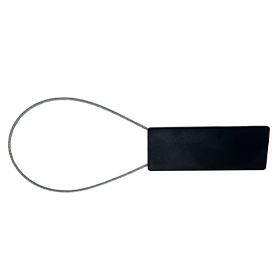
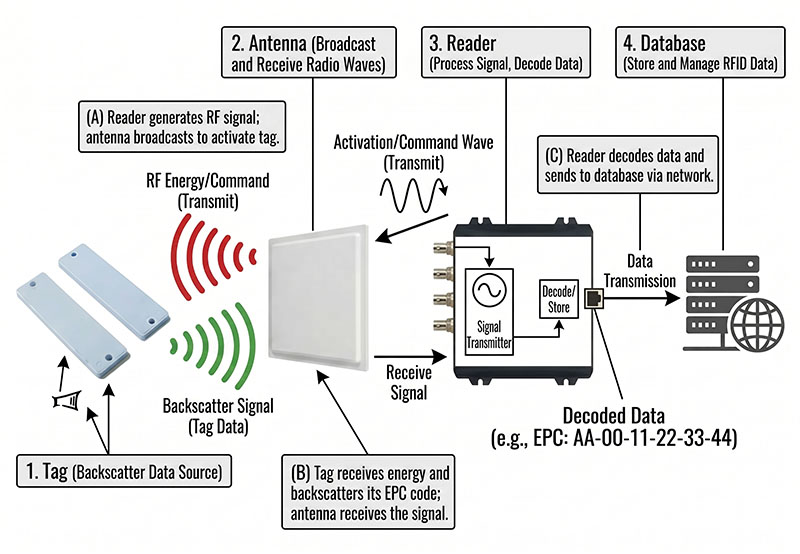
The tag is the endpoint of the system, attached directly to the asset you want to track. It consists of two main parts: a microchip (integrated circuit) that stores the unique identification data, and an antenna that receives and transmits the radio waves. These tags come in countless form factors—from paper-thin adhesive labels used on retail clothing to rugged, hard-cased tags bolted onto shipping containers designed to withstand extreme weather and chemical exposure.
2. The RFID Reader (Interrogator)
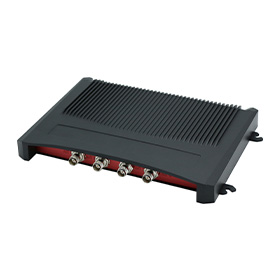
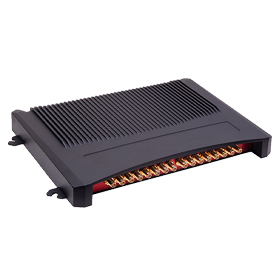
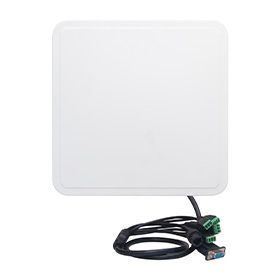
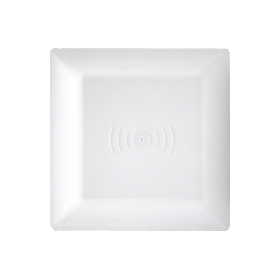
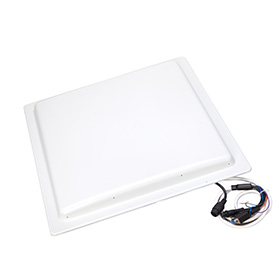
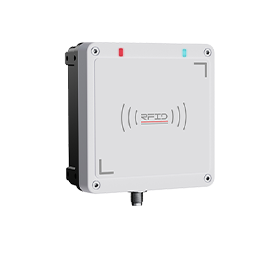
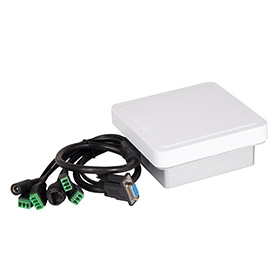
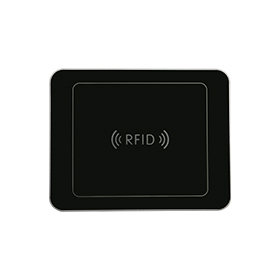
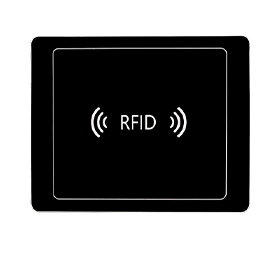
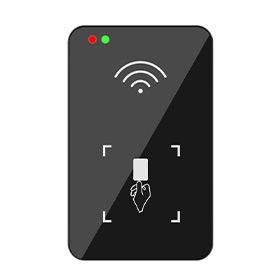
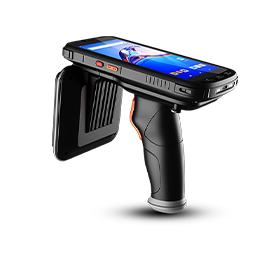
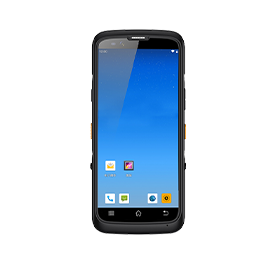
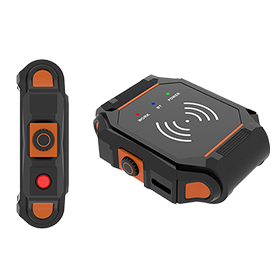
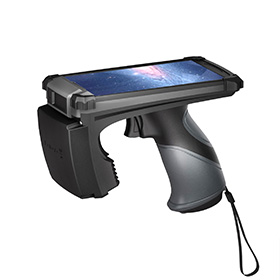
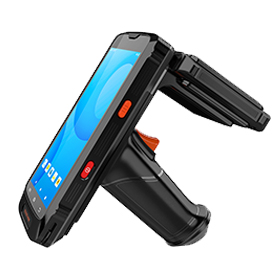
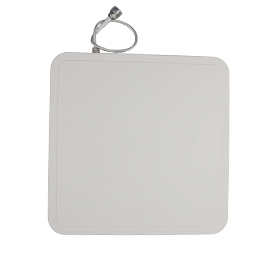
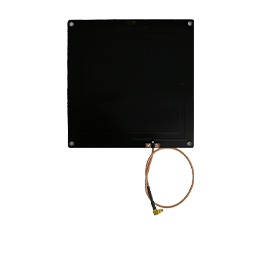
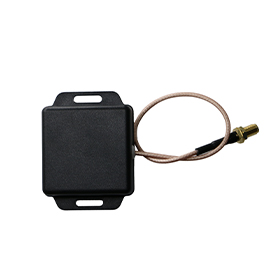
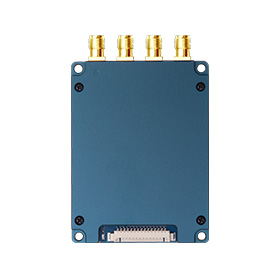
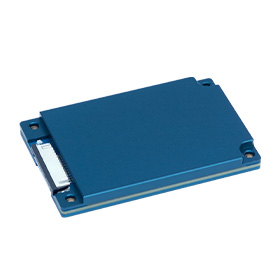
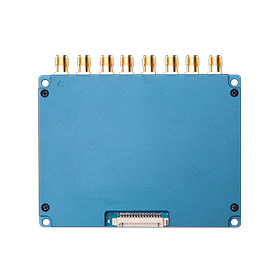
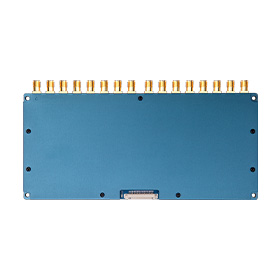
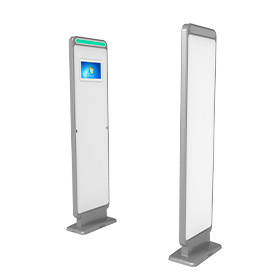
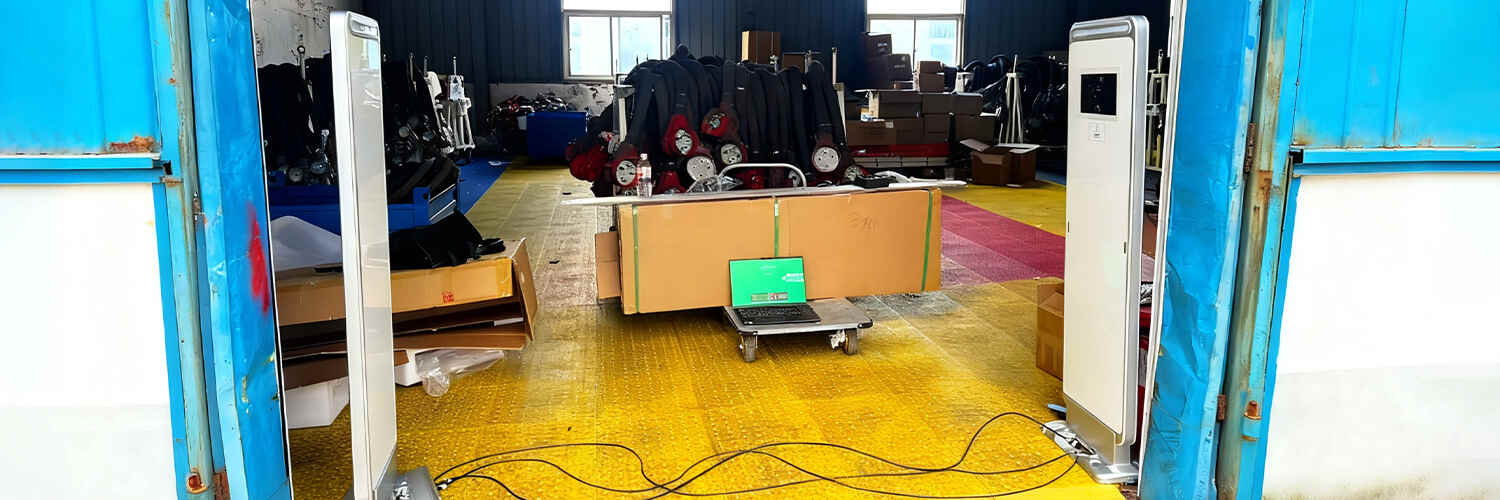
The reader is the brain of the hardware operation. It can be a fixed device mounted above a warehouse dock door or a mobile, handheld scanner used by retail staff. The reader emits radio waves through its own antennas. When an RFID tag enters this electromagnetic field, the reader "interrogates" the tag, capturing the data stored on the microchip. Modern readers can process hundreds or even thousands of tags simultaneously within seconds.
3. Middleware and Database Software
Hardware alone is useless without software. Once the reader captures the raw data from the tags, it sends this information to RFID middleware. This software acts as a bridge, filtering out duplicate reads and translating the raw hexadecimal data into meaningful business intelligence. It then pushes this organized data into an overarching ERP (Enterprise Resource Planning) or inventory management system, telling a business exactly what they have, where it is, and when it moved.
Step-by-Step: How RFID Works in 5 Core Phases
The magical "invisible scanning" of RFID is actually a precise sequence of physics and data transfer. Here is the step-by-step technical logic of how RFID works in real-time:
1.The Broadcast: The process begins with the RFID reader. The reader continuously (or upon a trigger) generates a high-frequency alternating current, which travels to its antenna. The antenna converts this current into electromagnetic radio waves, broadcasting them outward to create an interrogation zone.
2.The Energy Harvest: When a passive RFID tag enters this interrogation zone, its internal antenna catches the radio waves. Because passive tags have no internal battery, they rely entirely on the reader's energy. The tag's antenna converts the incoming electromagnetic waves back into a tiny electrical current.
3.The Chip Activation: This minuscule harvested current travels to the tag's microchip, powering it up. Once awake, the chip prepares the specific data string it is programmed to share—typically an Electronic Product Code (EPC).
4.The Backscatter Transmit: Now activated, the tag needs to send its data back. It alters the electrical load on its antenna, essentially reflecting the reader's original radio wave back toward the source but with slight, intentional variations. This process is known in physics as "backscatter coupling." The tag modulates the wave to encode its unique digital footprint.
5.Data Interpretation: The reader's antenna picks up this backscattered, modulated wave. The reader decodes the signal back into a digital format and transmits it to the backend software system, completing the identification process in a fraction of a millisecond.
Active vs. Passive: Understanding the Technical Logic
A critical part of understanding how does RFID work involves distinguishing between the different types of tags. Not all RFID systems operate on the exact same principles. The technology is broadly categorized into two main types based on their power source: Passive and Active.
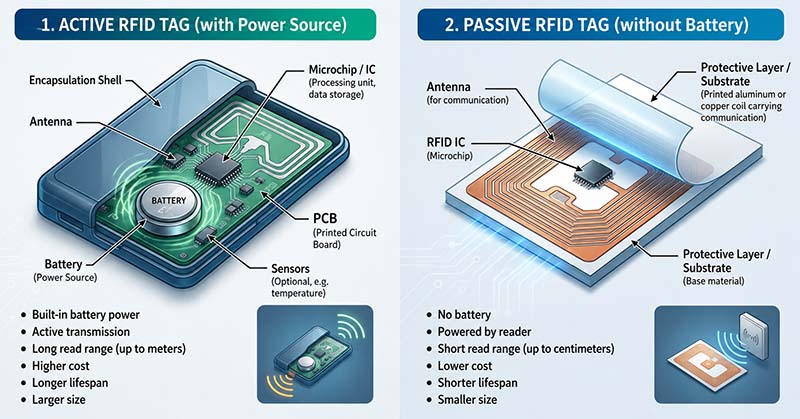
Passive RFID is the most common and cost-effective type. As detailed in the steps above, these tags do not contain a battery. They remain entirely dormant until they are illuminated by the electromagnetic field of an RFID reader. Because they rely on the reader's power, their read ranges are relatively short—typically ranging from a few inches up to 30 feet (about 10 meters) depending on the frequency. This makes them perfect for high-volume, low-cost applications like tracking apparel in a retail store, managing library books, or timing marathon runners.
Active RFID, on the other hand, operates quite differently. These tags contain their own internal power source, usually a battery. Instead of waiting for a reader to power them up, active tags continuously broadcast their own signal—much like a cell phone beaconing to a cell tower. Because they provide their own power, they boast massive read ranges, often exceeding 300 feet (100 meters), and can hold more complex sensors (like temperature or humidity monitors). They are significantly more expensive and are typically used for high-value asset tracking, such as monitoring shipping containers in a sprawling port or tracking heavy machinery on a construction site.
Deep Dive: How Does RFID Technology Work Across Frequencies?
To truly move from a beginner to a pro understanding, you must look at the electromagnetic spectrum. How RFID works is heavily dictated by the frequency band it operates on. Different frequencies interact with materials differently, affecting range, speed, and reliability.
Low Frequency (LF) - 125 to 134 kHz
LF systems operate at a very slow frequency. This means they have a short read range (usually less than 10 centimeters) and a slow data transfer rate. However, LF has a superpower: its radio waves can easily penetrate liquid and metal. Therefore, LF RFID is the global standard for animal tracking (livestock ear tags or pet microchips) and certain rugged access control systems where interference from surrounding materials is high.
High Frequency (HF) & NFC - 13.56 MHz
HF systems offer a slightly longer read range (up to 1 meter) and can process data faster. A specific subset of HF technology is Near Field Communication (NFC). If you have ever used Apple Pay or tapped a smart poster with your phone, you are using HF RFID. It is designed for secure, close-proximity data transfer, making it ideal for ticketing, payment systems, and passport security.
Ultra-High Frequency (UHF) - 860 to 960 MHz
When people talk about the RFID revolution in logistics and retail, they are talking about UHF. Operating at a high frequency allows for rapid data transfer—a single reader can scan over 1,000 UHF tags per second. It also offers excellent read ranges of up to 30 feet for passive tags. However, UHF waves bounce off metal and are absorbed by water, requiring careful system design and specialized tags when deployed in challenging environments.
Real-World Applications: Where RFID Outperforms Barcodes
Now that we know the technical details, what does RFID do in practical, everyday scenarios? The applications are virtually limitless, but a few key industries have been completely transformed by the technology.

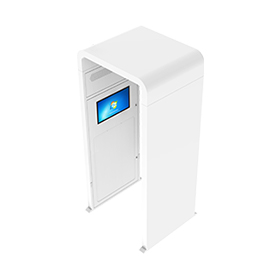
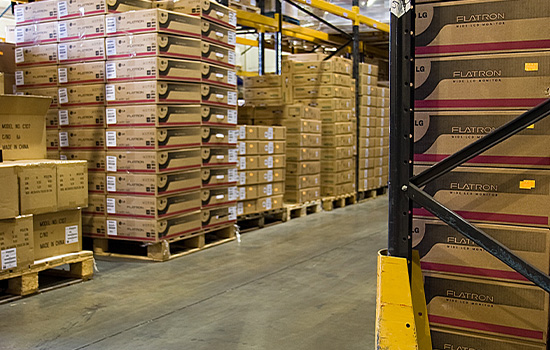
In Supply Chain and Logistics, RFID provides absolute visibility. Instead of manually scanning each box on a pallet, a forklift can drive through an RFID portal, and the system instantly registers the exact contents of all 100 boxes simultaneously. This drastically reduces human error, speeds up shipping times, and prevents lost inventory.
In Retail Inventory Management, brands like Zara and Nike use RFID to maintain near-100% inventory accuracy. Staff can walk through the store with a handheld reader, capturing the location and size of every single shirt or shoe on the floor in minutes. This enables robust omnichannel retail strategies, such as "Buy Online, Pick Up In-Store" (BOPIS), ensuring that if the website says an item is in stock, it actually is.
In Healthcare, RFID is used to track expensive medical equipment, ensure surgical tools are properly sterilized and accounted for, and even track patient movements to prevent wandering in dementia wards. It bridges the gap between physical assets and digital records seamlessly.
Security and Limitations: Is RFID Safe?
With data floating invisibly through the air, a common question arises: Is this technology secure? Understanding how does RFID work also means understanding its vulnerabilities and how engineers mitigate them.
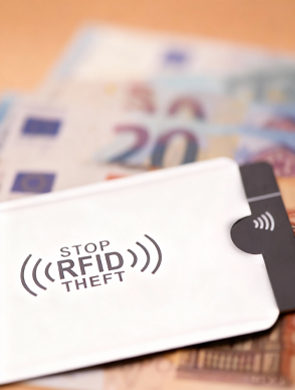
One concern is "skimming"—the idea that a malicious actor with a hidden reader could steal data from your RFID-enabled credit card or passport. While technically possible, it is highly improbable due to built-in security measures. Financial and personal RFID chips (mostly HF/NFC) employ advanced cryptographic algorithms. They do not just broadcast your credit card number; they use a one-time dynamic code for each transaction. Even if intercepted, the data is useless for future purchases.
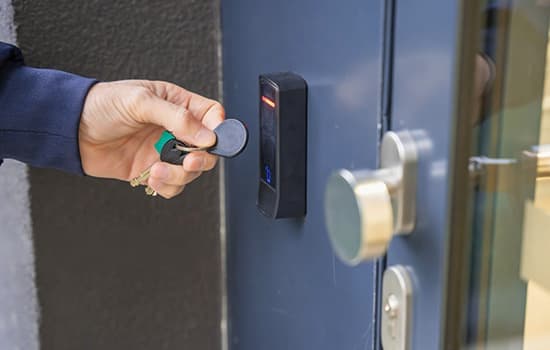
For enterprise systems, security focuses on access control. Modern UHF tags can be locked with passwords, ensuring that only authorized readers can change the data on the chip or trigger a "kill command" that permanently disables the tag once an item is sold. Furthermore, physical limitations—like the fact that radio waves can be blocked by simple Faraday cages or specialized shielding wallets—provide practical, analog ways to prevent unauthorized reading.
Frequently Asked Questions (FAQ)
1. Does RFID need Wi-Fi to work?
No, RFID does not require Wi-Fi. The communication between the tag and the reader happens entirely via local radio frequency waves. However, the reader typically needs an internet or local network connection (via Ethernet or Wi-Fi) to send the collected data to the backend database.
2. Can RFID track location like GPS?
Not exactly. GPS uses satellites to pinpoint a global location. Standard RFID provides localized tracking—it knows an item is near a specific reader at a specific time. However, by placing multiple readers in a facility, businesses can use Real-Time Location Systems (RTLS) to triangulate an item's exact position within a building.
3. What is the difference between RFID and NFC?
NFC (Near Field Communication)is actually a specialized branch of High-Frequency (HF) RFID. While standard RFID is often used to track inventory from a distance, NFC is designed for secure, two-way communication at very close ranges (usually less than 4 centimeters), such as tapping your smartphone to a payment terminal.
4. How long do RFID tags last?
Passive RFID tags have no battery and very few moving parts. As long as the microchip and antenna are not physically destroyed or exposed to conditions beyond their design limits, a passive tag can theoretically last 20 years or more, easily outliving the product it is attached to. Active tags, however, are limited by their internal batteries, which typically last 3 to 5 years.
 Prev
Prev