



























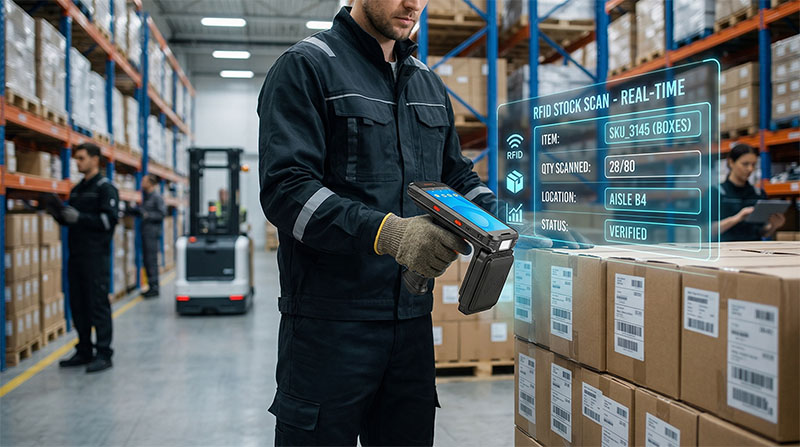
In the modern supply chain landscape, reliance on manual barcode scanning is rapidly becoming a bottleneck. Warehouses are turning to Radio Frequency Identification (RFID) to automate tracking and drastically reduce human error. However, when B2B enterprises evaluate this transition, one critical question always surfaces first: what is the actual RFID stickers cost?
Understanding the financial investment required for an RFID upgrade goes far beyond simply looking at the price tag of a single tag. Decision-makers must weigh the initial hardware and consumable expenses against the long-term, high-impact benefits of RFID system in inventory management. This comprehensive guide will break down the true unit economics of RFID tags, explore the hidden implementation costs, and demonstrate how a fully integrated system guarantees a swift return on investment (ROI) by slashing warehouse labor costs and achieving near-perfect inventory accuracy.
Breaking Down the RFID Stickers Cost: Unit vs. Hidden Expenses
When budgeting for an RFID rollout, the cost structure must be divided into direct consumable costs and indirect system costs.
The Unit Cost of RFID Chip Labels
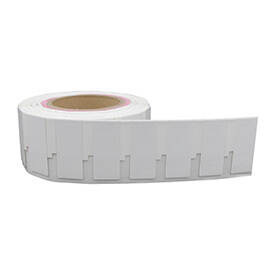
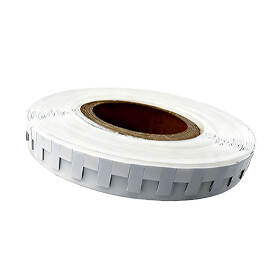
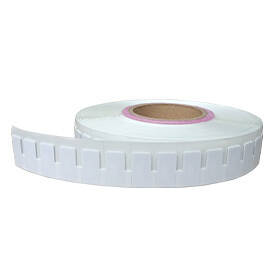
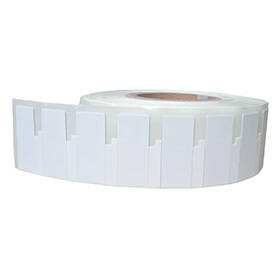
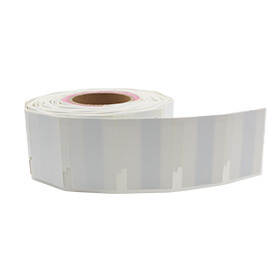
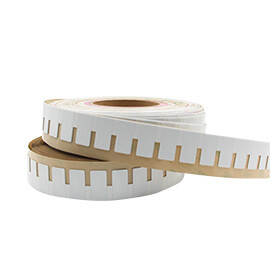
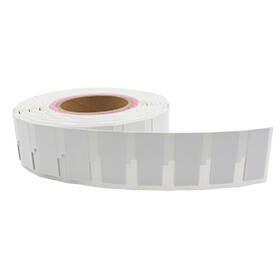
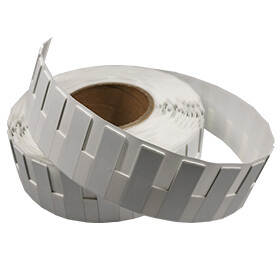
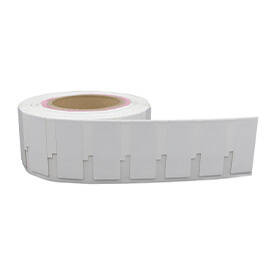
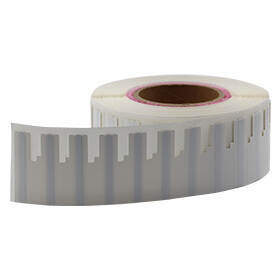
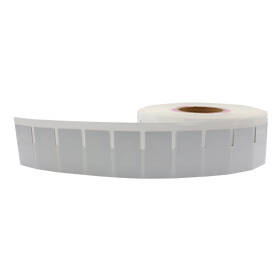
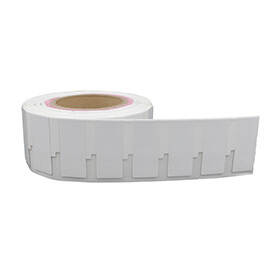
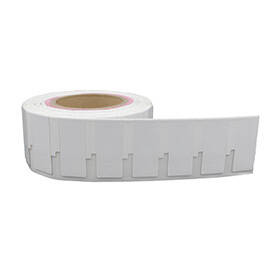
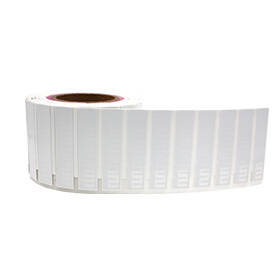
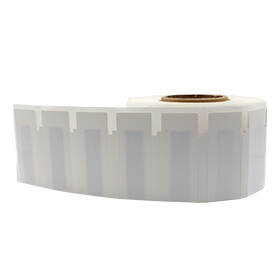
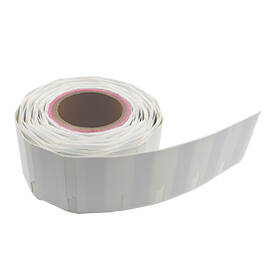
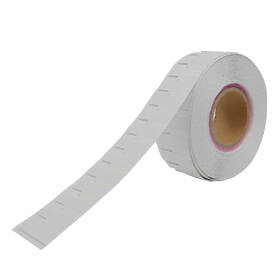
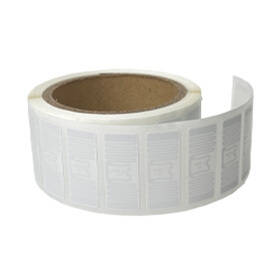
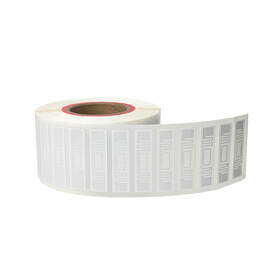
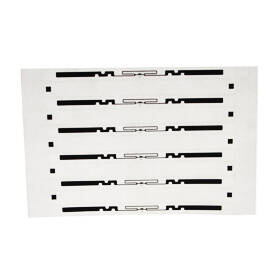
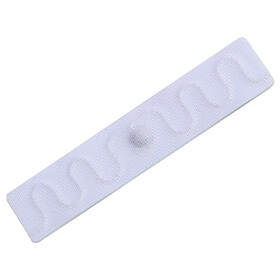
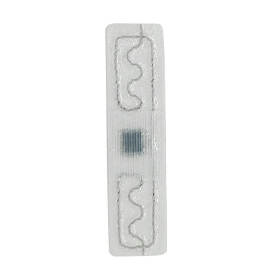
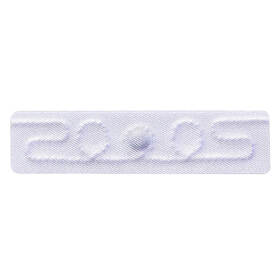
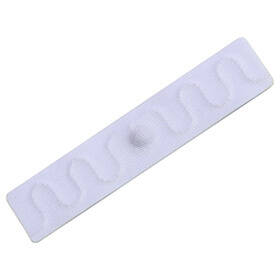
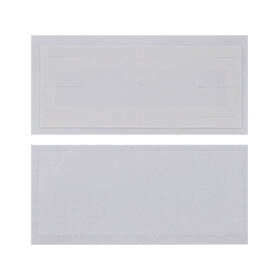
The direct RFID stickers cost varies significantly depending on the tag's frequency, memory capacity, and physical durability. Standard passive RFID chip labels, primarily used for retail apparel or standard cardboard carton tracking, are highly affordable. On average, basic passive tags cost anywhere from $0.05 to $0.15 per unit when ordered in bulk.
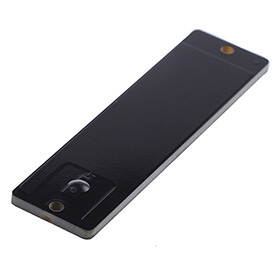
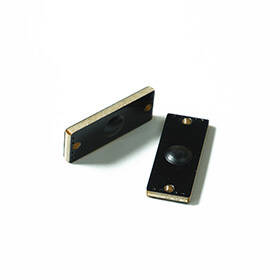
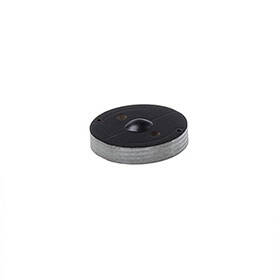
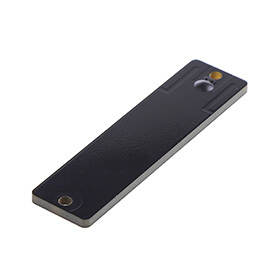
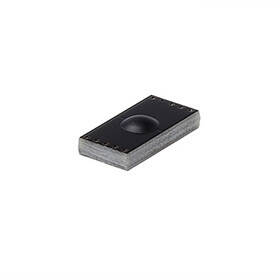
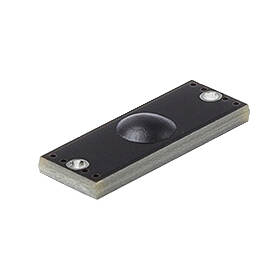
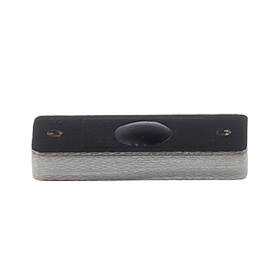
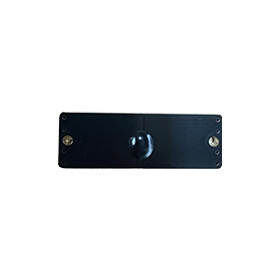
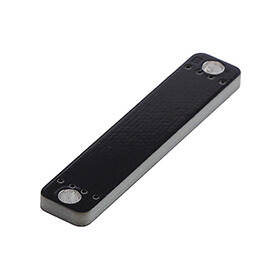
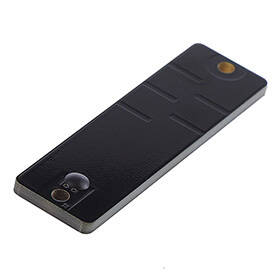
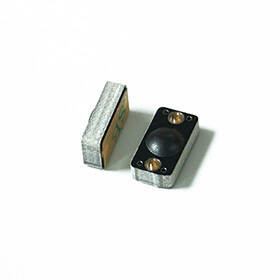
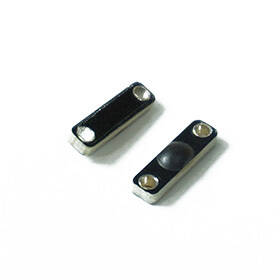
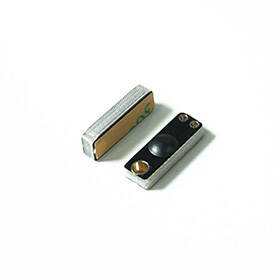
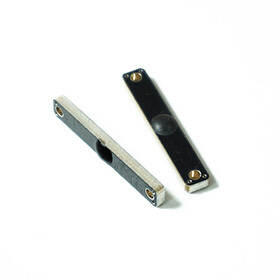
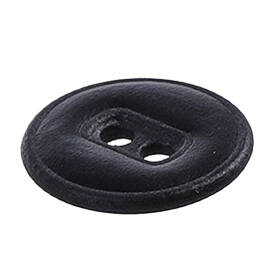
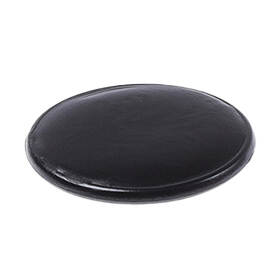
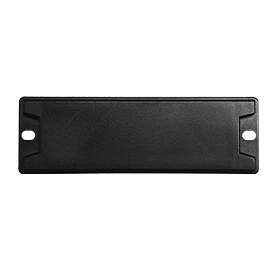
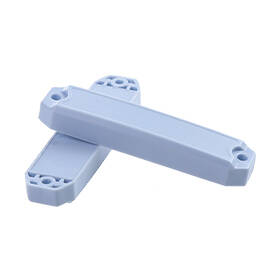
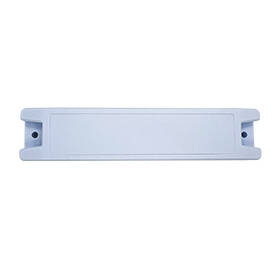
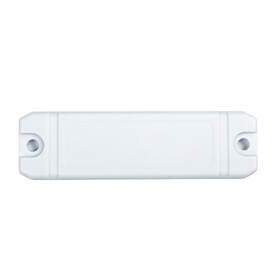
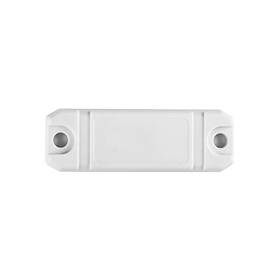
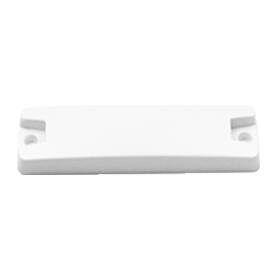
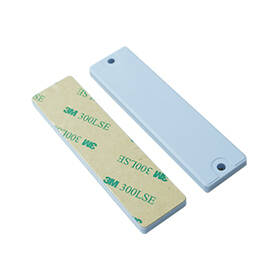
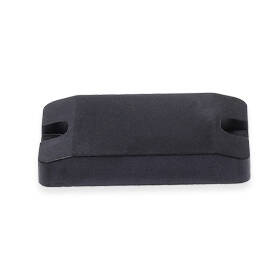
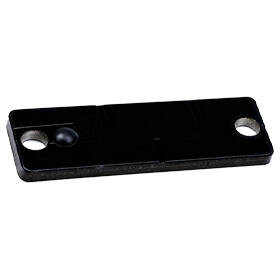
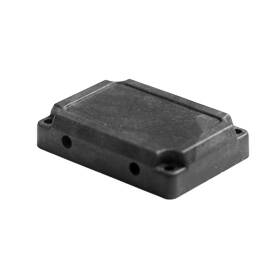
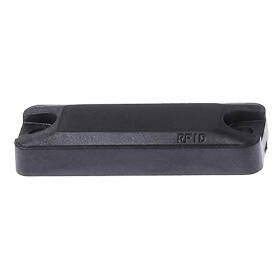
However, specialized environments demand specialized tags. If you require ruggedized tags for metal surfaces, extreme temperatures, or outdoor logistics, the cost per tag can rise to $1.00 or more. The key is matching the tag's specifications to your exact operational environment to avoid overpaying for unnecessary durability.
Hidden and Implementation Costs
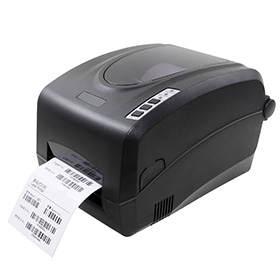
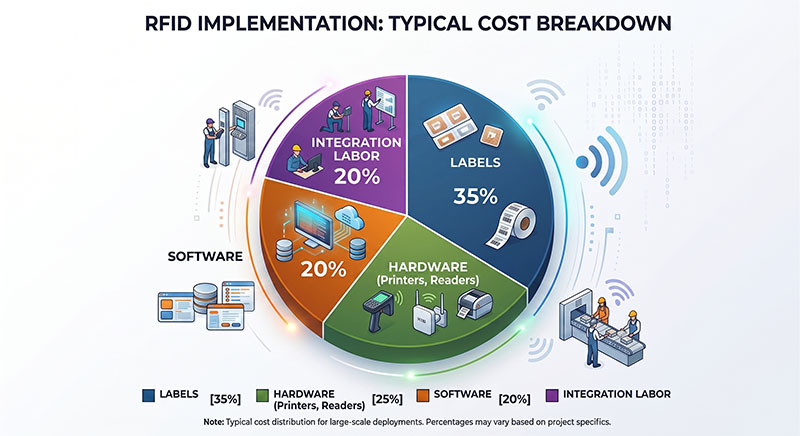
Focusing solely on the sticker price is a common pitfall. To implement a functional rfid inventory tracking system, you must also account for infrastructure. High-volume operations will require an industrial-grade rfid printer to encode and print tags on-demand, which typically ranges from $1,000 to $3,000 depending on the model.
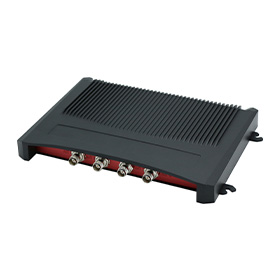
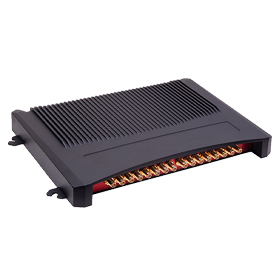
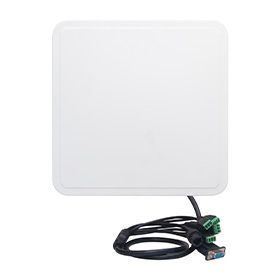
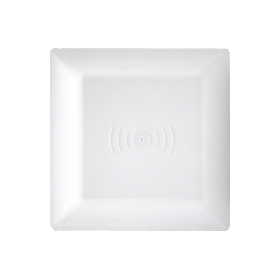
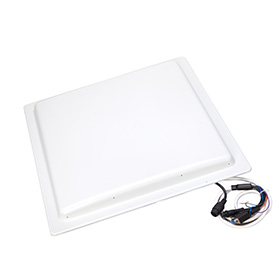
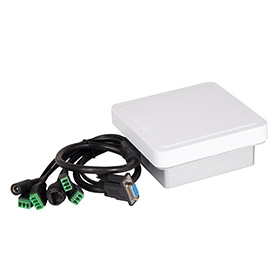
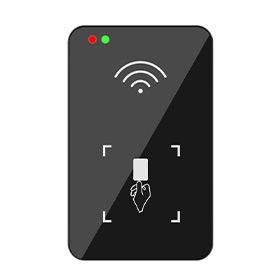
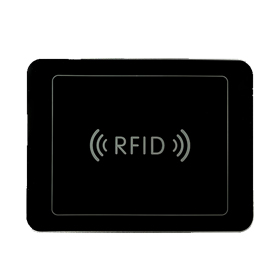
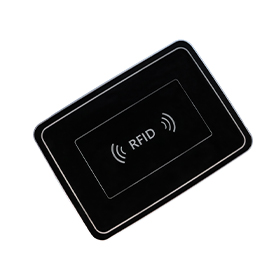
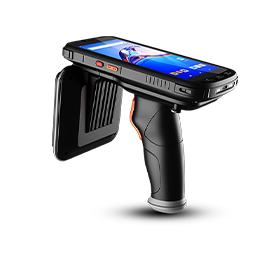
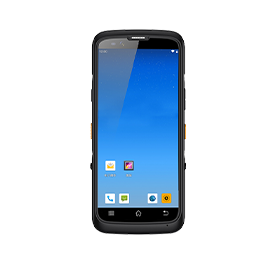
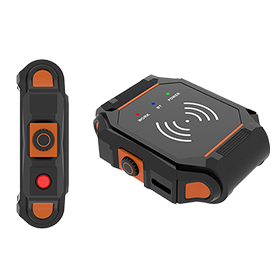
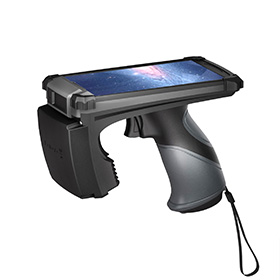
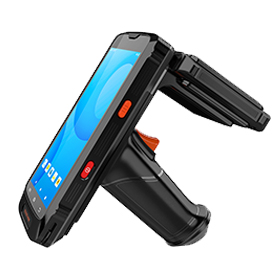
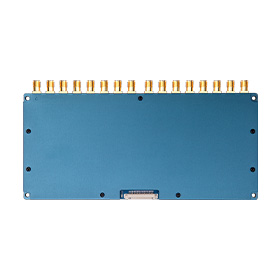
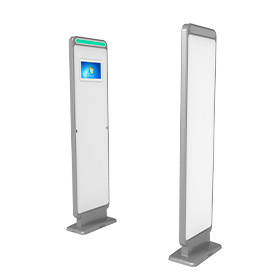
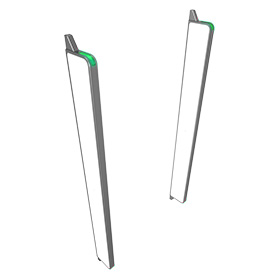
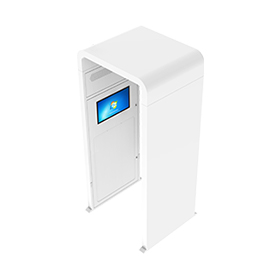
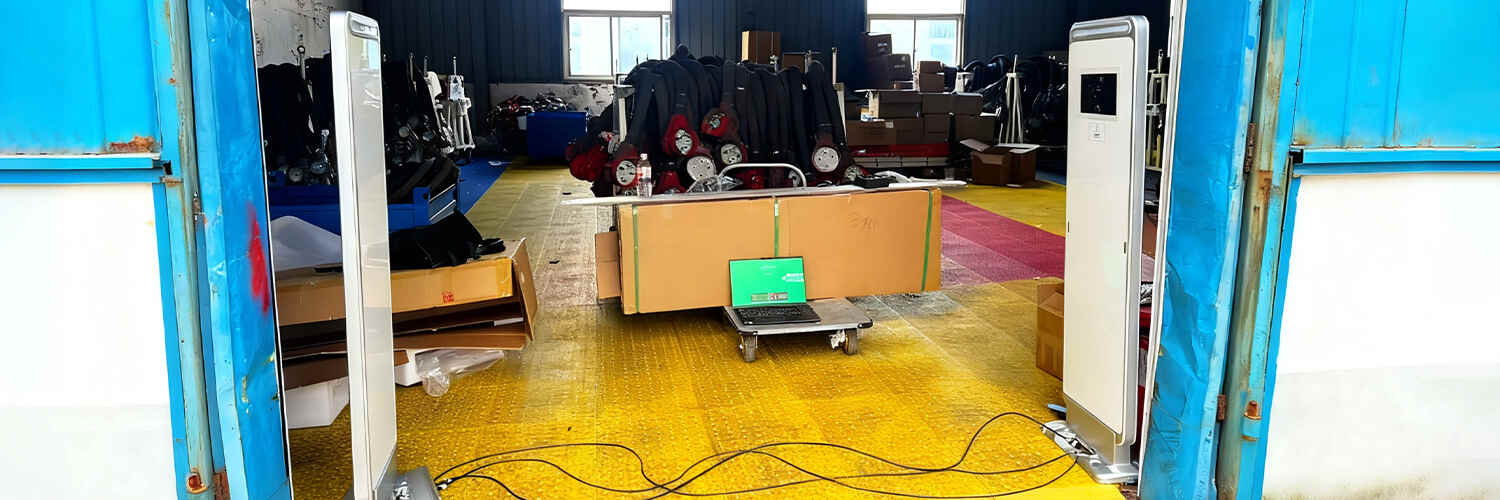
Additionally, you need fixed portal readers at dock doors, handheld sleds for manual cycle counts, and robust integration services. The cost of labor to tag existing legacy inventory during the initial rollout is another indirect expense that must be factored into your day-one budget.
Core Components of an RFID Inventory Tracking System
An effective RFID setup is a unified ecosystem. While the tags are the physical endpoints, the real magic happens when hardware and software communicate seamlessly.
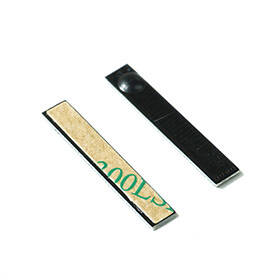
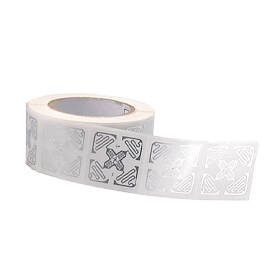
For the consumable side of your ecosystem, selecting the right high-quality RFID stickers for inventory is paramount. These stickers must feature reliable adhesives and consistent read ranges to prevent blind spots in your warehouse.
Beyond the tags, the hardware infrastructure includes your encoders and readers. An rfid printer is essential for businesses that manufacture their own goods or need to re-label incoming products from suppliers who do not use RFID. These printers allow you to write specific Electronic Product Code (EPC) data to the chip while simultaneously printing human-readable text and 1D/2D barcodes on the label's surface.
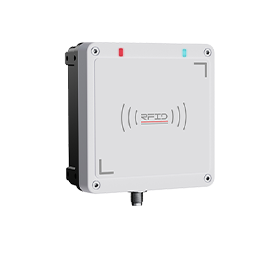
Finally, the brain of the operation is the rfid software (often integrated into a Warehouse Management System or WMS). The software processes the massive influx of data generated by bulk scans. It filters out duplicate reads, translates EPC data into actionable inventory metrics, and triggers automated alerts when stock levels drop below predefined thresholds. Without specialized middleware and software, the data collected by the readers remains raw and virtually useless.
Top Benefits of RFID System in Inventory Management
Once the initial costs are understood and the infrastructure is in place, the benefits of rfid system in inventory management rapidly offset the capital expenditure. The transformation in warehouse efficiency is measurable and immediate.
Slashing Warehousing Labor Costs
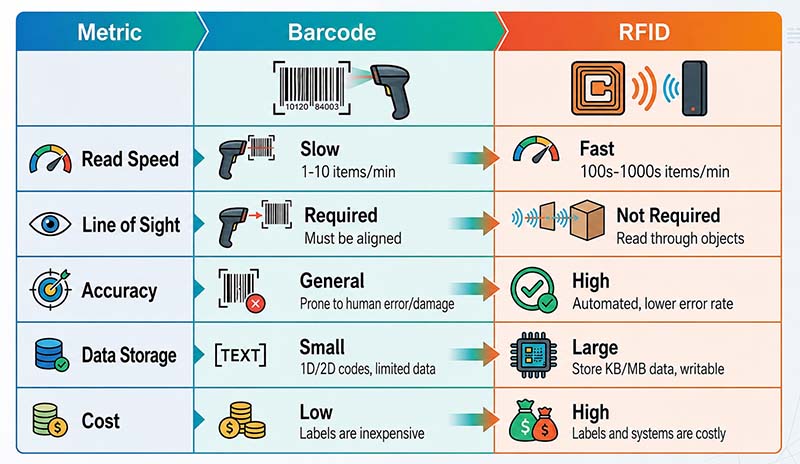
Traditional inventory management relies on line-of-sight barcode scanning. Workers must physically locate a barcode, aim the scanner, and pull the trigger for every single item. This process is intensely labor-heavy. RFID eliminates the line-of-sight requirement. A warehouse worker can walk through an aisle or drive a forklift past a pallet and capture hundreds of unique items in seconds. By drastically reducing the hours spent on routine cycle counts and receiving/shipping verification, companies can reallocate their workforce to higher-value tasks, significantly lowering operational overhead.
Achieving 99% Inventory Accuracy
Manual counts are prone to human error, often leaving warehouses with an average inventory accuracy of 65% to 75%. This leads to stockouts, emergency shipping costs, and lost sales. RFID automation systematically removes human error from the equation. Because items are tracked seamlessly as they move through read-zones (e.g., dock doors, transition areas), systems update in real-time. Businesses consistently report jumping to 99% or higher inventory accuracy within weeks of deploying an RFID system.
Mitigating Inventory Shrinkage
Shrinkage—caused by theft, misplacement, or administrative errors—costs B2B enterprises millions annually. With fixed RFID portals, an alarm or digital flag is instantly raised if an item leaves the facility without proper authorization in the WMS. This real-time traceability creates a tight chain of custody, dramatically reducing shrinkage and holding third-party logistics (3PL) partners accountable.
Why Choose a UHF RFID Label for Warehousing?
When selecting tags for a warehouse environment, understanding the difference in radio frequencies is crucial. For over 90% of supply chain and inventory applications, Ultra-High Frequency is the gold standard.
Deploying a UHF RFID label provides two massive advantages over High Frequency (HF) or Near Field Communication (NFC) alternatives: exceptional read range and high-speed bulk reading. While NFC requires a reader to be within a few centimeters of the tag, passive UHF tags can be read from 3 to 15 meters away, depending on the reader's antenna gain and the tag's inlay size.
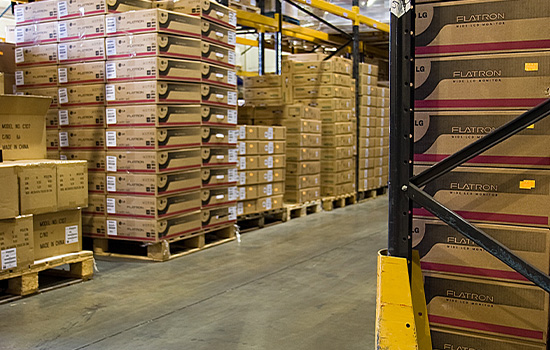
This extended range is what makes pallet-level tracking possible. A forklift carrying a mixed pallet of 500 individual cartons can drive through a warehouse dock door equipped with UHF antennas, and the system will register every single carton instantly without the driver ever stopping. This capability makes UHF the absolute best choice for fast-paced, high-volume B2B inventory tracking.
Calculating the ROI of Your RFID Investment
The ultimate justification for the RFID stickers cost lies in the Return on Investment. To calculate your ROI, you must measure your current baseline costs against the projected savings.
Start by auditing your current labor hours spent purely on inventory counting, receiving, and order verification. Multiply those hours by your fully burdened labor rate. Next, calculate your annual losses due to inventory shrinkage, stockouts, and expedited shipping caused by inaccurate data.
Compare this total financial drain against the cost of the RFID hardware, the annual rfid software licensing, and the ongoing consumable cost of RFID chip labels. In most medium-to-large warehousing operations, the reduction in labor hours and the near-elimination of shrinkage result in an ROI within 9 to 18 months. As the volume of tracked goods increases, the cost-per-scan decreases, making the financial case for RFID even stronger.
Frequently Asked Questions (FAQ)
Q: Are RFID tags reusable, or do I have to keep buying them?
A: Hard plastic or metal-mount RFID tags are often designed to be reusable and can be rewritten thousands of times. However, standard paper-based RFID chip labels used on shipping cartons are typically single-use and are factored in as a recurring consumable cost.
Q: Do I need to replace my current WMS to use an RFID inventory tracking system?
A: Not necessarily. Most modern rfid software and middleware are designed to integrate seamlessly with standard WMS platforms via APIs. The middleware handles the heavy lifting of processing the radio signals and simply pushes clean data into your existing system.
Q: What happens if an RFID tag gets wet or damaged?
A: Standard paper labels can fail if severely water-damaged or physically torn. However, if your environment is harsh, you can invest in encapsulated or ruggedized tags that are waterproof, chemical-resistant, and built to withstand extreme industrial conditions.
Q: Can a standard barcode printer print RFID tags?
A: No. You must use a dedicated rfid printer. These printers contain an integrated RFID encoder that writes data to the microchip inside the label just before printing the visible barcode and text on the outside.
 Prev
Prev