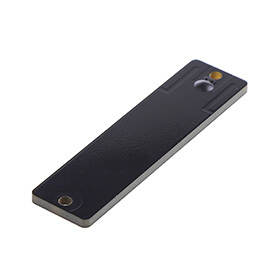
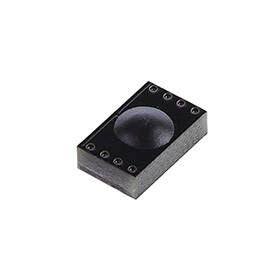
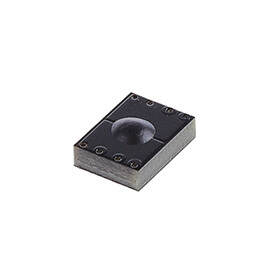
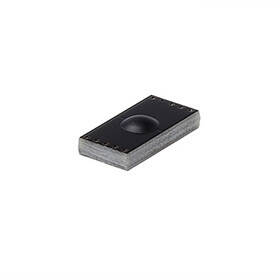
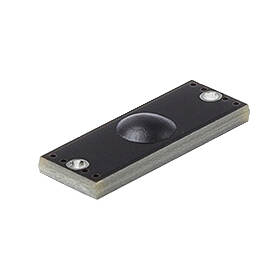
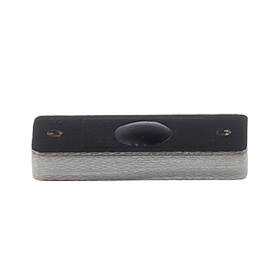
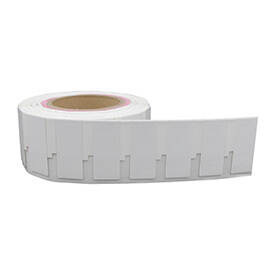
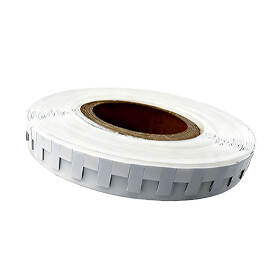
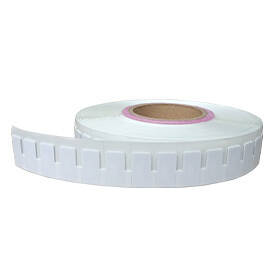
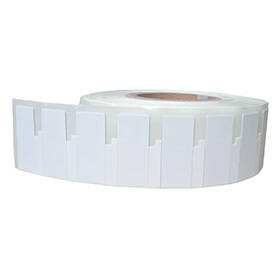
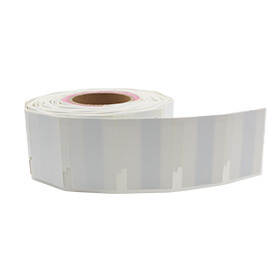
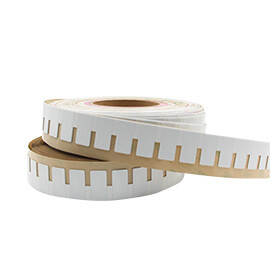
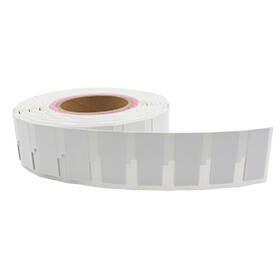
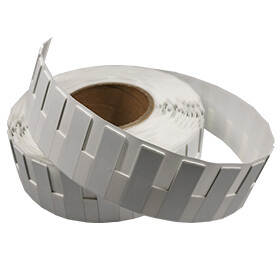
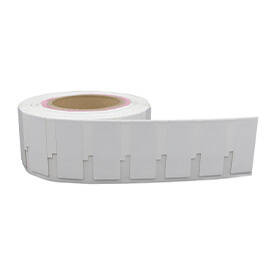
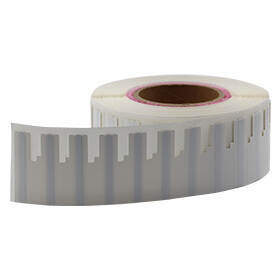
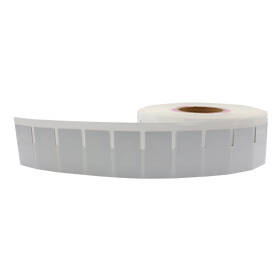
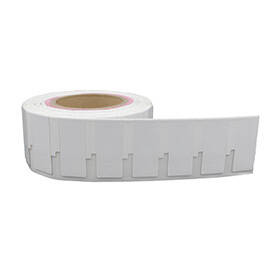
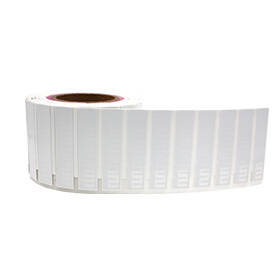
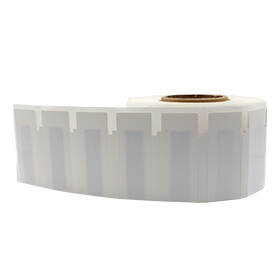
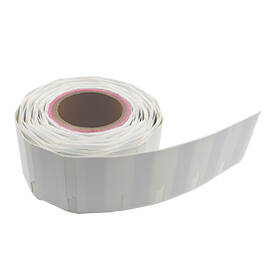
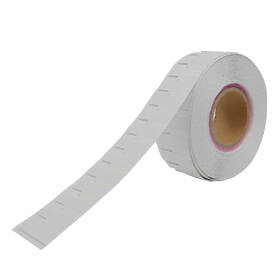
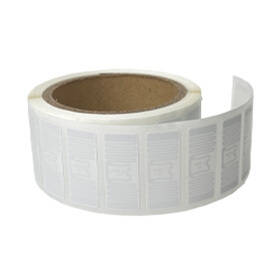
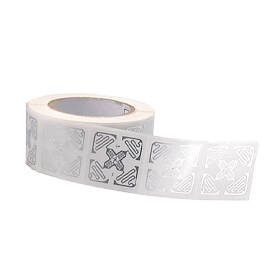
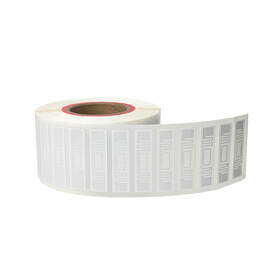
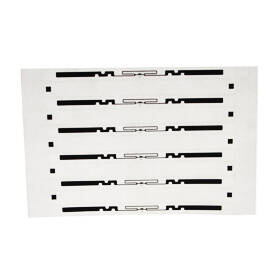
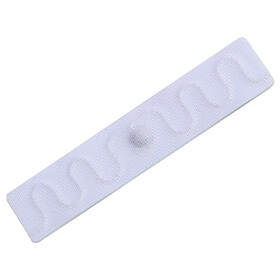
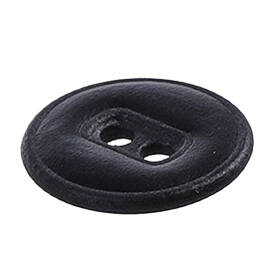

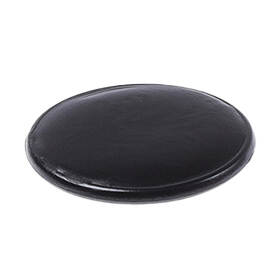


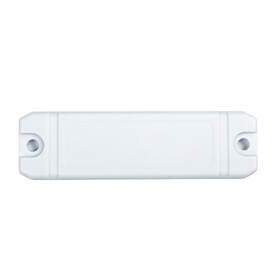
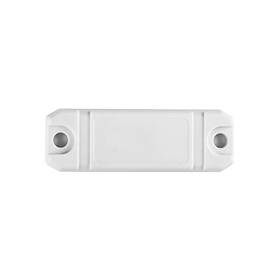
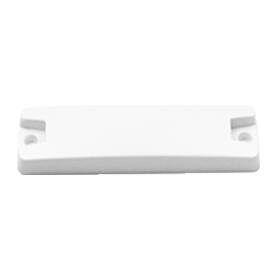
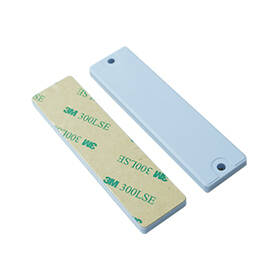








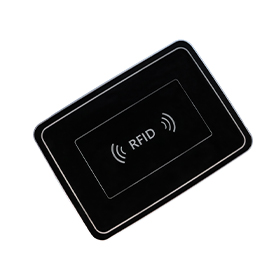
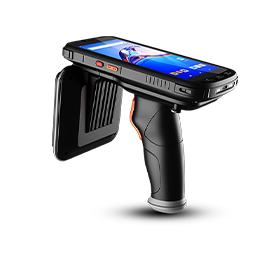
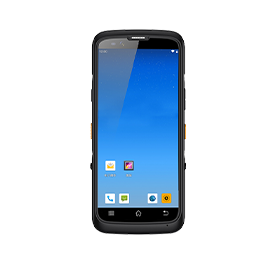
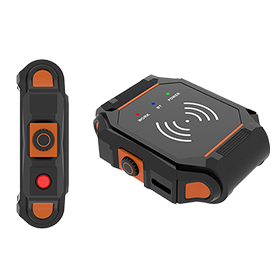


















If you are looking to modernize your business operations, streamline inventory, or enhance security, you have likely encountered the term RFID. But what are radio frequency identification tags, exactly?
In today's fast-paced global supply chain, relying on manual counts and line-of-sight scanning is no longer sufficient. Radio Frequency Identification (RFID) has emerged as the backbone of modern asset tracking, transforming how industries from manufacturing to retail manage their physical assets. Whether you are tracking a shipping container across Europe or managing thousands of components in a manufacturing facility, understanding this technology is the first step toward operational excellence.
This comprehensive guide will explain everything you need to know about RFID tags, how they function, the different types available, and how they compare to older technologies like barcodes.
What Does RFID Stand For and What is an RFID Chip?
To understand the technology, we must first break down the terminology. What does RF ID stand for? It stands for Radio Frequency Identification. It is a form of wireless communication that incorporates the use of electromagnetic or electrostatic coupling in the radio frequency portion of the electromagnetic spectrum to uniquely identify an object, animal, or person.
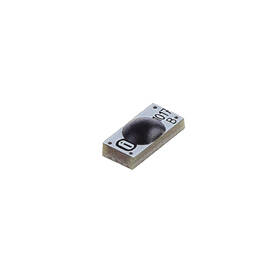
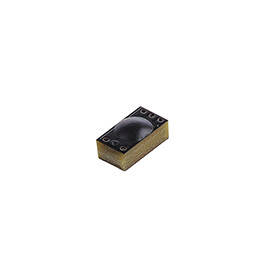
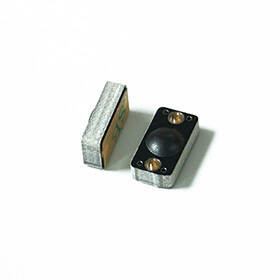
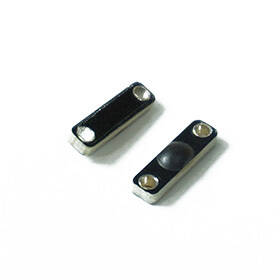
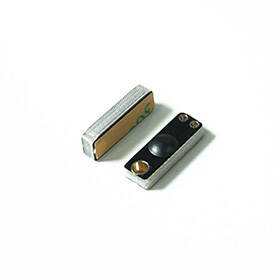
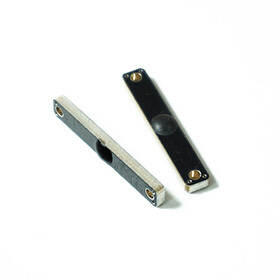
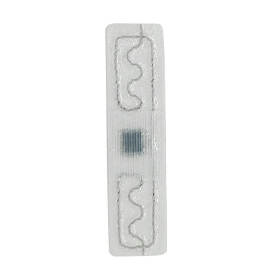
At the very heart of this system is the tag itself. So, what is a RFID chip? An RFID tag (also known as a transponder) consists of two main components:
1. The RFID Chip (Integrated Circuit): This microscopic chip is responsible for storing and processing information, modulating and demodulating a radio-frequency (RF) signal, and handling other specialized functions. It acts as the brain of the tag, holding the unique identifier (such as an EPC - Electronic Product Code) and sometimes additional data.
2. The Antenna: The chip is attached to an antenna, which is responsible for receiving the signal from the reader and transmitting the data back. The size and shape of the antenna determine the tag's read range and performance.
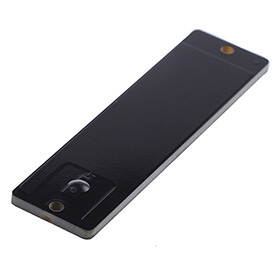
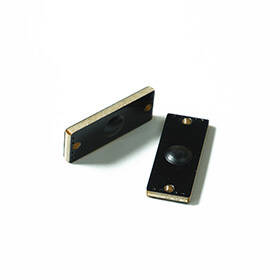
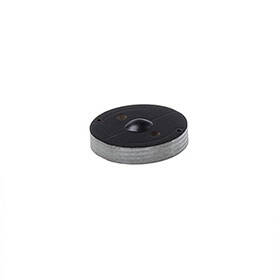
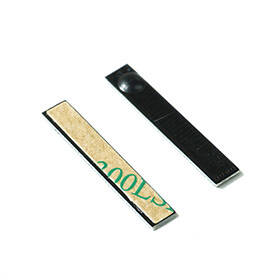
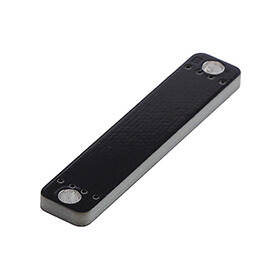
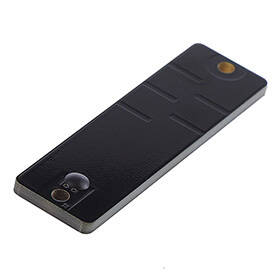
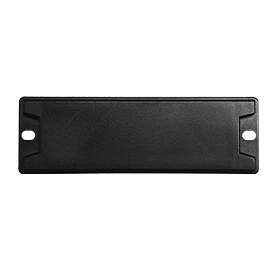
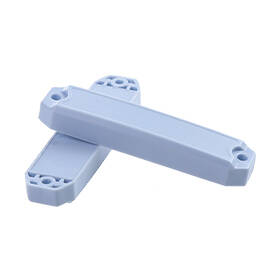
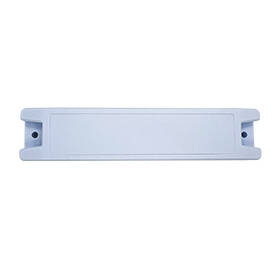
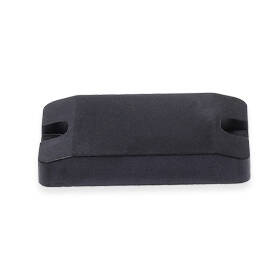
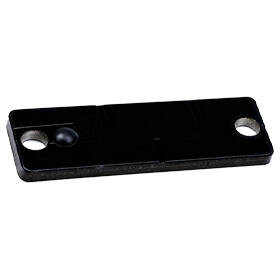
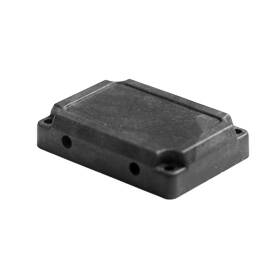
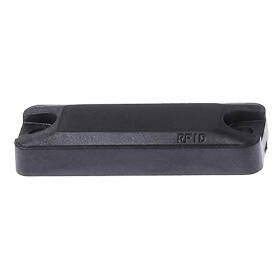
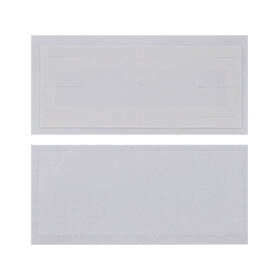
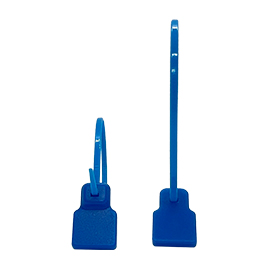
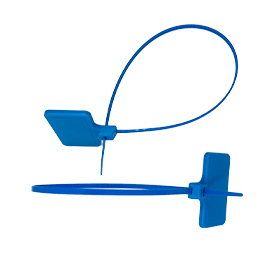
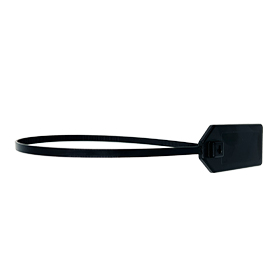
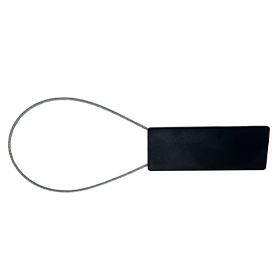
These two components are typically mounted on a substrate and encased in protective materials—ranging from simple paper labels to rugged, weather-resistant plastic casings designed for harsh industrial environments.
How RFID Tag Technology Works
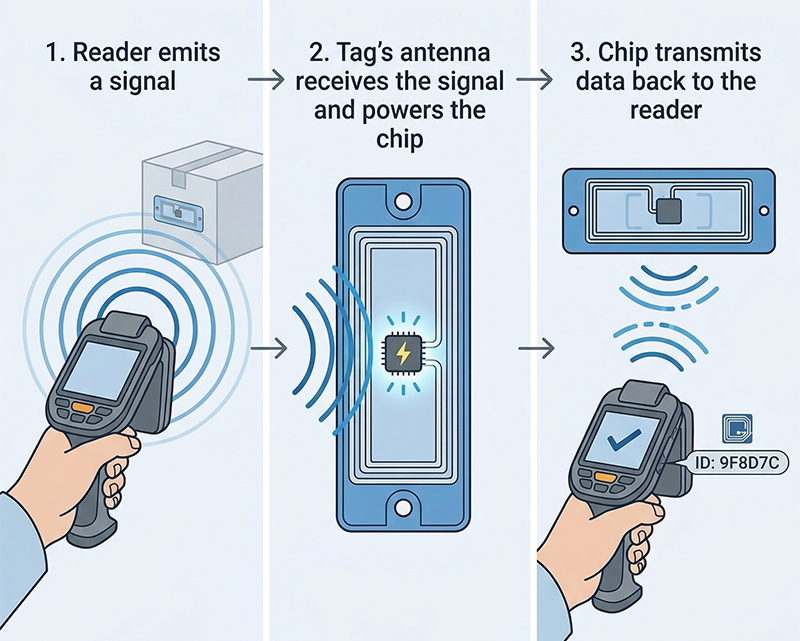
The core of RFID tag technology relies on a seamless communication loop between three essential components: the tag, the reader (interrogator), and the backend software system.
Here is the step-by-step working principle:
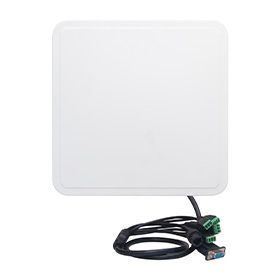
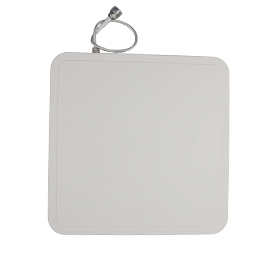
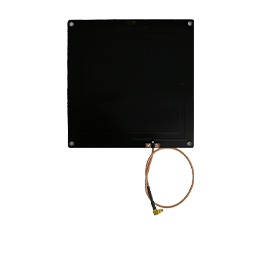
1. Signal Emission: The RFID reader contains an antenna that emits radio waves continuously or on command.
2. Energy Harvesting and Activation: When an RFID tag enters the electromagnetic zone created by the reader, the tag's antenna captures these radio waves. In many systems, this energy is actually used to power up the microchip inside the tag.
3. Data Transmission: Once activated, the tag modulates the radio waves and reflects a signal back to the reader. This process is known as backscatter.
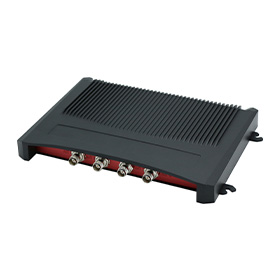
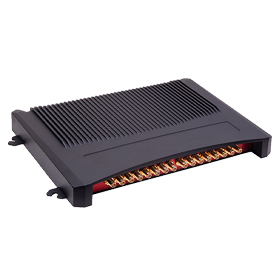
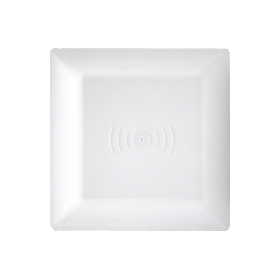
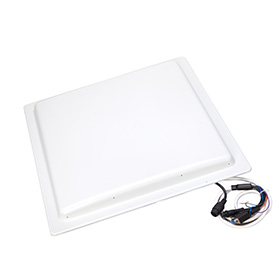
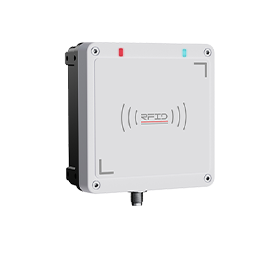
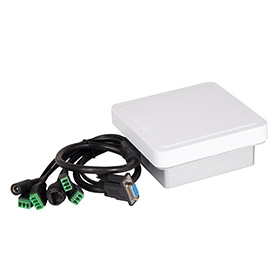
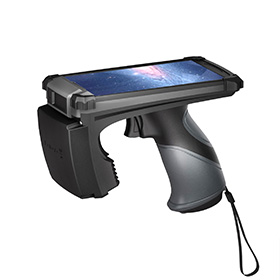
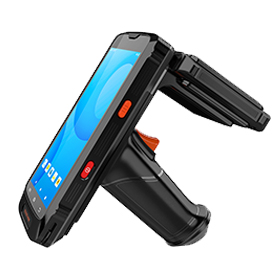
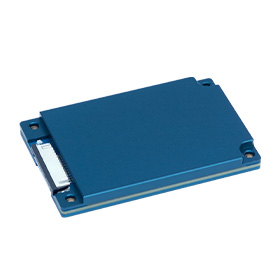
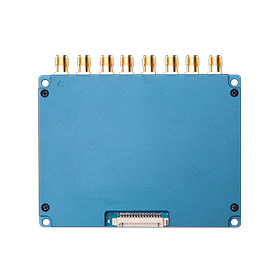
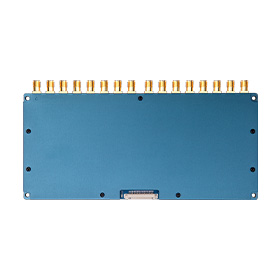
4. Data Processing: The long range RFID tag reader captures this returning signal, decodes the information, and sends it to a host computer system or database for immediate processing and action.
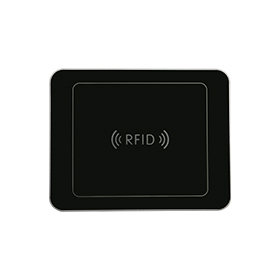
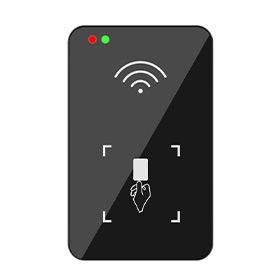
Unlike traditional optical scanners, a high-quality long range RFID tag reader does not require a direct line of sight to the tag. Depending on the frequency and type of tag, a reader can capture data from tags hidden inside boxes, behind walls, or moving rapidly on a forklift, identifying hundreds of items per second with near-perfect accuracy.
Types of RFID Tags: Active, Passive, and Frequencies
"For enterprise-grade hardware, explore the durable tag solutions provided by Shenzhen Guzhiyuan Technology Co., Ltd. designed for complex industrial environments."
Not all tags are created equal. Choosing the right tag depends heavily on your specific use case, environment, and required read range. The industry primarily divides tags into two main power categories, followed by the frequency ranges they operate on.
Passive RFID Tags
Passive RFID tags are the most common and cost-effective type of tags on the market. They do not have their own internal power source (no battery). Instead, they draw all the power they need to operate directly from the electromagnetic field generated by the RFID reader.
·Pros: Very affordable, small footprint, theoretically infinite lifespan (since there is no battery to die).
·Cons: Shorter read ranges compared to active tags, requires a more powerful reader.
Active RFID Tags
Unlike their passive counterparts, active RFID tags feature their own internal battery. This onboard power source continuously broadcasts the tag's signal, much like a cell phone transmitting to a cell tower.
·Pros: Extremely long read ranges (sometimes over 100 meters), ideal for tracking large, high-value assets across expansive areas like shipping yards or large manufacturing plants.
·Cons: Higher cost, larger physical size, and a finite lifespan (typically 3 to 5 years depending on the battery).
Understanding UHF RFID
Frequency plays a critical role in performance. UHF RFID (Ultra-High Frequency, typically 860-960 MHz) is the global standard for supply chain and inventory tracking. UHF tags offer a fast data transfer rate and an excellent read range (often up to 12 meters or more for passive tags), making them the go-to choice for pallet tracking, retail inventory, and industrial logistics.
Top Applications of RFID Technology in Business
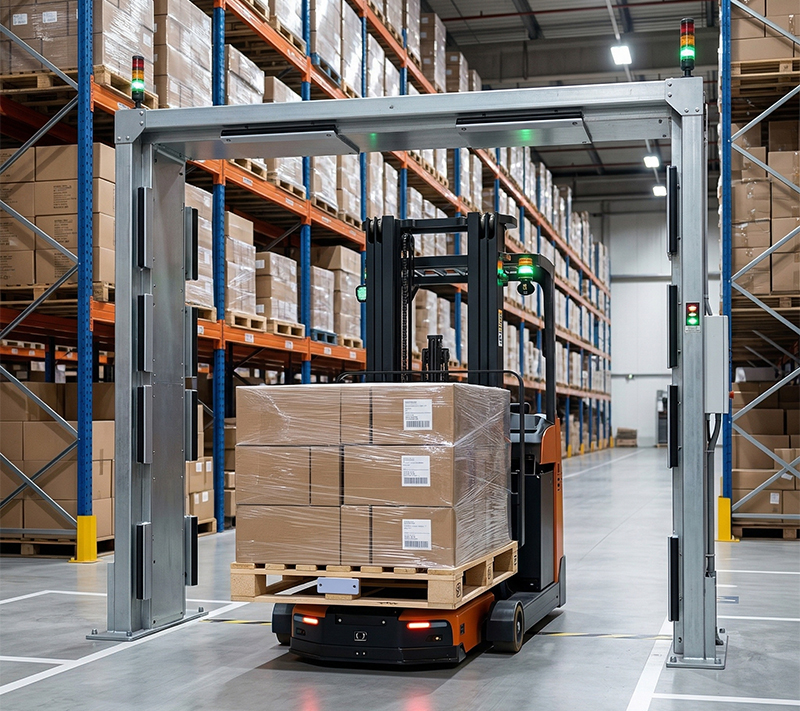
The true value of this technology becomes clear when you look at its real-world applications. Modern enterprises are moving away from manual processes and embracing automation.
RFID Warehouse Management System
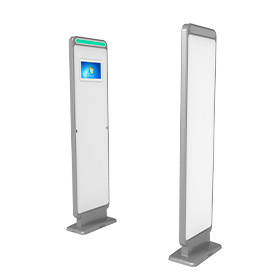
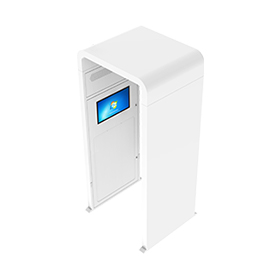
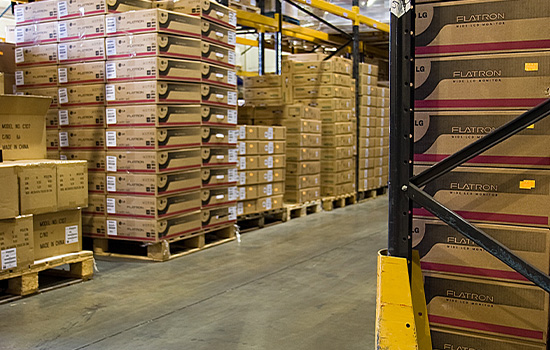
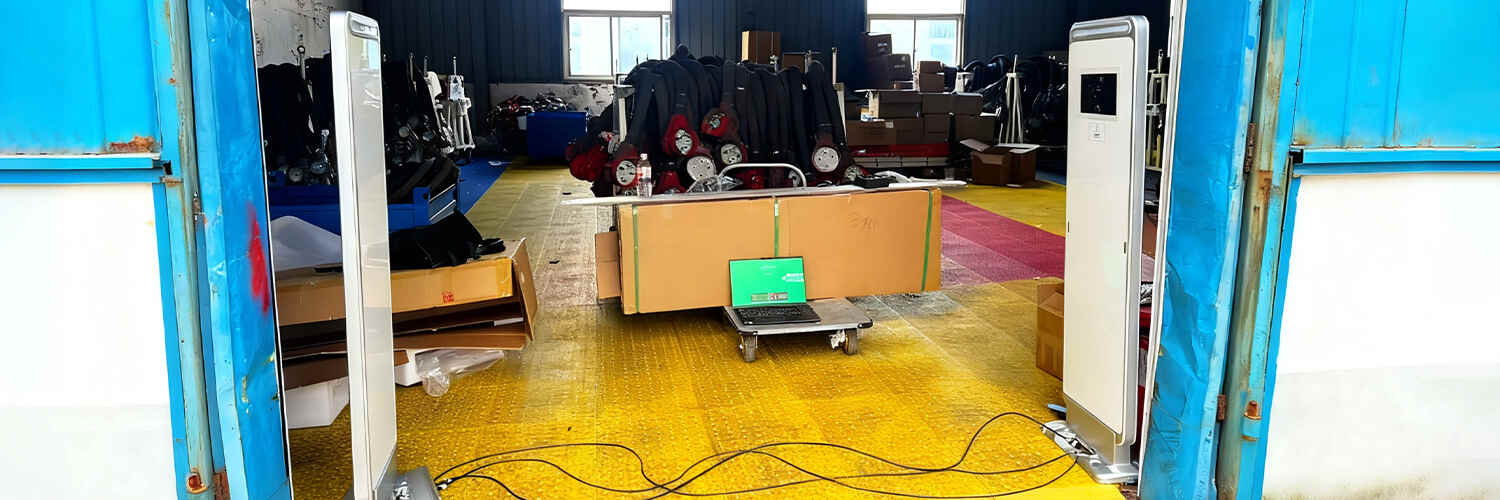
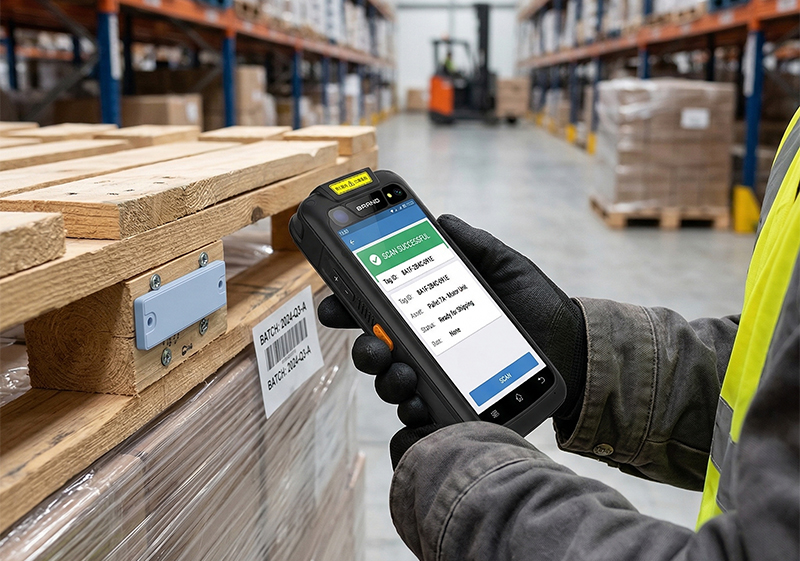
Warehouses are high-speed, high-volume environments. Implementing an RFID warehouse management system allows companies to automate inbound and outbound logistics. When pallets equipped with tags pass through dock doors outfitted with readers, the system instantly verifies the shipment, updates stock levels, and flags any discrepancies without a human ever opening a box. This drastically reduces receiving time and eliminates human error.
RFID Tags for Asset Tracking
From IT equipment (laptops, servers) in corporate offices to heavy machinery on construction sites, maintaining visibility of valuable assets is crucial. Using RFID tags for asset tracking allows businesses to perform rapid audits. Instead of spending days manually checking serial numbers, an employee can walk through a facility with a handheld reader and audit thousands of assets in minutes.
RFID Inventory Tracking System
Retailers and manufacturers alike rely on the RFID inventory tracking system to maintain optimal stock levels. In retail, this ensures that the right products are always on the shelf, preventing out-of-stock scenarios that cost sales. In manufacturing, it guarantees that raw materials are available on the production line precisely when needed, supporting just-in-time (JIT) manufacturing principles.
The Core Benefits: Efficiency and the RFID Security System
While inventory accuracy is the most touted benefit, the advantages extend far beyond just counting items.
1. Massive Time Savings: The ability to read hundreds of tags simultaneously, without line-of-sight, turns inventory counts that used to take weekends into tasks that take mere hours.
2. Labor Cost Reduction: Automation reduces the need for manual data entry and repetitive scanning, freeing up your workforce for higher-value tasks.
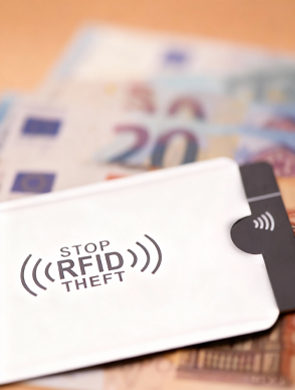
3. Enhanced Security: An integrated RFID security system can prevent theft and unauthorized access. High-value goods can be tagged, and if they move past a designated exit portal without being properly checked out in the system, alarms can be triggered instantly. Furthermore, advanced chips offer encrypted data, ensuring that the information on the tag cannot be easily cloned or tampered with by counterfeiters.
RFID vs. Other Technologies: Barcodes and NFC
It is common to confuse RFID with other data capture technologies. Here is how it compares to the alternatives.
RFID Barcode Comparison
The debate between an RFID barcode system often comes down to cost versus capability.
·Line of Sight: Barcodes require a direct, unobstructed line of sight to be read by an optical scanner. RFID tags can be read through boxes, plastic, and even wood.
·Speed: You must scan barcodes one at a time. An RFID reader can capture hundreds of tags simultaneously.
·Durability: A scratched or torn barcode is unreadable. RFID chips are encased in protective layers and can survive harsh environments, chemicals, and extreme temperatures.
·Data Capacity: Barcodes hold a static set of data (like a product class). RFID tags can hold unique item-level data and, in some cases, can be rewritten and updated dynamically.
RFID and NFC
When discussing RFID and NFC (Near Field Communication), it is important to note that NFC is actually a specialized subset of RFID.
·NFC operates strictly at the High Frequency (HF) 13.56 MHz.
·The primary difference is the range. NFC is designed for secure, very close-range communication (usually within a few centimeters). It is the technology behind contactless smartphone payments (like Apple Pay) and secure access badges.
·While NFC is great for one-to-one secure data exchange, standard UHF RFID is superior for bulk inventory and long-range asset tracking.
Frequently Asked Questions (FAQ)
Can an RFID tag be tracked anywhere like GPS? No. Unlike GPS devices which communicate with satellites, passive tags only transmit data when they are within the electromagnetic field of a specific reader (usually within a few meters). They do not broadcast a continuous global location.
How much does an RFID tag cost? The cost varies widely based on the type. Simple passive UHF labels can cost as little as a few cents each when bought in high volumes, whereas ruggedized active tags with batteries can cost between $15 and $50+ each.
Do RFID tags need Wi-Fi to work? The communication between the tag and the reader uses radio waves, not Wi-Fi. However, the reader itself often requires a Wi-Fi, Ethernet, or cellular connection to transmit the gathered data back to your central management software.
Are RFID systems safe from hackers? Modern systems employ robust encryption and password protection features. While no system is 100% immune, using standard security protocols makes unauthorized cloning or reading of industrial tags extremely difficult.
"Ready to implement a robust tracking system for your global supply chain? Contact our experts today to find the perfect tag for your project requirements."
 Prev
Prev