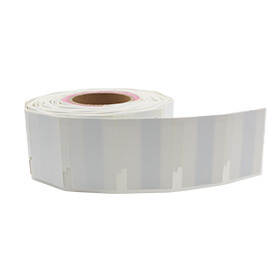
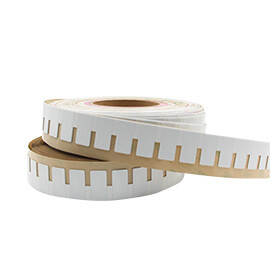
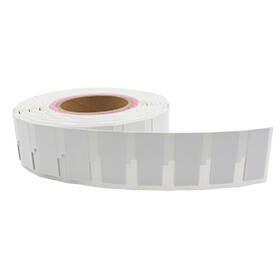
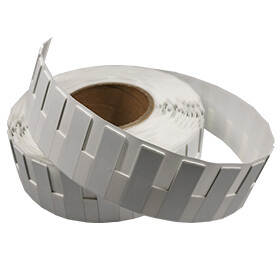
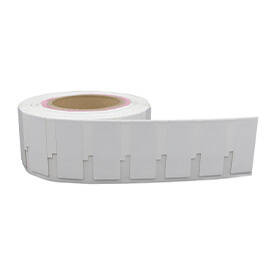
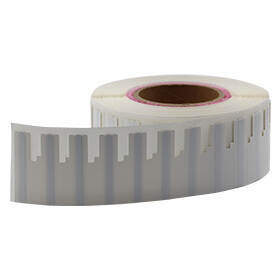
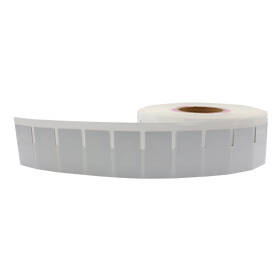
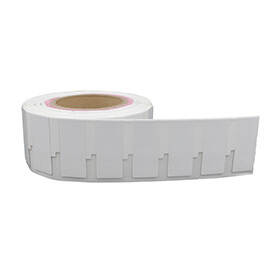
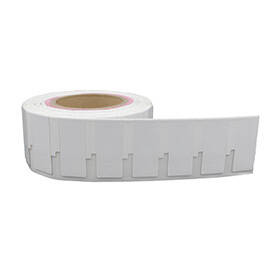
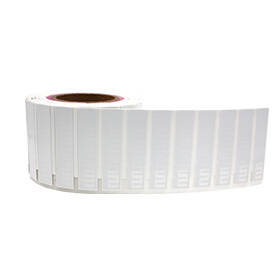
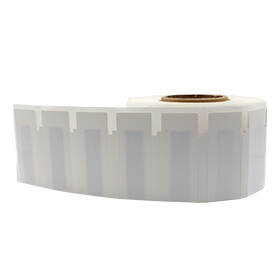
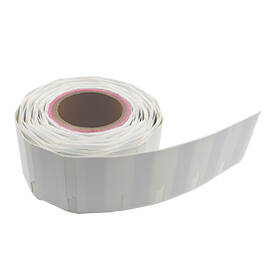
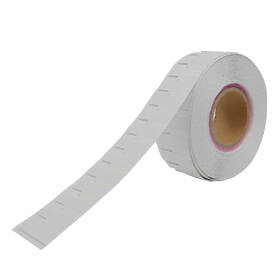
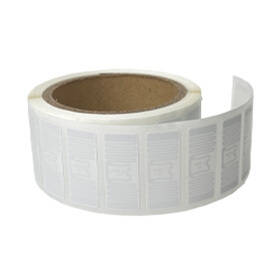
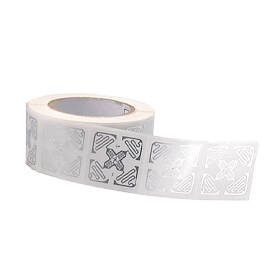
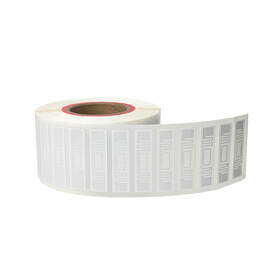
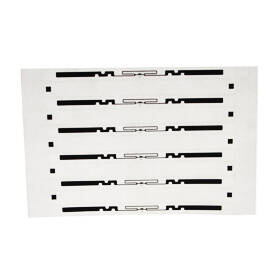
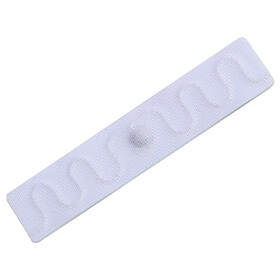
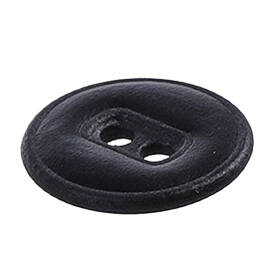
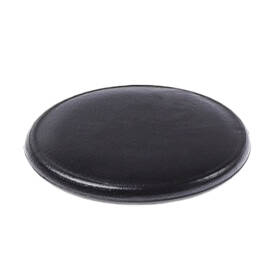
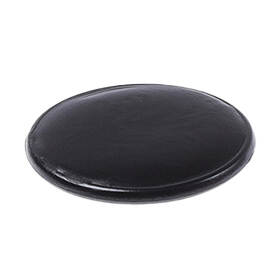
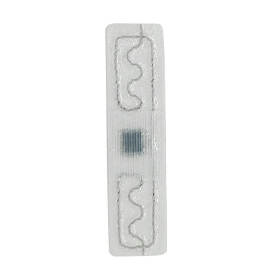
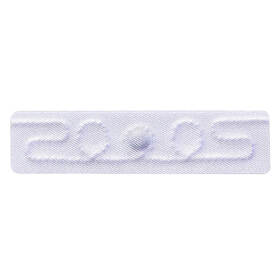
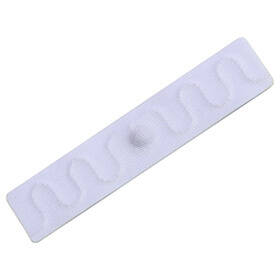
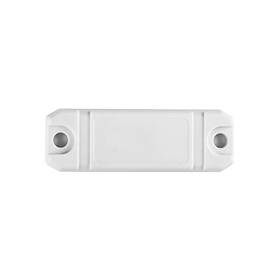
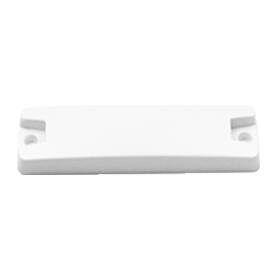
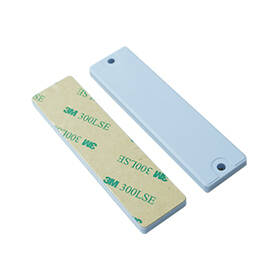
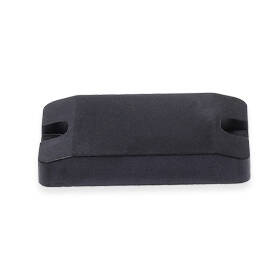
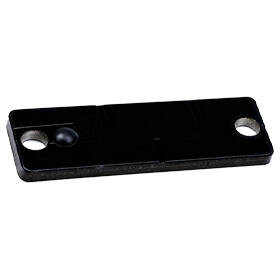
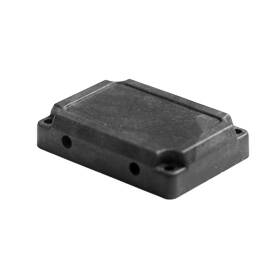
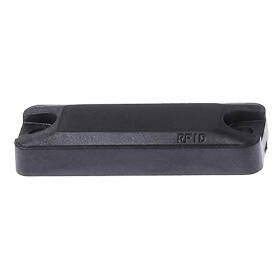
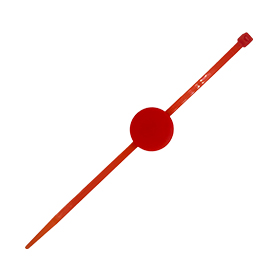























In today's fast-paced supply chain and inventory management environment, businesses are constantly seeking more efficient ways to monitor their assets. Whether you are managing a warehouse in Europe or streamlining retail operations globally, the transition from traditional barcodes to advanced smart labeling is inevitable. At the heart of this transformation is the RFID sticker.
This comprehensive guide will explore everything you need to know about these highly versatile labels, from understanding the core components to choosing the right specifications for your business needs.
What Exactly is an RFID Sticker?
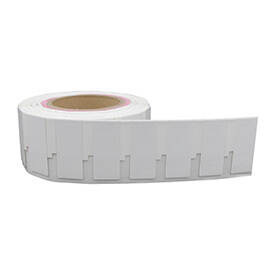
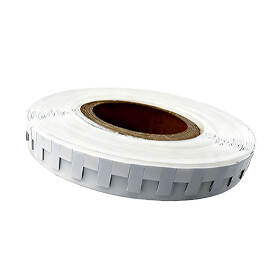
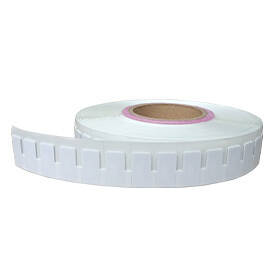
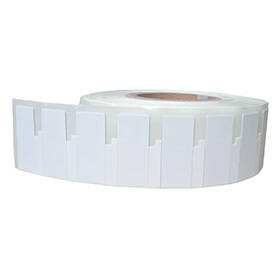
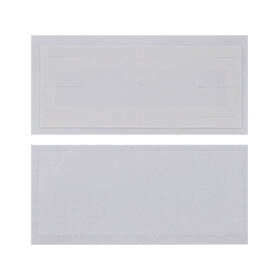
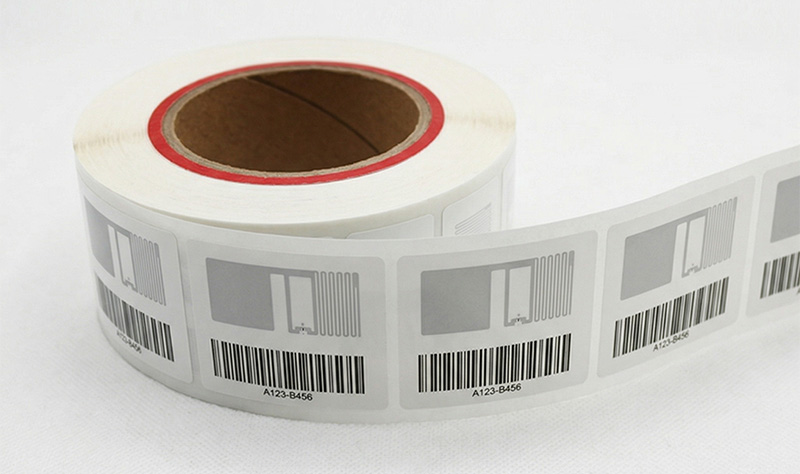
An RFID sticker (Radio Frequency Identification sticker) is a smart label equipped with an inlay that communicates via radio waves. Unlike traditional barcodes that require a direct line of sight to be scanned by an optical reader, these smart stickers can be read from a distance, in bulk, and even through packaging.
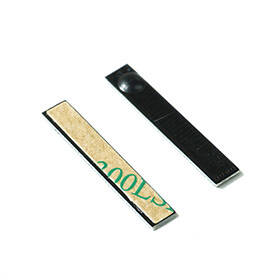
Often referred to interchangeably as RFID labels, these stickers combine the printable surface of a standard adhesive label with the tracking power of RFID technology. They typically consist of three layers:
1. The Face Material: Paper or synthetic material (like PET) where barcodes, logos, and human-readable text can be printed.
2. The RFID Inlay: The core technology comprising the microchip and the antenna.
3. The Adhesive: The backing that allows the label to be firmly attached to various surfaces, from cardboard boxes to plastic pallets.
Because RFID stickers are thin, flexible, and capable of being run through standard RFID printers, they are the most cost-effective and widely adopted form factor for high-volume inventory management. They bridge the gap between physical items and digital tracking software seamlessly.
The Anatomy of an RFID Chip Sticker: How It Works
To truly understand the value of these smart labels, it’s essential to look inside an RFID chip sticker. The performance of the label is entirely dependent on its internal components.
The "brain" of the label is the Integrated Circuit (IC), commonly known as the chip. This microchip is responsible for storing the unique identification data of the item it is attached to (such as an EPC - Electronic Product Code). When an RFID reader emits a radio wave, the antenna within the sticker captures this energy, powers up the chip, and transmits the stored data back to the reader.
Choosing the right RFID chip sticker depends on memory requirements and security needs. Some chips only store a basic ID number, which is perfectly sufficient for standard retail apparel or warehouse logistics. Other, more advanced chips offer larger user memory banks, password protection, and encryption features, which are vital for anti-counterfeiting measures in pharmaceuticals or high-value electronics.
By integrating a high-performance chip into a flexible, adhesive format, businesses get a powerful tracking device that takes up virtually no space.
Why the UHF RFID Sticker is the Industry Standard for Asset Tracking
When diving into the world of smart labeling, you will encounter different frequency bands: Low Frequency (LF), High Frequency (HF/NFC), and Ultra-High Frequency (UHF). For enterprise-level asset tracking, the UHF RFID sticker reigns supreme.
UHF (typically operating between 860 MHz and 960 MHz) is defined by the global EPCglobal Gen2 standard. This frequency band offers several critical advantages that make it the go-to choice for logistics and supply chain management:
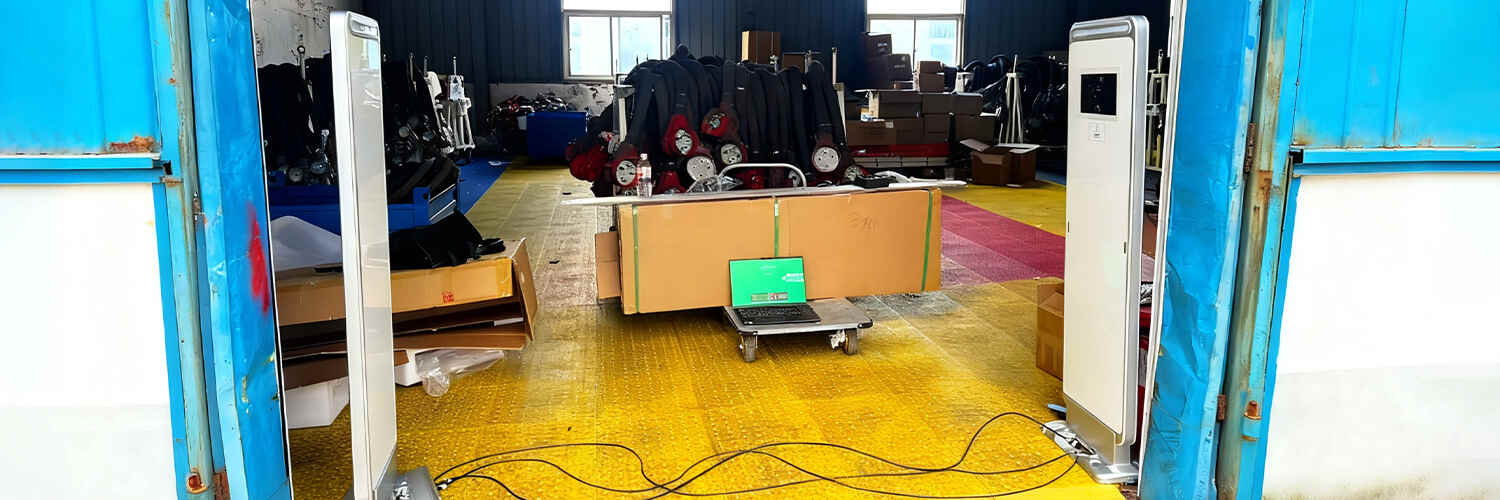
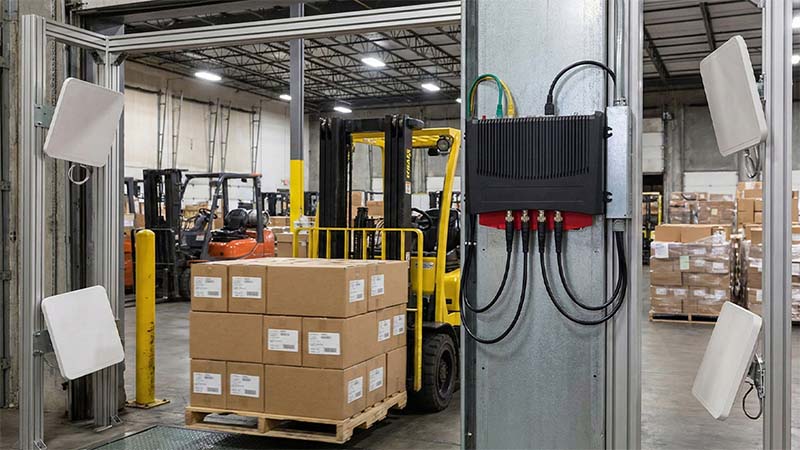
Long Read Range: A standard UHF RFID sticker can be read from several meters away (often 3 to 15 meters, depending on the reader and antenna size). This allows a forklift driving through a dock door to instantly scan an entire pallet of labeled boxes without stopping.
High-Speed Bulk Reading: UHF technology allows readers to capture hundreds of tags per second. This drastically reduces the time spent on manual inventory counts.
Global Interoperability: With standardized protocols, a UHF tag applied to a product manufactured in Asia can be seamlessly read by a distributor's system in Poland or a retailer's system in the Americas.
For any business looking to implement a large-scale, automated tracking system, investing in UHF technology ensures scalability, rapid data collection, and a significant return on investment through reduced labor costs and minimized human error.
Top Applications for RFID Tracking Stickers
The versatility of RFID tracking stickers allows them to be deployed across a multitude of industries. Their primary goal is to provide real-time visibility and streamline operations.
1. Retail Inventory Management: Retailers use these stickers to track apparel and goods from the factory to the sales floor. It enables weekly (or even daily) cycle counts using handheld readers, ensuring inventory accuracy exceeds 98%, thereby reducing out-of-stock situations.
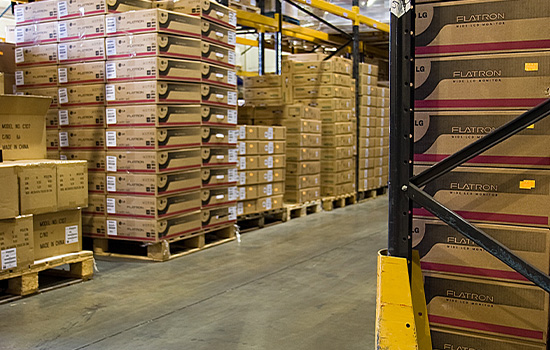
2. Supply Chain and Logistics: In transit, rfid tracking stickers are applied to shipping cartons and pallets. Automated scanning at distribution centers provides instant shipping and receiving verification, preventing misrouting.
3. Document and File Tracking: In legal, medical, and government sectors, smart stickers are attached to sensitive physical files. This prevents misplacement and allows staff to locate specific folders instantly using Geiger-counter-like features on handheld readers.
4. IT Asset Management: Companies apply specialized printable labels to laptops, servers, and office equipment. This simplifies annual asset audits and ensures expensive company property is accounted for.
Choosing the Right Supplier for Your RFID Needs
Selecting the right smart label is only half the battle; finding a reliable manufacturing partner is equally crucial. When evaluating suppliers, consider their technical expertise, quality control processes, and understanding of international market demands.
At Infowise RFID — represents the innovative spirit of Silicon Valley — we understand that every project has unique requirements. Whether you are expanding business leads in Europe or implementing a robust ERP system, the physical hardware must be flawless.
When choosing a supplier, look for:
Customization Capabilities: Can they provide the exact antenna design, chip type, and face material your environment demands?
Quality Assurance: Ensure the factory conducts strict quality inspections and can provide the necessary documentation (such as yield rate reports and compliance certificates) to pass rigorous client audits.
Printing and Encoding Services: A full-service manufacturer should offer pre-printing of logos and pre-encoding of data, saving you time upon deployment.
Frequently Asked Questions (FAQ)
Can an RFID sticker be printed with a regular barcode printer?
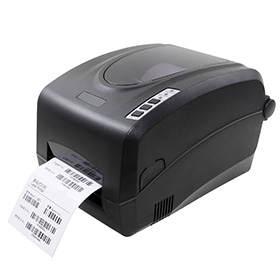
No, you need a specialized RFID printer (like those from Zebra or Sato). These printers have built-in encoders that write data to the chip while simultaneously printing the barcode and text on the label's surface.
Do RFID labels work on metal surfaces?
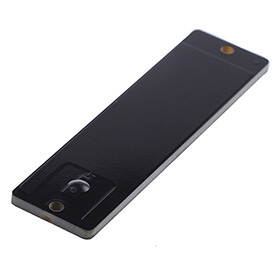
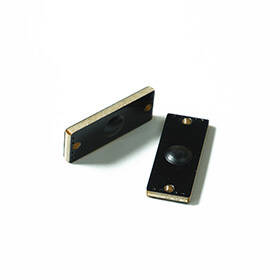
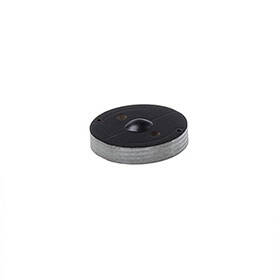
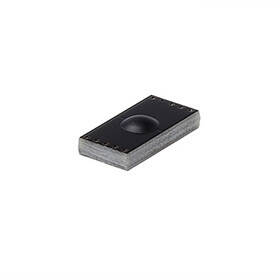
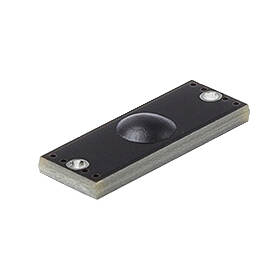
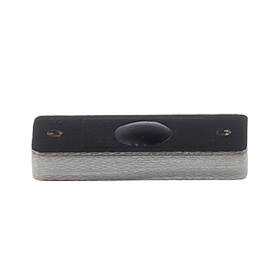
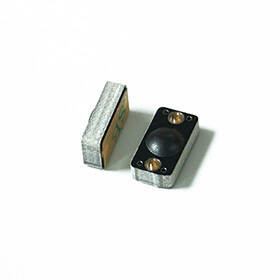
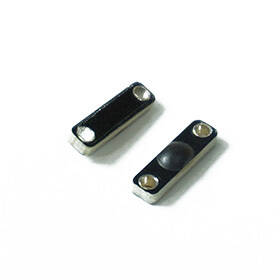
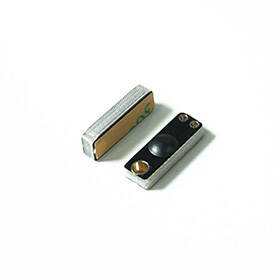
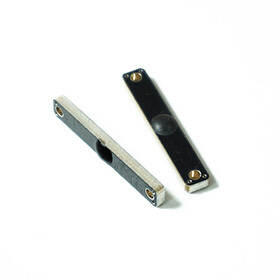
Standard RFID labels experience interference when applied directly to metal. However, you can purchase specialized "on-metal" or "anti-metal" flexible stickers that feature a thin layer of shielding foam or specialized antenna designs to function perfectly on metal assets like IT equipment.
How much does an RFID sticker cost?
The cost varies based on volume, size, and chip type. Generally, basic UHF standard paper labels purchased in high volumes can cost just a few cents each, making them highly economical for item-level tracking.
Are RFID stickers waterproof?
Standard paper labels are not waterproof. However, if your application requires exposure to moisture or outdoor environments, you should choose labels made with synthetic materials (like PET or PP) paired with strong, waterproof adhesives.
 Prev
Prev