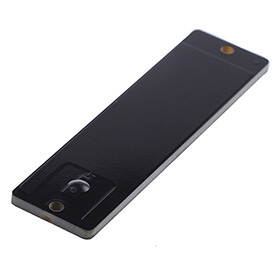
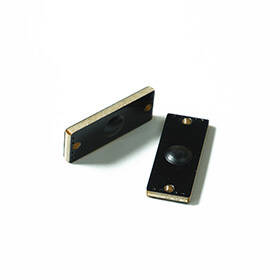
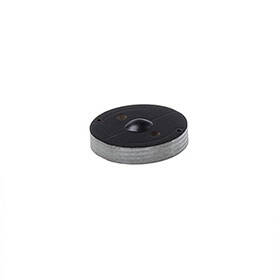
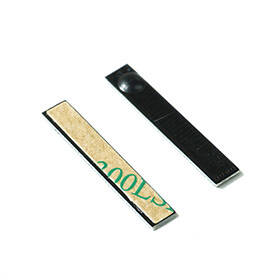
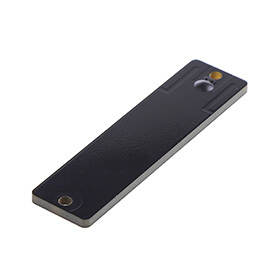
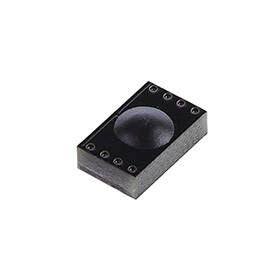
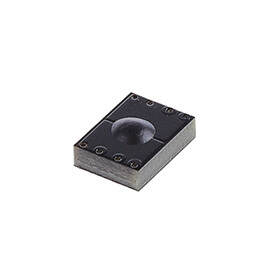
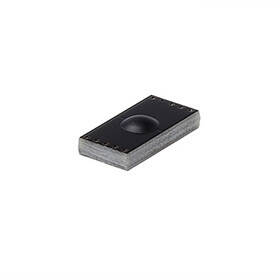
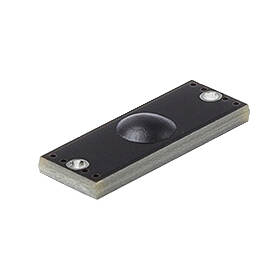
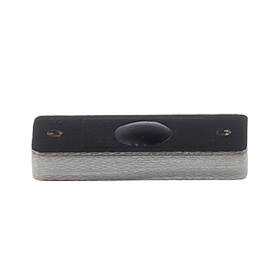
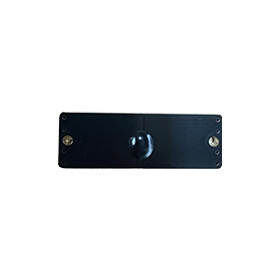
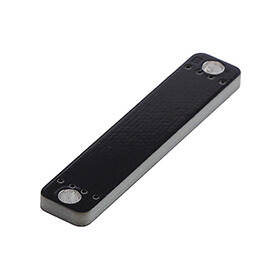
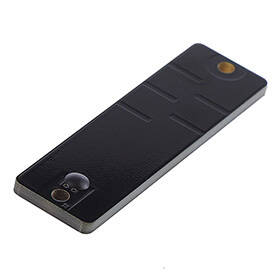
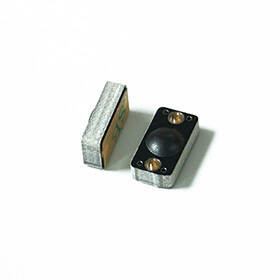
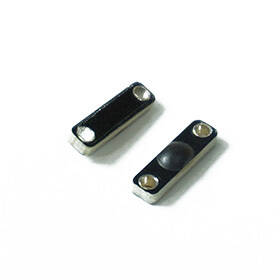
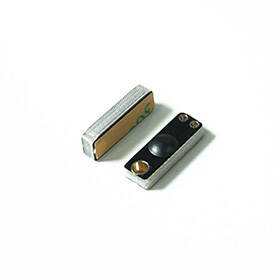
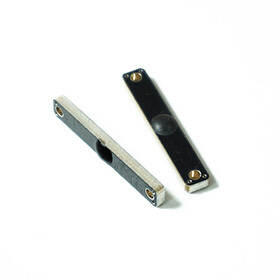
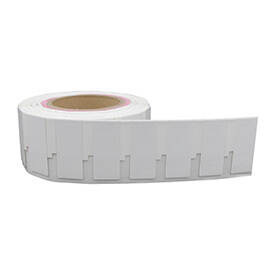
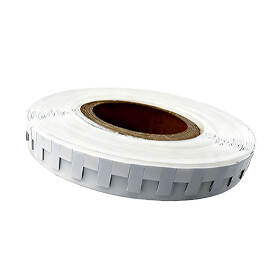
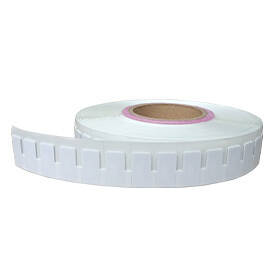
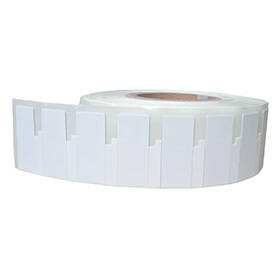
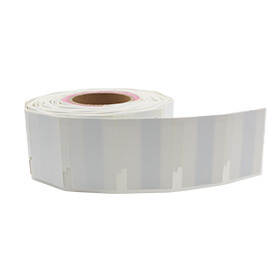
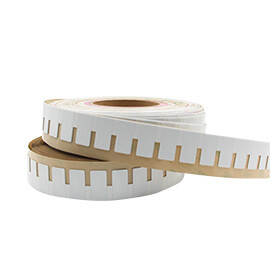
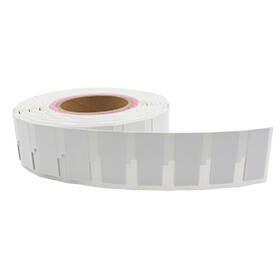
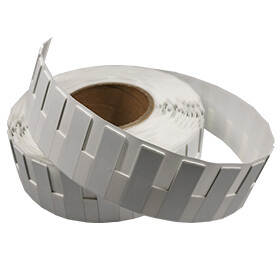
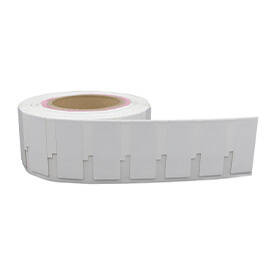
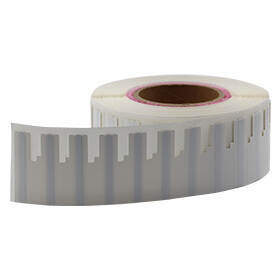
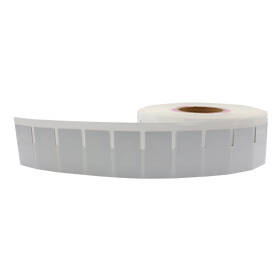
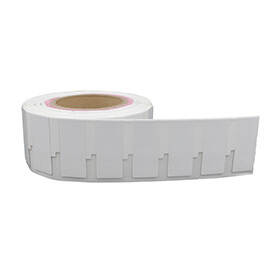
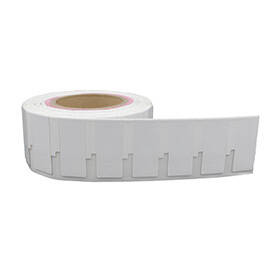
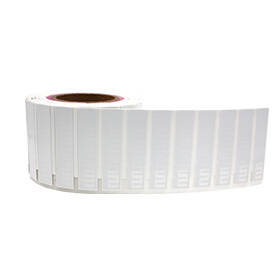
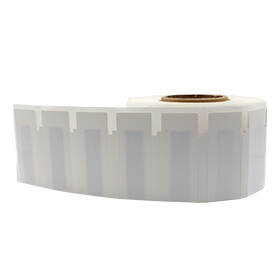
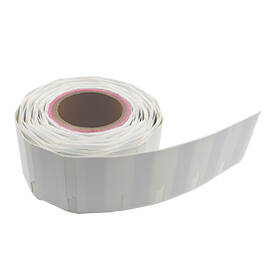
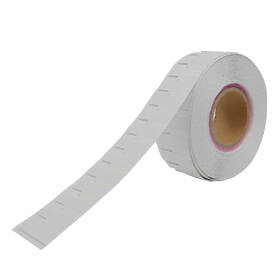
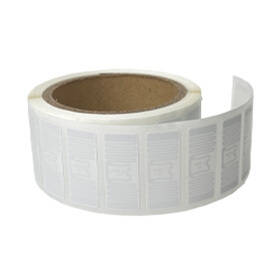
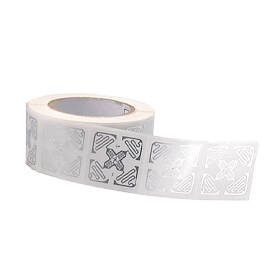
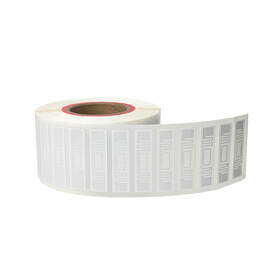
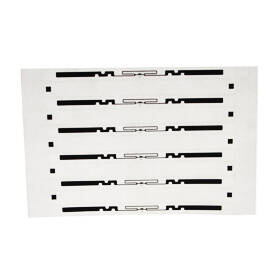
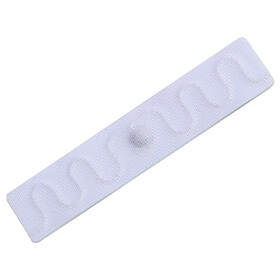
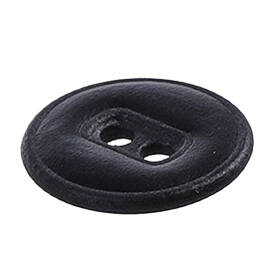
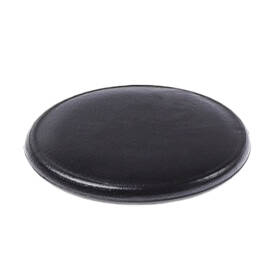
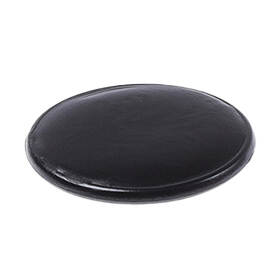
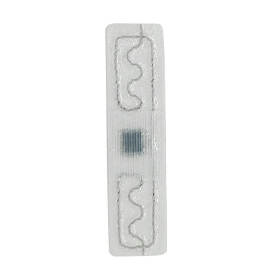
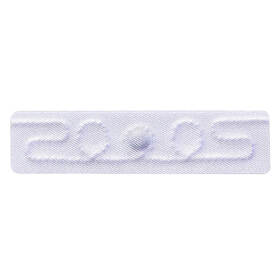
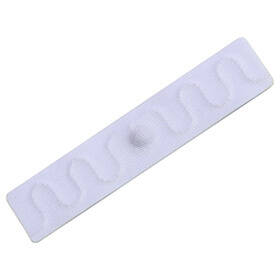
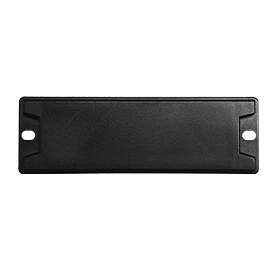
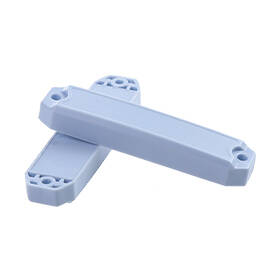
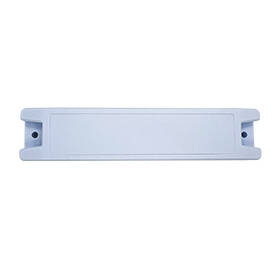
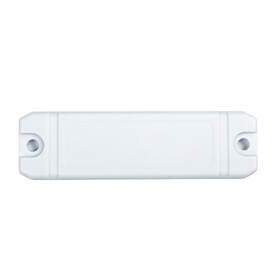
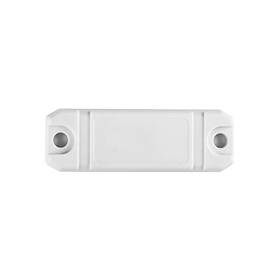
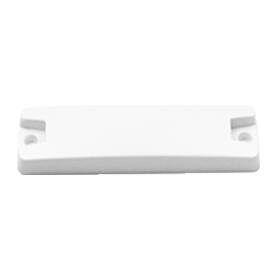
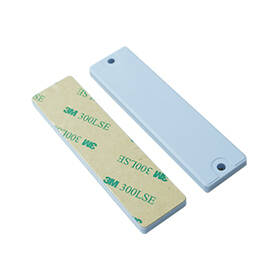
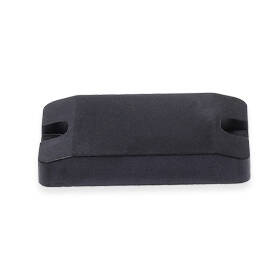
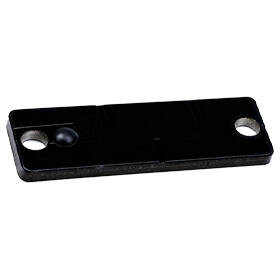
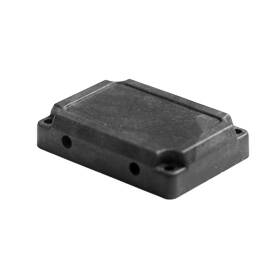
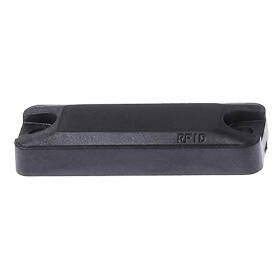
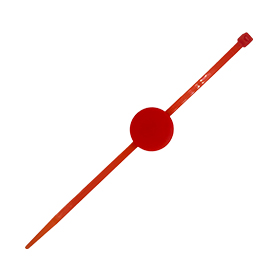
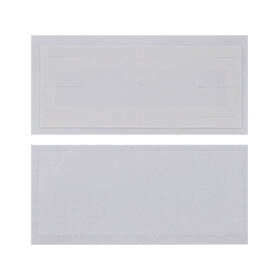
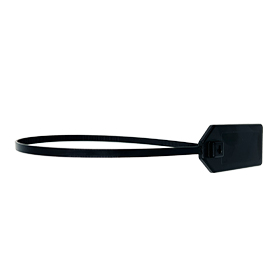
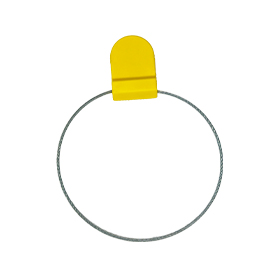
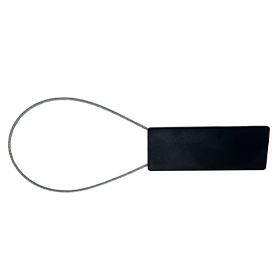
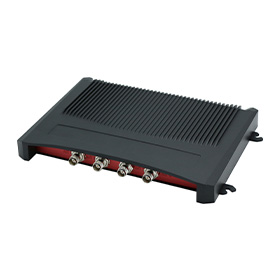

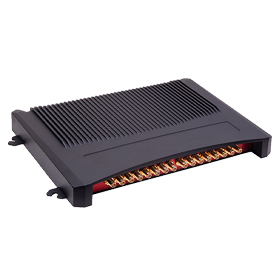
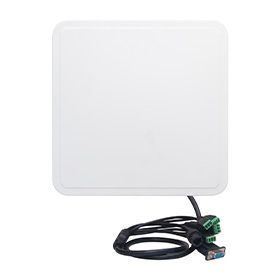

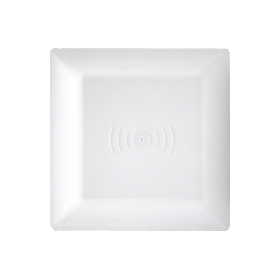
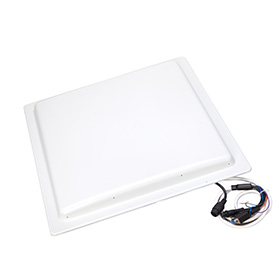
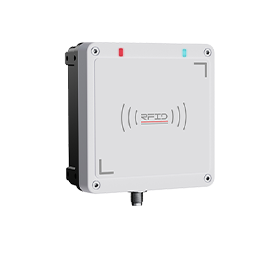
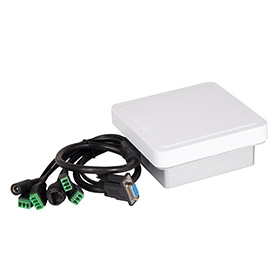


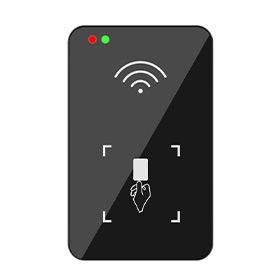

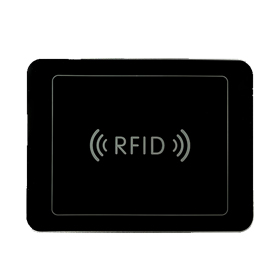
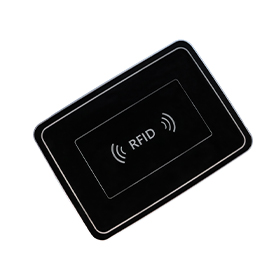
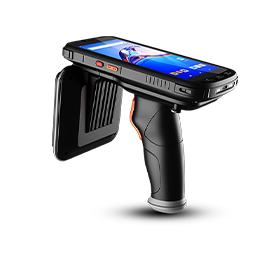
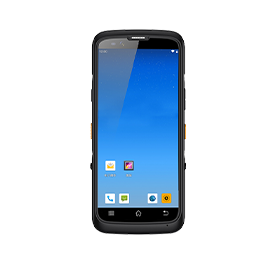
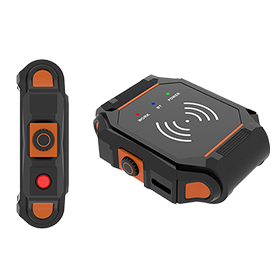
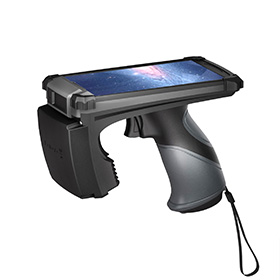
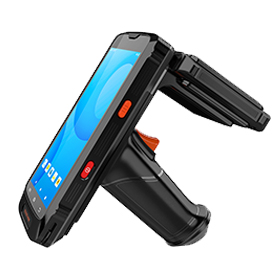
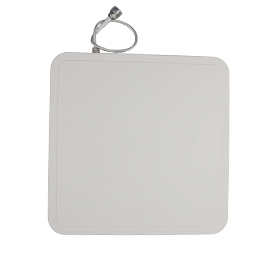
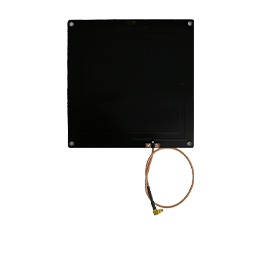
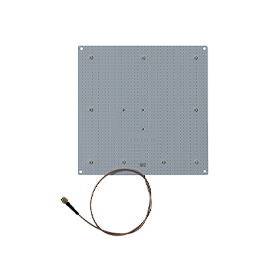
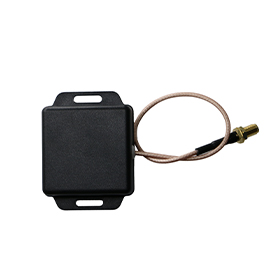
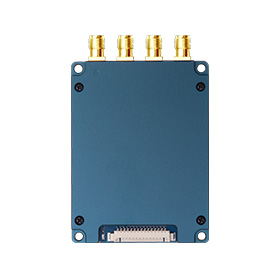
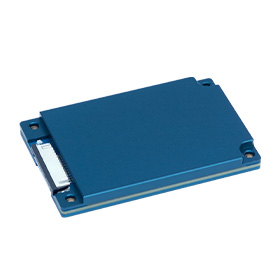
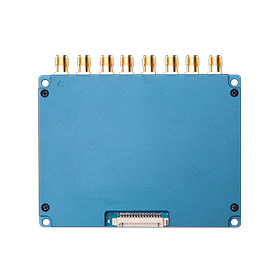
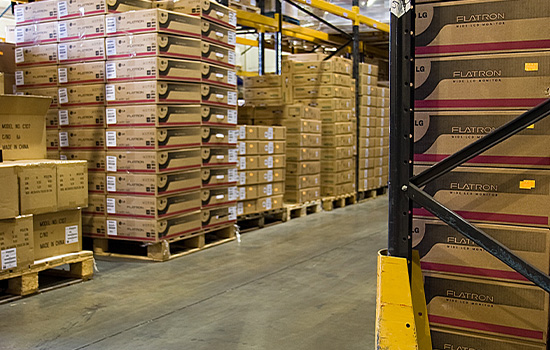




















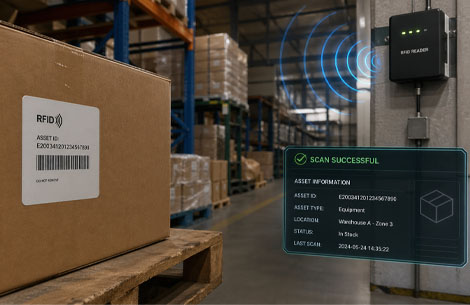
RFID sticker used for asset tracking in warehouse
Introduction
Choosing the right RFID sticker is often more complicated than it appears.
In real deployments, failures are rarely caused by the RFID chip itself. Instead, issues like poor adhesion, signal interference, or incorrect frequency selection are far more common. Many projects struggle not because RFID doesn’t work—but because they don’t fully understand how RFID technology works, and the wrong type of tag was selected from the beginning.
This guide focuses on how to choose RFID stickers based on actual application conditions, not just specifications.
What Are RFID Stickers (and When They Are Not Suitable)
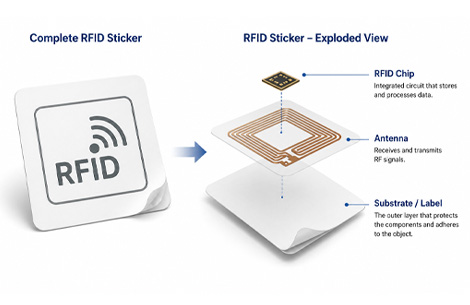
structure of RFID sticker with chip and antenna
RFID stickers are thin, flexible labels embedded with an RFID chip and antenna, typically used for item-level tracking.
They are widely used because they are:
- Low cost
- Easy to deploy
- Suitable for large-scale tagging
However, they are not always the right choice.
In practice, RFID stickers may not perform well in:
- Metal environments (unless using anti-metal designs)
- High-temperature or harsh industrial conditions
- Applications requiring long read distances
Key Factors to Consider Before Choosing RFID Stickers
1. Application Environment
The environment where the RFID sticker is applied plays a critical role in performance.
In RFID warehouse management environments, one of the most common issues is adhesive failure due to dust, humidity, or temperature fluctuations.
For example:
- Cold storage → adhesive may weaken
- Outdoor usage → UV and moisture impact durability
RFID stickers are widely used in:
- Asset Management
- Library Management
- Logistics Management
- Warehouse Management
2. Frequency Selection (LF / HF / UHF)
Different frequencies serve different purposes.
- LF → short range, low interference
- HF → medium range, stable
- UHF → long range, suitable for logistics
In most warehouse and asset tracking scenarios, UHF RFID stickers are commonly used due to their longer read range when paired with professional RFID reader solutions.
Our RFID stickers primarily operate in the UHF frequency range, providing stable long-range reading from 0 to 10 meters, making them ideal for warehouse and logistics applications.
3. Surface Material Compatibility
Surface material is one of the most overlooked factors.
A common mistake is applying standard RFID stickers directly onto metal assets. This can significantly reduce read performance due to signal reflection and interference.
If your assets are metal-based, anti-metal RFID tags are typically required.
4. Cost vs Performance Trade-off
RFID stickers are often chosen for cost reasons, but cheaper is not always better.
Lower-cost labels may:
- Have shorter lifespan
- Perform inconsistently
- Require frequent replacement
In many cases, slightly higher upfront cost can reduce long-term operational issues.
Common Mistakes When Using RFID Stickers
Based on real-world deployments, here are some common mistakes:
- ❌ Choosing based on price only
- This often leads to performance issues later.
- ❌ Ignoring environment conditions
- Temperature, moisture, and surface type all affect performance.
- ❌ Not testing before deployment
- Skipping pilot testing is one of the biggest risks.
- ❌ Using the wrong frequency
- Mismatch between use case and frequency leads to poor results.
RFID Sticker vs RFID Tag vs Barcode
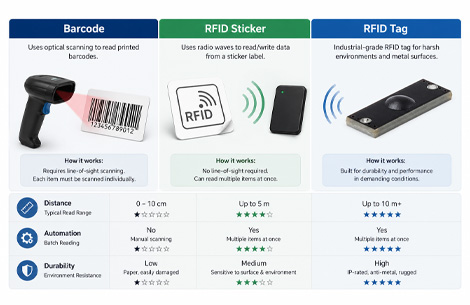
RFID vs barcode comparison chart
|
Technology |
Cost |
Read Range |
Durability |
Automation |
| Barcode |
Low |
Very Short |
Low |
Manual |
|
RFID Sticker |
Medium |
Medium |
Medium |
Semi-auto |
|
RFID Tag |
Higher |
Long |
High |
Fully automated |
RFID stickers offer a balance between cost and performance, making them suitable for many scalable tracking applications.
How to Choose the Right RFID Sticker for Your Business
Selecting the right RFID sticker depends on your specific application.
In most cases, you should evaluate:
- Environment conditions
- Surface material
- Required read range
- Budget constraints
For many businesses, starting with a small pilot test is more effective than making a full-scale purchase decision upfront.
Get a sample or contact our team to evaluate the right RFID solution
FAQ
Are RFID stickers waterproof?
Some RFID stickers are designed to be water-resistant, but performance depends on material and sealing.
Our RFID stickers are designed with IP65 protection, ensuring reliable performance in dusty and moderately wet environments.
Can RFID stickers be used on metal?
Standard RFID stickers typically do not perform well on metal. Anti-metal versions are recommended.
How long do RFID stickers last?
Lifespan depends on environment and usage.
Under normal operating conditions, RFID stickers can last over 10 years, depending on application environment and usage frequency.
What is the typical read range of RFID stickers?
This varies by frequency and antenna design.
Typical read range for UHF RFID stickers is 1 to 10 meters, depending on reader power and environment conditions.
 Prev
Prev