






















Manual barcode scanning and supply chain blind spots directly erode profit margins. For high-volume distribution centers, relying on line-of-sight tracking is no longer scalable.
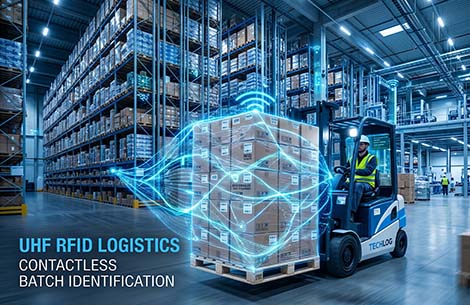
RFID logistics solutions—specifically Ultra-High Frequency (UHF) RFID—enable bulk, instantaneous data capture without line-of-sight. This guide breaks down the technical architecture, hardware selection criteria, and common deployment pitfalls to help logistics operators implement a reliable RFID tracking system.
The Core Architecture of an RFID Tracking System
A functional RFID supply chain solution requires a synchronized architecture between physical hardware and digital records:
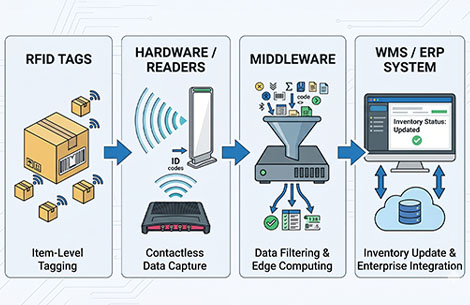
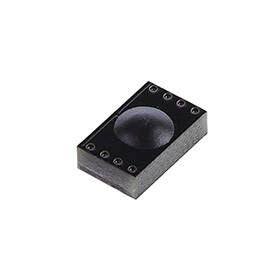
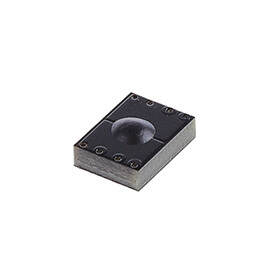
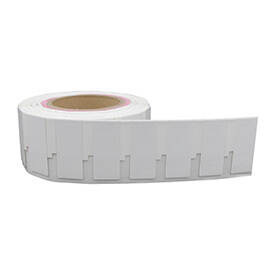
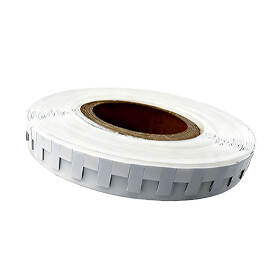
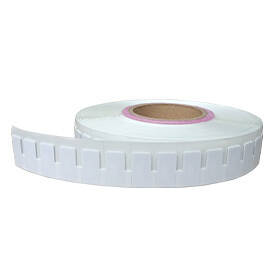
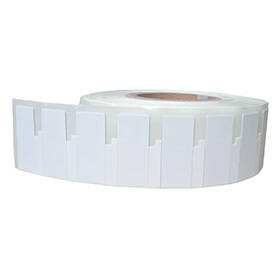
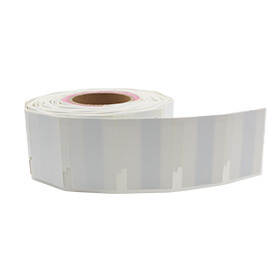
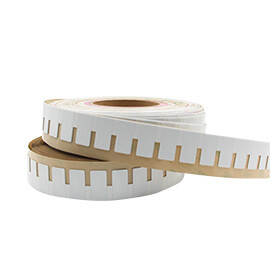
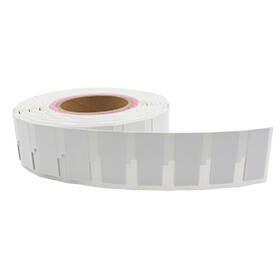
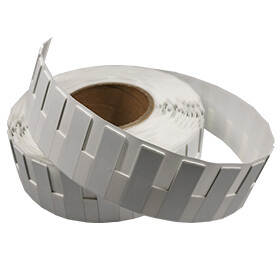
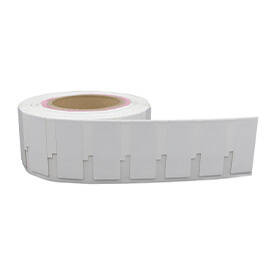
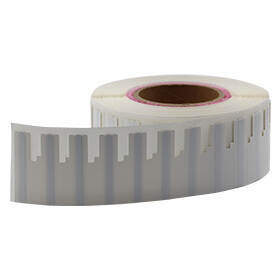
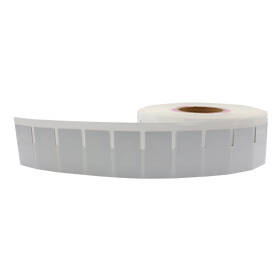
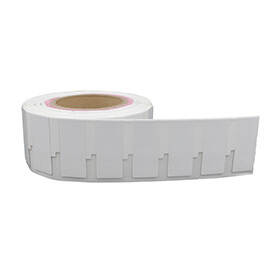
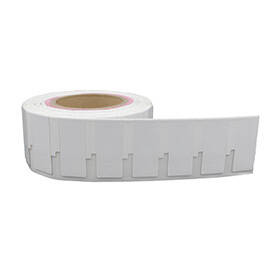
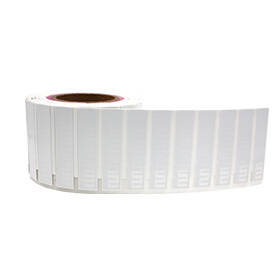
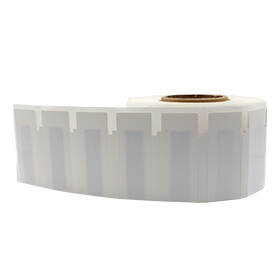
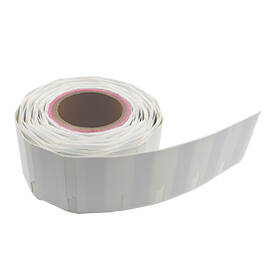
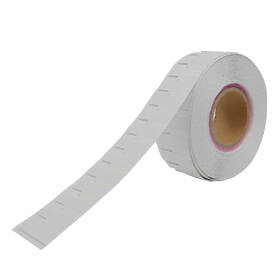
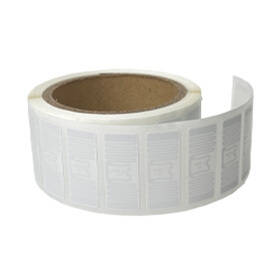
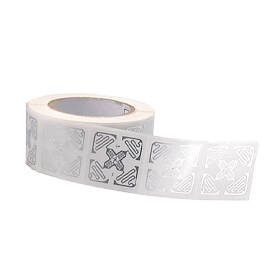
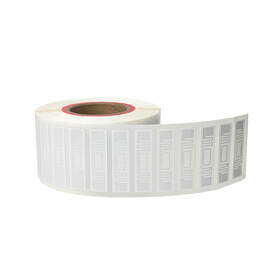
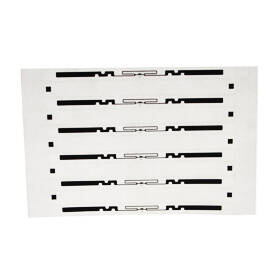
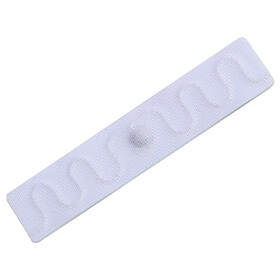
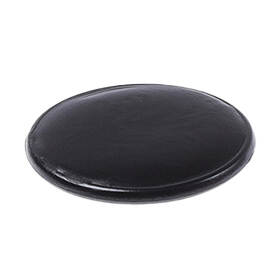
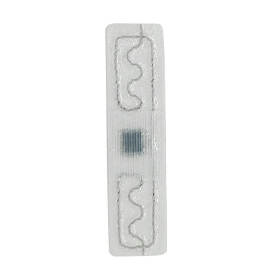
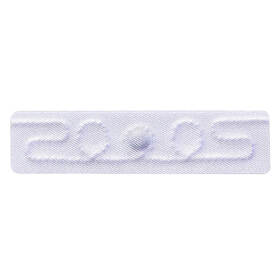
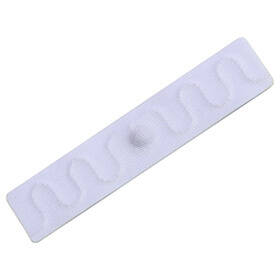
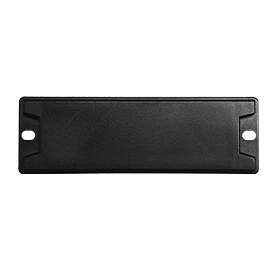
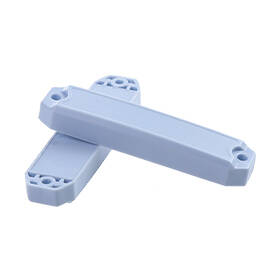
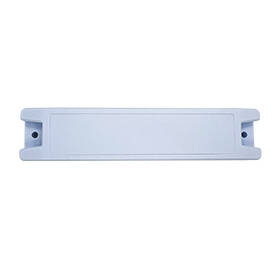
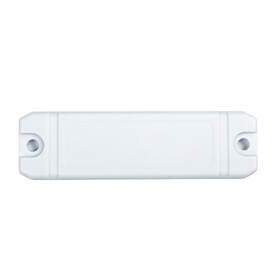
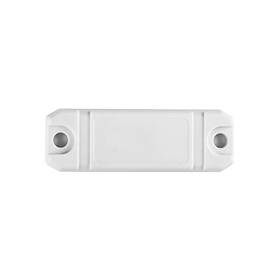
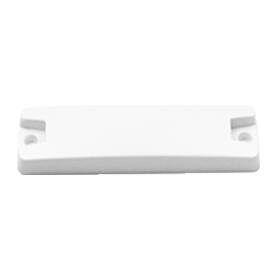
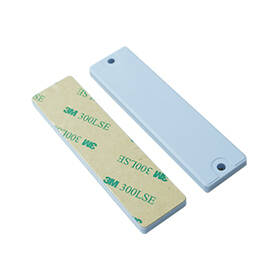
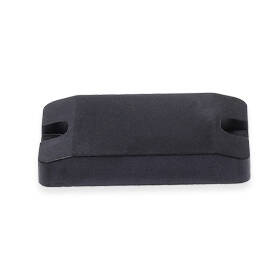
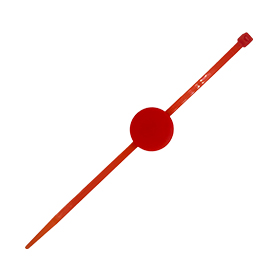
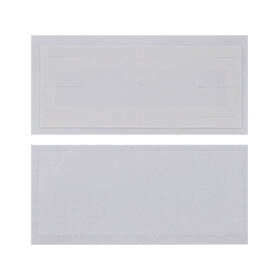
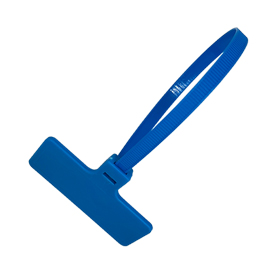
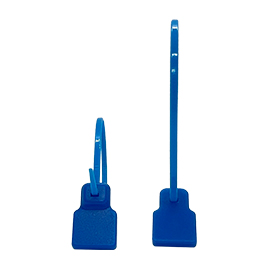
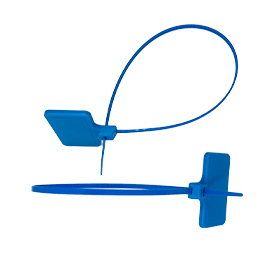
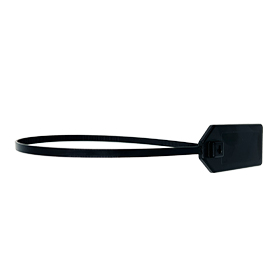
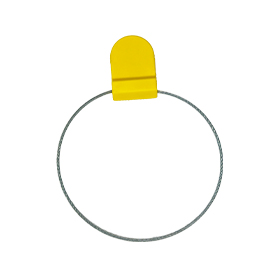
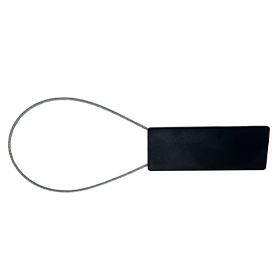
- UHF RFID Tags: Attached to pallets, cartons, or individual items. UHF tags provide long read ranges (up to 20+ meters) at a low per-unit cost.
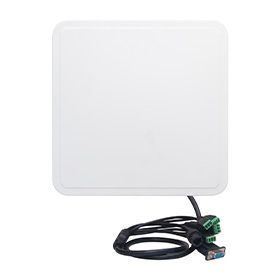
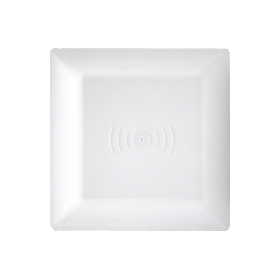
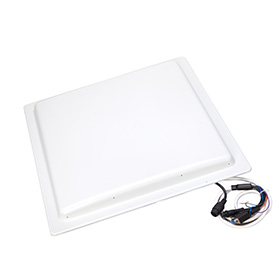
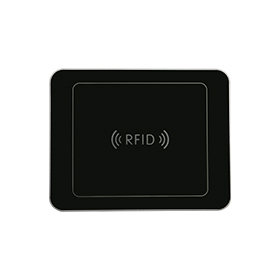
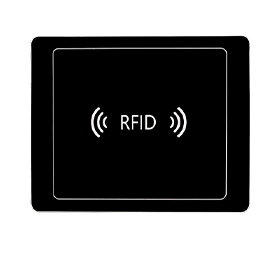
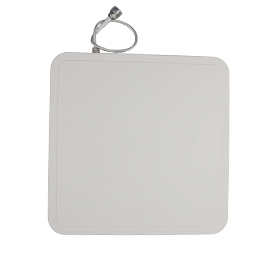
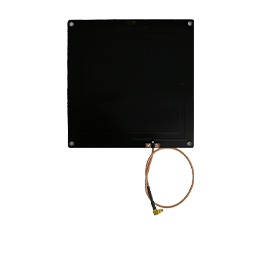
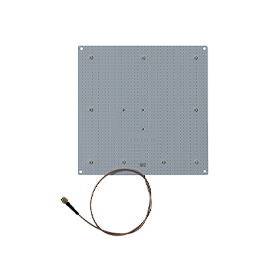
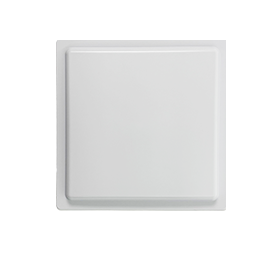
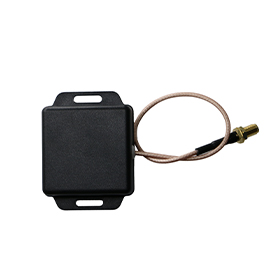
- RFID Hardware (Readers & Antennas): The data capture layer. Readers broadcast RF energy to power passive tags and receive encoded data.
- RFID Middleware: The filter. Middleware deduplicates raw data (e.g., a pallet scanned 100 times per second) and translates it into meaningful business events.
- WMS/ERP Integration: The filtered data is pushed via APIs to your Warehouse Management System to update inventory levels instantly.
Operational Benefits in Supply Chain Management
Deploying RFID technology solutions shifts operations from reactive manual counting to proactive automated tracking. Based on recent field deployments, logistics centers experience dramatic shifts in KPIs:
- Inventory Accuracy & Speed: Cycle counts are drastically accelerated. Logistics clients report an 80% increase in inventory efficiency and a 70% reduction in direct labor costs, as entire warehouse zones can be audited by a single worker in minutes rather than a full team over several days.
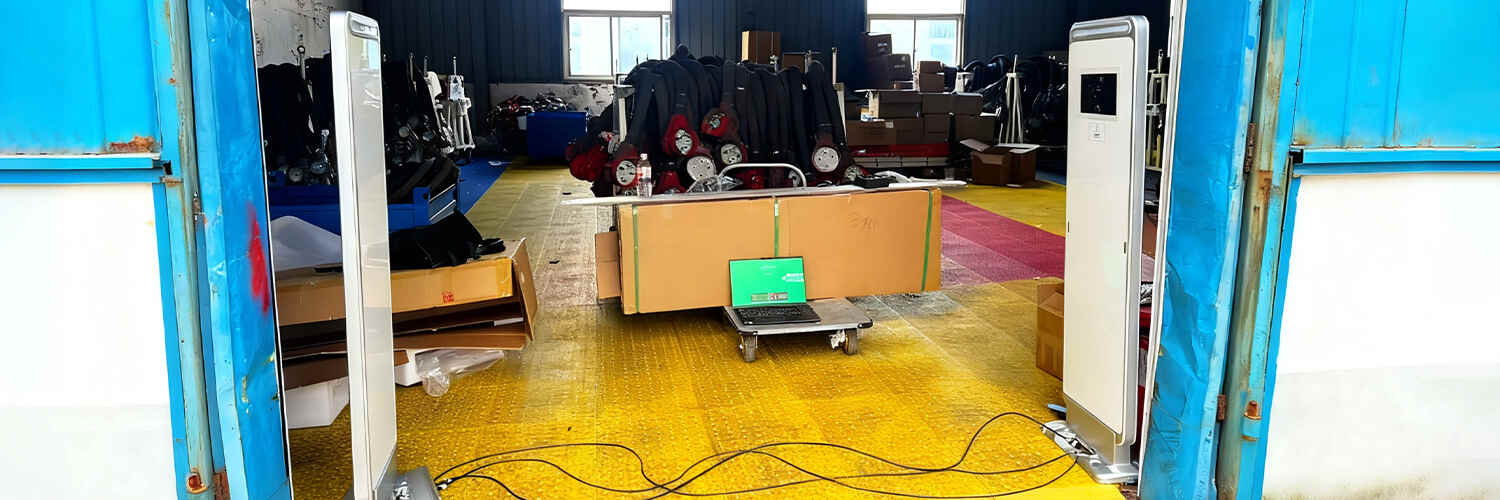
- Automated Verification: Forklifts driving through RFID-enabled dock doors capture entire pallet contents instantly. This automation has helped our 3PL clients reduce shipping and receiving errors by 90%.
- Asset Tracking: Beyond inventory, RFID tracks returnable transport items (RTIs) like metal pallets and plastic totes, preventing costly asset leakage.
How to Choose UHF RFID Hardware for Logistics
Hardware selection dictates system reliability. Here is how to evaluate the critical components based on industrial requirements:
1. Fixed RFID Readers (For Choke Points)
Dock doors and conveyor belts require continuous, high-speed scanning. Relying on underpowered readers here causes missed tags.
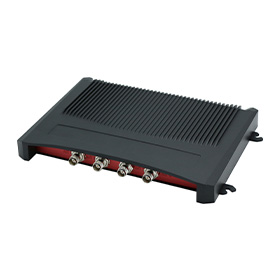
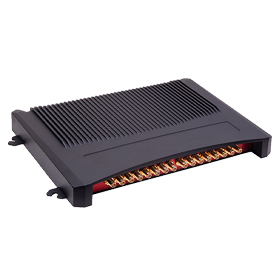
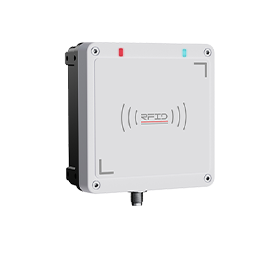
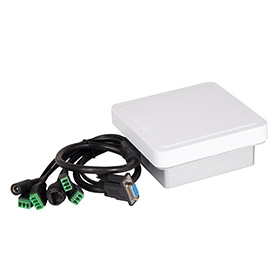
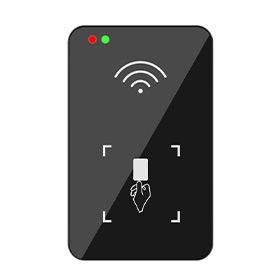
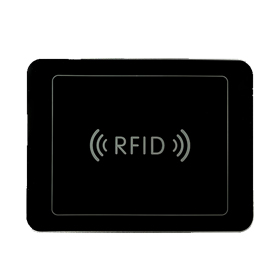
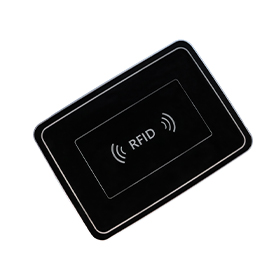
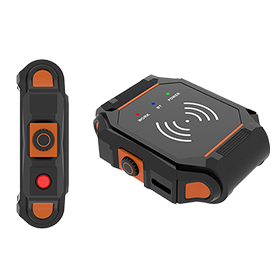
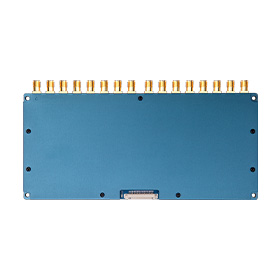
- Hardware Spotlight: InfoWise GZY-D840 UHF RFID Fixed Reader
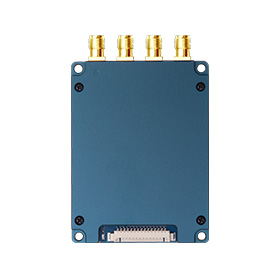
Built for heavy-duty warehouse environments, the GZY-D840 utilizes the industry-leading Impinj E710 / R2000 chip.
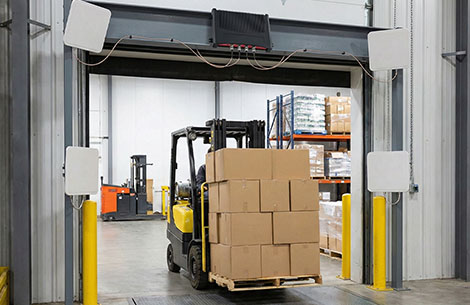
- High-Speed Processing: It captures > 700 tags per second, meaning forklifts do not need to slow down when passing through dock portals.
- Extended Range & Flexibility: With 4 TNC antenna ports and up to 30 dBm adjustable output power, it achieves reliable read ranges from 1 to 25 meters.
- Industrial Grade: Encased in an aluminum alloy shell with air-cooling heat dissipation, it guarantees stable 24/7 operation.
2. Handheld Readers (For Exception Handling)
Used for cycle counting, locating misplaced goods, and flexible receiving. Consumer-grade devices will not survive concrete drops or full shifts.
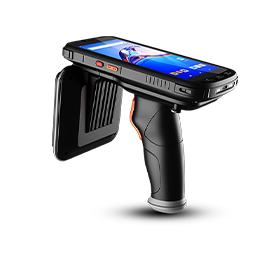
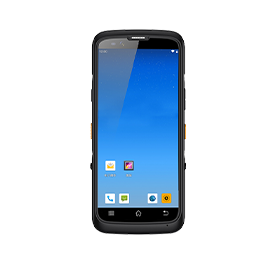
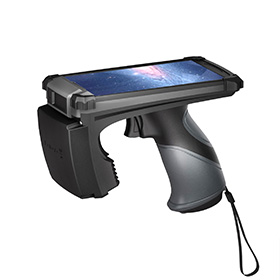
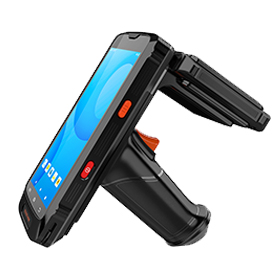
- Hardware Spotlight: InfoWise GZY-202 Handheld RFID Reader
The GZY-202 is an Android 10 rugged terminal designed specifically for logistics mobility.
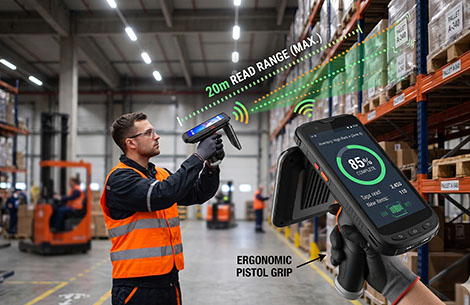
- Massive Power: Equipped with a 9000mAh rechargeable battery, it easily powers through extended, intensive scanning shifts without needing a swap.
- Deep Penetration: Powered by Impinj E710/R2000 circular polarized antennas, it reads tags up to 20 meters away, allowing workers to scan high-rack inventory safely from the ground.
- Durability: IP65-rated for dust and water resistance, and tested for 1.5-meter drops to concrete.
Common Pitfalls in RFID Logistics Deployments
Many operators treat RFID like an advanced barcode, leading to project failure. Avoid these real-world issues:
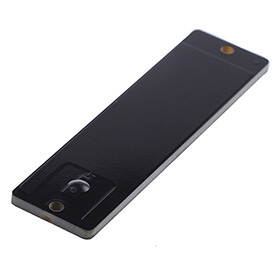
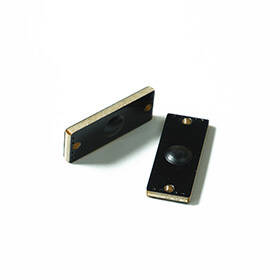
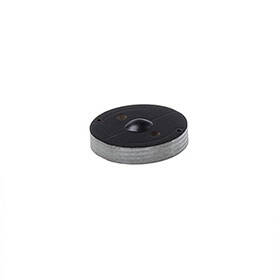
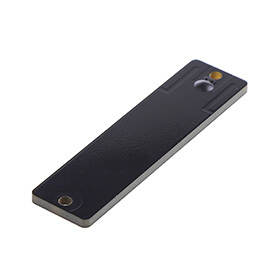
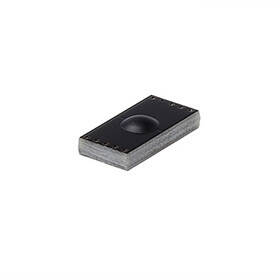
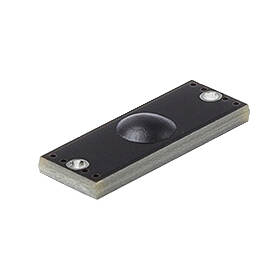
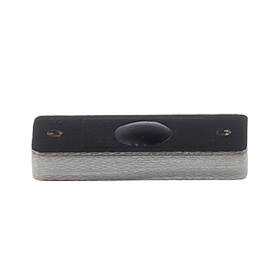
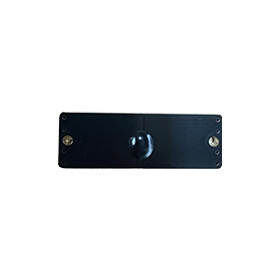
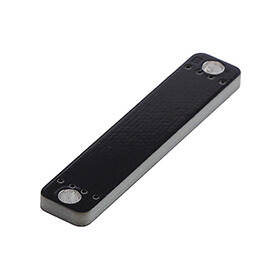
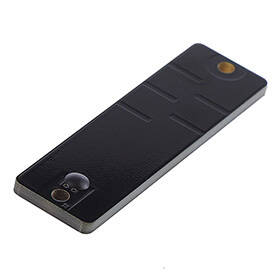
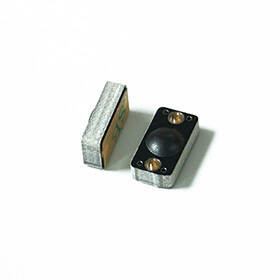
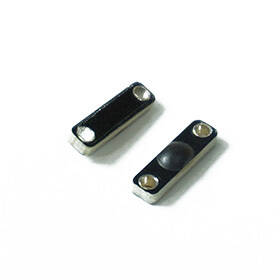
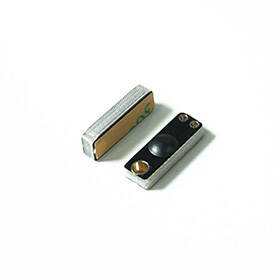
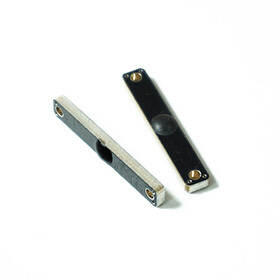
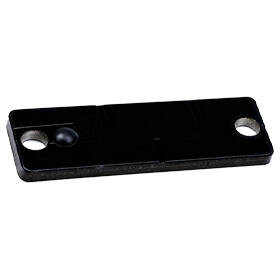
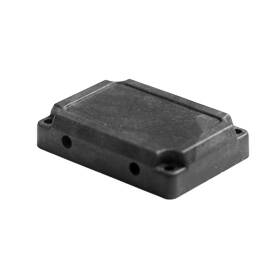
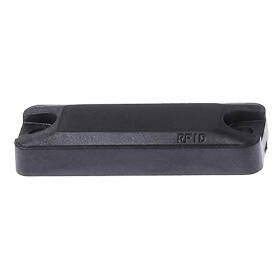
- Ignoring RF Physics: UHF waves are absorbed by liquids and reflected by metals. Tagging a pallet of engine parts requires specialized mount-on-metal tags, not standard paper labels.
- Over-Reading: Placing a fixed reader at a dock door without properly tuning the antenna power can result in "stray reads"—accidentally scanning inventory sitting 5 meters away in the staging area.
- Skipping the Site Survey: Metal racking and existing Wi-Fi networks impact RF performance. A site survey is mandatory before installation.
Cost Structure and ROI Expectations
An enterprise-grade RFID tracking system involves distinct cost layers. Understanding this division is crucial for budgeting:
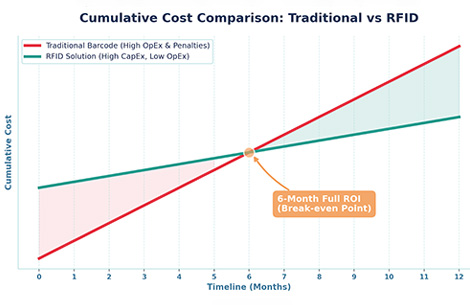
- Hardware Infrastructure (CapEx): This includes industrial readers (like the GZY-D840), antennas, and handhelds (GZY-202).
- Consumables (OpEx): Passive UHF tags range from a few cents for standard labels to higher costs for reusable rugged tags.
- Software Integration (Highly Variable): As a hardware manufacturer, InfoWise provides comprehensive, free SDKs/APIs (Java, C++, VB) to ensure our readers communicate seamlessly with any system. However, the cost to customize your WMS (SAP, Oracle, or proprietary software) and configure the middleware is typically handled by your internal IT team or a third-party software integrator, and scales based on enterprise complexity.
ROI Timeline: Because the hardware radically cuts labor hours and eliminates chargebacks from shipping errors, aggressive logistics operations frequently achieve a full return on investment (ROI) within just 6 months.
Frequently Asked Questions (FAQ)
Q1: Can RFID completely replace barcode systems in a warehouse?
A: While RFID replaces barcodes for bulk scanning and cycle counting, barcodes are often retained as a cheap backup for single-item handling at the retail level.
Q2: What is the maximum read range of a UHF RFID system?
A: Under optimal conditions with readers like the GZY-D840 and high-gain antennas, ranges can exceed 20 to 25 meters. However, the environment and tag chip type significantly impact real-world performance.
Q3: How do we prevent RFID readers from interfering with each other?
A: By utilizing Dense Reader Mode (DRM) configurations built into high-end chips (like the Impinj E710) and carefully shielding read zones with physical barriers.
 Prev
Prev