
























Implementing an RFID system for inventory management is not just about replacing barcode scanners; it is a fundamental upgrade to how your supply chain operates. If your business suffers from inventory shrinkage, stockouts, or labor-intensive manual counting, Radio Frequency Identification (RFID) offers a highly automated alternative.
This guide breaks down exactly how to use RFID for inventory tracking, focusing on practical deployment steps, hardware selection, and the real-world challenges you need to avoid.
Beyond Barcodes: Why UHF RFID is the Industry Standard for Inventory
When supply chain managers search for RFID inventory solutions, they are almost exclusively looking for UHF (Ultra-High Frequency) RFID. Unlike NFC or LF/HF RFID which require close proximity, passive UHF RFID is designed for bulk operations.
Here is why UHF dominates warehouse tracking:
- Bulk Reading: A UHF reader can capture hundreds of tags simultaneously in seconds.
- Extended Read Range: Passive UHF tags can be read from distances of 3 to 15 meters (depending on the antenna gain and tag size), allowing forklifts to drive through portals without stopping.
- No Line of Sight Required: Unlike barcodes, RFID tags hidden inside cardboard boxes or pallets can still be detected.
Core Components of an RFID Inventory Tracking System
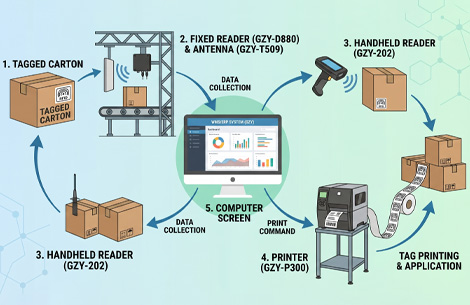
Before learning how to use the system, you must understand the infrastructure. A functional RFID warehouse tracking system requires synchronized hardware:
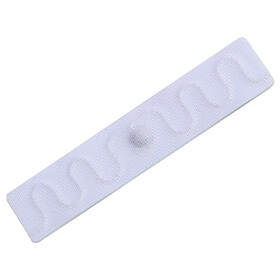
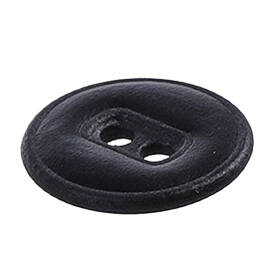
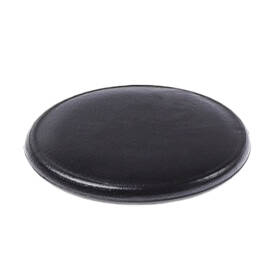
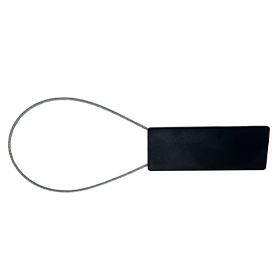
- RFID Tags (Transponders): Attached to your inventory.
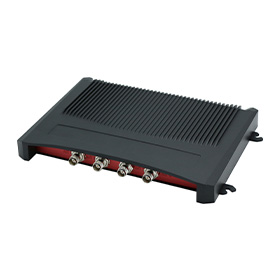
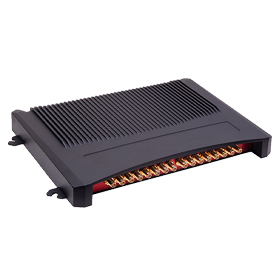
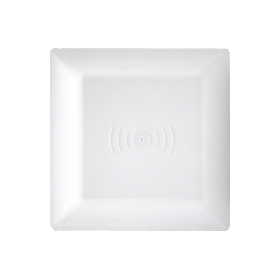
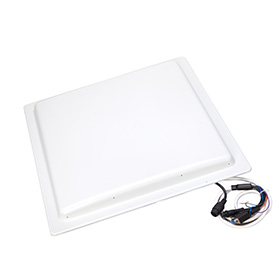
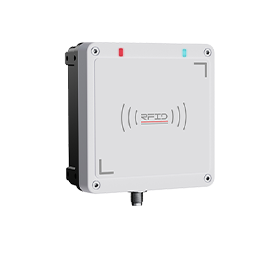
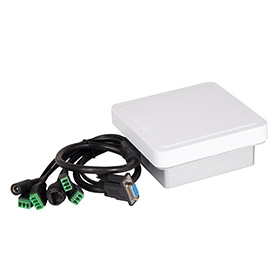
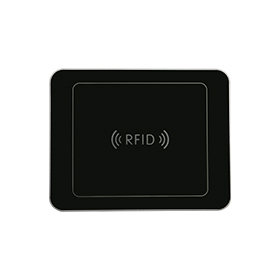
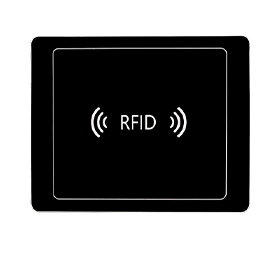
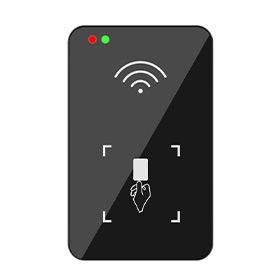
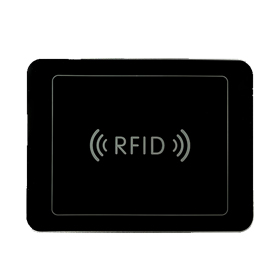
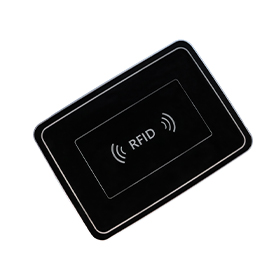
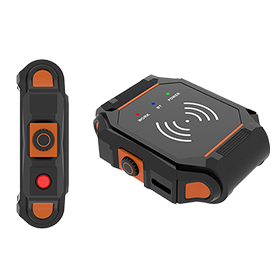
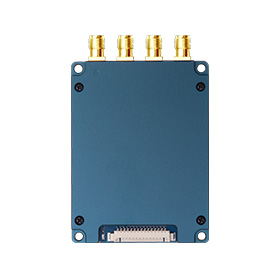
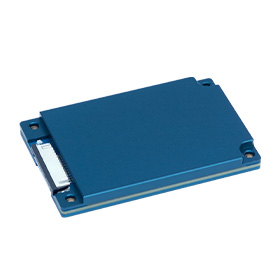
- RFID Readers (Interrogators): The hardware that sends and receives the radio waves.
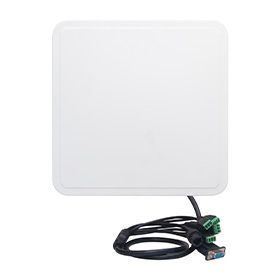
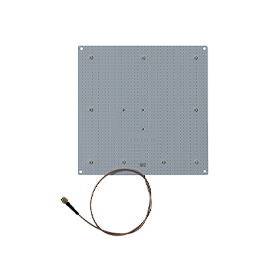
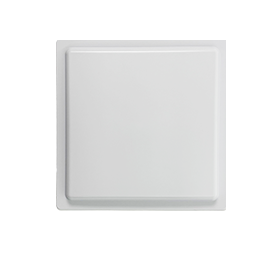
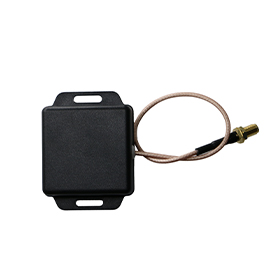
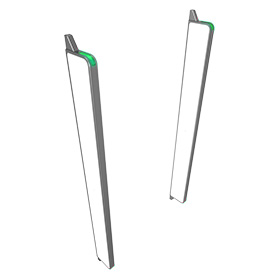
- RFID Antennas: Connected to fixed readers to broadcast the signal and define the "read zone."
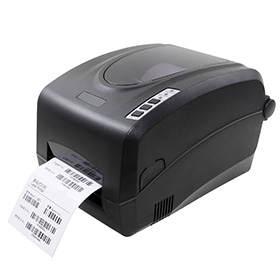
- RFID Printers: Used to encode the tags and print visible text/barcodes before applying them to goods.
- Middleware / Software System: The software that processes raw tag data and sends actionable information to your ERP or WMS.
Step-by-Step: How to Use RFID for Inventory Tracking in Real Workflows
How does the technology translate into daily warehouse operations? Here is the step-by-step workflow of a fully integrated RFID supply chain.
Step 1: Tag Commissioning and Encoding
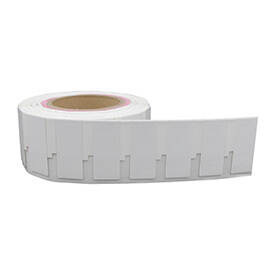
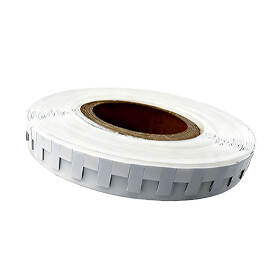
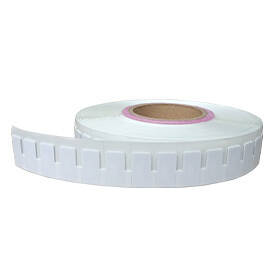
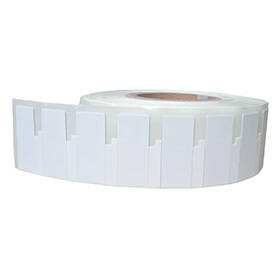
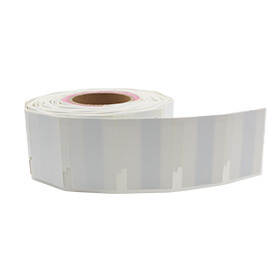
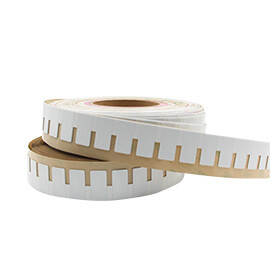
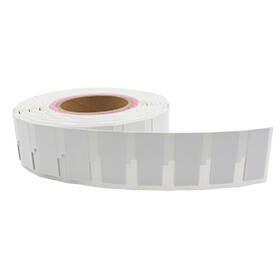
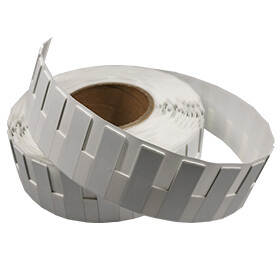
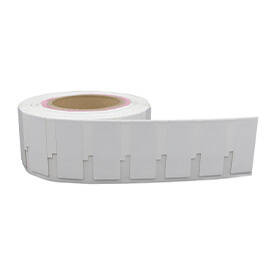
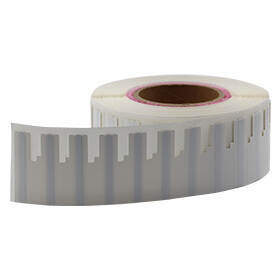
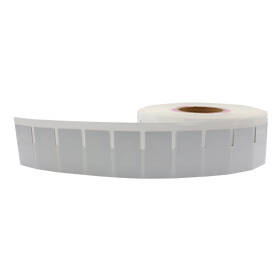
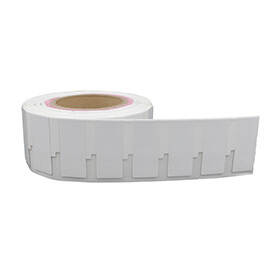
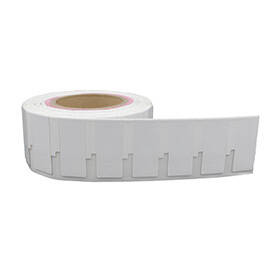
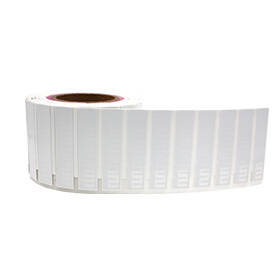
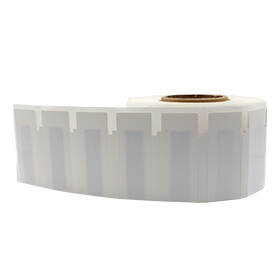
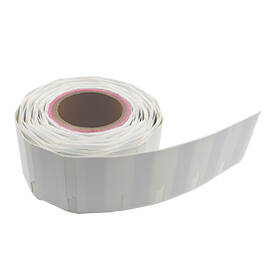
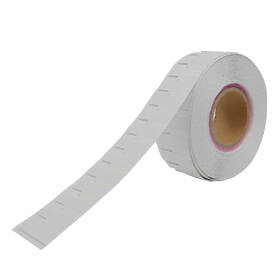
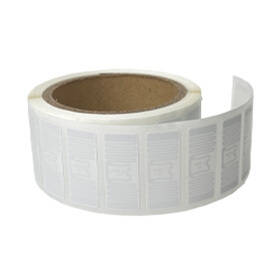
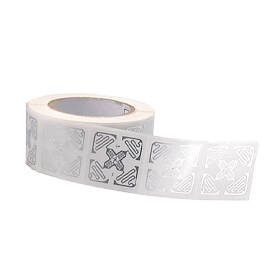
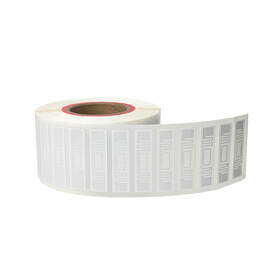
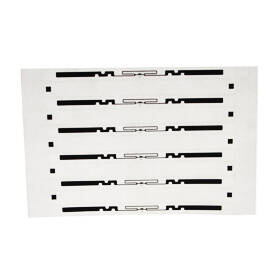
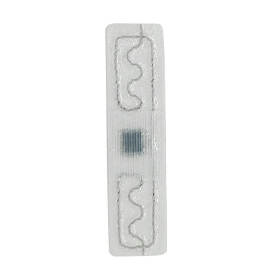
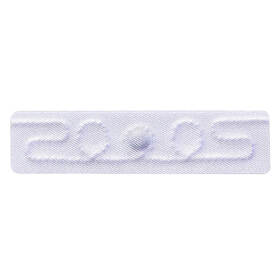
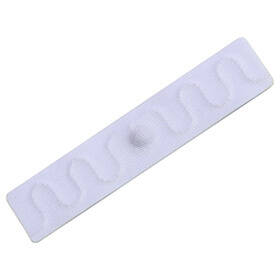
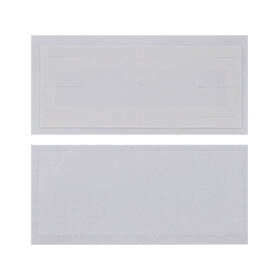
Before an item enters your system, it needs an identity. You print and encode an RFID label using an industrial device like the UHF RFID Printer GZY-P300. The Electronic Product Code (EPC) encoded on the tag is mapped to the specific SKU and batch number in your database. For standard cardboard packaging, flexible GZY-4418 Custom UHF RFID Stickers are highly cost-effective.
Step 2: Inbound Receiving (Dock Doors)
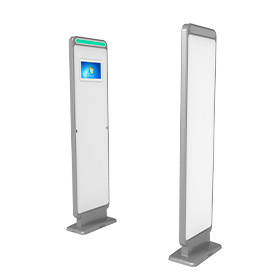
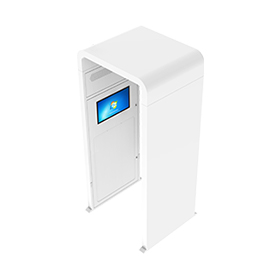
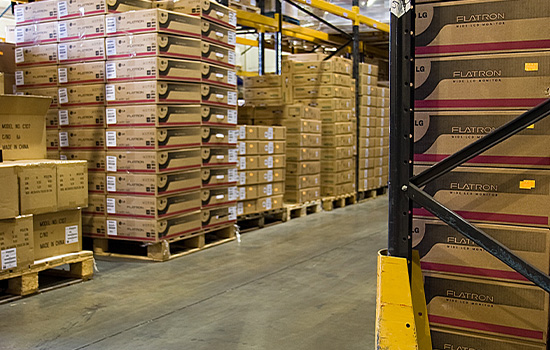
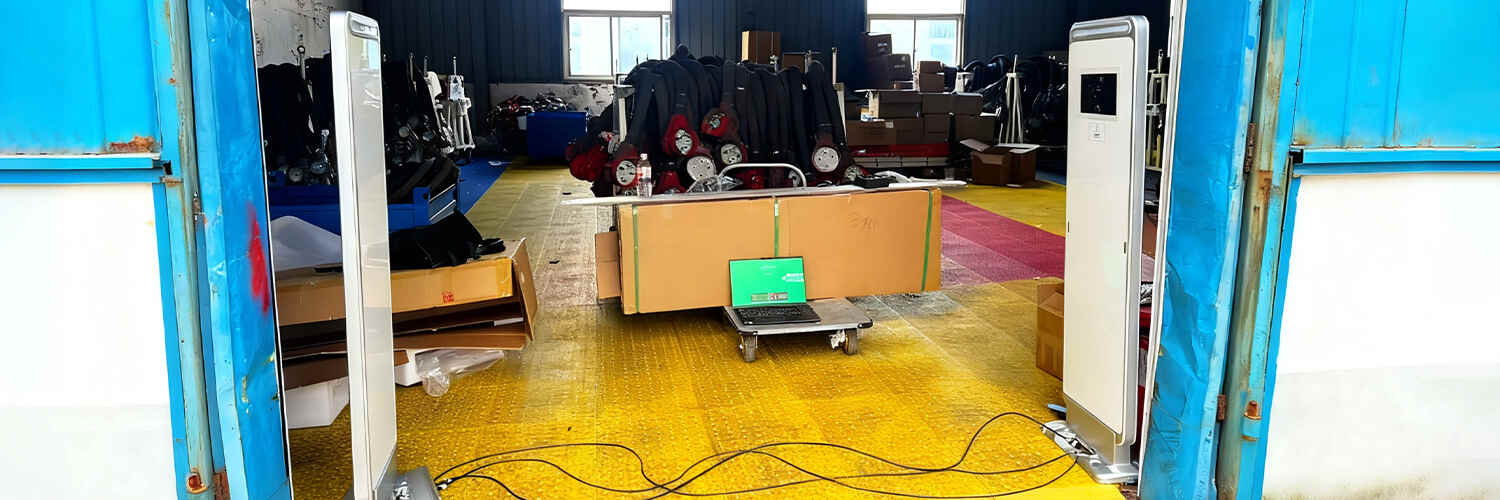
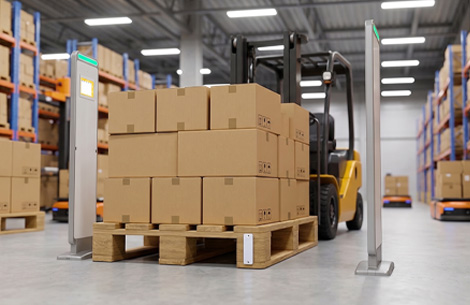
As a forklift brings a pallet of goods through the receiving dock, it passes through an RFID portal. The portal instantly reads all 700+ items on the pallet simultaneously. The system automatically verifies the received goods against the Advance Shipping Notice (ASN) and updates the inventory count in the WMS.
Step 3: Put-Away and Location Tracking
While passive RFID does not offer real-time GPS tracking, it provides zonal tracking. When a forklift places the pallet in an aisle, a reader installed on the forklift or at the aisle entrance records the movement.
Step 4: Cycle Counting and Physical Inventory
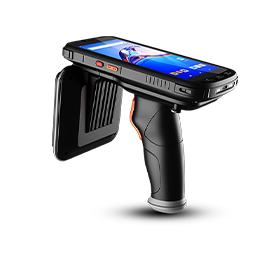
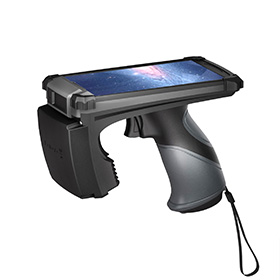
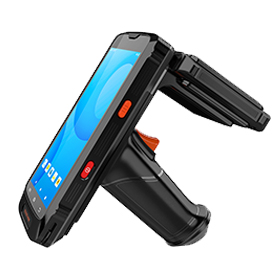
Instead of shutting down operations to scan barcodes manually, warehouse staff walk the aisles with handheld UHF RFID sleds, such as the ergonomic UHF RFID Handheld Reader GZY-202. By sweeping the handheld reader back and forth, workers can count thousands of items in minutes. Businesses typically see cycle counting speeds increase by 90% to 95%.
Step 5: Outbound Shipping and Verification
Before a pallet is loaded onto a truck, it passes through an outbound RFID portal. If an incorrect item is on the pallet, an alarm sounds, preventing expensive shipping errors.
Hardware Selection Guide: Fixed vs. Handheld Readers
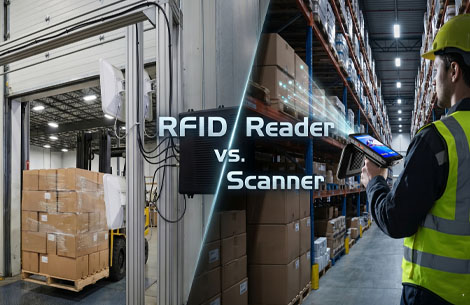
Choosing the right hardware is a critical business decision. Match the hardware type strictly to your operational workflow.
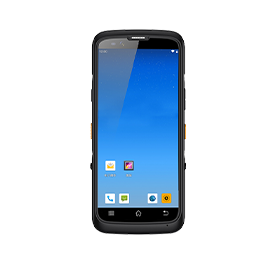
Handheld RFID Readers
- Best For: Cycle counting, exception management, and finding specific misplaced items using the Geiger counter feature.
- Pros: Lower initial investment, highly flexible.
- Recommendation: Devices like the GZY-202 allow workers to stay mobile while processing heavy inventory data.
Fixed RFID Readers & Portals
- Best For: Choke points, dock doors, conveyor belts, and automated transitions.
- Pros: 100% automated data capture, zero human intervention.
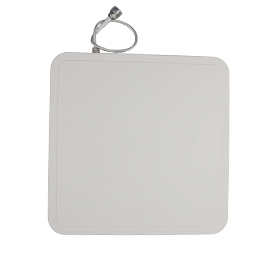
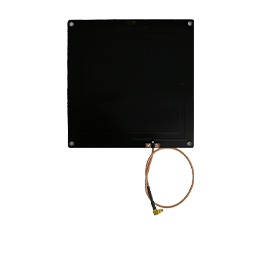
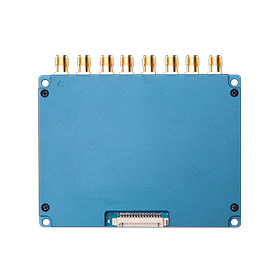
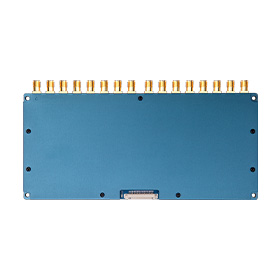
- Recommendation: High-density reading requires enterprise-grade equipment. Using an 8-Ports Fixed RFID Reader (GZY-D880) paired with high-gain 9dBi Circularly Polarized Antennas (GZY-T509) ensures maximum read accuracy across wide dock doors.
Common Mistakes and Real-World RFID Limitations
RFID is powerful, but it is not magic. Avoid these real-world pitfalls:
1. Ignoring Liquid and Metal Interference
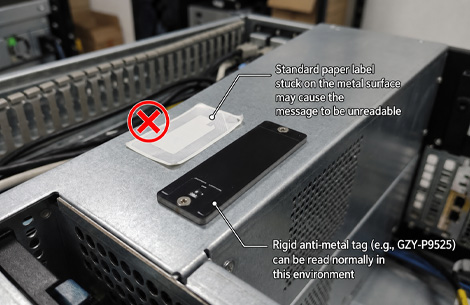
Standard UHF RFID tags perform poorly on metals (which reflect RF energy) and liquids (which absorb it).
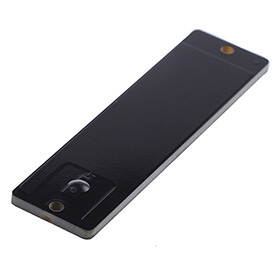
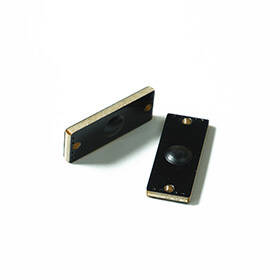
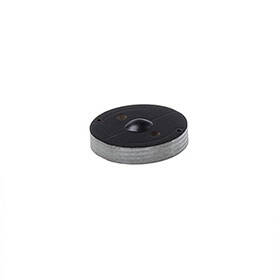
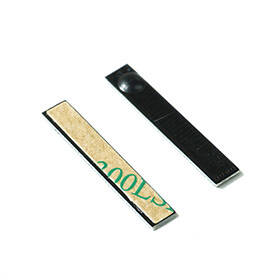
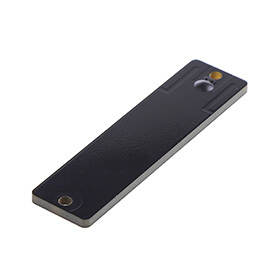
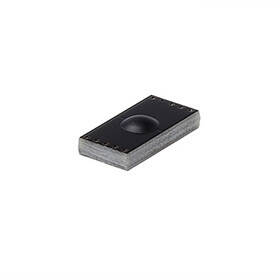
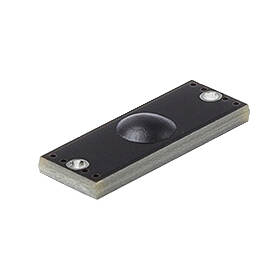
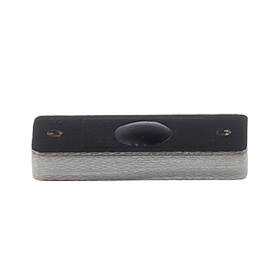
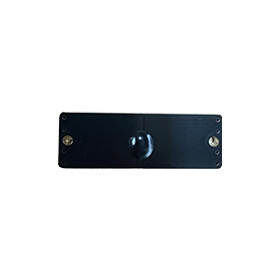
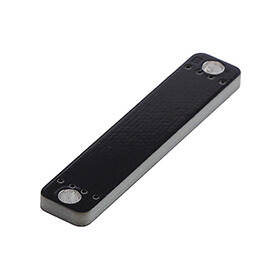
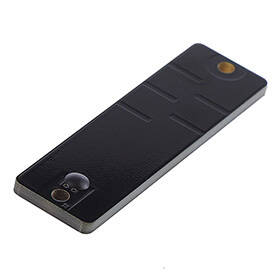
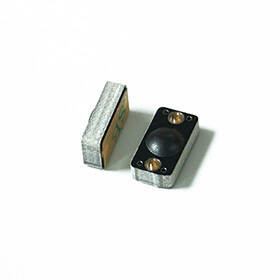
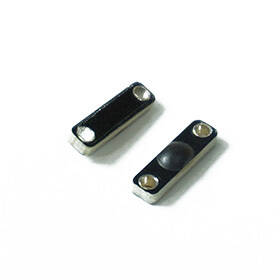
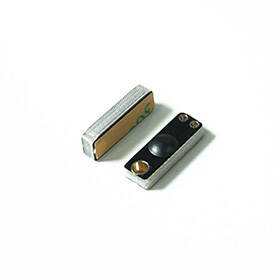
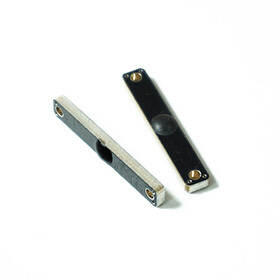
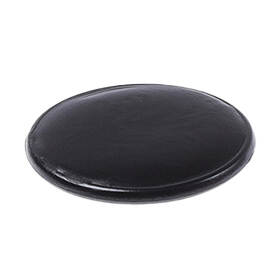
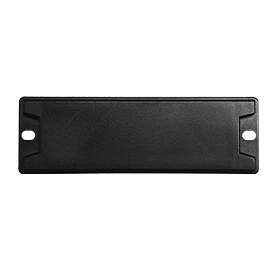
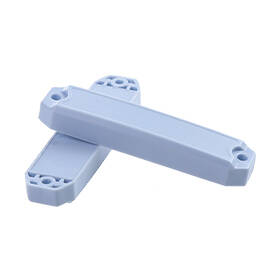
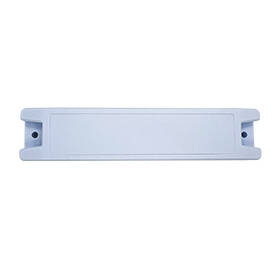
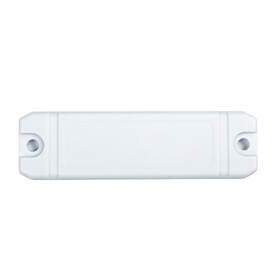
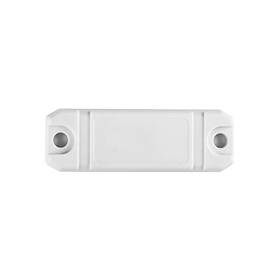
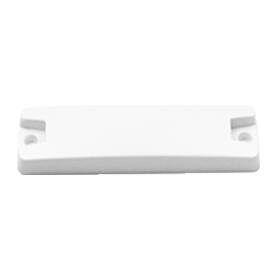
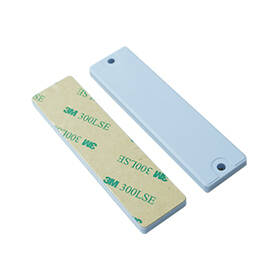
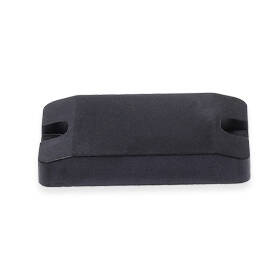
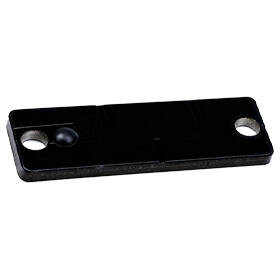
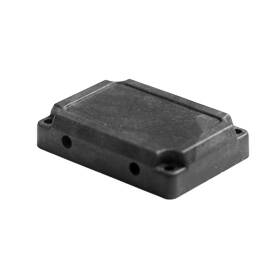
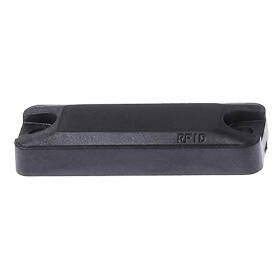
- The Fix: If you are tracking IT assets, metal tools, or machinery, you must invest in specialized rugged tags. For instance, the GZY-P9525 Long Range PCB Tag is engineered specifically for metal surfaces, ensuring stable reads in harsh industrial environments.
2. Poor Tag Placement
Placing a tag directly on the bottom of a box where it gets crushed, or on a surface that faces inward on a pallet, will drastically reduce read accuracy. Tags should be placed on the outer-facing sides of packaging.
Measuring ROI: What Does RFID Implementation Actually Cost?
When presenting this to stakeholders, weigh the upfront costs against long-term savings.
Cost Factors:
- Tags (OpEx): Passive UHF tags cost anywhere from $0.044 to $0.12 for standard paper labels, up to $0.24 to $0.59 for heavy-duty industrial anti-metal tags.
- Hardware (CapEx): Fixed readers, antennas, and handhelds.
Where the ROI Comes From:
- Error Prevention: Eliminating mis-shipments saves reverse logistics costs, which average $50 to $100 per error in typical supply chains.
- Labor Reduction: Slashing physical counting time from days to hours.
- Inventory Accuracy: Raising accuracy from an industry average of 65% to 99%+, which directly reduces safety stock levels.
Conclusion & Next Steps
Learning how to use RFID for inventory tracking is the first step toward building a transparent, resilient supply chain. By selecting the right mix of fixed and handheld readers, and using the correct tags for your materials, you can achieve near-perfect inventory accuracy.
The hardware you choose serves as the foundation of this entire system. Ready to eliminate inventory blind spots? Explore infowiserfid's comprehensive range of high-performance UHF RFID hardware to find the exact readers and antennas engineered for your facility's unique demands.
FAQ
What is the difference between RFID and barcode inventory tracking?
Barcodes require a direct line of sight and manual scanning of one item at a time. RFID uses radio waves to capture hundreds of tags simultaneously without needing to "see" the label, drastically speeding up the process.
Can RFID track my inventory in real-time like GPS?
Passive UHF RFID provides "choke-point" or "zonal" tracking, meaning it logs an item's location when it passes a reader.
Is my warehouse too small for an RFID inventory system?
Not necessarily. While large distribution centers see the fastest ROI through automation, smaller businesses can implement simple handheld RFID tracking systems to dramatically reduce manual cycle counting time at a fraction of the cost of a fixed portal setup.
 Prev
Prev