





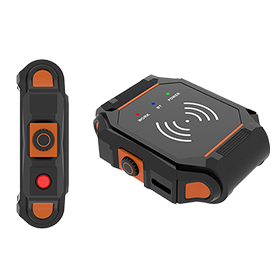
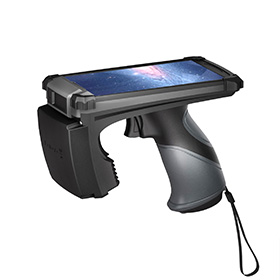
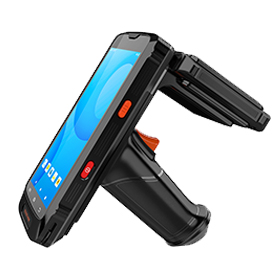
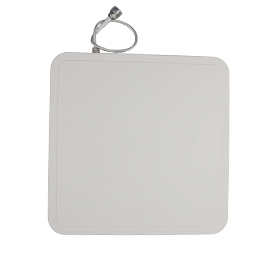
















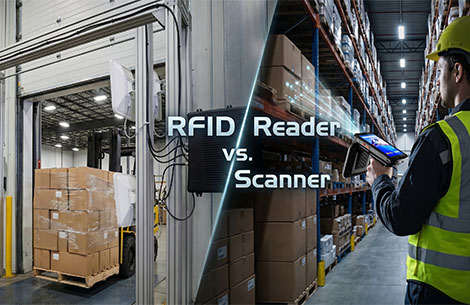
When industrial facilities upgrade from legacy barcode scanning to automated UHF (Ultra-High Frequency) RFID tracking, the first major hurdle is hardware selection. System integrators and IT directors often find themselves wading through confusing terminology—specifically, the difference between an "RFID Reader" and an "RFID Scanner."
Make the wrong choice, and your facility will suffer from missed reads, phantom data crashing your ERP system, and a severely bottlenecked supply chain.
In the industrial UHF context (860-960 MHz), these terms are not interchangeable. They represent entirely different architectural approaches to data collection. This guide cuts through the marketing fluff to explain how UHF hardware actually performs in harsh environments, how to choose the right equipment, and the hidden deployment traps that destroy ROI.
Why the Jargon Matters: Reader vs. Scanner in a UHF Context
If you are dealing with industrial asset tracking, warehouse management, or manufacturing work-in-progress (WIP), you are using UHF passive RFID. In this ecosystem, hardware falls into two distinct operational categories:
The Fixed RFID Reader (The Infrastructure)
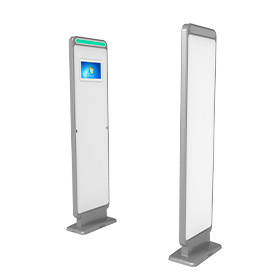
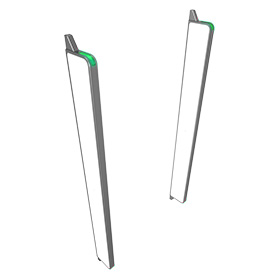
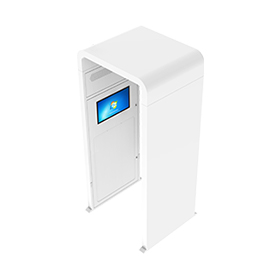
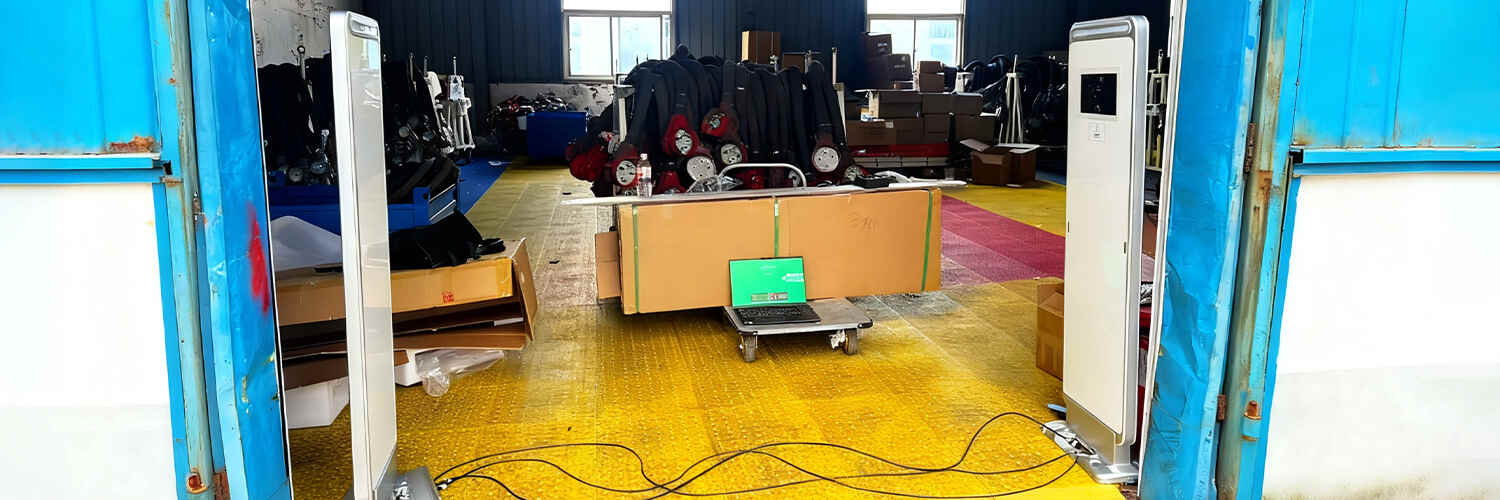
A fixed UHF RFID reader is the heavy-lifting engine of an automated system. It is bolted to a wall, installed above a conveyor belt, or mounted at a dock door.
- Core Function: It creates an invisible, automated "choke point." Any tagged asset passing through its read zone is captured automatically without human intervention.
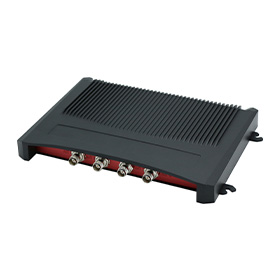
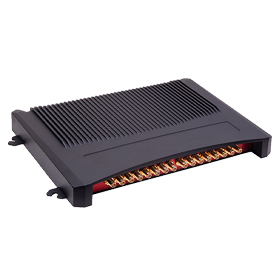
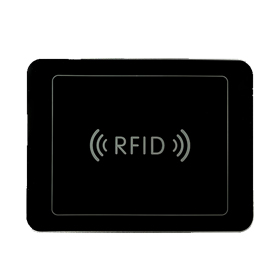
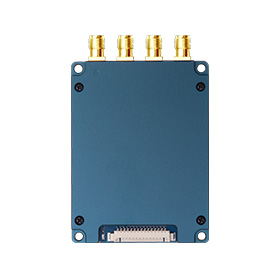
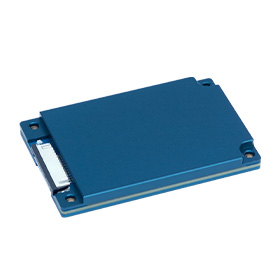
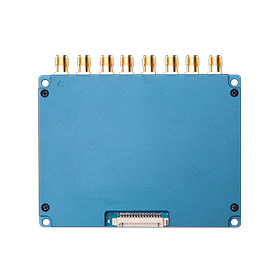
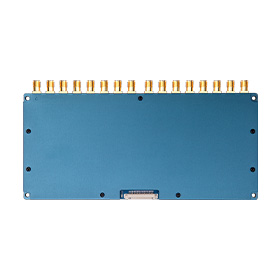
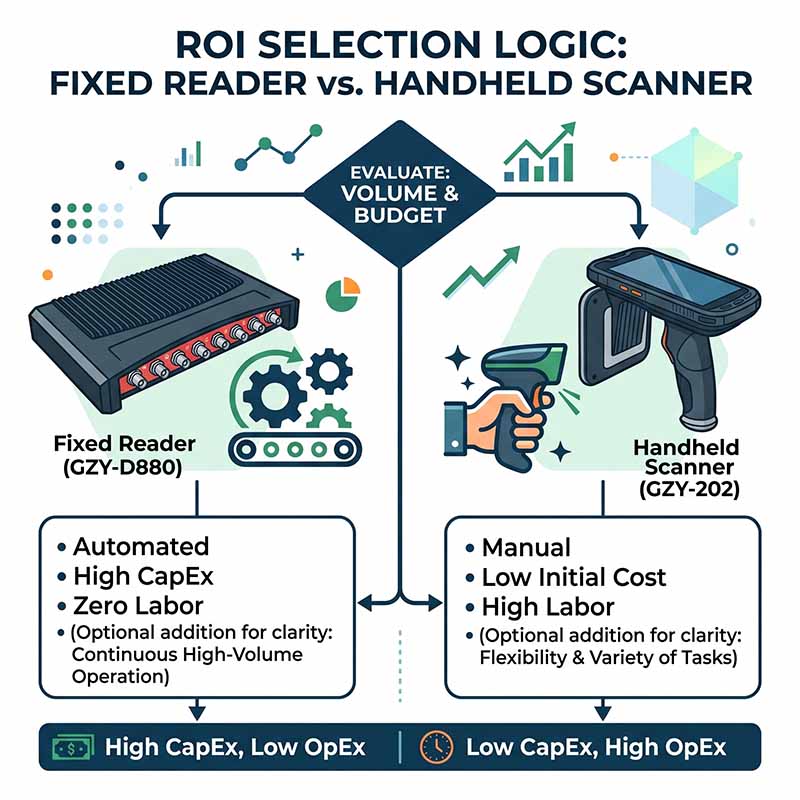
- Hardware Setup: It typically consists of a high-power processing unit connected via coaxial cables to multiple external antennas. For example, enterprise-grade models like the InfoWise GZY-D880 8-Ports Fixed RFID Reader allow you to connect up to eight antennas, providing complex, multi-directional coverage for wide warehouse dock doors.
- Power & Connectivity: Powered by POE+ (Power over Ethernet) or dedicated AC, sending continuous data streams directly to edge servers or middleware.
The RFID Scanner / Handheld (The Mobile Auditor)
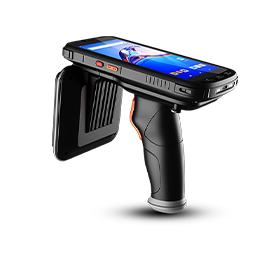
An RFID scanner (often called a handheld reader or sled) is a mobile device carried by warehouse staff.
- Core Function: It is used for manual, targeted tasks: exception handling, cyclic inventory counts, or locating specific misplaced assets using a "Geiger counter" functionality.
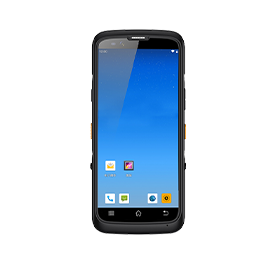
- Hardware Setup: It combines the RFID antenna, reader module, battery, and computing interface into a single ergonomic device. Purpose-built industrial devices like the InfoWise GZY-202 UHF RFID Handheld Reader run on enterprise Android OS and are designed to withstand physical drops on concrete floors.
- Power & Connectivity: Battery-dependent, transmitting batch or real-time data via Wi-Fi or Bluetooth.
How a UHF RFID Reader Actually Works (Beyond the Basics)
To understand why some hardware fails in the real world, you must understand the physics of UHF backscatter.
Unlike active Wi-Fi or Bluetooth, passive UHF tags have no battery. The reader acts as both the power source and the interrogator. It broadcasts a continuous wave of radio energy. When an RFID tag's antenna receives this wave, the tag powers up its microchip, alters the signal, and "backscatters" its unique EPC (Electronic Product Code) back to the reader.
In a commercial environment, a high-performance fixed reader doesn't just read one tag. Using the EPC Global Class 1 Gen 2 protocol, it performs complex anti-collision algorithms, identifying and capturing 500 to 700+ tags per second. This is why a forklift carrying a densely packed pallet can drive through a dock door at 10 mph and still achieve 100% read accuracy—if the hardware is specified correctly.
Fixed Readers vs. Handheld Scanners: The ROI Battle
Deciding between fixed infrastructure and mobile scanners comes down to balancing Capital Expenditure (CapEx) against Operational Expenditure (OpEx) and labor costs.
Metric |
Fixed UHF Reader Systems |
Handheld UHF Scanners |
|
Initial Cost (CapEx) |
High (Hardware, cabling, mounting, middleware integration). |
Low to Medium (Per-device cost). |
|
Labor Cost (OpEx) |
Near Zero (Fully automated scanning). |
High (Requires staff walking the floor to scan). |
|
Data Real-Time Accuracy |
100% Real-Time (Constant tracking at transition points). |
Batch/Periodic (Accuracy degrades between manual counts). |
|
Best For: |
Dock doors, conveyor sorting, smart cabinets, tool cribs. |
Retail floor counts, warehouse auditing, IT server locating. |
The Hybrid Approach: Most successful enterprise deployments use a combination. Fixed readers automate the primary movement of goods (e.g., from Receiving to Storage), while handheld scanners are issued to staff for daily cycle counts and troubleshooting.
4 Critical Factors That Kill Your UHF Read Rate
Most basic RFID blogs ignore the physics of the warehouse. If you deploy standard readers in a harsh industrial facility, your read rate will plummet. Here is what actually matters:
1. The "Metal and Liquid" Problem
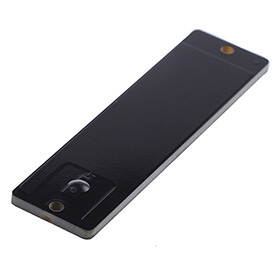
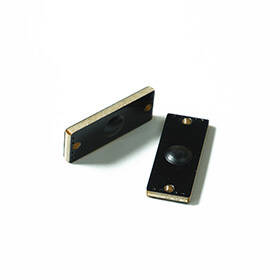
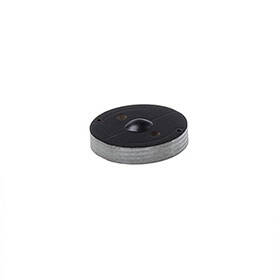
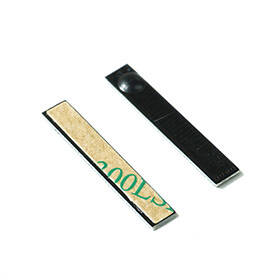
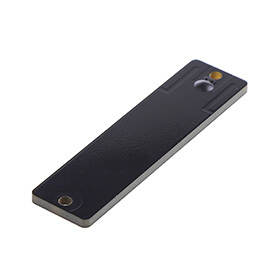
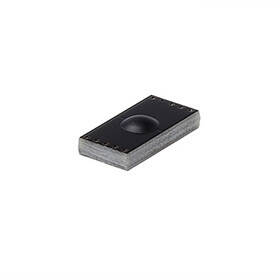
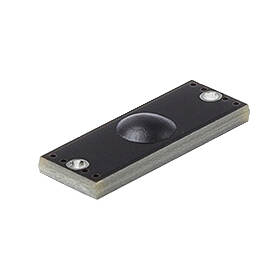
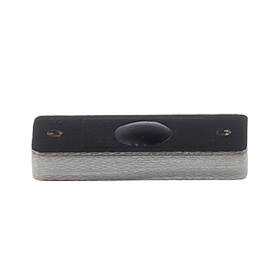
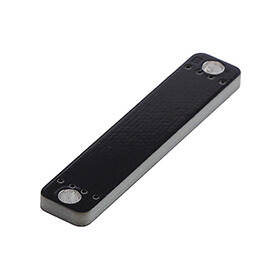
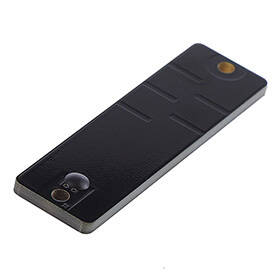
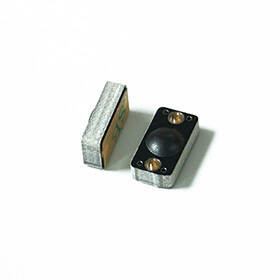
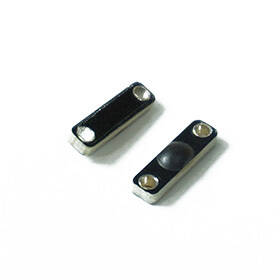
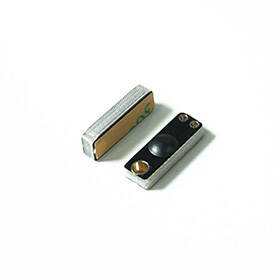
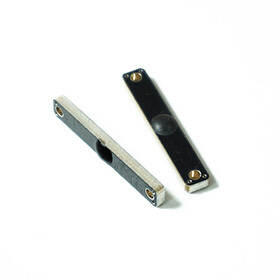
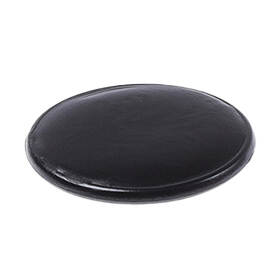
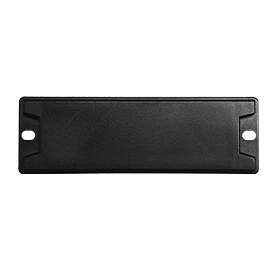
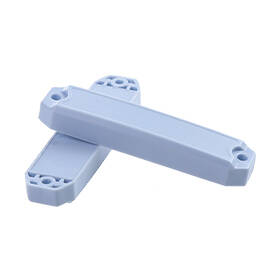
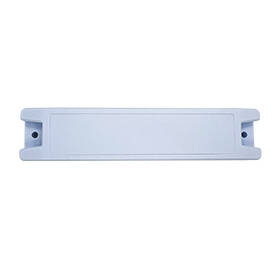
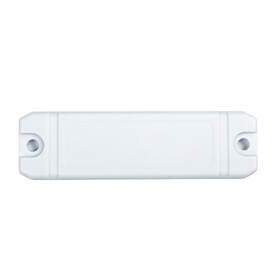
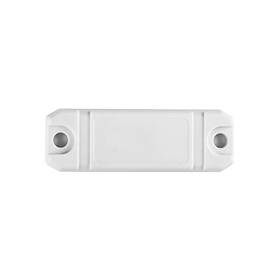
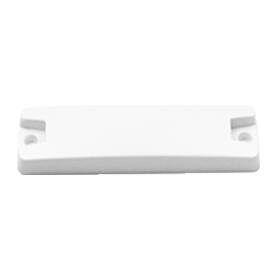
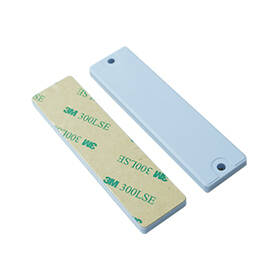
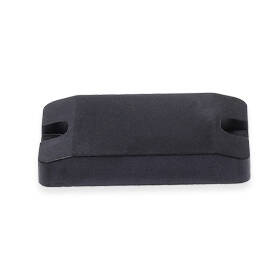
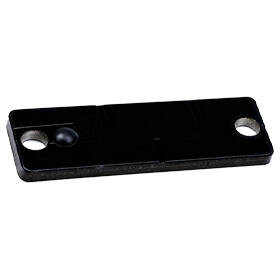
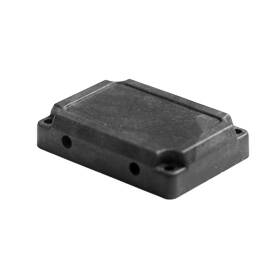
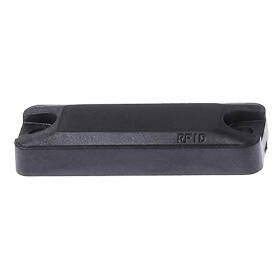
UHF radio waves reflect off metal surfaces and are absorbed by liquids. If you are tracking metal returnable transport items (RTIs) or liquid drums, a standard reader outputting 30dBm will just create chaotic signal reflections. You must pair high-sensitivity readers with specialized anti-metal tags that utilize the metal surface as an extension of the antenna.
2. Antenna Polarization: Linear vs. Circular
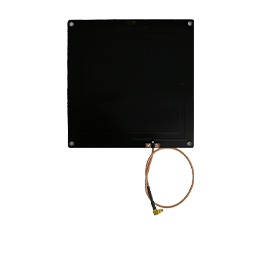
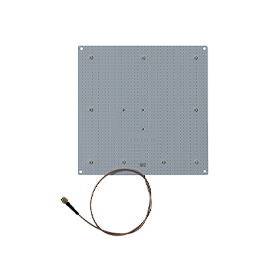
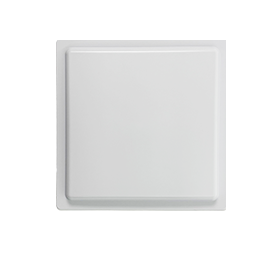
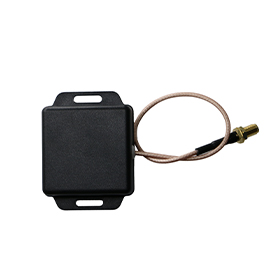
The external antennas connected to your fixed reader dictate the shape of the read zone:
- Linear Antennas: Emit highly concentrated, narrow radio waves. They offer a longer read range (up to 20+ meters) but require the RFID tag to be perfectly aligned with the antenna. Ideal for conveyor belts where box orientation is fixed.
- Circular Antennas: Emit waves in a corkscrew pattern. They have a shorter range but can read tags regardless of their orientation. Essential for pallets where tags might be facing different directions.
3. Reader Collision and Interference
If you install multiple fixed readers close to each other, their radio waves will overlap, causing "reader collision." A high-quality industrial reader supports Dense Reader Mode (DRM), automatically hopping frequencies to prevent interference with neighboring devices.
4. Overpowering the Zone (Ghost Reads)
More transmission power is not always better. Setting a reader to its maximum output in a small room will result in "ghost reads"—capturing tags sitting on shelves in the adjacent room through the drywall. Precise power tuning via hardware firmware is mandatory.
Selection Checklist: Matching Hardware to Industrial Scenarios
When evaluating technical spec sheets, demand answers to these parameters before purchasing:
- Ingress Protection (IP Rating): Warehouses are dusty; manufacturing plants undergo washdowns. Do not buy hardware rated below IP65 for industrial use. Our InfoWise hardware series offers IP67 ratings, making them completely dust-tight and capable of withstanding harsh weather for outdoor yard management.
- GPIO Capabilities: A fixed reader must interact with the physical world. Ensure it has GPIO (General Purpose Input/Output) ports to trigger light stacks, open dock doors, or activate motion sensors (so the reader only turns on when a forklift approaches).
- OS and Ergonomics (For Handhelds): Ensure the handheld scanner runs on a modern, enterprise-supported Android version. It should feature a pistol grip for long shifts and a battery capable of lasting at least 8-12 hours of continuous scanning.
Common Implementation Mistakes (The "Hidden" Costs)
Even with the best hardware, projects fail due to poor execution. Avoid these costly errors:
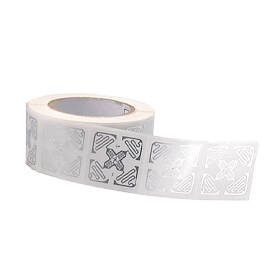
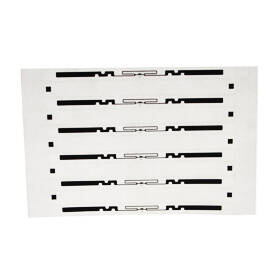
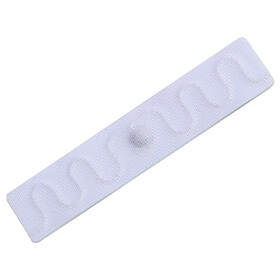
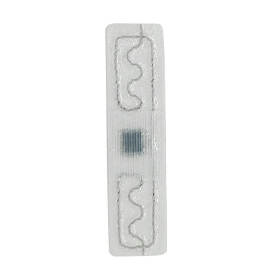
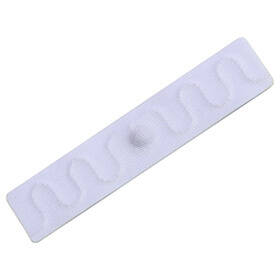
- Saving Pennies on Tags: Buying a premium industrial reader and pairing it with generic paper tags is the most common reason for system failure. The chip memory, antenna design, and adhesive of the tag must match the physical asset and the reader's capabilities.
- Ignoring Middleware: A UHF reader captures raw hex codes. If a pallet sits in front of a reader for 5 minutes, it will generate thousands of duplicate reads. Plugging a reader directly into your ERP without edge middleware to filter, aggregate, and translate that data will crash your server.
- Skipping the Site Survey: You cannot design an RFID system on paper. You must conduct a physical RF site survey to identify metal structures, existing Wi-Fi interference, and optimal antenna mounting angles.
FAQ: Everything You Still Don't Know About RFID Hardware
Q1: Can a UHF RFID scanner read barcodes as well?
A: Yes, enterprise-grade handheld RFID scanners usually feature a 2D imager on the front. This dual-functionality allows workers to scan legacy barcodes and UHF tags with a single device, easing the transition period.
Q2: What is the maximum read range of a fixed UHF reader?
A: Under optimal conditions with a high-gain antenna and a large tag, ranges can exceed 20 meters (65 feet). However, in realistic warehouse environments, systems are usually tuned for a deliberate, restricted range of 3 to 6 meters to avoid reading unintended assets.
Q3: What is the difference between an Integrated Reader and a Fixed Reader?
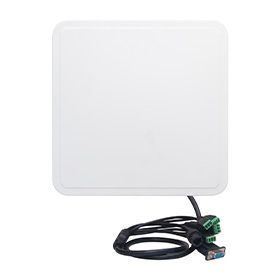
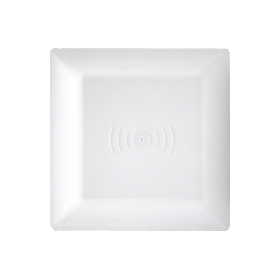
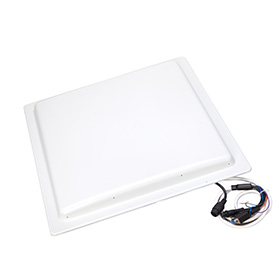
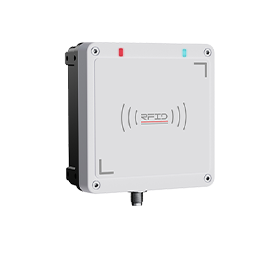
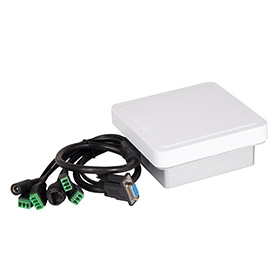
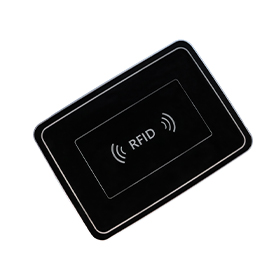
A: A fixed reader (like the GZY-D880) is a standalone engine that connects to external antennas. An integrated reader, such as the InfoWise GZY-605 Industrial Grade Integrated Reader, has the antenna and the reader module built into a single weatherproof housing. Integrated readers are easier to install and perfect for space-constrained areas like parking gates or single conveyor lines.
Q4: What happens if my Wi-Fi goes down? Will my handheld scanner lose data?
A: Industrial handheld scanners feature onboard memory. If the network drops, the device operates in "batch mode," storing thousands of scanned EPCs locally. Once reconnected to the Wi-Fi network, it automatically syncs the data to the central database.
Next Steps: Moving from Proof of Concept to Production
Choosing between an RFID reader and a scanner isn’t an either/or question—it’s about mapping the right hardware to the right workflow.
Before rolling out a facility-wide deployment, start with a Proof of Concept (PoC) targeting your most painful operational bottleneck. Test the hardware in your actual environment, on your actual assets, facing your actual environmental interference.
Stop guessing which UHF RFID hardware is right for your facility. Contact the InfoWise engineering team today to get expert selection advice, request free hardware sample testing, or receive a customized quote for your next project.
 Prev
Prev