





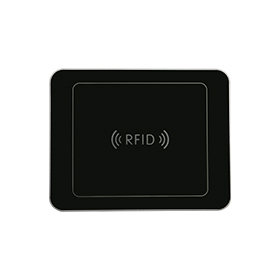
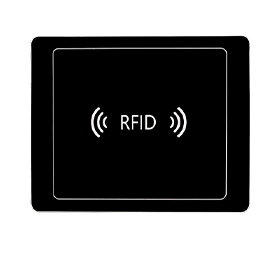
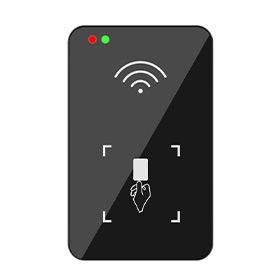

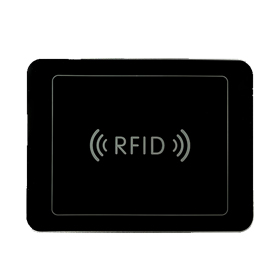
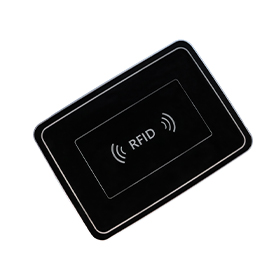















Understanding RFID reader cost is more than just looking at a price tag. In 2026, as IoT integration becomes standard, the "price" of a reader involves hardware, middleware connectivity, and long-term scalability. Whether you are looking for a simple rfid scanner for a retail boutique or a ruggedized system for a global logistics hub, this guide breaks down every cent of your rfid hardware cost.
What is an RFID Reader and Why Does Price Vary?
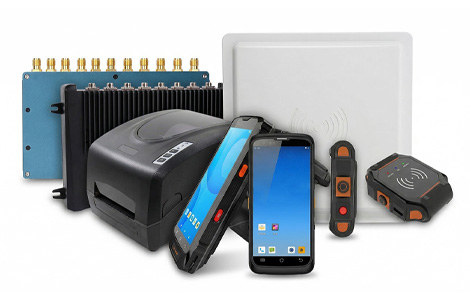
An RFID reader is the "brain" of any RFID system. It transmits radio waves to activate and read data from tags. However, the price gap between a $50 USB reader and a $3,000 industrial fixed reader is driven by processing power, read range, and environmental durability.
In 2026, the rfid price is increasingly influenced by "Edge Processing"—the ability of the reader to filter data before sending it to the cloud. When budgeting, you must distinguish between the raw rfid hardware cost and the total rfid system cost, which includes antennas, cables, and software licenses.
The Core Components of RFID Hardware Cost
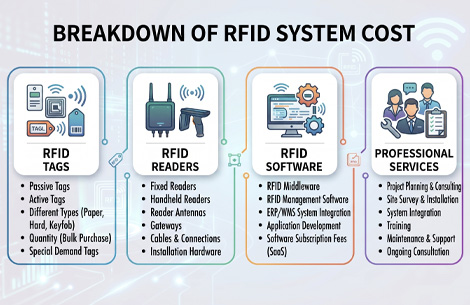
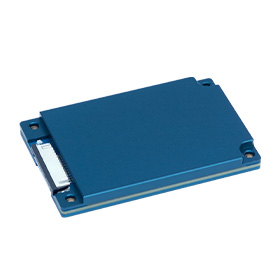
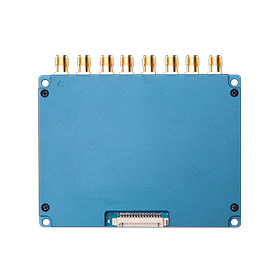
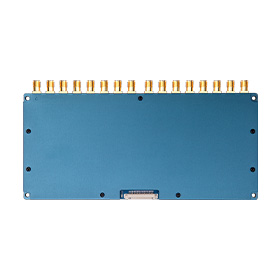
To understand the rfid reader cost, we must dismantle the device. You aren't just paying for plastic and wires; you are paying for:
1. The Radio Module: High-performance chips (like the Impinj E-series) offer faster read rates and better sensitivity.
2. Processor & Memory: Modern readers act like mini-computers, running Linux or Android to manage data locally.
3. Connectivity: Options like PoE+ (Power over Ethernet), Wi-Fi 6, and 5G modules add significant premiums but reduce installation labor.
4. Durability (IP Rating): A reader for a clean retail floor costs less than an IP67-rated device designed to survive rain, dust, and vibrations in a shipping port.
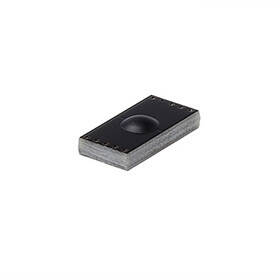
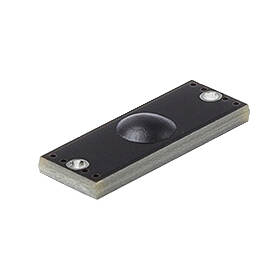
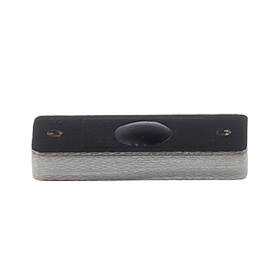
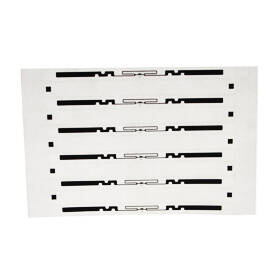
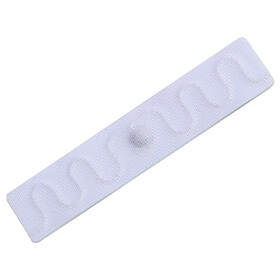
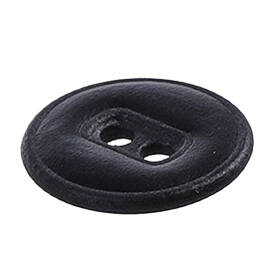
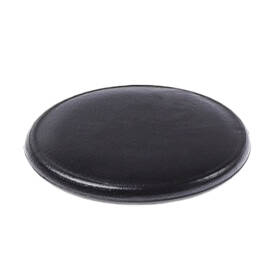
While budgeting for the reader is crucial, remember that the hardware is useless without the correct tags. The cost and material of the tags will also impact your overall ROI. If you are unsure which tag fits your environment (metal, liquid, or standard labels), read our comprehensive guide on [How to choose the right RFID Tag].
Handheld vs. Fixed: Choosing Your RFID Scanner
The most significant factor in your rfid price is the form factor.
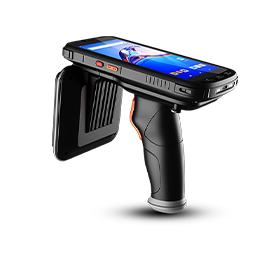
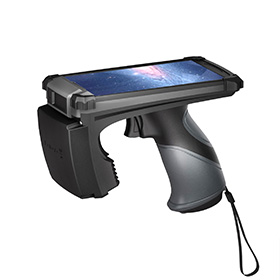
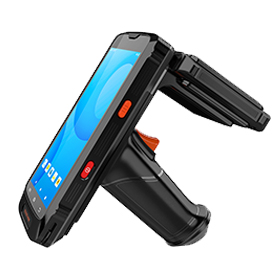
Handheld RFID Scanners ($600 – $2,500)
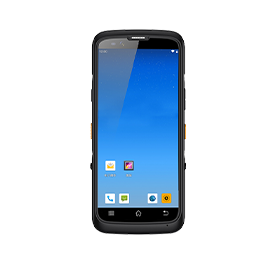
These are mobile devices, often built on Android, used for manual inventory counts.
- Entry-level: Bluetooth "sleds" that attach to smartphones.
- High-end: All-in-one ruggedized mobile computers with long-range "pistol grips."
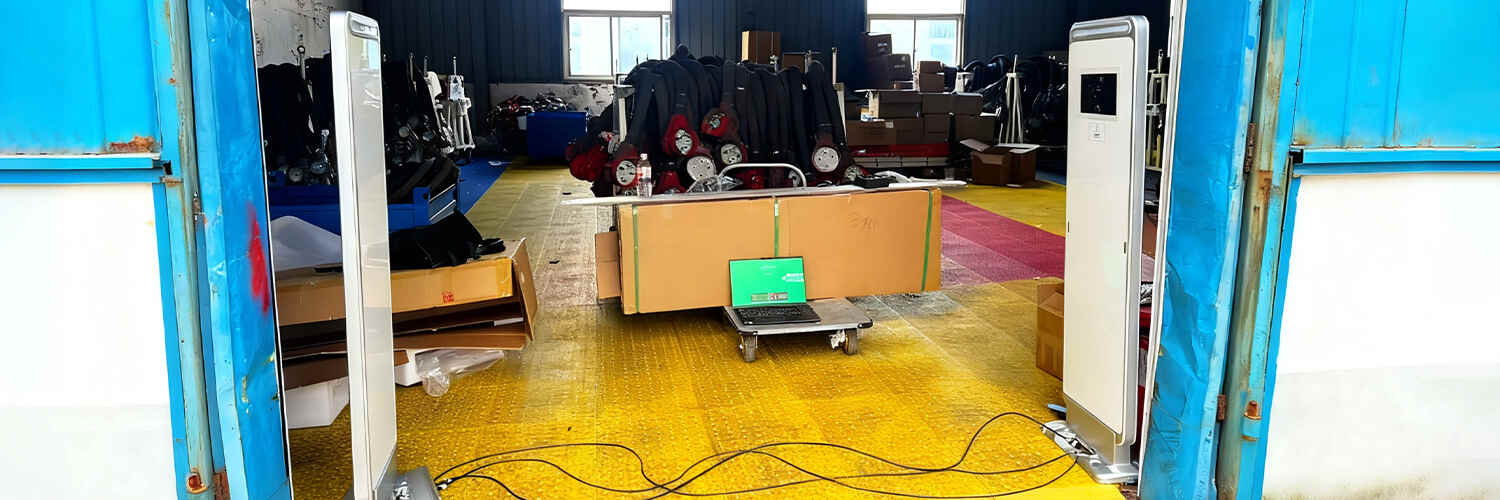
Fixed RFID Readers ($1,000 – $3,500+)
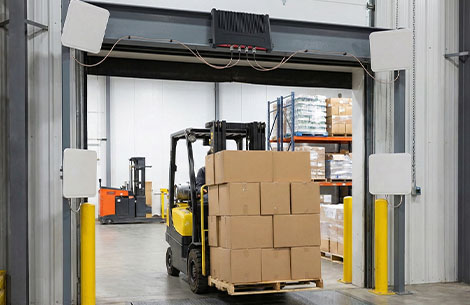
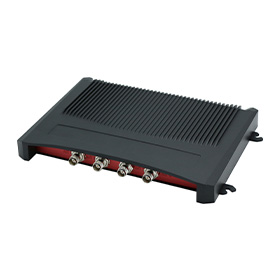
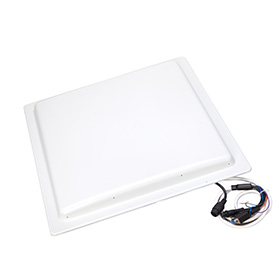
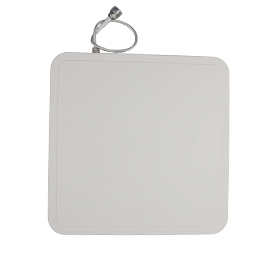
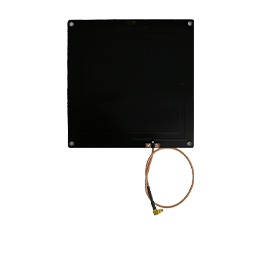
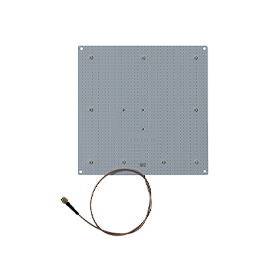
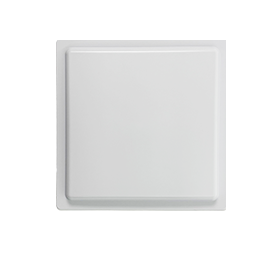
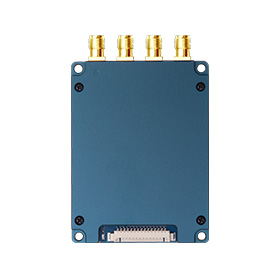
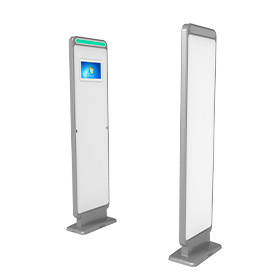
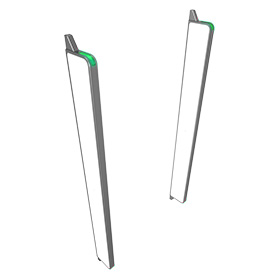
Fixed readers stay in one place (like a dock door). While the reader itself is expensive, you must also budget for external antennas ($150–$400 each) and high-quality RF cables. A 4-port fixed reader can monitor a wide area, making the "cost per square foot" lower than handhelds in large-scale deployments.
The most significant factor in your rfid price is the form factor. While we cover the price differences below, making the wrong choice can stall your entire project. For a deeper technical breakdown of which form factor suits your facility's workflow, dive into our [Fixed vs Handheld RFID] comparison.
Hidden Costs: The "Invisible" RFID System Cost
Many buyers make the mistake of only budgeting for the rfid scanner. To avoid project failure, you must account for these three "hidden" pillars:
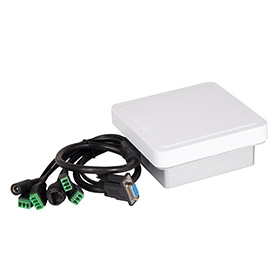
1. Cabling and GPIO ($100 - $500 per point)
Low-loss LMR-400 cables are essential to prevent signal degradation. Additionally, if you want your reader to trigger a light stack or a buzzer when a "bad" tag passes, you need GPIO (General Purpose Input/Output) accessories.
2. Middleware and Software Integration
A reader is a brick without software. Whether it's a one-time license or a monthly SaaS fee, software typically adds 20-30% to the initial rfid hardware cost.
3. Professional Site Survey
RFID is physics-based. Metal and liquid interfere with radio waves. A professional site survey ensures you don't buy 10 readers when 5 strategically placed ones would suffice.
RFID Price Guide 2026: Budgeting Categories
|
Reader Category |
Expected Price Range (USD) |
Best Use Case |
| USB/Desktop Reader |
$50 - $300 |
Retail POS, Document tracking |
|
Bluetooth Sled |
$500 - $1,200 |
Flexible retail inventory |
|
Industrial Handheld |
$350 - $1,000 |
Warehouse & Cold storage |
|
4-Port Fixed Reader |
$300 - $800 |
Dock doors, Portals |
|
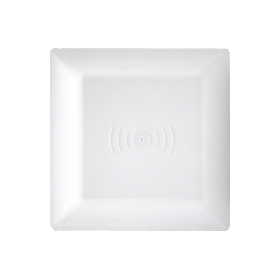
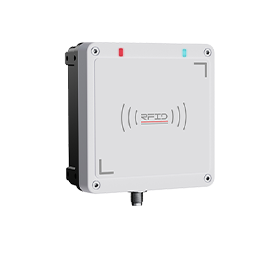
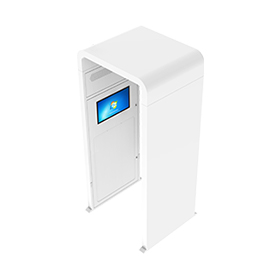
Integrated Reader |
$155 - $600 |
Smart cabinets, Kiosks |
How to Optimize Your RFID ROI
To get the best rfid reader cost, don't buy based on the lowest price; buy based on Read Accuracy. If a $500 reader has a 90% read rate and a $1,500 reader has a 99.9% read rate, the cheaper reader will cost you thousands in lost inventory and manual labor corrections over one year.
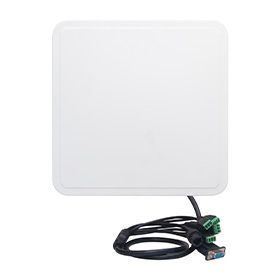
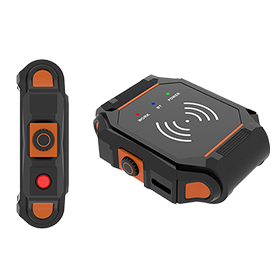
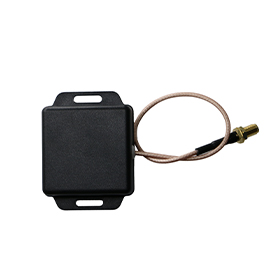
Pro Tip: Look for "Integrated" readers for smaller zones. These combine the reader and antenna into one housing, saving you money on cables and installation time.
Conclusion: Balancing Performance and Price
Investing in RFID is a marathon, not a sprint. While the initial rfid hardware cost may seem high, the reduction in labor hours and the increase in inventory accuracy (often from 65% to 99%) typically result in a "Payback Period" of less than 12 months.
FAQ: Frequently Asked Questions about RFID Costs
Does a higher rfid reader cost mean better range?
Generally, yes. Higher-priced readers have better "receive sensitivity," allowing them to pick up whispers from weak tags at longer distances.
Are there monthly fees for an rfid scanner?
The hardware is a one-time purchase, but most enterprise-grade systems require a software subscription for data management and device monitoring.
Can I use a cheap RFID reader for outdoor use?
No. Standard readers will fail due to moisture or extreme heat. You must invest in an industrial-grade reader with an IP66 or IP67 rating.
 Prev
Prev