








































The global supply chain has never been more complex. With the rise of cross-border e-commerce and the expansion of Asian manufacturing hubs, businesses are moving goods at unprecedented speeds and volumes. Relying on manual barcode scanning to track this massive flow of materials is no longer just inefficient—it is a critical bottleneck.
If you are wondering how to use RFID for inventory tracking to overcome these challenges, you are taking the first step toward true supply chain visibility. Radio Frequency Identification (RFID) technology eliminates line-of-sight requirements, allowing warehouses and distribution centers to read hundreds of items simultaneously.
This comprehensive guide will break down modern RFID logistics solutions, exploring how to implement an effective system, track large pallets over long distances, and utilize the right tags to optimize your operations.
The Evolution of Supply Chain Visibility: Why RFID?
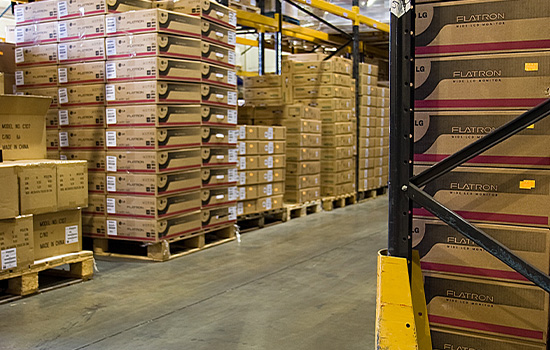
The journey from a manufacturing plant in Asia to a distribution center in Europe or North America involves multiple touchpoints: factories, transit warehouses, customs checkpoints, and final delivery hubs. At each stage, the risk of inventory loss, misrouting, or delay increases.
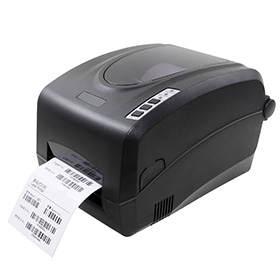
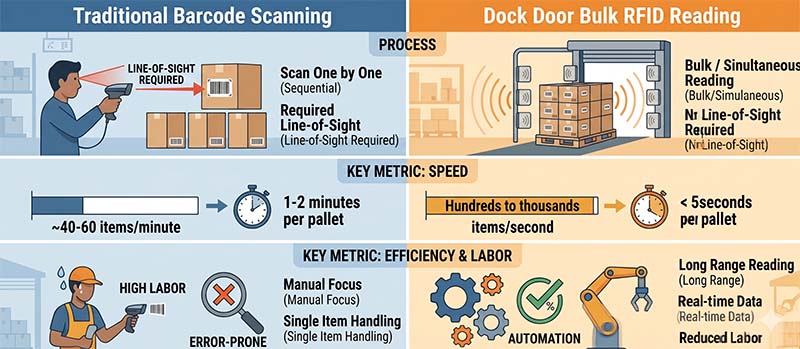
Traditional inventory management relies on barcodes, which demand manual scanning, single-item processing, and direct line of sight. In a high-volume logistics environment, this translates to thousands of wasted labor hours and inevitable human error.
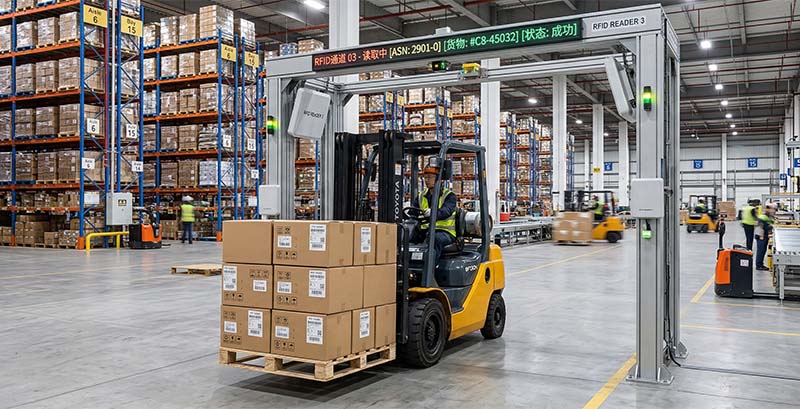
By upgrading to an RFID asset tracking system, companies shift from reactive stock counting to proactive visibility. RFID technology uses radio waves to capture data from tags attached to objects. This means a pallet carrying hundreds of individual cartons can be fully scanned the moment it passes through a loading dock door, without a worker ever needing to break down the pallet or scan individual boxes. The result is near 100% inventory accuracy, significantly reduced labor costs, and real-time data integration with your core management software.
How to Use RFID for Inventory Tracking: A Step-by-Step Guide
Implementing RFID is not just about buying hardware; it requires a strategic approach aligning physical tags with digital software. Here is how to build a robust RFID stock management framework from the ground up.
1. Choose the Appropriate Tags and Hardware
The foundation of your system lies in the tags. Not all tags are created equal. You must select tags based on the material of the items being tracked (metal and liquid can interfere with radio waves) and the required read range. Active tags have their own power source for extreme distances, but passive UHF (Ultra-High Frequency) tags are the industry standard for inventory due to their low cost and excellent range.
2. Set Up Readers and Antennas
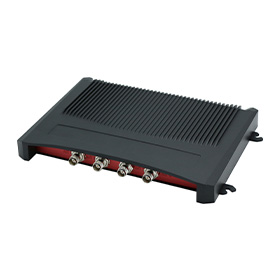
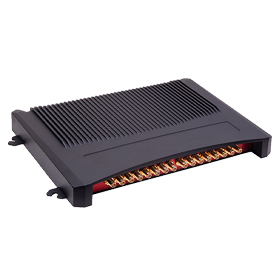
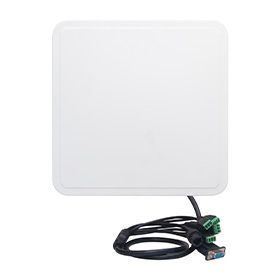
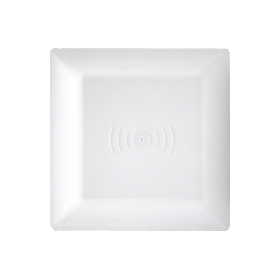
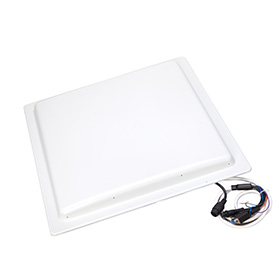
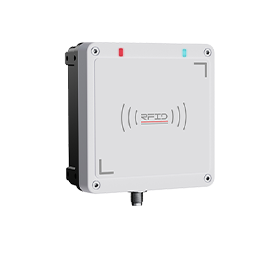
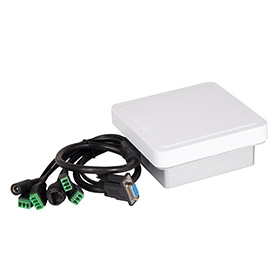
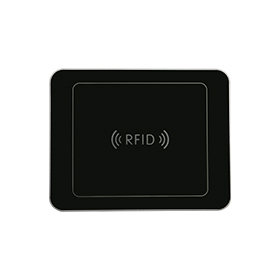
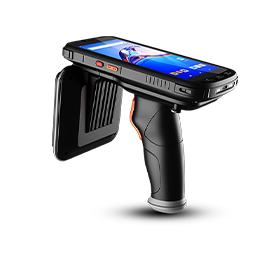
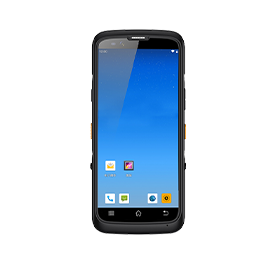
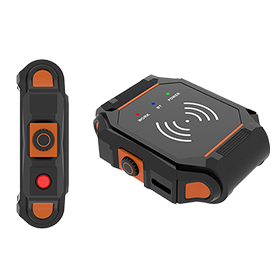
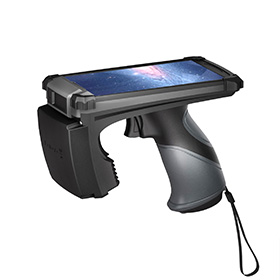
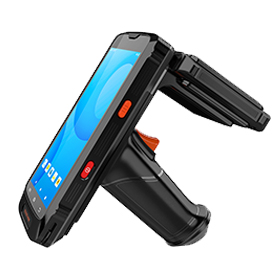
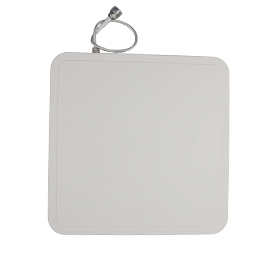
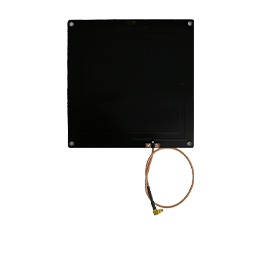
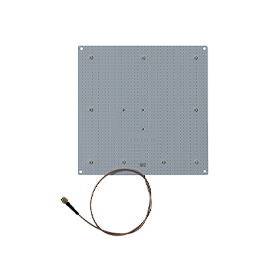
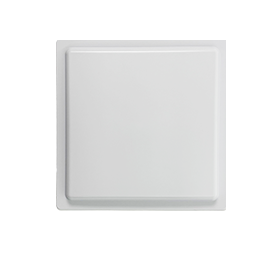
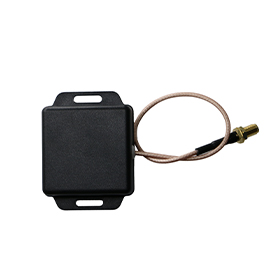
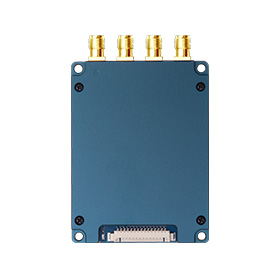
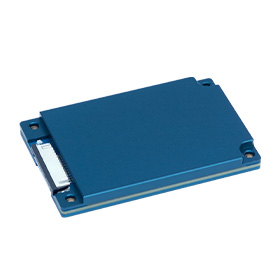
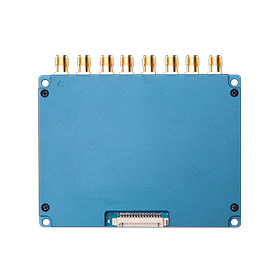
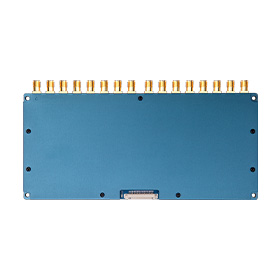
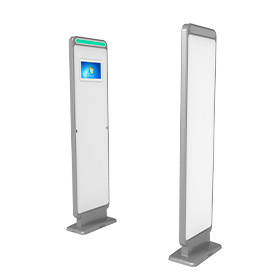
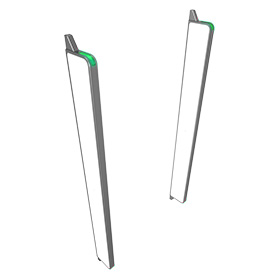
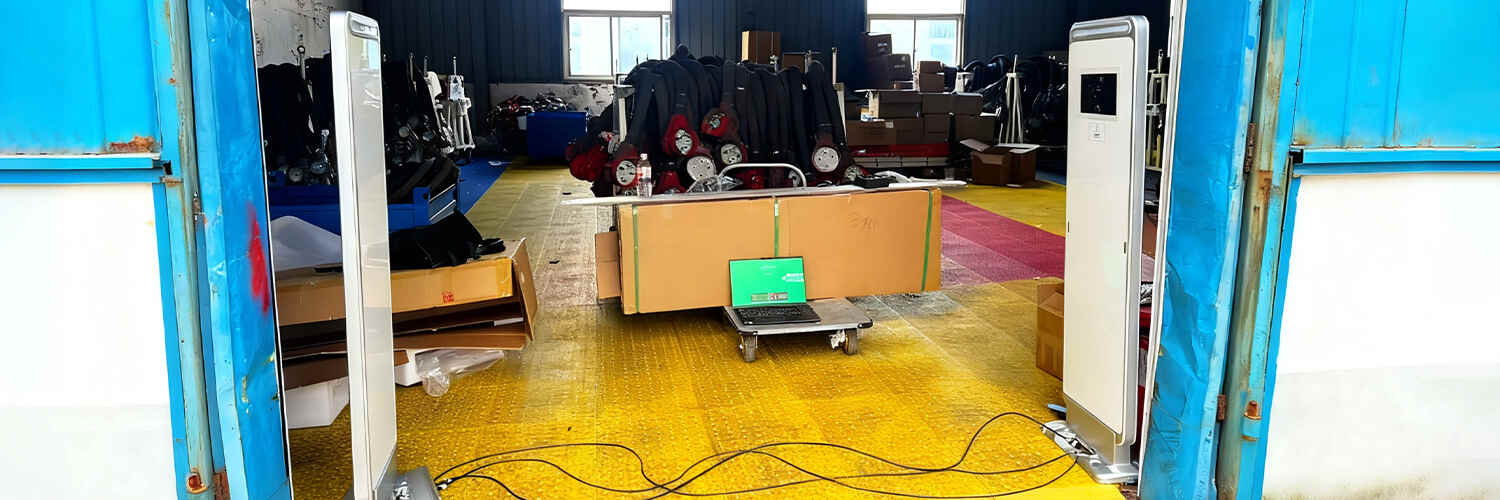
To capture the data, you need RFID readers and antennas strategically placed at choke points. Fixed readers are typically installed at dock doors, conveyor belts, and warehouse entrances. When goods pass through these portals, the readers instantly capture the data. Handheld readers are also crucial for cycle counting and locating specific items deep within warehouse aisles.
3. Integrate RFID Inventory Management Software
Hardware is useless without the brain to process the data. Implementing robust RFID inventory management software connects your physical scans to your central database or ERP system. This software filters out duplicate reads, translates raw tag data into actionable inventory movements, and triggers automated alerts when stock levels fall below optimal thresholds or when a pallet is routed to the wrong shipping lane.
Advanced RFID Logistics Solutions for Pallet Tracking
In cross-border logistics, tracking individual items is often secondary to tracking bulk movements. Pallet tracking is where advanced RFID logistics solutions truly shine, providing macro-level visibility across international supply chains.
Leveraging Large UHF Tags for Long-Range Reads
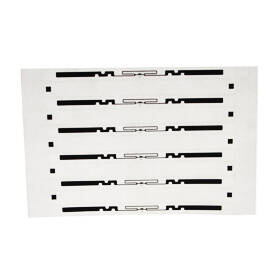
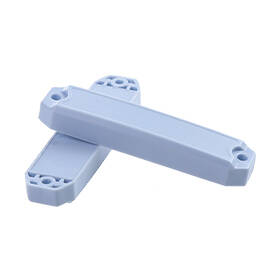
When dealing with massive warehouses and high-speed forklifts, you need significant read ranges. Standard retail tags are insufficient for pallet-level tracking. Instead, operations rely on large-format passive UHF tags. Because these tags have larger antennas, they can reflect a stronger signal back to the reader.
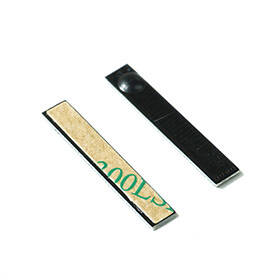
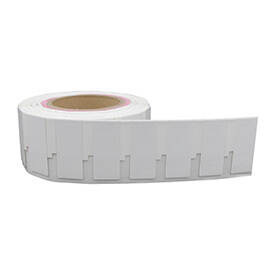
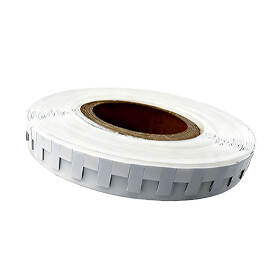
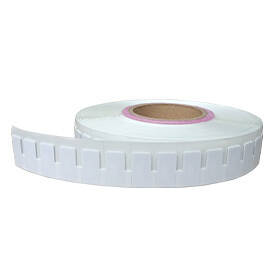
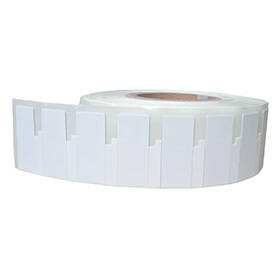
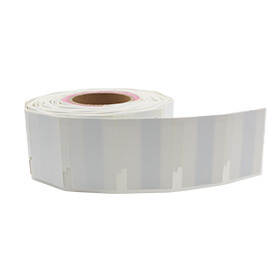
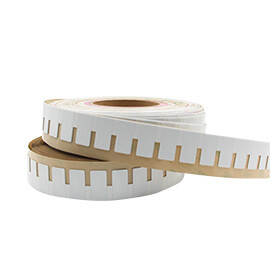
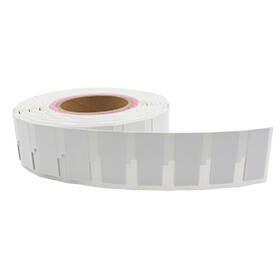
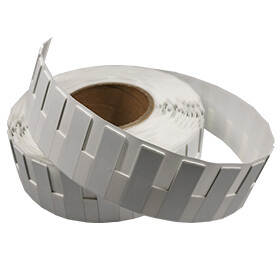
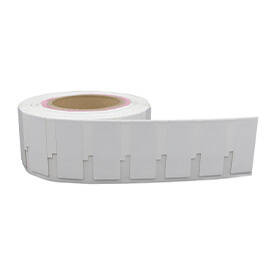
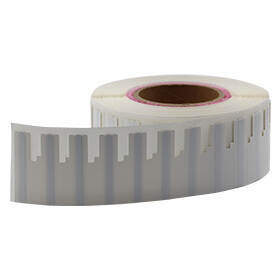
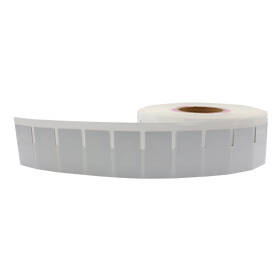
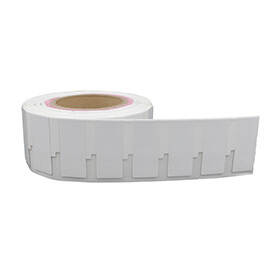
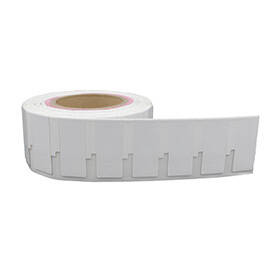
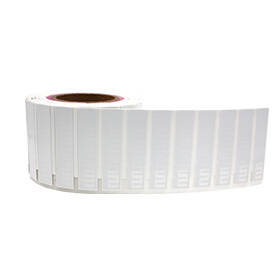
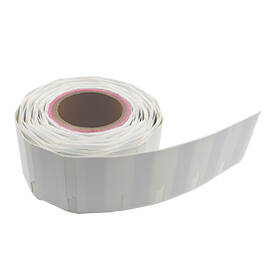
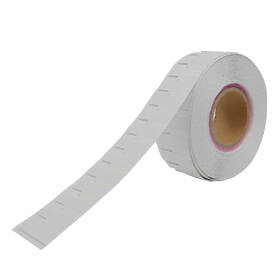
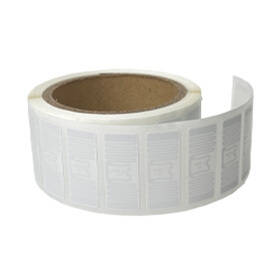
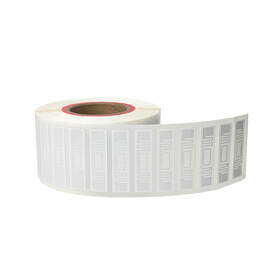
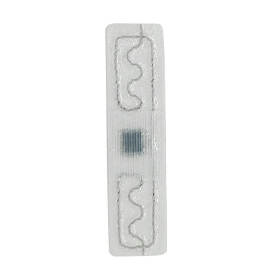
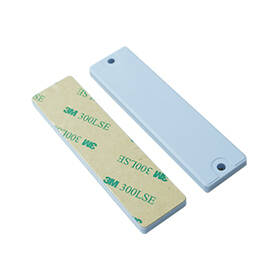
For tracking large pallets across extensive distribution centers, utilizing a high-performance UHF RFID sticker is essential. These stickers can be easily applied to shrink-wrapped pallets or shipping containers, ensuring that portals capture the data accurately from several meters away, even when forklifts are moving at full speed.
Weathering the Elements in Outdoor Logistics
Supply chains do not exist purely in climate-controlled environments. Pallets are frequently left in outdoor holding yards, exposed to rain, snow, and intense UV radiation. Sea freight and open-air Asian manufacturing staging areas demand ruggedized solutions.
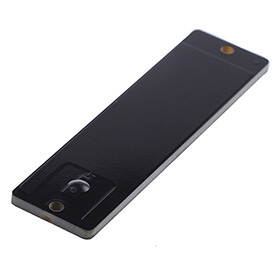
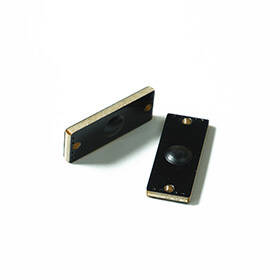
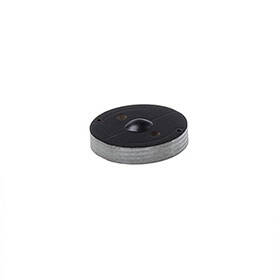
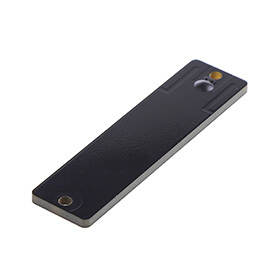
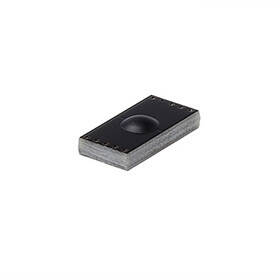
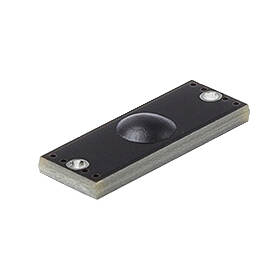
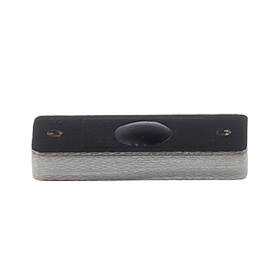
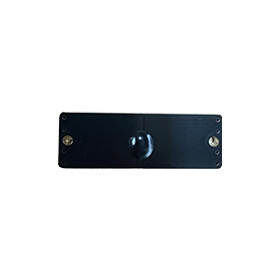
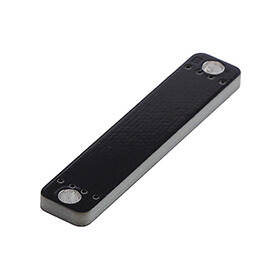
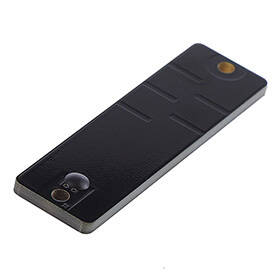
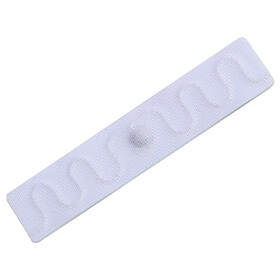
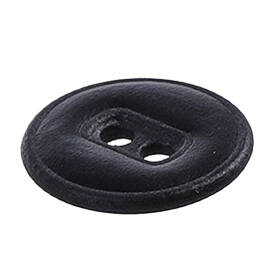
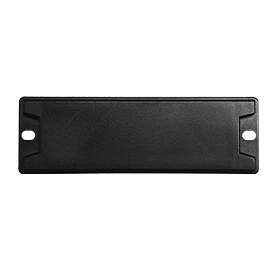
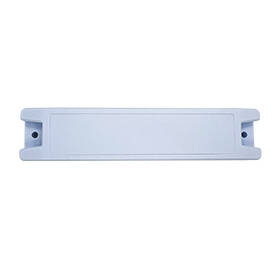
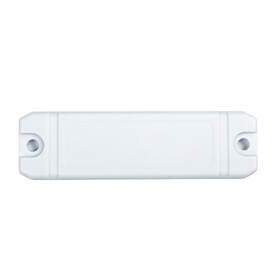
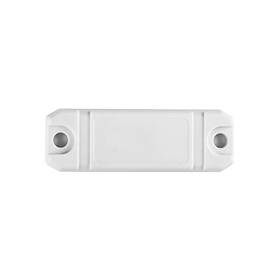
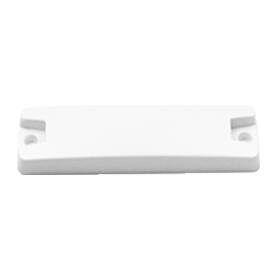
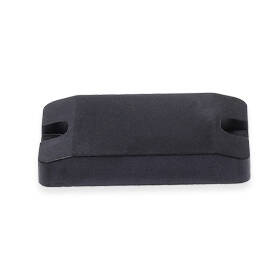
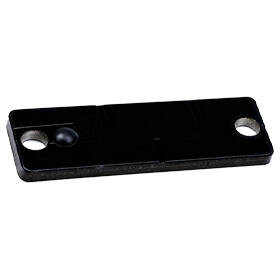
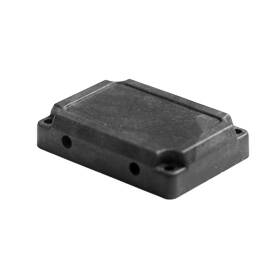
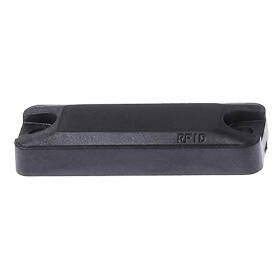
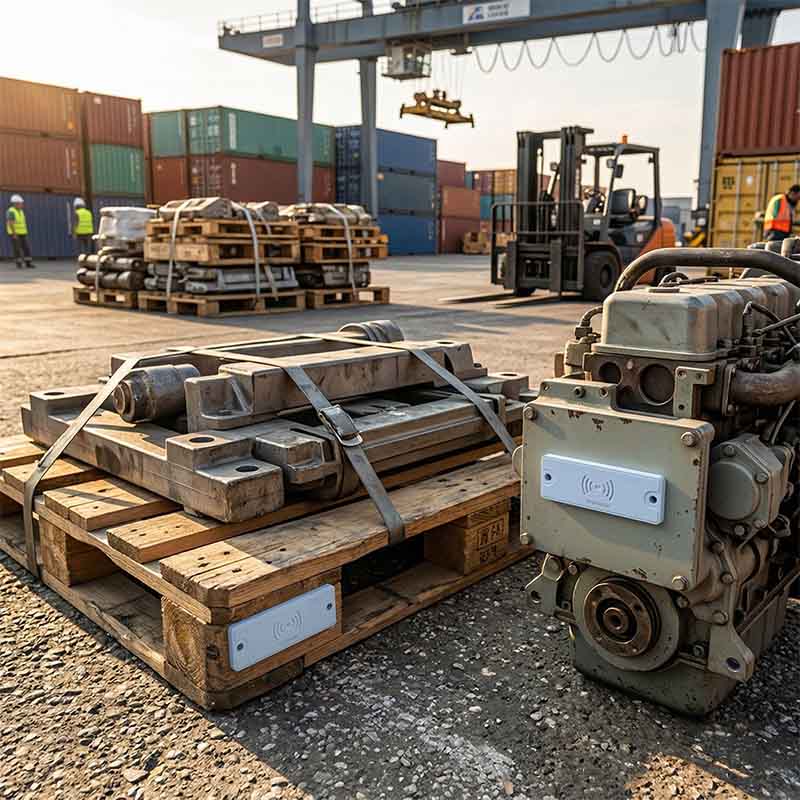
Standard paper labels will degrade instantly in these conditions. Outdoor logistics require highly durable, weather-resistant equipment, making waterproof RFID tags the standard for reliable exterior asset tracking. Encased in rugged plastics or specialized polymers, these tags protect the internal microchip and antenna from moisture, chemicals, and physical impact, ensuring consistent readability regardless of the environment.
Building a Future-Proof RFID Asset Tracking System
An effective RFID implementation goes beyond just knowing how much stock you have; it is about tracking the returnable transit items (RTIs) that move that stock. Pallets, bins, and custom shipping containers are expensive assets. Losing them disrupts the supply chain and inflates operational costs.
Tracking Returnable Transit Items (RTIs)
By tagging your reusable containers, an RFID asset tracking system creates a closed-loop visibility network. You know exactly when an empty container leaves your facility, when it arrives at the supplier in Asia, and when it returns full of goods. This prevents hoarding, reduces shrinkage of expensive logistical assets, and optimizes the circulation of containers.
Integrating with IoT and Blockchain
The future of RFID logistics solutions involves integration with broader technologies. Combining RFID with IoT temperature sensors allows for real-time cold chain monitoring. Furthermore, integrating RFID data with blockchain ledgers provides unalterable proof of origin and chain of custody, a massive advantage for cross-border customs clearance and compliance.
Cost Analysis: Understanding RFID Tag Price and ROI
Historically, the primary barrier to RFID adoption was cost. However, the technology has matured rapidly.
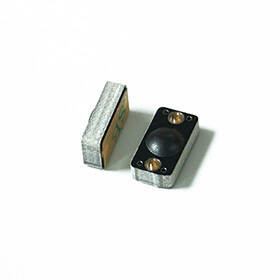
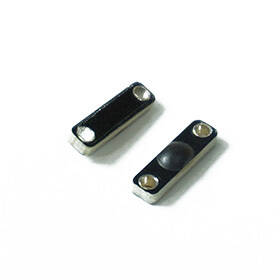
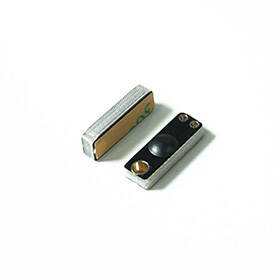
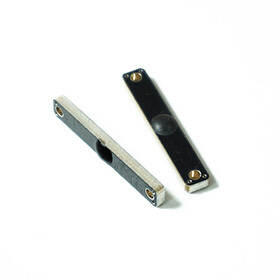
Understanding the RFID tag price is crucial for calculating your Return on Investment (ROI). Standard passive UHF tags have plummeted in price, often costing just cents per unit when ordered in bulk. Specialized tags—such as ruggedized waterproof versions or on-metal tags—carry a higher premium but offer unparalleled durability and performance for demanding logistics scenarios.
When calculating ROI, look beyond the upfront hardware and tag costs. The true financial return of an RFID stock management system is realized through:
- Labor Reduction: Slashing cycle counting times from days to hours.
- Inventory Optimization: Reducing safety stock levels because of higher inventory accuracy (often improving from 65% to 99%).
- Loss Prevention: Drastically cutting down on lost pallets and misplaced high-value goods.
- Chargeback Elimination: Preventing shipping errors that lead to costly retailer chargebacks.
For most modern logistics centers, the system pays for itself within 12 to 18 months of deployment.
Frequently Asked Questions (FAQ)
1. What is the difference between active and passive RFID tags?
Passive tags do not have an internal power source; they draw power from the reader's radio waves and are ideal for inventory and pallet tracking due to their low cost. Active tags have batteries, broadcast their own signal over very long distances, and are typically used for high-value vehicle or yard management.
2. Can an RFID chip sticker replace traditional barcodes completely?
While an RFID chip sticker offers vastly superior speed and automation, most supply chains use a hybrid approach. RFID tags usually feature a printed barcode on their face as a fail-safe backup for smaller partners in the supply chain who may not yet have RFID reader infrastructure.
3. How accurate is RFID inventory management software?
When properly configured with the right tags and reader placement, RFID software can achieve inventory accuracy rates of 99% or higher, compared to the 65-75% accuracy typically seen with manual barcode tracking.
4. Are RFID tags affected by materials like metal or water?
Yes, standard radio waves can bounce off metal or be absorbed by liquids. However, specialized on-metal tags and flagged tags are explicitly designed to overcome these physical limitations, making it possible to track almost any material.
 Prev
Prev