












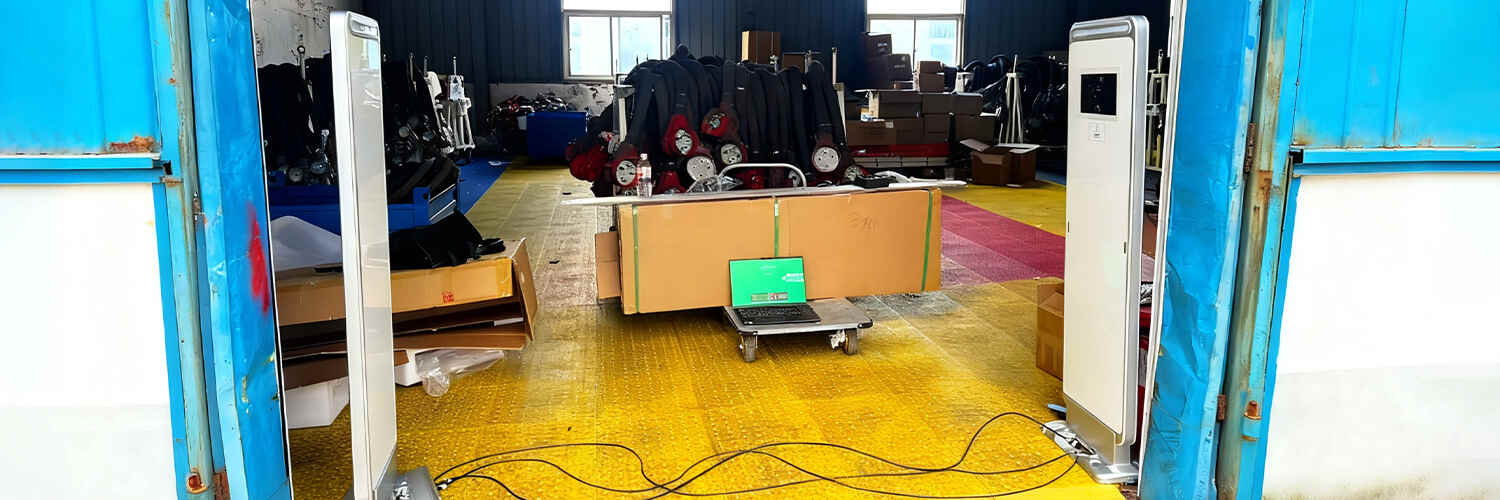




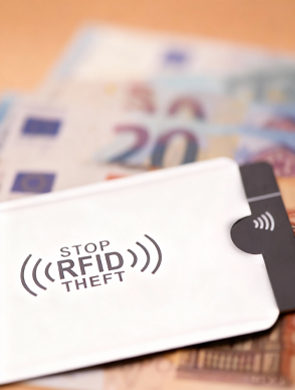





Many companies explore RFID because they want faster warehouse operations, better inventory visibility, and fewer manual errors.
If you are new to RFID, it helps to first understand how RFID technology works before comparing solutions.
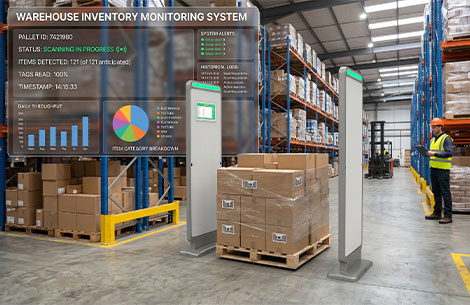
RFID system improving warehouse supply chain visibility and inventory accuracy
But one common mistake is treating RFID as just a barcode replacement.It is not.
RFID changes how supply chain data is captured, updated, and used across receiving, storage, picking, shipping, and asset tracking.
When implemented correctly, RFID can reduce labor dependency, improve inventory accuracy, and create real operational ROI. When implemented poorly, it becomes an expensive pilot project that never scales.
This guide explains the real benefits of RFID in supply chain management, where it works best, where it does not, and how to choose the right solution.
What Changes After RFID Implementation?
Traditional supply chain operations rely heavily on manual scanning and human confirmation.
That often creates delays such as:
- Inventory updates happening hours later
- Misplaced pallets or cartons
- Picking errors
- Inaccurate stock counts
- Labor-intensive cycle counting
RFID automates identification without line-of-sight scanning.
That means products, pallets, bins, or assets can be detected automatically as they move through the warehouse.
The result is not just faster scanning — it is a more visible and controllable supply chain.
Key Benefits of RFID in Supply Chain Management
1. Higher Inventory Accuracy
Many warehouses run with hidden inventory errors.
RFID helps maintain more accurate stock data through automated reads at receiving, storage zones, exits, and cycle count points.
This reduces:
- Missing inventory
- Duplicate records
- Manual counting mistakes
2. Faster Receiving and Shipping
Instead of scanning cartons one by one, RFID allows bulk reading of tagged items.
This can significantly reduce time spent on:
- Inbound receiving
- Outbound verification
- Dock door processing
3. Lower Labor Costs
Warehouses often use labor for repetitive scanning tasks.
RFID can reduce dependence on manual verification, allowing teams to focus on exceptions and higher-value work.
4. Real-Time Visibility
Managers can see movement status faster:
- Goods received
- Picked orders
- Shipment departures
- Asset locations
This supports faster decisions and fewer delays.
5. Better Traceability
RFID is valuable for industries requiring movement history and compliance, including:
- Manufacturing
- Medical devices
- Retail distribution
- Automotive parts
Example: RFID Asset Management in a Tertiary Hospital
A hospital asset management deployment achieved:
- Annual inventory cycle reduced from weeks to 3 days
- Inventory accuracy improved to 99.9%
- Duplicate purchases reduced by 30%
- Asset loss reduced by 90%
Where RFID Creates the Best ROI
RFID does not create equal value in every environment.
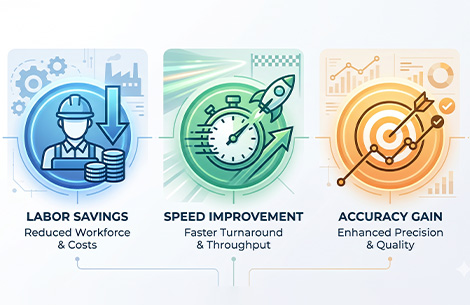
RFID return on investment in warehouse logistics and inventory management
Best-fit scenarios include:
High SKU Warehouses
High-volume operations often benefit most from RFID warehouse management solutions with real-time inventory visibility.
High Throughput Operations
Frequent inbound and outbound movement increases ROI.
Labor-Constrained Operations
If staffing is expensive or difficult, RFID becomes more attractive.
Error-Sensitive Supply Chains
When shipping mistakes are costly, RFID delivers measurable value.
RFID adoption is especially common in:
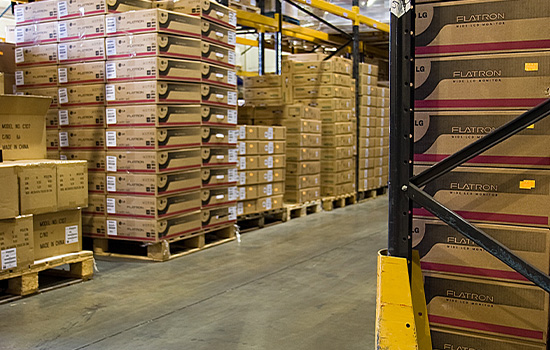
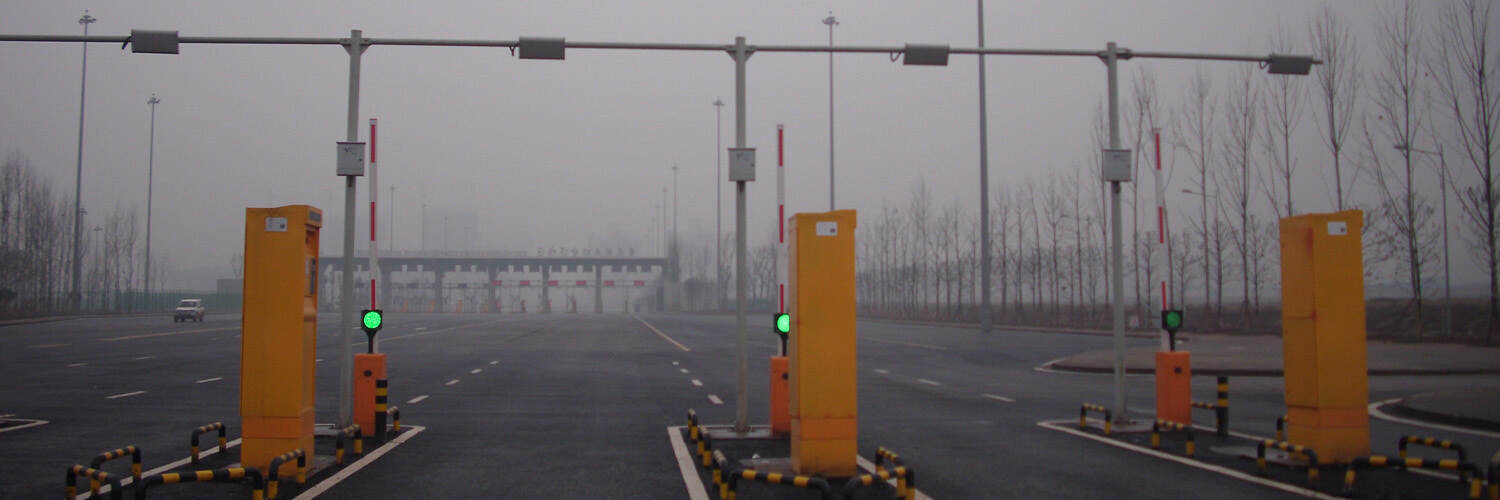
- Warehouse logistics
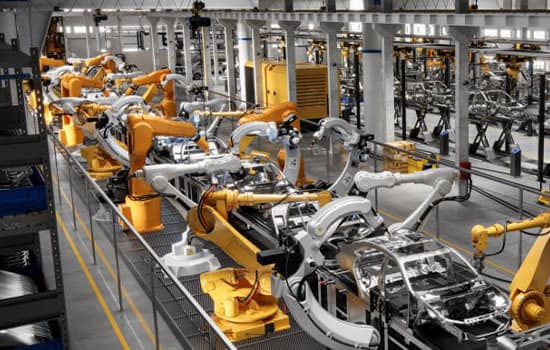
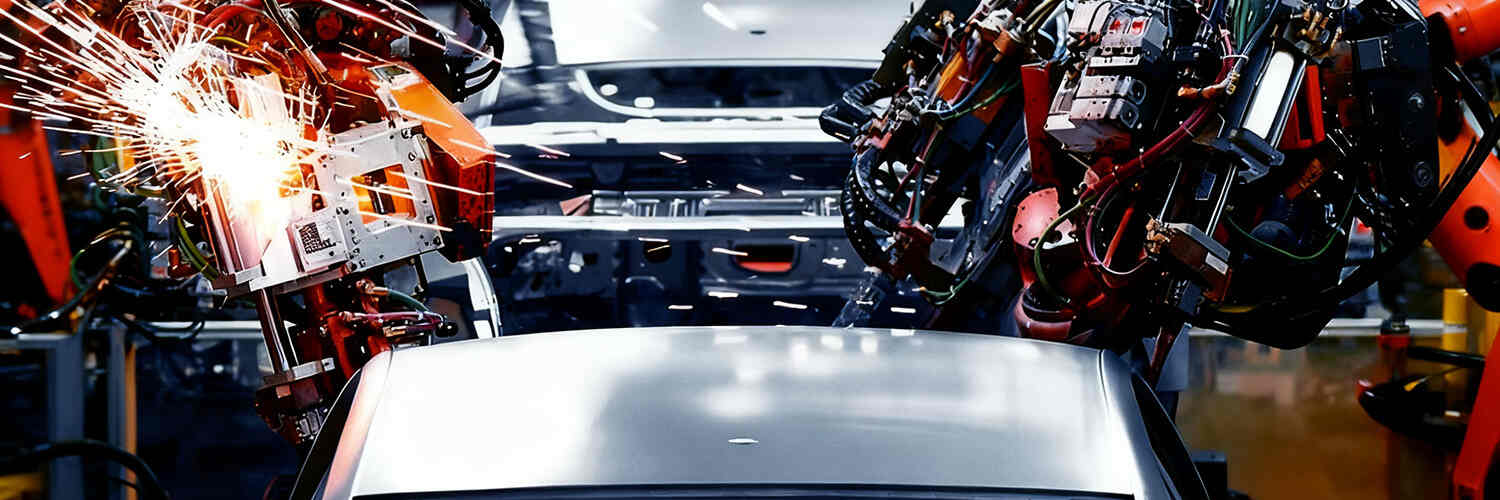
- Automotive manufacturing
- Healthcare asset control
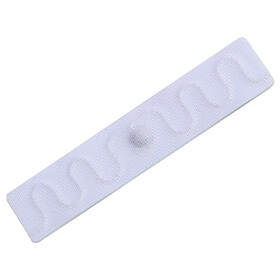
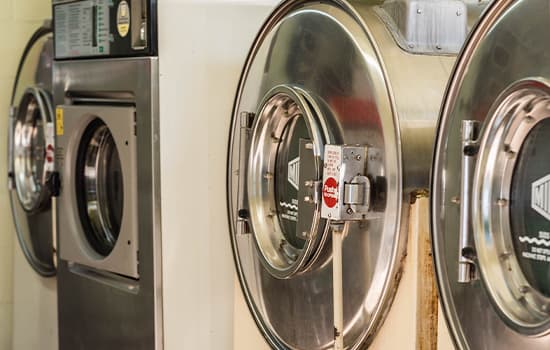
- Laundry tracking
- Retail inventory management
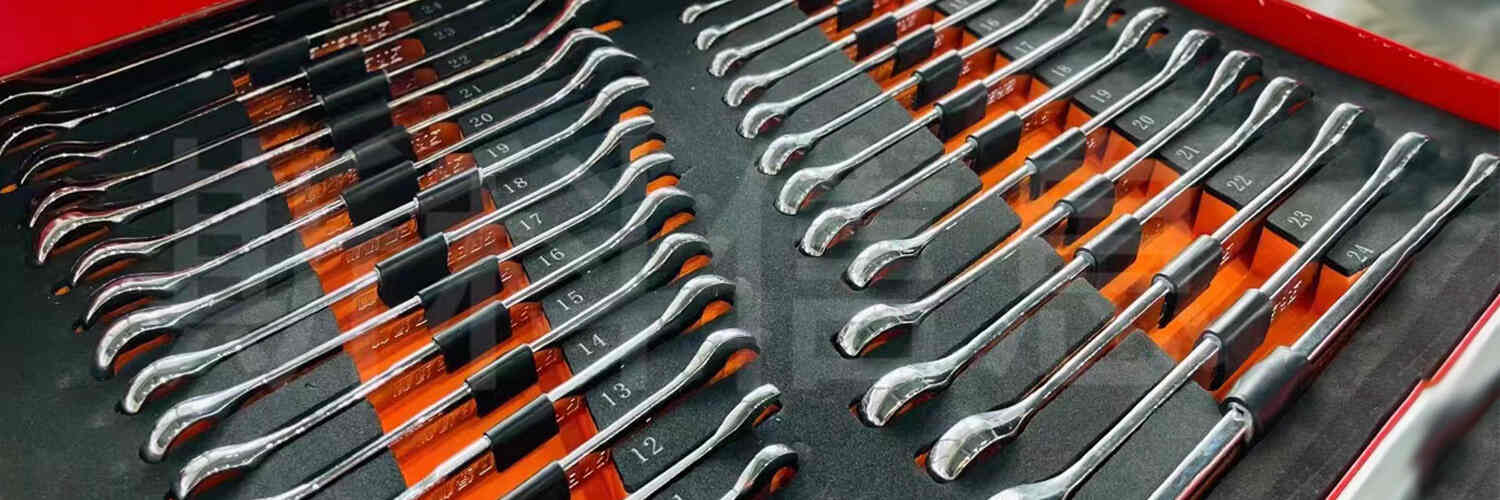
- Tool tracking
- IT asset management
When RFID May Not Be the Best Choice
RFID is not always suitable.
Lower ROI scenarios include:
- Low-volume storage sites
- Single-SKU warehouses
- Very low labor-cost environments
- Operations with minimal inventory errors
In some cases, barcode systems remain more cost-effective.
Real Costs of RFID Supply Chain Solutions
Many buyers underestimate total project cost.
RFID investment usually includes:
RFID Tags
Typical RFID tag pricing depends on materials, durability, and application environment:
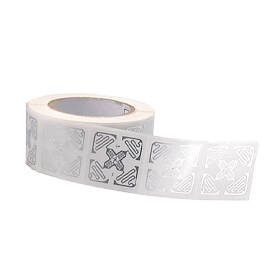
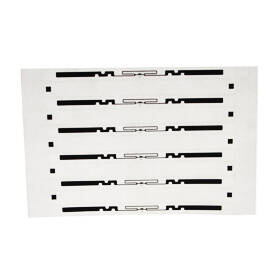
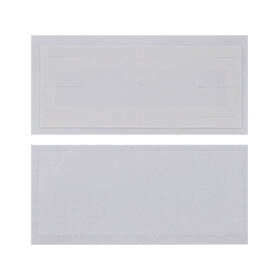
- RFID stickers: $0.044 – $0.12 / pcs
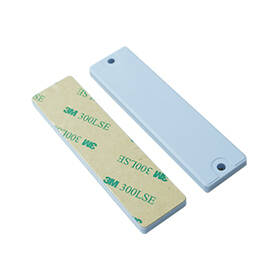
- Printable RFID on-metal labels: $0.19 – $0.51 / pcs
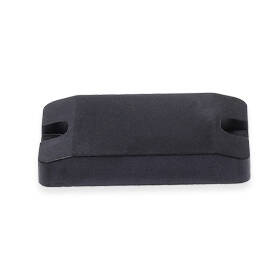
- RFID FR4 anti-metal tags: $0.24 – $0.59 / pcs
For industrial or reusable assets, higher-grade tags often deliver better long-term ROI.
Readers and Antennas
Reader pricing varies by deployment type:
- Handheld RFID readers: $350 – $1000
- Fixed / integrated RFID readers: $300 – $1000
The right choice depends on whether your operation requires mobile inventory checks or automated gate scanning.
Software Integration
Connection to ERP, WMS, MES, or custom systems.
Site Engineering
Read-zone tuning, interference testing, installation, and optimization.
Ongoing Maintenance
Device support, replacements, calibration, system updates.
Common RFID Implementation Mistakes
1. Choosing Tags by Price Only
Cheap tags that fail in real conditions cost more later.
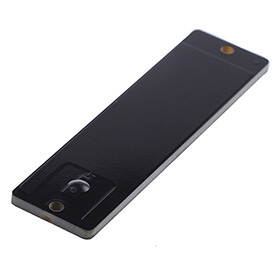
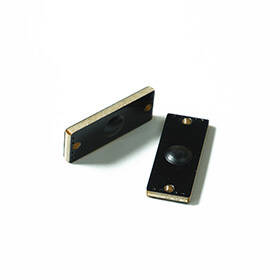
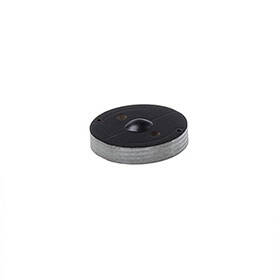
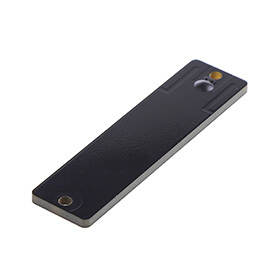
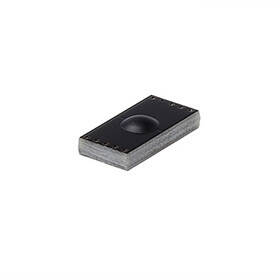
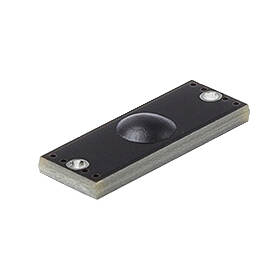
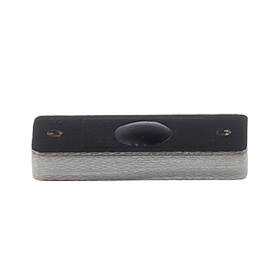
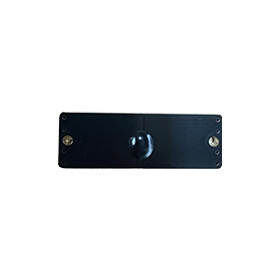
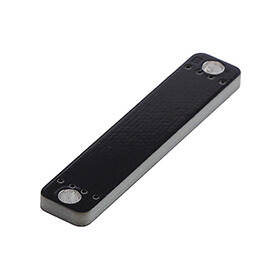
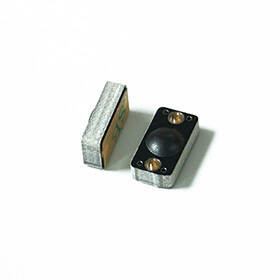
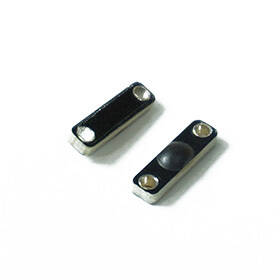
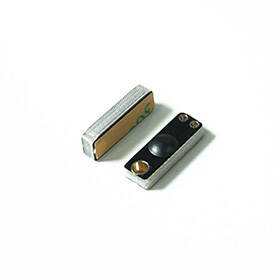
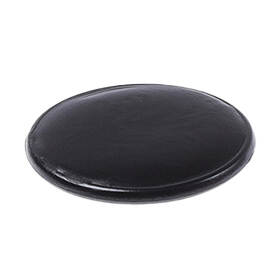
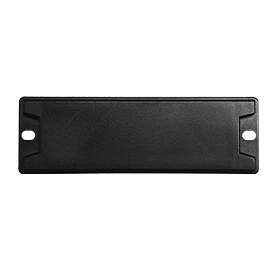
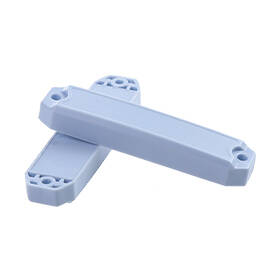
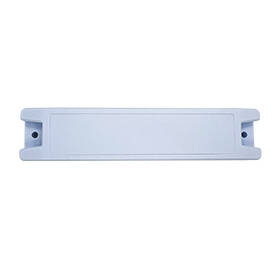
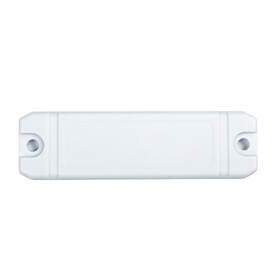
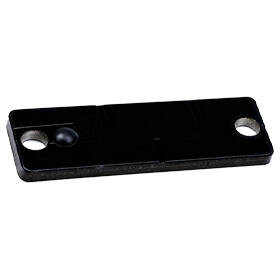
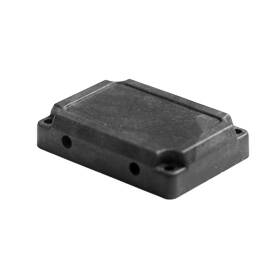
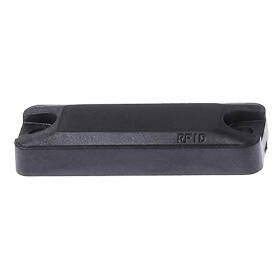
For metal assets or equipment, consider anti-metal tags such as PCB RFID tags or flexible anti-metal labels.
2. Ignoring Environment Testing
Metal racks, liquids, forklifts, and dense storage all affect performance.
Always test before rollout.
3. Starting Too Big
Many failed projects attempted full deployment first.
Start with one process area, validate ROI, then expand.
4. No System Integration Plan
If RFID data never reaches your ERP or WMS, value is lost.
How to Choose the Right RFID Setup
For Long-Range Metal Asset Tracking
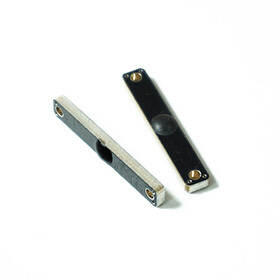
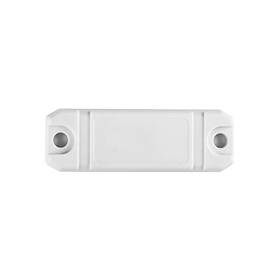
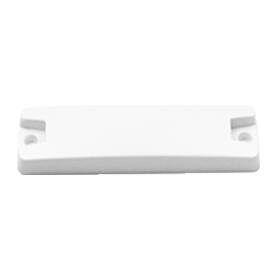
For metal containers, racks, or equipment, models such as PCB9525 long-range RFID anti-metal tag are widely used for stable industrial identification.
For Curved or Irregular Surfaces
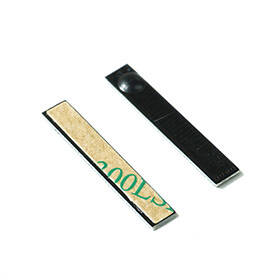
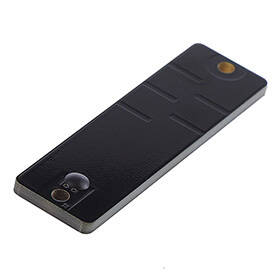
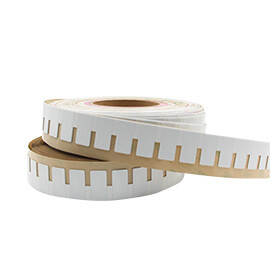
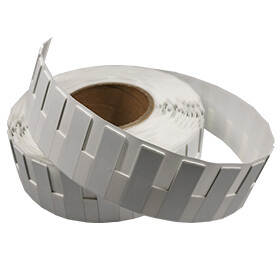
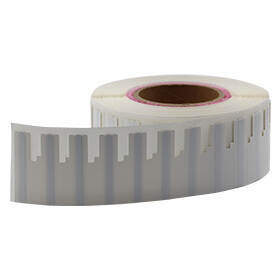
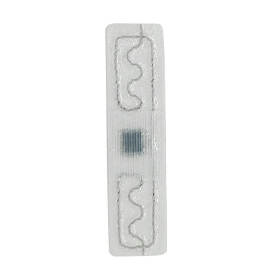
RFID flexible anti-metal label 60x25mm is suitable for assets requiring bendable mounting surfaces.
For Cartons and Packaging
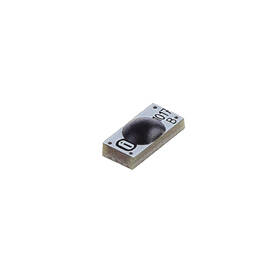
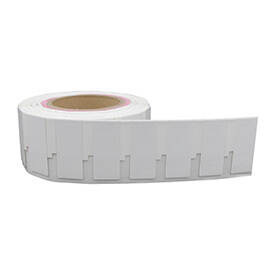
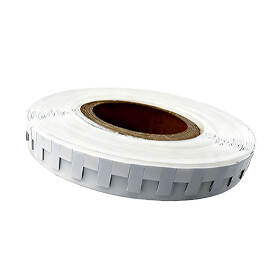
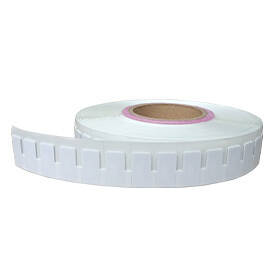
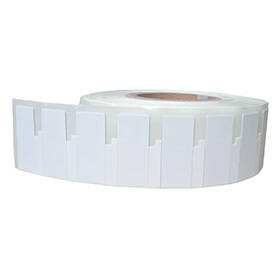
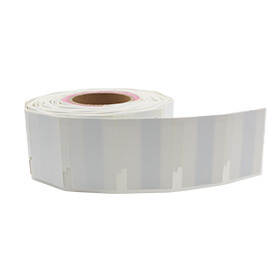
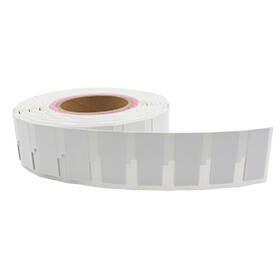
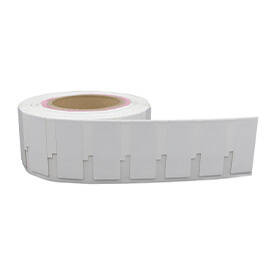
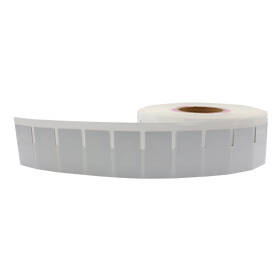
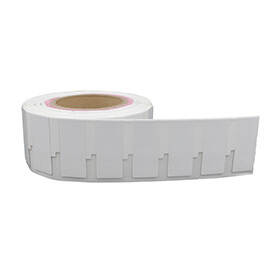
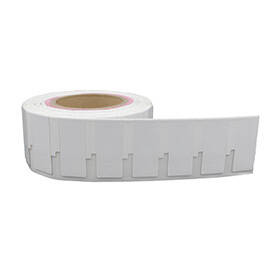
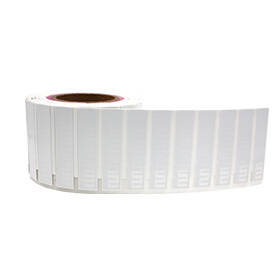
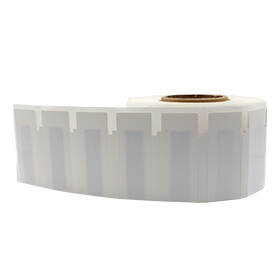
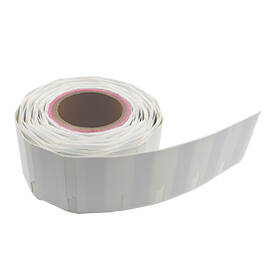
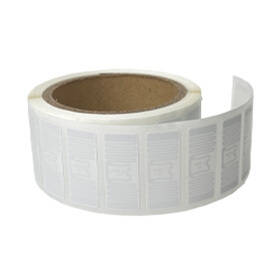
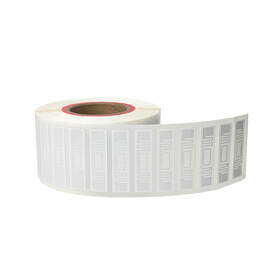
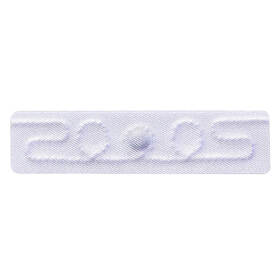
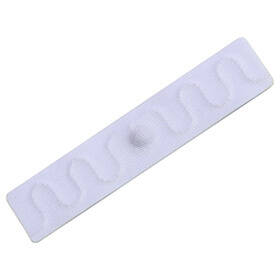
44x18mm RFID printable sticker is a common option for cartons, retail packaging, and warehouse labels.
Reader Recommendations
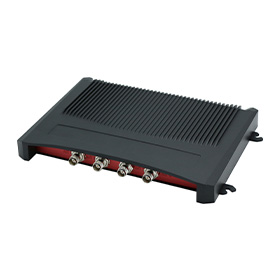
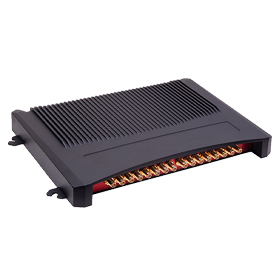
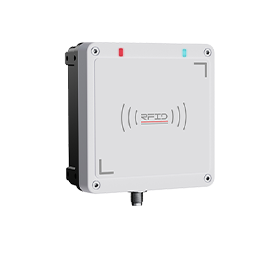
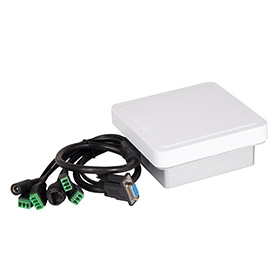
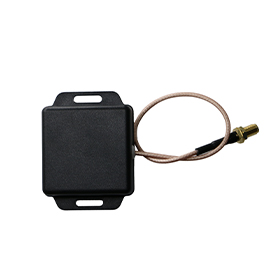
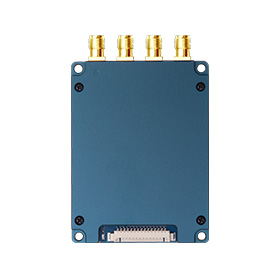
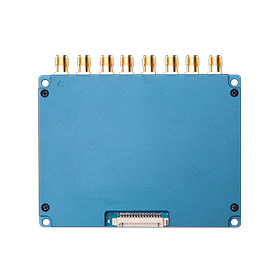
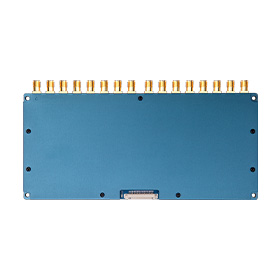
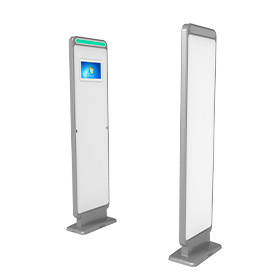
For warehouse gates or portals, 4-port UHF RFID reader GZY-D840 supports multi-antenna deployment.
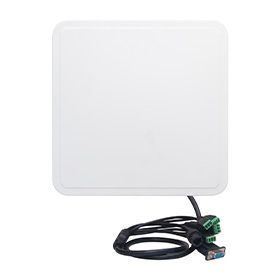
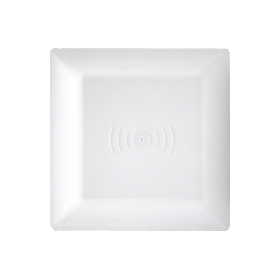
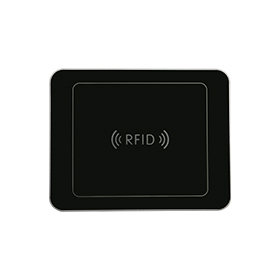
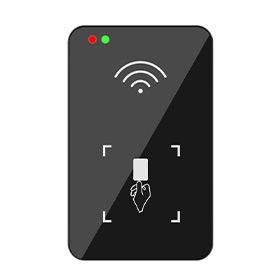
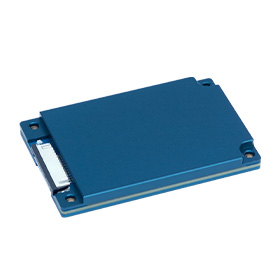
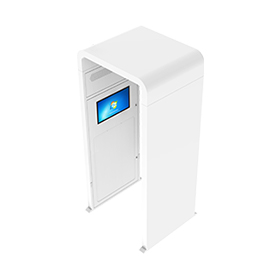
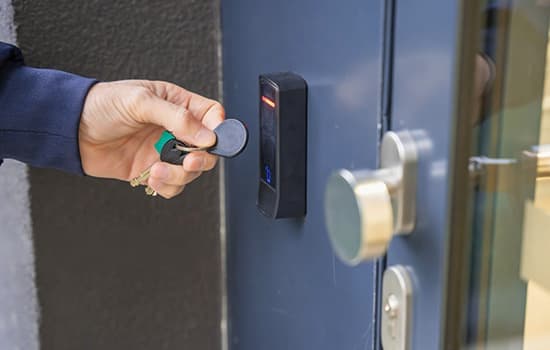
For compact access control or smart entrances, high-performance RFID integrated reader GZY-E609 is a practical solution.
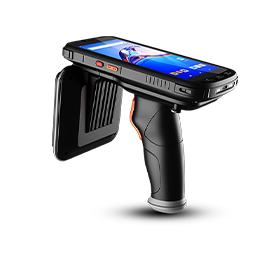
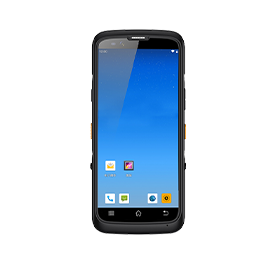
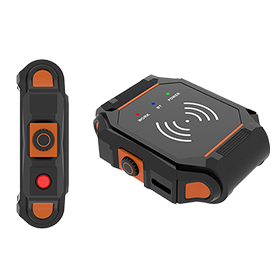
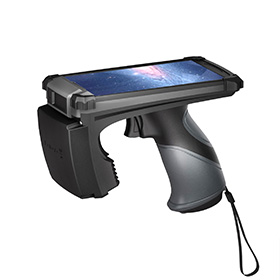
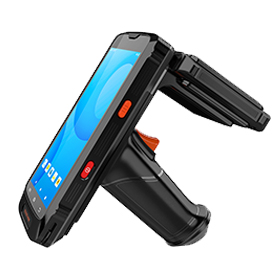
For mobile stock counts, GZY-202 UHF RFID handheld reader is suitable for warehouse teams.
RFID vs Barcode: Practical Comparison
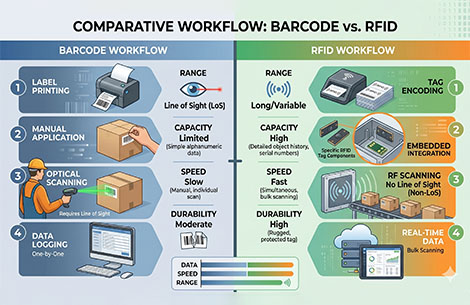
RFID vs barcode comparison for supply chain operations and warehouse automation
|
Factor |
Barcode |
RFID |
|
Read Method |
One-by-one |
Bulk / Automatic |
| Line of Sight |
Required |
Not Required |
|
Labor Need |
Higher |
Lower |
|
Real-Time Tracking |
Limited |
Strong |
|
Initial Cost |
Lower |
Higher |
Barcode is cheaper to start.
RFID is stronger for automation and scale.
Final Decision Advice
RFID should be viewed as an operational investment, not a hardware purchase.
If your business suffers from:
- inaccurate inventory
- slow warehouse processes
- expensive manual labor
- shipment mistakes
- poor asset visibility
RFID may generate strong ROI.
If you are evaluating a project, start with a pilot focused on one measurable KPI such as inventory accuracy or receiving speed.
That creates proof before expansion.
What to Look for in an RFID Supply Partner
Beyond product specifications, choosing the right supplier also affects project speed and long-term success.
Many buyers evaluate suppliers based on:
- Low MOQ for pilot projects (from 100 pcs)
- Stable lead times (7–12 days)
- OEM / private label support
- Certification compliance (CE, RoHS, ISO9001, SGS, FCC)
- Fast customization and sampling
- Industry-specific RFID application experience
For companies starting with trials or phased deployment, flexible supply support can reduce risk and shorten implementation time.
Planning a Pilot RFID Deployment?
Many successful RFID projects start with a small pilot.
If you'd like to test tags on metal assets, cartons, tools, pallets, or warehouse workflows, we can recommend suitable products and sample options.
Tell us what you need to track, and we’ll recommend a practical RFID solution.
 Prev
Prev