

























For professional football clubs, youth football training schools, and sports venue operators, equipment management is no longer a simple back-office task. Jerseys, footballs, cones, training bibs, medical kits, gym equipment, portable devices, and venue assets all move frequently between storage rooms, training fields, locker rooms, laundry areas, buses, and match-day locations. When these assets are managed manually, missing items, slow inventory checks, duplicate purchasing, and unclear responsibility records can easily occur.
RFID Football Equipment Management provides a more efficient way to identify, track, and manage football club assets. By attaching RFID asset tags to jerseys, training equipment, storage boxes, or fixed assets, clubs can use UHF RFID readers, RFID antennas, Android RFID handheld devices, and RFID modules to collect asset data automatically. This helps equipment managers reduce repetitive manual counting and gives club operations teams a clearer view of equipment status.
Why Traditional Football Equipment Management Is Difficult
Football equipment is highly mobile. A single club may manage hundreds or thousands of items across different teams, age groups, training centers, and match locations. Jerseys are issued, collected, washed, repaired, and reused. Training equipment is moved between fields. Medical and fitness tools may be shared by coaches, physiotherapists, and operations staff.
Traditional management usually relies on paper records, Excel sheets, barcode labels, or visual checking. These methods can work at a small scale, but they become inefficient when the number of assets increases. Barcodes require line-of-sight scanning, and labels may become dirty, folded, damaged, or difficult to scan after repeated use. Manual counting is also time-consuming, especially before travel, after training sessions, or during seasonal inventory.
Common problems include slow inventory checking before and after training, missing jerseys or unclear return records, training equipment being misplaced between different teams, difficulty tracking laundry and maintenance status, limited visibility into asset lifecycle and replacement needs, and high workload for equipment managers during busy match schedules.
For clubs that operate multiple training fields or youth programs, these issues can become even more complex.
How RFID Football Equipment Management Works
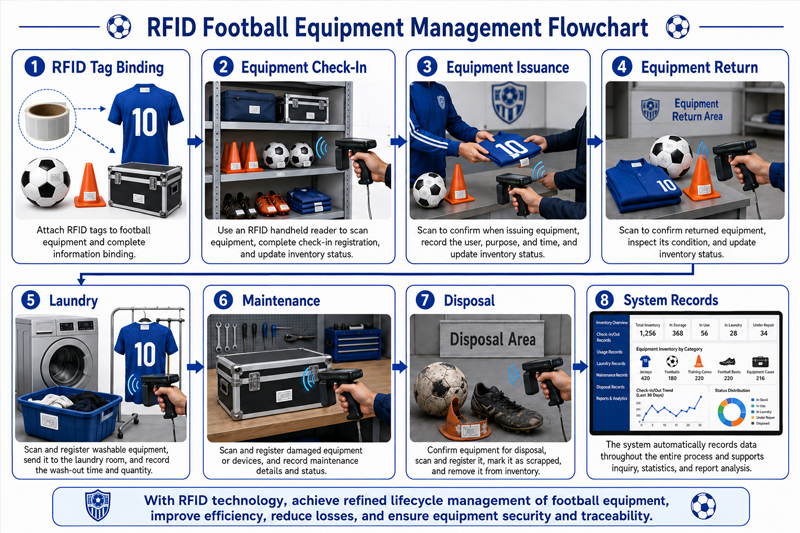
RFID uses radio frequency identification to identify tagged items without requiring direct line-of-sight scanning. In a football club asset management system, each item is assigned an RFID tag with a unique identity. When the item passes through an RFID reading area or is scanned by an Android RFID handheld, the system records the item information automatically.
A typical RFID football equipment management workflow includes:
- Asset tagging: RFID tags are attached to jerseys, bags, equipment boxes, football training tools, metal assets, or storage shelves.
- Data registration: Each tag ID is linked to asset information, such as item name, team, player number, storage location, purchase date, or maintenance status.
- Daily use and movement tracking: RFID readers or handheld devices record when items are issued, returned, moved, washed, repaired, or retired.
- Inventory checking: Equipment managers can scan multiple tagged items at once instead of checking every item manually.
- System integration: RFID data can be connected to the club’s asset management software, inventory platform, or third-party system through supported interfaces, depending on the project design.
This process creates a clearer digital record for football club asset management and reduces dependence on manual checking.
RFID Hardware Used in Football Equipment Management
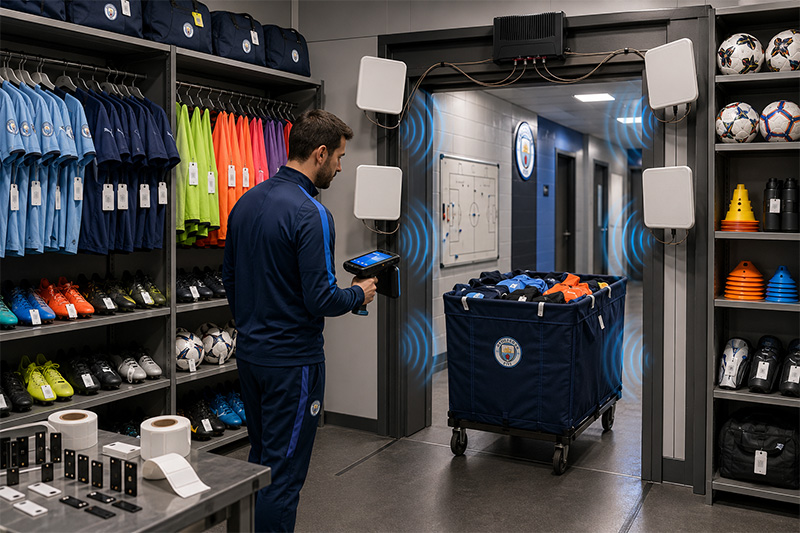
A reliable RFID system depends on the correct combination of hardware. Infowise RFID provides UHF RFID hardware products that can be used in football club equipment inventory, sports venue asset management, and training equipment tracking projects.
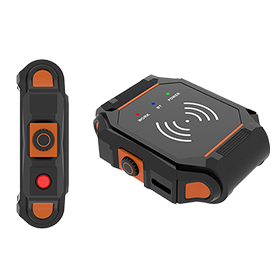
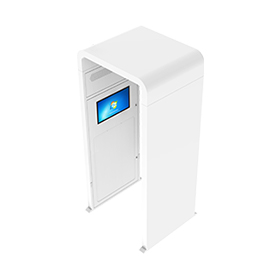
UHF RFID Reader
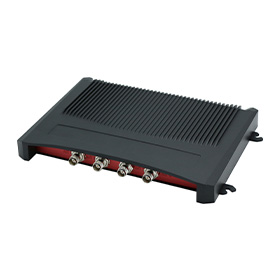
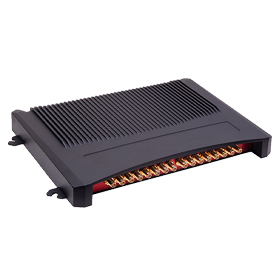
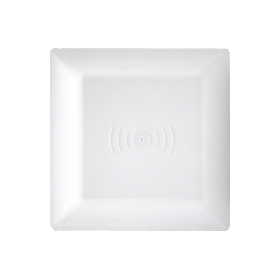
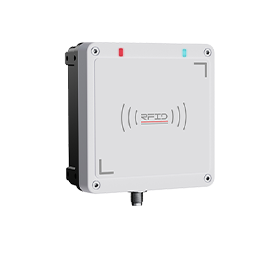
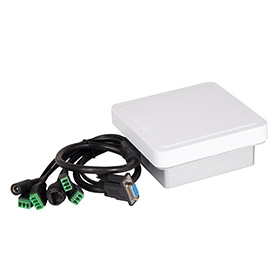
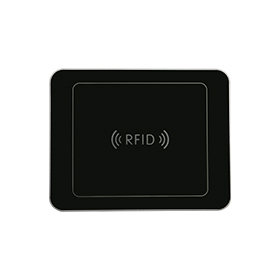
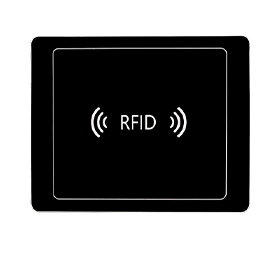
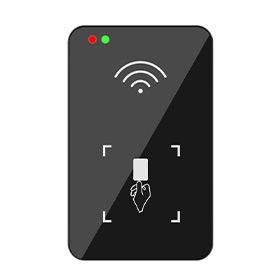
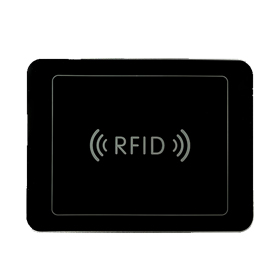
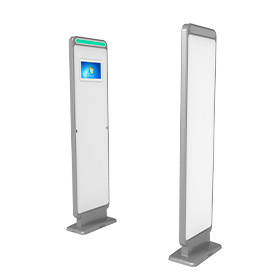
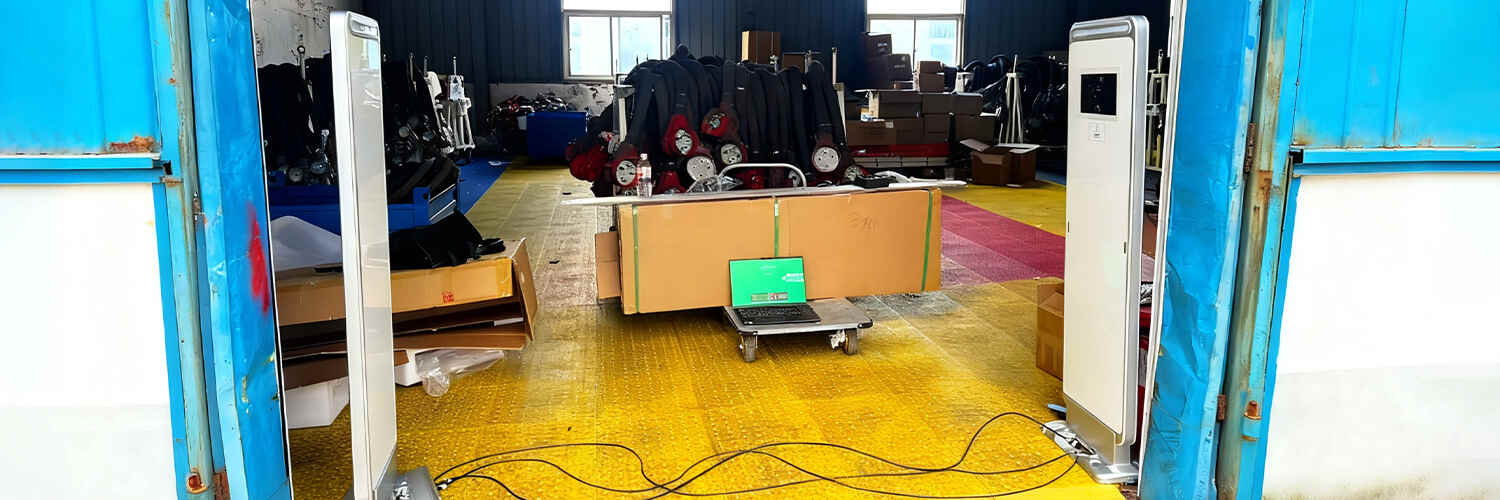
A UHF RFID reader is commonly used in fixed reading points such as equipment room entrances, storage exits, laundry collection areas, and venue access points. It can work with RFID antennas to identify tagged equipment as it moves through a controlled reading zone.
For football clubs, fixed RFID readers are suitable for applications such as bulk equipment check-in, locker room asset control, and high-frequency movement tracking between storage and field areas.
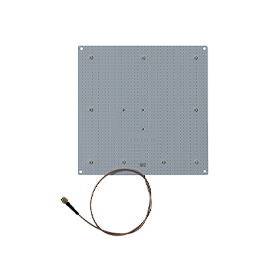
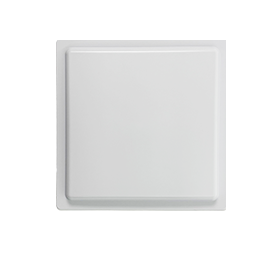
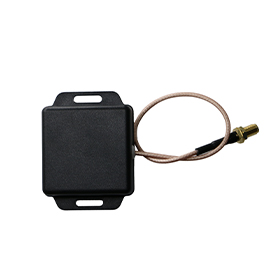
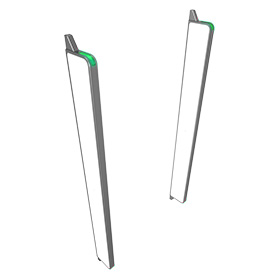
RFID Antenna
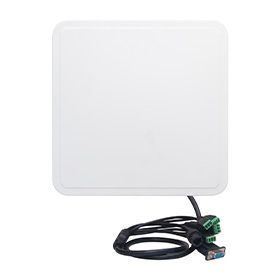
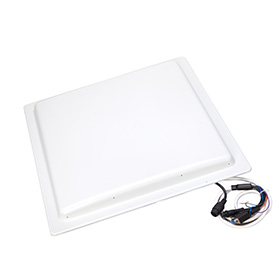
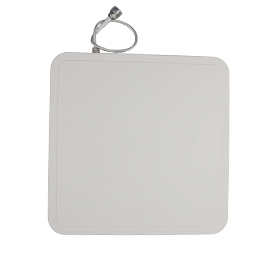
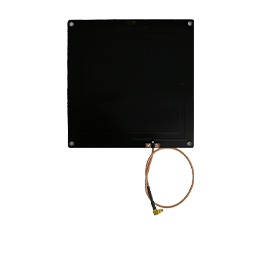
RFID antennas affect the reading coverage and direction. In sports equipment inventory projects, antenna placement should be designed according to the site layout, shelf structure, doorway width, item movement direction, and interference environment.
For example, antennas may be installed near equipment room doors, on storage shelves, or around a collection point where equipment bags and jerseys are returned after training.
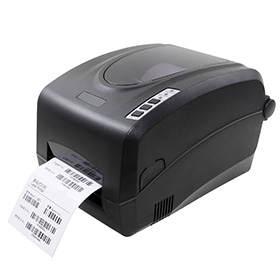
RFID Tag
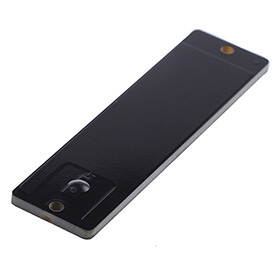
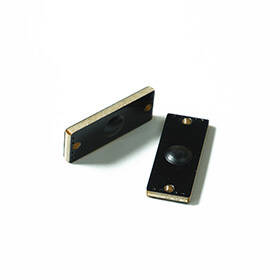
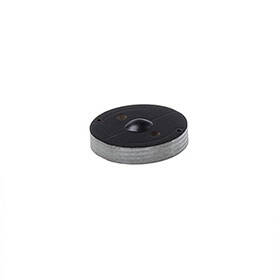
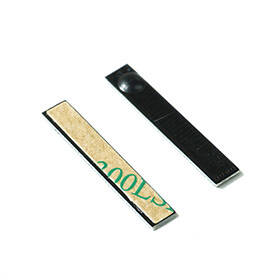
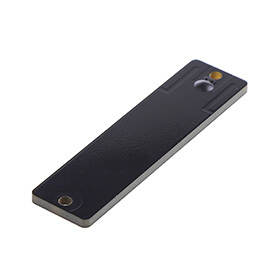
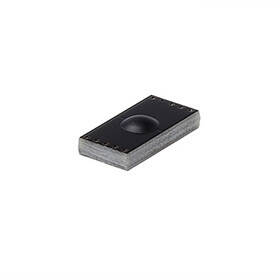
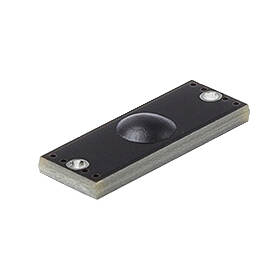
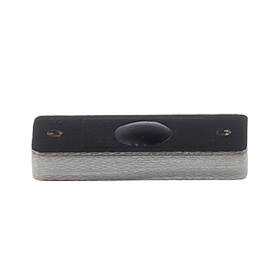
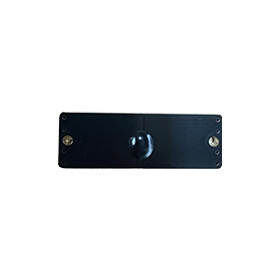
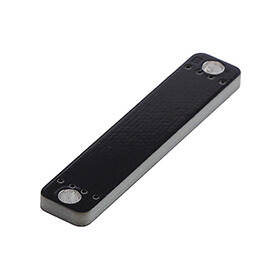
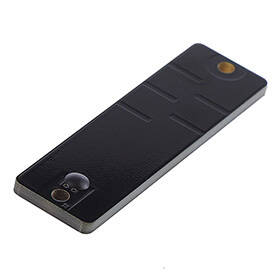
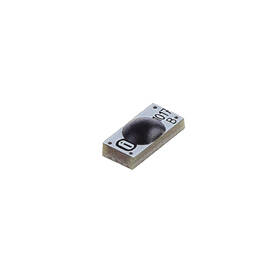
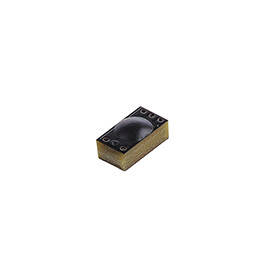
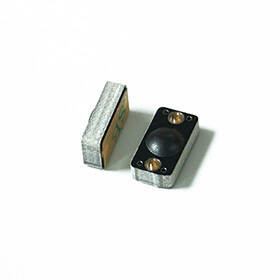
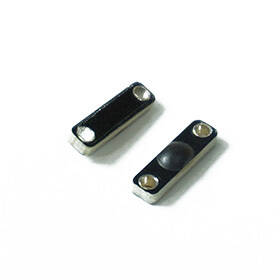
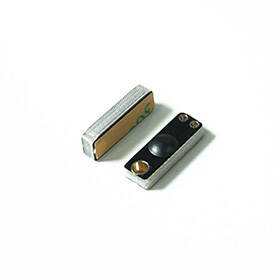
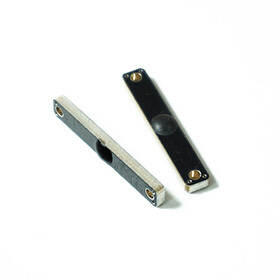
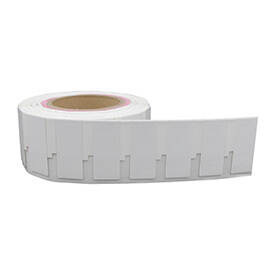
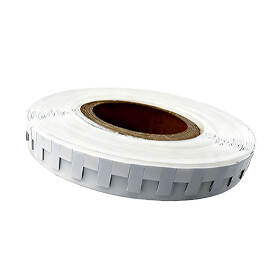
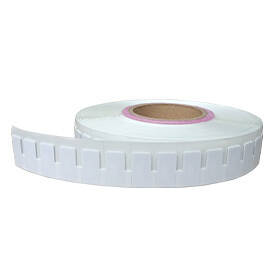
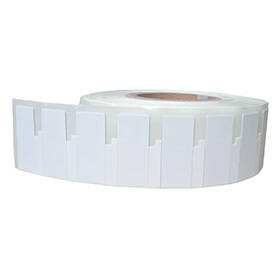
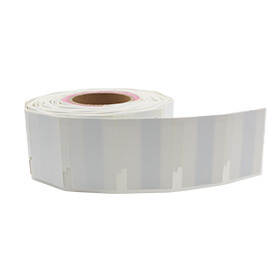
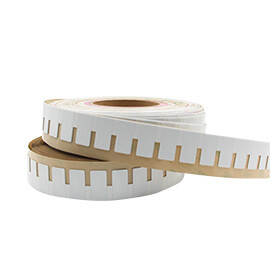
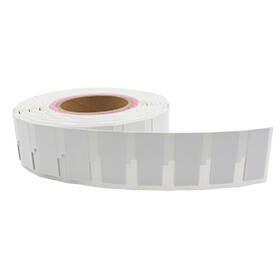
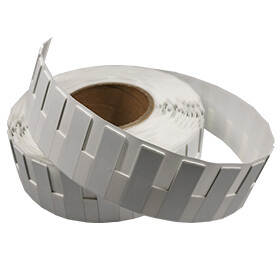
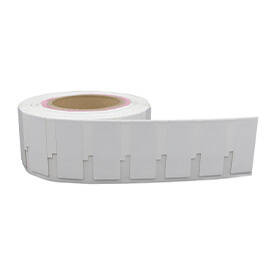
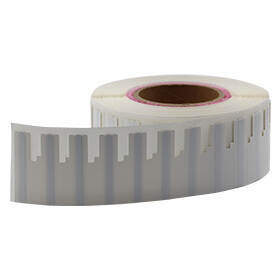
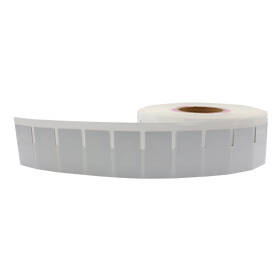
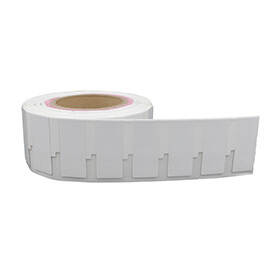
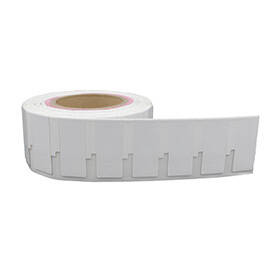
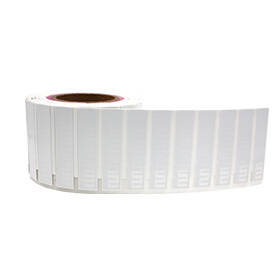
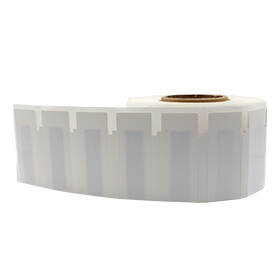
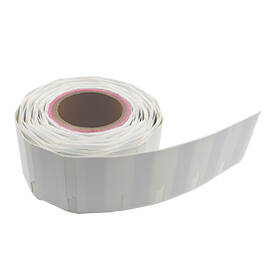
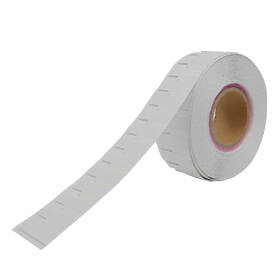
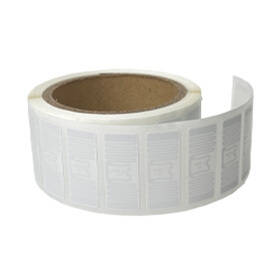
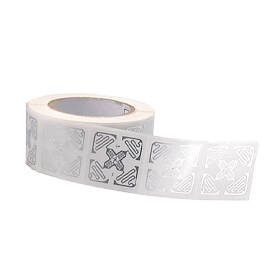
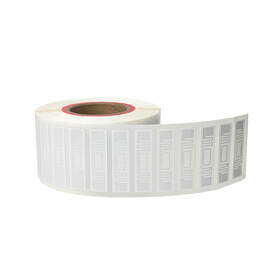
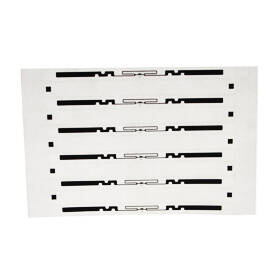
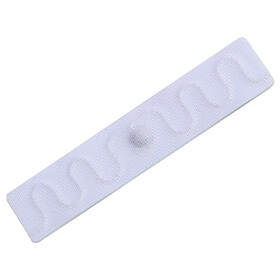
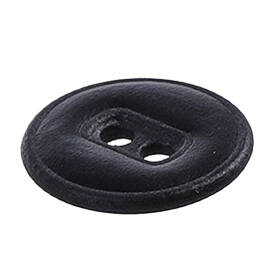
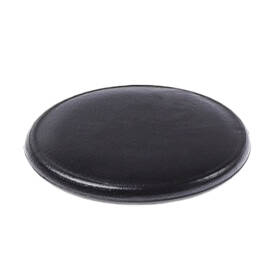
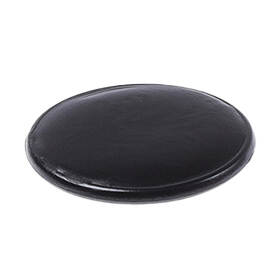
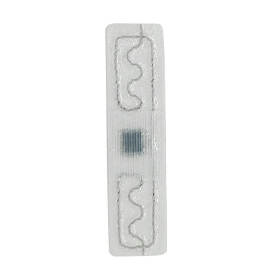
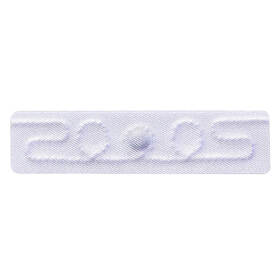
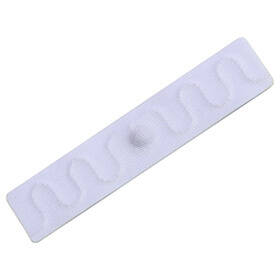
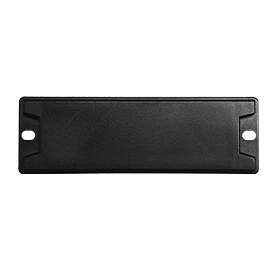
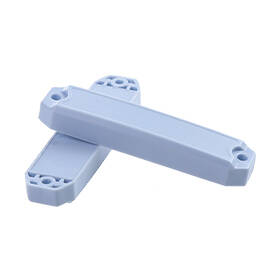
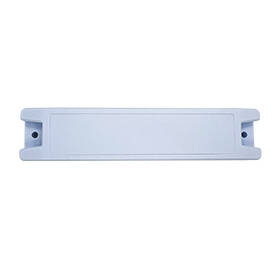
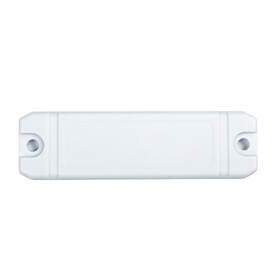
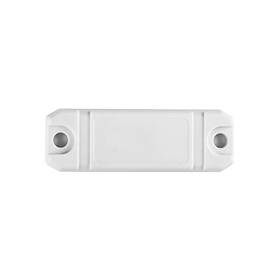
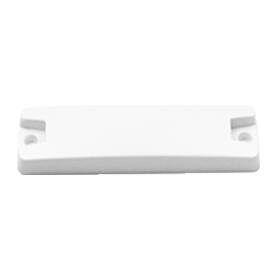
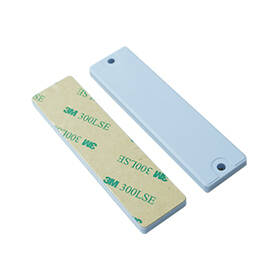
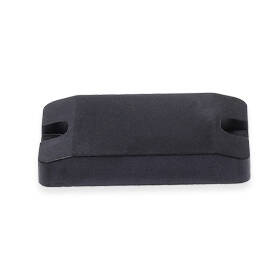
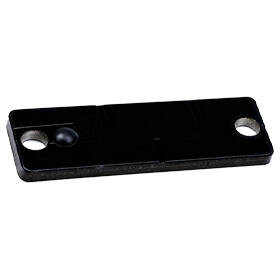
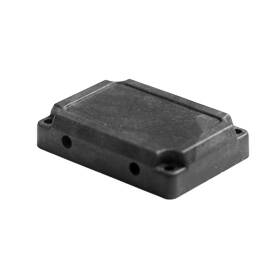
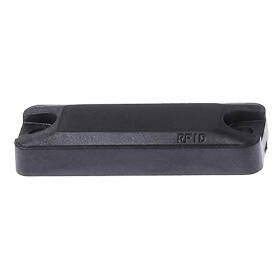
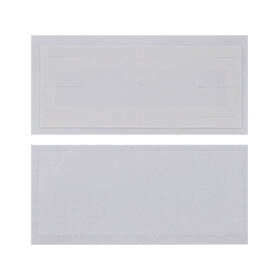
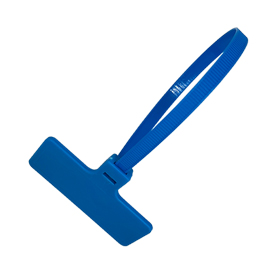
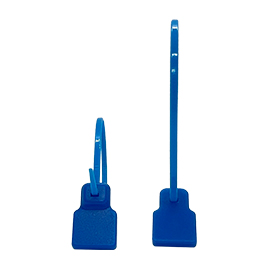
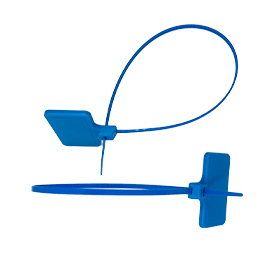
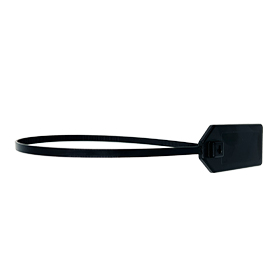
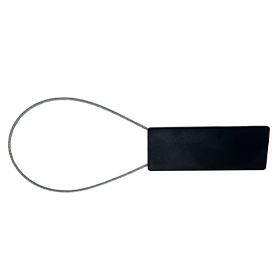
RFID asset tags are the digital identity of each item. Different football assets require different tag types. Textile items such as jerseys and bibs may require flexible or washable RFID tags, while metal equipment, tools, or storage racks may require RFID tags designed for metal surfaces. General equipment boxes, cartons, or plastic containers may use standard UHF RFID labels.
Tag selection should be tested in the real environment because material, installation position, folding, moisture, and nearby metal can affect RFID performance.
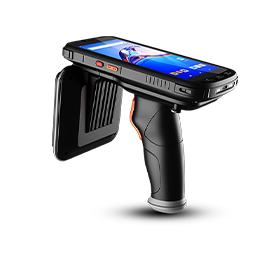
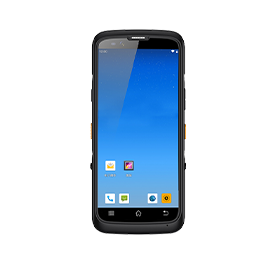
Android RFID Handheld
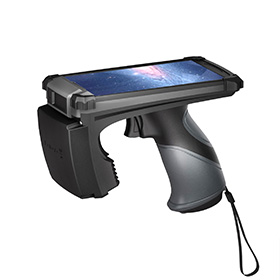
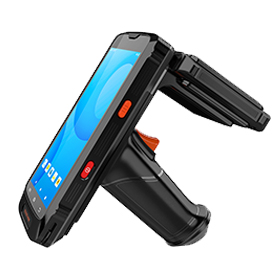
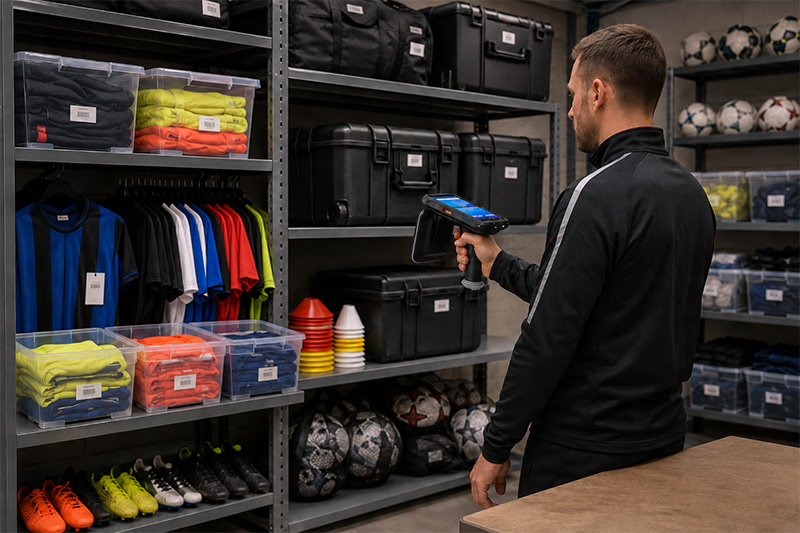
An Android RFID handheld is useful for mobile inventory checks. Equipment managers can walk through a storage room, locker area, or training field and quickly scan tagged items without moving every asset individually. This is especially helpful for youth football schools, multi-team clubs, and sports venues where assets are distributed across different locations.
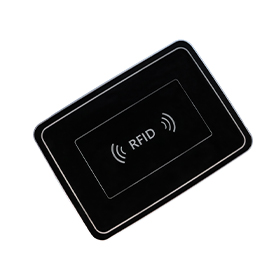
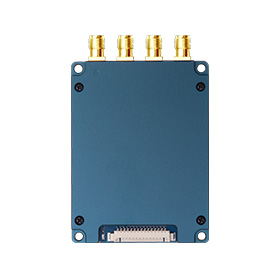
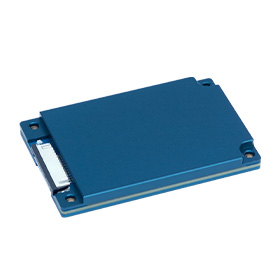
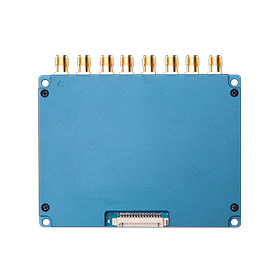
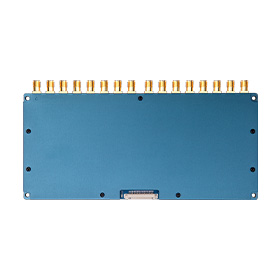
RFID Module
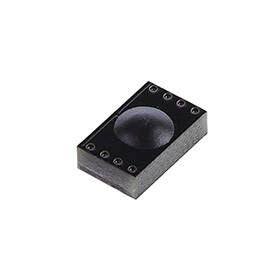
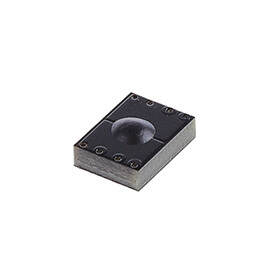
RFID modules can be embedded into smart lockers, self-service equipment cabinets, laundry collection devices, or customized sports equipment management terminals. For RFID system integrators, modules provide a flexible option for building customized football club asset management systems.
Application Scenarios in Football Clubs
Jersey and Kit Management
Jerseys, training shirts, bibs, socks, jackets, and player kits are frequently issued, collected, washed, and redistributed. RFID tags can help record which items belong to which player, team, or storage batch. During laundry collection or return, RFID can support faster identification and reduce missing items.
For clubs with multiple teams or academy groups, RFID helps separate equipment by team, size, player number, or usage status.
Training Equipment Management
Football training equipment includes balls, cones, poles, ladders, resistance bands, GPS storage boxes, medical bags, and coaching tools. These items are often moved between fields and storage rooms. RFID asset tags can help equipment managers confirm whether all required items have been returned after training.
This is useful for reducing equipment loss and improving preparation efficiency before training sessions.
Sports Equipment Inventory
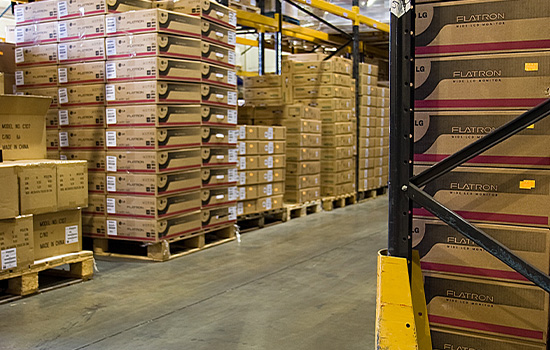
Seasonal or monthly inventory is a common task for professional clubs and sports venue operators. With RFID, inventory checking can be completed more efficiently than manual item-by-item counting. Equipment managers can use Android RFID handhelds for mobile inventory or fixed readers for controlled entrance and exit records.
Fixed Asset Management in Sports Venues
RFID can also be used for fixed assets such as gym equipment, medical devices, storage cabinets, venue tools, IT equipment, and maintenance assets. This supports broader sports venue operations, not only football equipment.
Deployment Suggestions
Before deploying RFID in football club equipment management, clubs and system integrators should evaluate several practical factors.
First, classify assets by material and usage. Textile items, metal tools, plastic containers, and electronic devices may require different RFID tags. Second, define the reading points. A storage room entrance, laundry collection area, equipment checkout table, and training field return point may require different reader and antenna layouts.
Third, test tag placement. A tag attached to a jersey, bag, or metal rack may perform differently depending on orientation and environment. Fourth, decide whether the project needs fixed readers, handheld readers, smart cabinets, or a combination of devices. Finally, connect RFID data with the club’s existing management process so that the technology supports daily operations instead of adding extra complexity.
Benefits of RFID for Football Equipment Managers
RFID Football Equipment Management helps clubs create a more structured and traceable asset workflow. Instead of relying only on manual counting, equipment managers can identify multiple tagged items quickly and maintain more accurate records of issue, return, storage, cleaning, repair, and retirement.
For professional clubs, the value is not only faster inventory. RFID also helps improve accountability, reduce unnecessary repurchasing, and support more consistent equipment preparation. For youth football training schools, it helps manage shared equipment across multiple age groups. For sports venue operators, it supports better control of assets distributed across fields, gyms, storage rooms, and event areas.
For RFID system integrators, football club asset management is a practical scenario that combines RFID readers, antennas, tags, handhelds, and modules into a complete hardware solution. The key is to match the RFID hardware with the actual asset type, operating process, and site environment.
Conclusion
Football clubs manage a large number of moving assets every day. Jerseys, training equipment, venue tools, and fixed assets all require accurate records and efficient handling. Manual management can become slow and unreliable as asset volume increases.
RFID provides a practical hardware-based approach for improving sports equipment inventory and football club asset management. With suitable UHF RFID readers, RFID antennas, RFID asset tags, Android RFID handhelds, and RFID modules, clubs can build a more efficient equipment tracking process from storage to training, laundry, maintenance, and inventory.
Infowise RFID provides UHF RFID hardware products for industrial and asset management applications, including RFID readers, antennas, tags, Android handhelds, and RFID modules. For football clubs, sports venues, and RFID system integrators, the right RFID hardware combination can help create a more reliable foundation for digital equipment management.
 Prev
Prev