
























However, increasing RFID range is not simply about using a more powerful reader. In real deployments, read distance is affected by multiple factors, including reader output power, antenna gain, tag performance, installation angle, surrounding metal, electromagnetic interference, cable loss, and even the movement direction of the tagged object.
This article explains how to increase RFID range in a practical and engineering-focused way, helping system integrators, project managers, and industrial users improve RFID reading distance without relying on unrealistic specifications.
RFID Read Range Basics
RFID read range refers to the distance at which an RFID reader can successfully communicate with a tag. For UHF RFID systems, the read distance can vary significantly depending on the reader, antenna, tag type, installation environment, and regional frequency regulations.
In most industrial applications, long range RFID performance is not determined by one single component. It is the result of a complete system design. A high-performance reader may still have poor reading results if the antenna is installed at the wrong angle. A high-gain antenna may not perform well if the tag is not suitable for the material surface. A powerful signal may also create unwanted reflections in metal-rich environments.
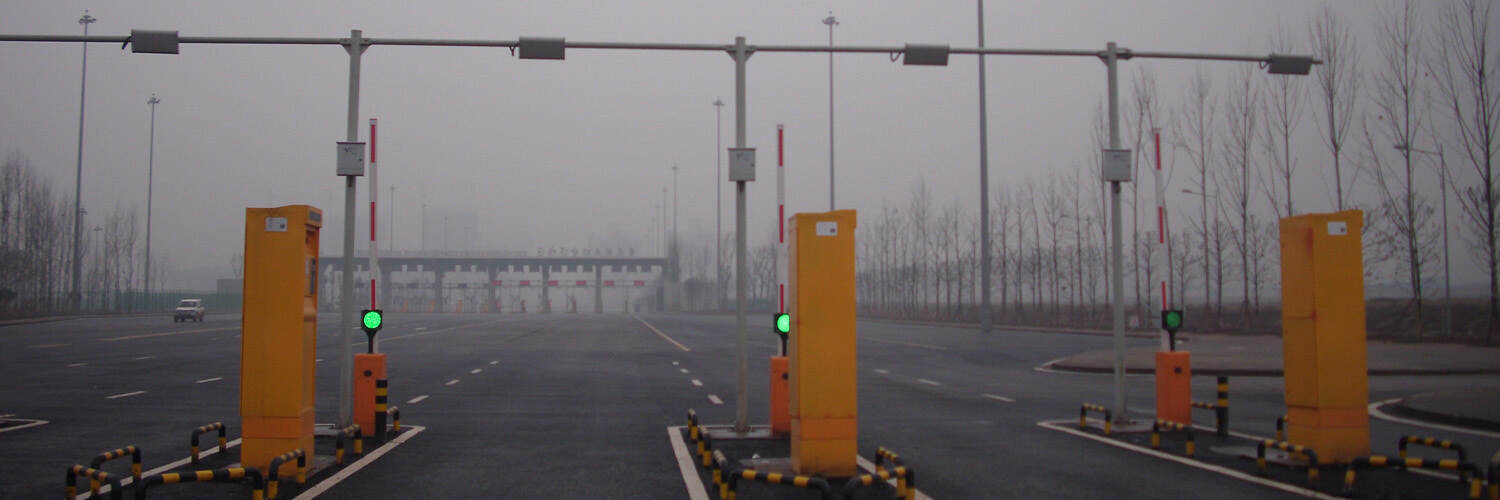
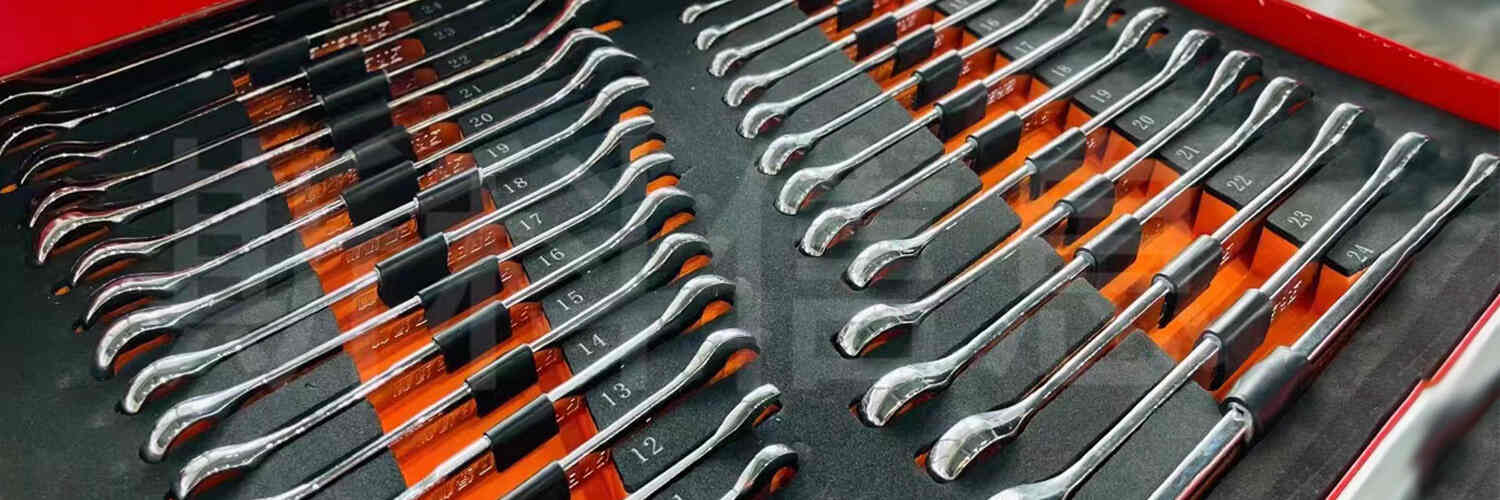
For example, in parking lot access control or weighing systems, RFID tags are often installed on vehicles. The antenna position, mounting height, vehicle speed, and tag orientation all affect the final read performance. In asset tracking or tool tracking, the tag may be placed on metal, plastic, or irregular surfaces, which requires different tag designs.
Therefore, before trying to improve RFID reading distance, it is important to evaluate the complete RFID system instead of only comparing reader power.
Choosing the Right RFID Antenna
The antenna plays a critical role in RFID reading distance. It determines how the RF energy is transmitted into the reading zone and how effectively the signal can be received from the tag.
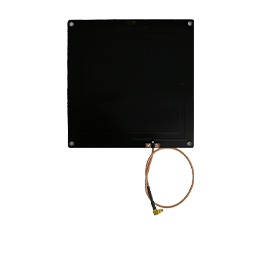
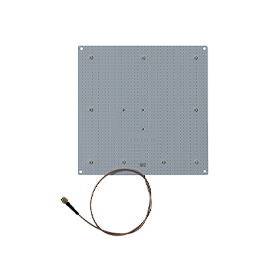
One of the key parameters is RFID antenna gain. Higher gain antennas can focus energy into a more concentrated direction, which may help increase rfid range in applications that require directional reading. However, higher gain does not always mean better performance. If the beam is too narrow, the system may miss tags outside the coverage area.
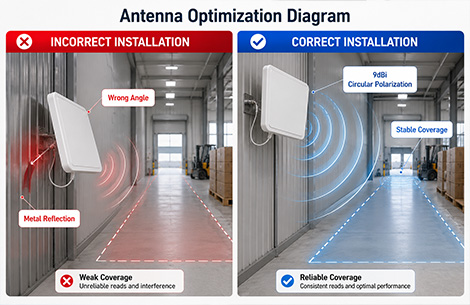
For outdoor and industrial applications, circularly polarized antennas are commonly used because they can reduce the effect of tag orientation. When tags are not always facing the antenna in the same direction, circular polarization helps maintain more stable reading performance.
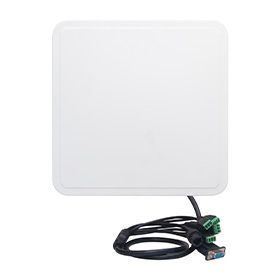
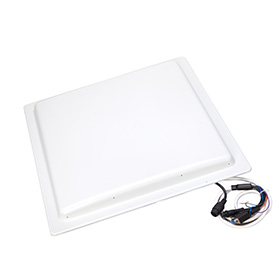
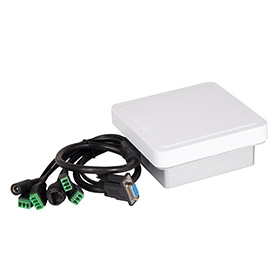
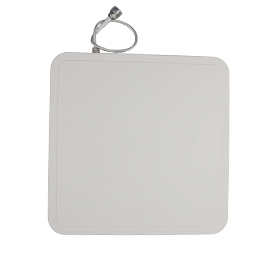
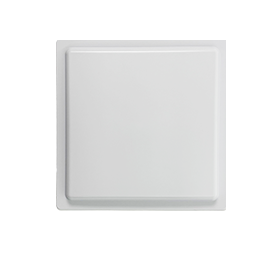
For example, the GZY-T509 UHF RFID Antenna is designed for industrial and outdoor RFID applications. It supports 865-868MHz and 902-928MHz frequency bands, with customization available according to project requirements. It uses 9dBi circular polarization, helping reduce polarization mismatch and improve signal reception. Its 70° horizontal and 70° vertical beam width provides balanced coverage for applications such as parking lots, weighing systems, personnel management, asset tracking, and tool tracking.
The antenna also features IP67 protection, ABS material, ≤1.4 VSWR, 50Ω impedance, and N-Female connector, making it suitable for harsh outdoor environments. In complex electromagnetic environments, a stable antenna design can help reduce EMI impact and support more consistent RFID reading performance.
Reader Power Optimization
Reader output power is another important factor when trying to improve RFID reading distance. In general, higher RF output power can help extend read range, but simply setting the reader to maximum power is not always the best solution.
Excessive power can cause signal reflection, cross-reading, or interference between different reading zones. In warehouse entrances, vehicle lanes, or production lines, too much power may allow the reader to detect tags outside the intended area, resulting in inaccurate data.
A better approach is to adjust the reader power based on the actual field test result. Start with a moderate power level, test the stable reading zone, and gradually increase the power until the required coverage is achieved.
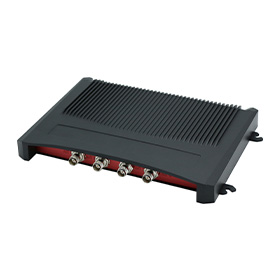
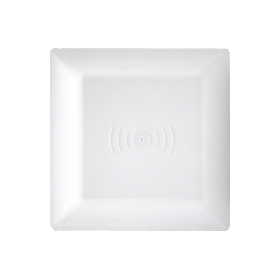
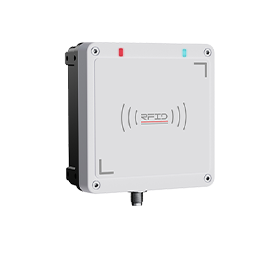
The GZY-612 RFID Integrated Reader supports adjustable RF output from 5 to 30 dBm, which allows users to optimize the power level according to different deployment scenarios. It supports EPC global UHF Class 1 Gen 2 / ISO 18000-6C standards and works with 865-868MHz and 920-928MHz frequency bands, with customization available.
The reader integrates a 12dBi circularly polarized antenna and provides a reading distance of 1-15m, depending on tag performance. It also supports RSSI, which can be useful during installation and debugging. RSSI data helps engineers understand signal strength and optimize antenna direction, power settings, and tag placement.
For integration, the GZY-612 supports TCP/IP, RS232, RS485, and Wiegand26/34 interfaces. It also supports automatic mode, trigger mode, and interactive mode, making it suitable for parking lots, weighing, personnel management, asset tracking, and tool tracking applications.
RFID Tag Selection Guide
Tag selection is often the most underestimated factor in RFID read range. Even with a strong reader and high-gain antenna, the system may still perform poorly if the tag is not suitable for the application.
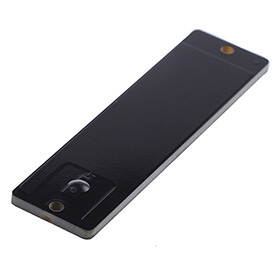
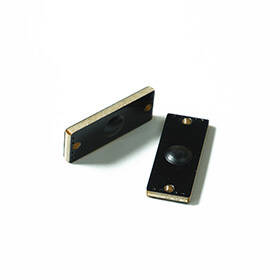
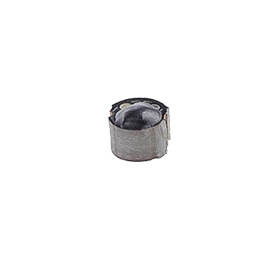
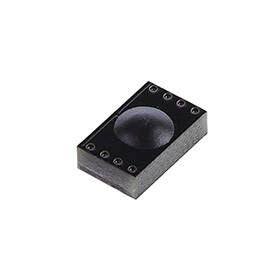
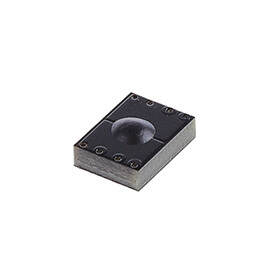
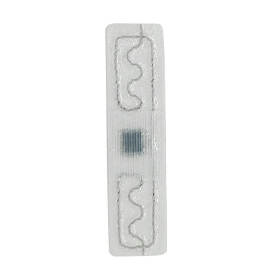
Different RFID tags have different antenna designs, chip sensitivity, material compatibility, and mounting requirements. A tag designed for cardboard cartons may not work well on metal surfaces. A small tag may be easier to install, but it usually has a shorter read range than a larger tag with a better antenna structure.
When selecting RFID tags, users should consider several practical questions: What material will the tag be attached to? Is the object metal, plastic, glass, fabric, or wood? Will the tag be used indoors or outdoors? Does the tag need to resist water, heat, vibration, or chemicals? Is the object static or moving?
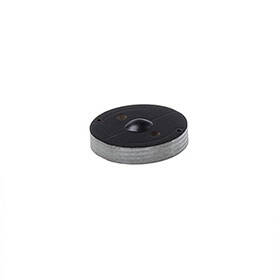
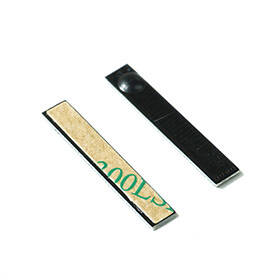
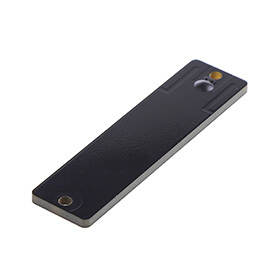
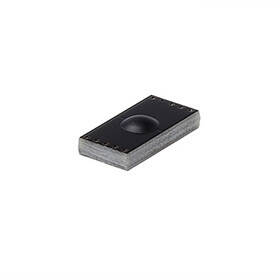
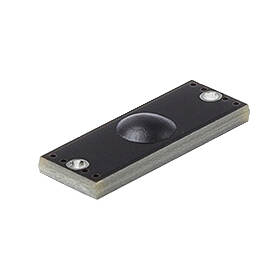
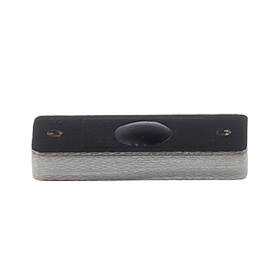
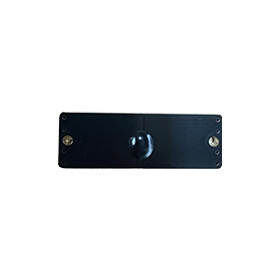
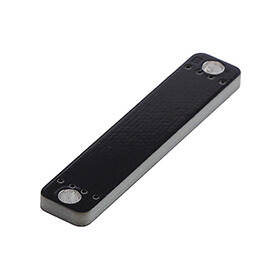
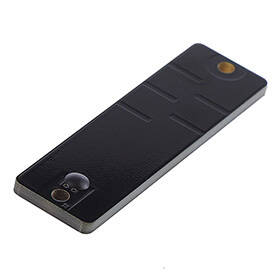
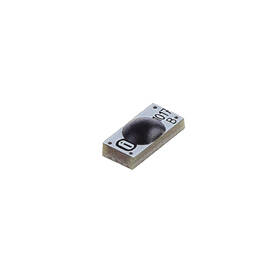
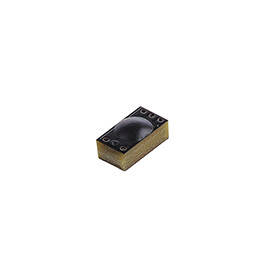
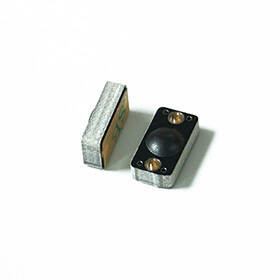
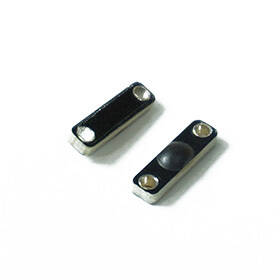
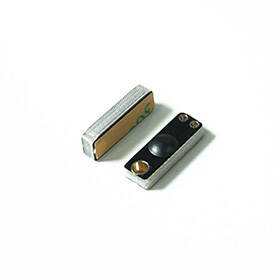
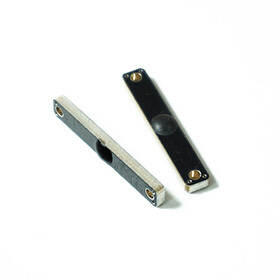
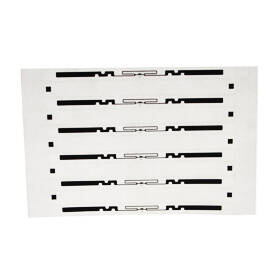
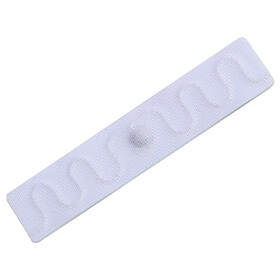
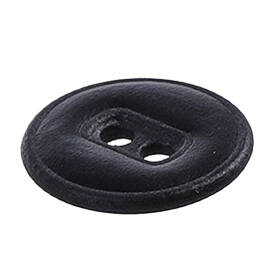
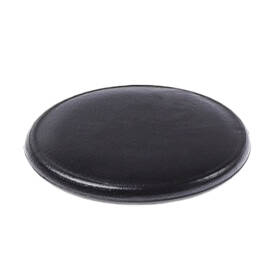
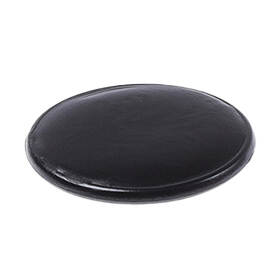
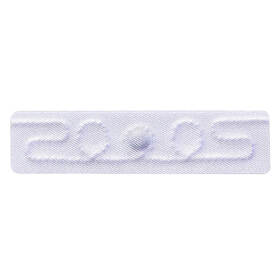
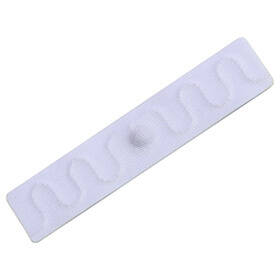
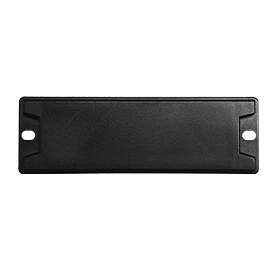
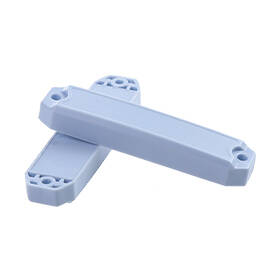
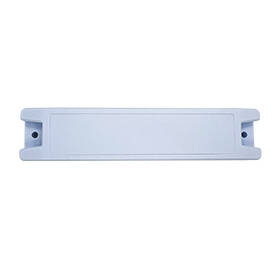
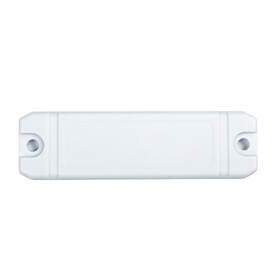
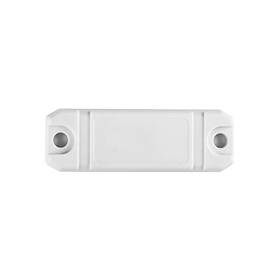
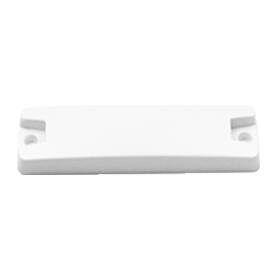
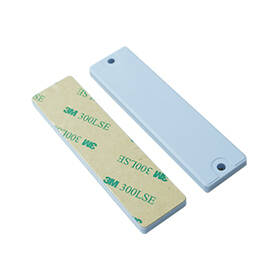
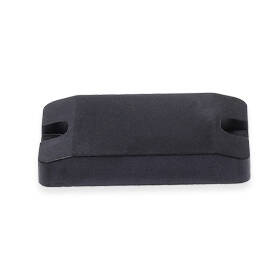
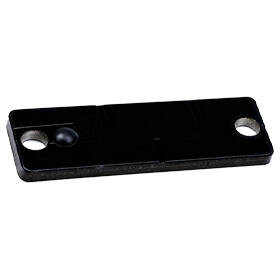
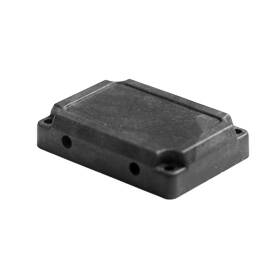
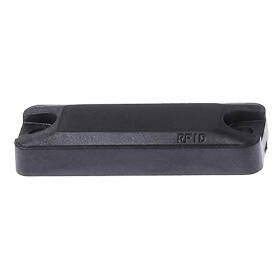
For metal assets, anti-metal RFID tags are usually required. For tools, compact PCB tags or rugged industrial tags may be more suitable. For vehicles, windshield tags or outdoor durable tags may be considered. For laundry or textile applications, flexible washable tags may be required.
The tag chip, antenna size, and packaging structure all influence the final reading distance. If the tag performance is unknown, the expected distance should be marked as [Need manual data] and verified through real testing.
In long range RFID projects, it is recommended to test several tag models before final deployment. The goal is not only to achieve the maximum read distance, but also to ensure stable reading under real working conditions.
Environmental Optimization
The surrounding environment can greatly affect RFID performance. Metal, liquid, dense goods, machinery, motors, and other RF systems may reduce or disturb the RFID signal.
Metal surfaces can reflect RF waves and create multipath interference. This may cause unstable reading, especially when antennas are installed too close to metal walls, metal doors, forklifts, racks, or vehicles. Liquids can absorb RF energy, making it harder for the reader to communicate with tags.
To improve RFID reading distance, antenna installation should avoid unnecessary metal obstruction. If the antenna must be installed near metal, engineers should test different distances, angles, and shielding methods. The tag should also be installed in a position with a clear signal path whenever possible.
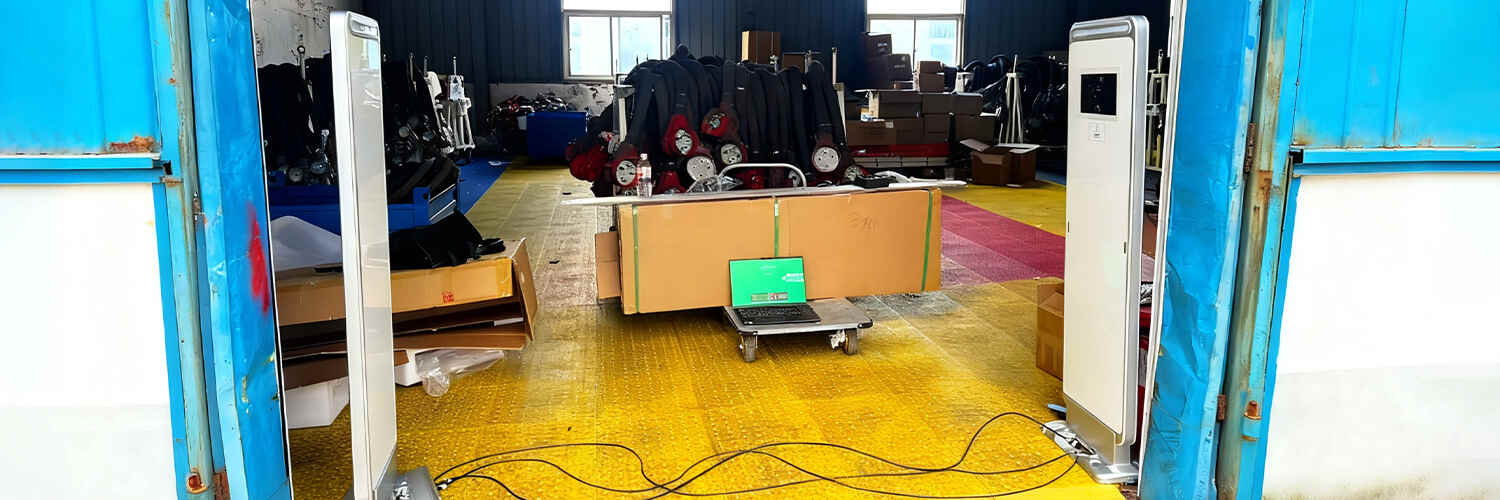
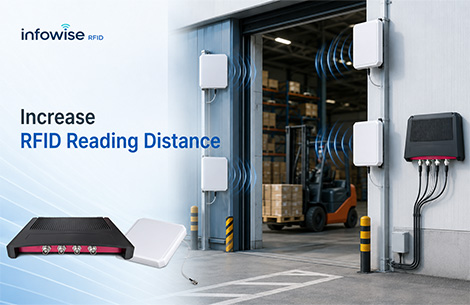
In vehicle management, the antenna should be positioned to cover the expected tag path, not simply installed at the nearest wall or pole. In warehouse entry and exit points, multiple antennas may be required to cover different tag orientations. In tool tracking cabinets, antenna placement should be carefully tested to avoid dead zones.
Environmental optimization is not only about stronger rfid signal. It is about creating a controlled and reliable reading zone.
Real Deployment Tips for Longer RFID Range
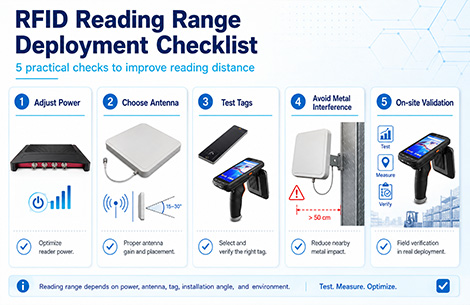
To increase RFID range in real projects, field testing is essential. Laboratory specifications are useful as a reference, but the final performance must be validated on site.
First, define the required reading distance clearly. For example, does the system need to read tags at 3 meters, 8 meters, or 15 meters? Does it need to read one tag or multiple tags at the same time? Is the tag moving or static? What is the expected reading speed?
Second, adjust antenna direction and height. Antennas should face the tag movement path as directly as possible. If the tag orientation changes frequently, circularly polarized antennas may provide better stability.
Third, use RSSI data for debugging. A reader that supports RSSI can help identify whether the tag signal is strong, weak, or unstable. This makes it easier to adjust power, antenna angle, and tag position.
Fourth, avoid unnecessary maximum power. If the reader power is too high, it may cause cross-reading from nearby lanes or areas. A controlled read zone is usually more valuable than simply achieving the longest possible distance.
Fifth, test with the actual tag and actual object. Tag performance can change significantly after installation. A tag tested in free air may behave differently when attached to metal, glass, or liquid containers.
Finally, document the final settings, including reader power, antenna model, antenna angle, installation height, tag model, tag position, and test results. This helps future maintenance and makes the deployment repeatable.
Recommended RFID Hardware for Long Range Applications
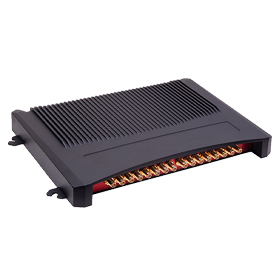
For integrated long range RFID applications, the GZY-612 RFID Integrated Reader can be considered when the project requires a compact reader with built-in antenna, IP67 protection, adjustable RF output, and multiple communication interfaces. It is suitable for parking lot management, weighing systems, personnel management, asset tracking, and tool tracking.
For projects that require separate antenna deployment, the GZY-T509 UHF RFID Antenna can be used with compatible UHF RFID readers. Its 9dBi circular polarization, IP67 protection, and outdoor-ready design make it suitable for industrial RFID environments where stable signal coverage is required.
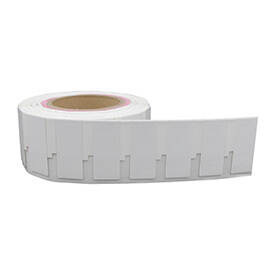
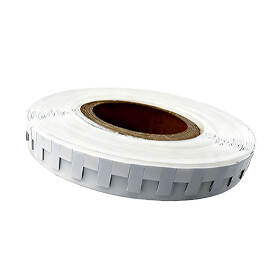
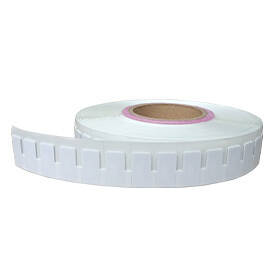
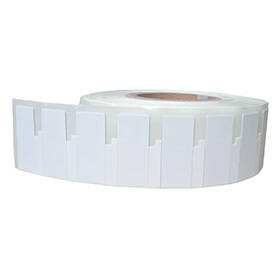
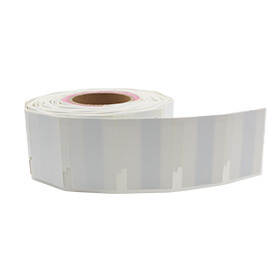
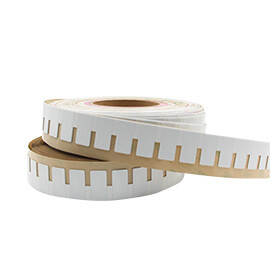
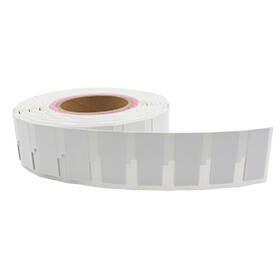
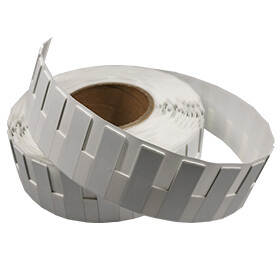
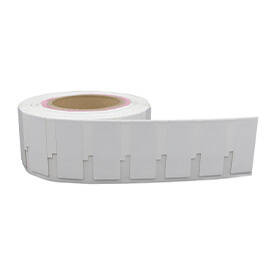
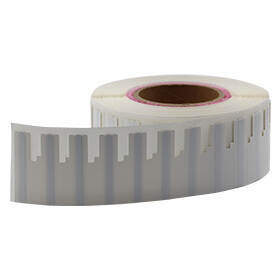
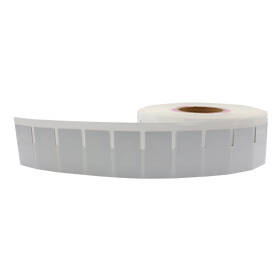
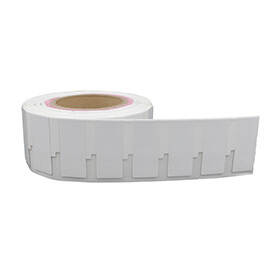
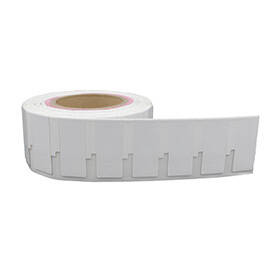
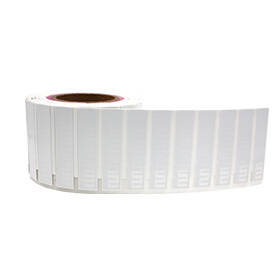
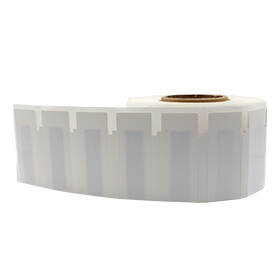
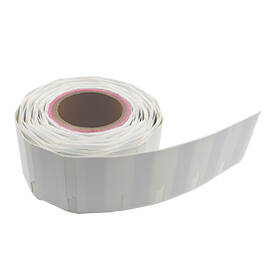
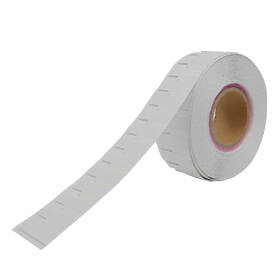
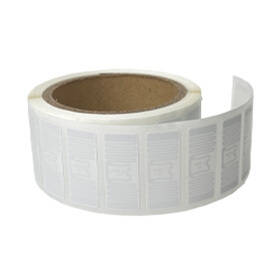
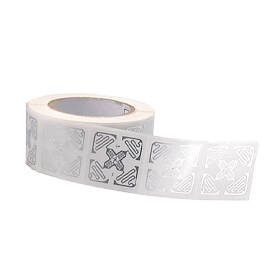
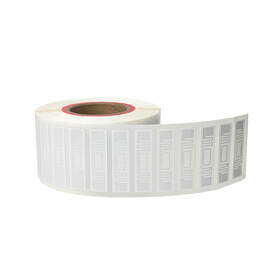
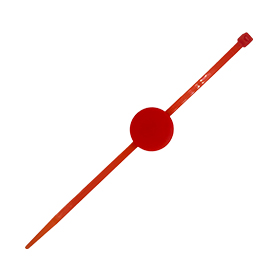
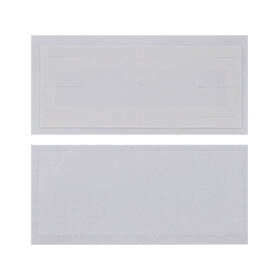
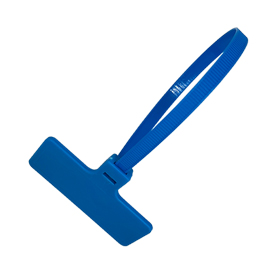
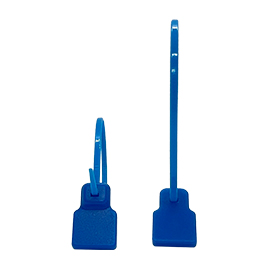
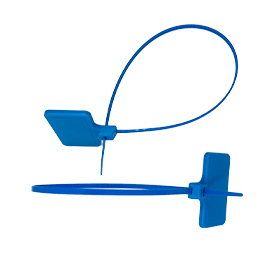
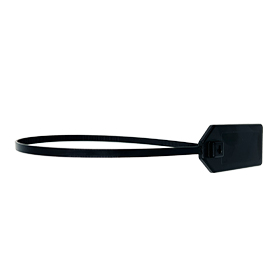
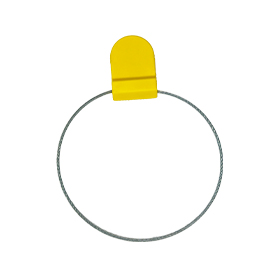
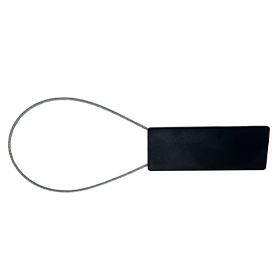
For RFID tags, the recommended model depends on the application surface and installation requirements. Suitable options may include anti-metal RFID tags, PCB RFID tags, windshield RFID tags, cable tie RFID tags, or flexible RFID labels. For RFID tags, the recommended model depends on the application surface and installation requirements. Suitable options may include anti-metal RFID tags, PCB RFID tags, windshield RFID tags, cable tie RFID tags, or flexible RFID labels.The final tag model and read range should be selected according to the application surface, installation method, and on-site testing results.
Conclusion
Increasing RFID reading distance requires a complete system approach. Reader power, antenna gain, tag selection, installation method, and environmental conditions all affect the final result.
A stronger rfid signal can help, but stable long range rfid performance comes from proper hardware selection and field optimization. By choosing the right antenna, adjusting reader power, selecting suitable tags, and testing under real conditions, users can improve rfid reading distance while maintaining accurate and reliable data collection.
For industrial RFID projects, Infowise RFID provides UHF RFID readers, RFID antennas, RFID tags, Android RFID handhelds, and RFID modules to support different deployment scenarios.
FAQ
Q1: What is the best way to increase RFID range?
The best way is to optimize the complete RFID system, including reader power, antenna gain, antenna angle, tag type, tag position, and surrounding environment. Increasing reader power alone may not solve all read range issues.
Q2: Does higher antenna gain always improve RFID reading distance?
Not always. Higher antenna gain can help focus RF energy and extend directional reading distance, but it may reduce coverage width. The antenna should be selected according to the actual reading zone.
Q3: Why does RFID read range become shorter near metal?
Metal can reflect RF signals and cause interference. If standard RFID labels are attached directly to metal, the tag performance may drop significantly. Anti-metal RFID tags are usually required for metal assets.
Q4: Can the GZY-612 RFID Integrated Reader be used outdoors?
Yes. The GZY-612 has IP67 protection and is suitable for harsh outdoor environments. It supports 865-868MHz / 920-928MHz frequency bands, adjustable 5-30 dBm RF output, and multiple communication interfaces.
Q5: What reading distance can UHF RFID achieve?
The reading distance depends on reader power, antenna gain, tag performance, installation environment, and frequency regulations. For the GZY-612 RFID Integrated Reader, the reading distance is listed as 1-15m, depending on tag performance.
 Prev
Prev