
































In modern inventory and supply chain management, companies are under pressure to make faster and more accurate decisions. Warehouses need to know what is available, production teams need to understand material movement, and logistics managers need better visibility across multiple locations. Artificial intelligence is becoming a powerful tool for forecasting, analysis, and decision support, but AI cannot work effectively without reliable data from the physical world. This is where RFID plays an important role.
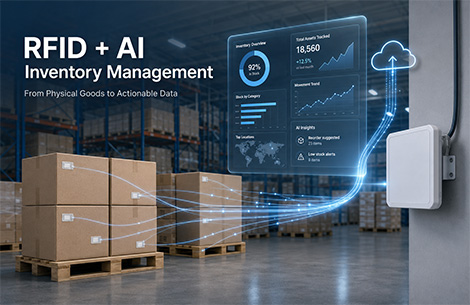
AI RFID inventory management combines two different but complementary technologies. RFID captures real-time item-level or asset-level data from physical operations, while AI analyzes that data to identify patterns, predict demand, detect exceptions, and support better decisions. In simple terms, RFID answers “what is happening now,” and AI helps answer “what may happen next” and “what should we do about it.”
For industrial and B2B environments, this relationship is especially important. Warehouses, factories, logistics hubs, equipment rooms, and distribution centers all involve moving physical items. Without accurate RFID data capture, AI systems may depend on manual input, delayed records, or incomplete barcode scans. These gaps can reduce the value of analytics and weaken automation decisions.
RFID as the Physical Data Capture Layer
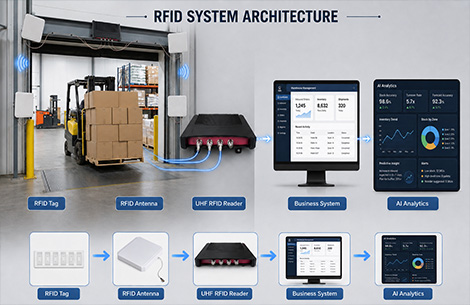
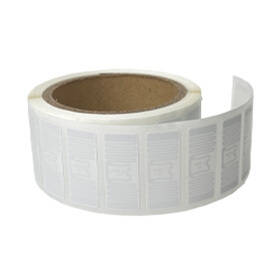
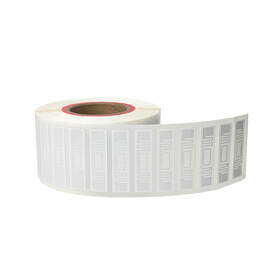
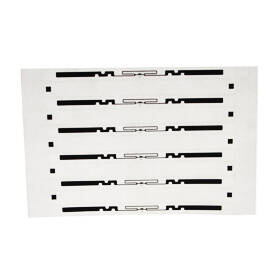
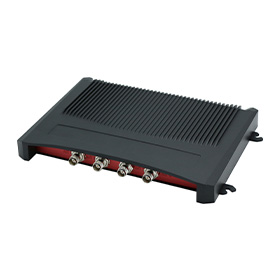
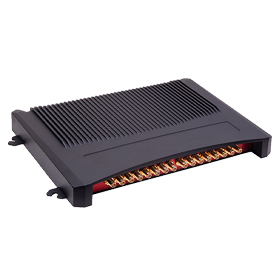
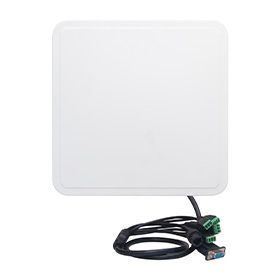
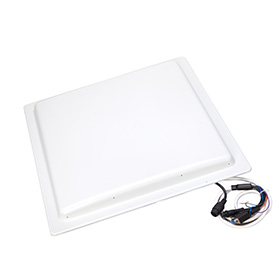
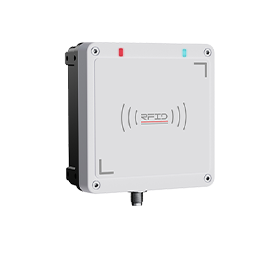
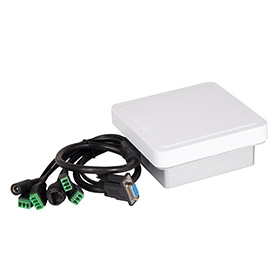
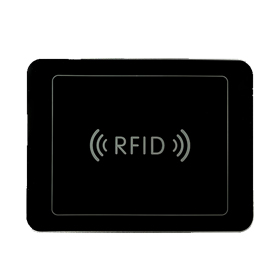
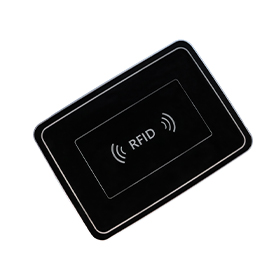
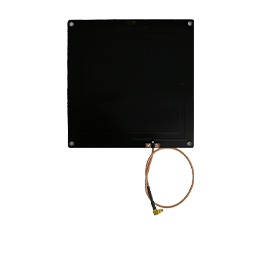
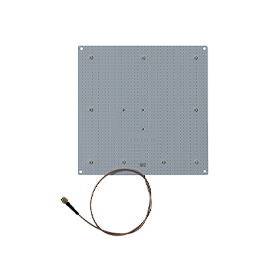
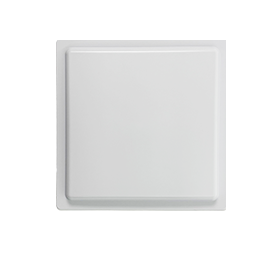
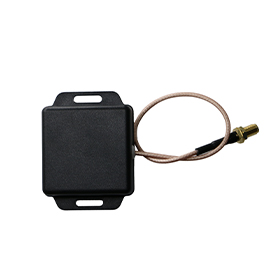
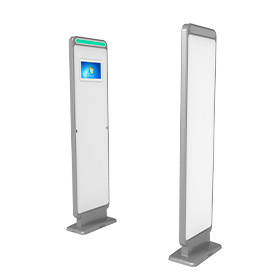
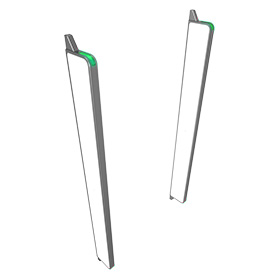
RFID technology is designed to identify tagged objects without direct line-of-sight scanning. A typical UHF RFID system includes RFID tags attached to items or assets, RFID antennas installed at key reading points, and UHF RFID readers that collect tag data and send it to business systems.
In an inventory management environment, RFID can be used to identify cartons, pallets, tools, returnable transport items, fixed assets, production materials, or finished goods. When products pass through a warehouse gate, move along a conveyor, enter a storage area, or are checked by an Android RFID handheld, the system can automatically capture movement data.
This makes RFID an important foundation for smart inventory. Instead of relying only on manual counting, staff can use RFID readers and handheld devices to improve visibility across receiving, storage, picking, dispatch, and asset checking processes. The collected data can then be connected to warehouse management systems, ERP platforms, or custom software through API or SDK integration.
For AI applications, this data becomes the raw material. The more consistent and structured the RFID data is, the more useful it becomes for RFID analytics and supply chain automation.
What AI Adds to RFID Data
RFID data itself provides identification, time, location, and movement information. AI can analyze this information at a larger scale and turn it into operational insights.
For example, AI can help compare expected inventory with actual RFID reads and highlight unusual differences. It can detect patterns such as repeated stock shortages, slow-moving items, abnormal asset movement, or process bottlenecks. In warehouse operations, AI can use historical RFID data to support demand forecasting, replenishment planning, and slotting recommendations.
In supply chain automation, AI can also help identify delays and predict possible risks. If materials are not moving through expected checkpoints, or if inventory levels are changing faster than planned, AI can alert managers before the issue becomes more serious. RFID provides the event data, while AI helps interpret the meaning behind the events.
This combination is also useful for digital twin projects. A digital twin needs a reliable connection between the physical environment and the digital model. RFID readers, antennas, and tags act as the sensing layer that continuously updates the digital system with real-world asset and inventory status.
Application Scenarios for AI RFID Inventory Management
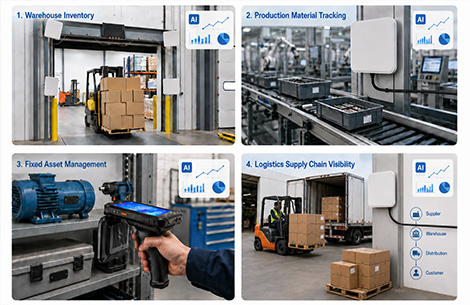
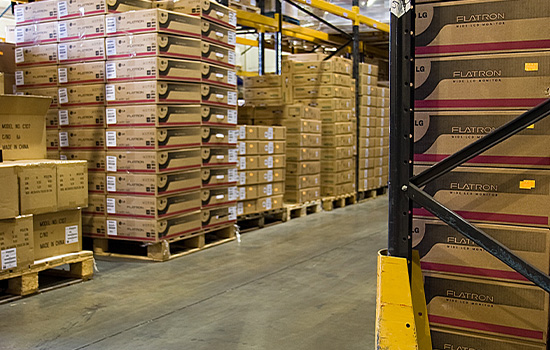
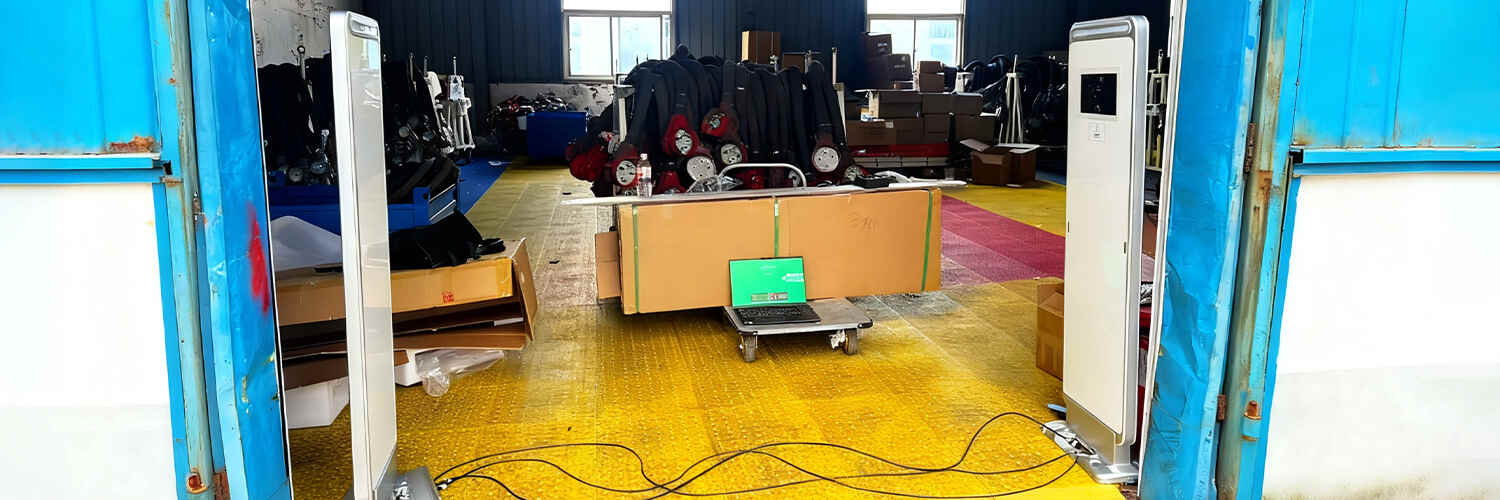
One common scenario is warehouse inventory visibility. By deploying UHF RFID readers at inbound and outbound doors, companies can automatically record goods movement. Android RFID handhelds can be used for shelf checking, cycle counting, and exception verification. AI can then analyze inventory trends, identify missing items, and support smarter replenishment decisions.
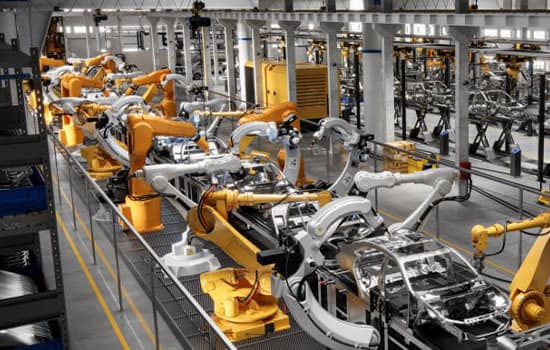
Another scenario is manufacturing material tracking. RFID tags can be applied to work-in-process items, containers, tools, or fixtures. Fixed RFID readers and antennas can be installed at production lines, workstations, or transition points. AI can analyze material flow, production timing, and bottlenecks to improve planning and reduce manual tracking errors.
RFID and AI are also useful in fixed asset management. Industrial equipment, IT assets, tools, and reusable containers often move across departments or locations. RFID data capture can improve asset records, while AI can help detect abnormal movement, underused assets, or maintenance-related patterns.
In logistics and supply chain operations, RFID can provide data from loading docks, transfer points, and distribution centers. AI can use this data to improve route planning, shipment visibility, and exception management. For companies managing large quantities of physical goods, this creates a stronger foundation for supply chain automation.
Building the Right RFID Hardware Foundation
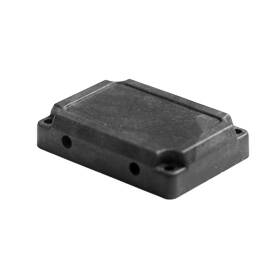
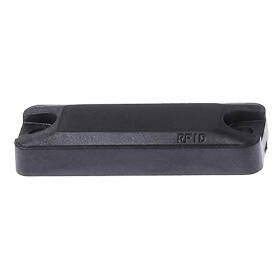
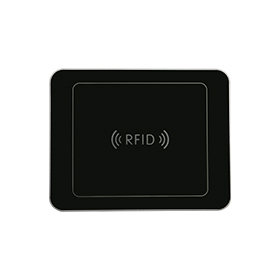
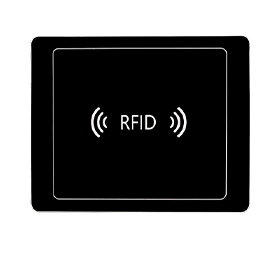
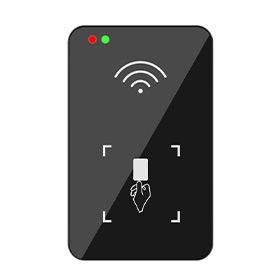
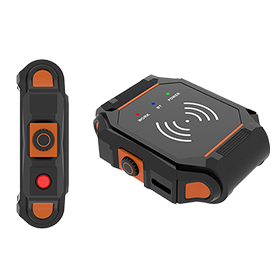
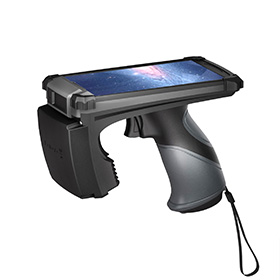
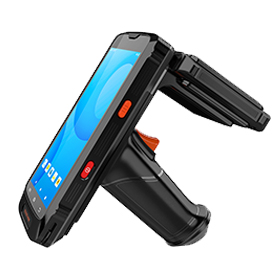
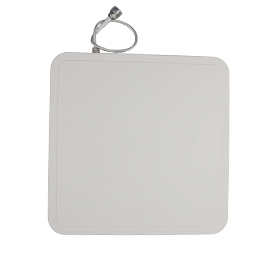
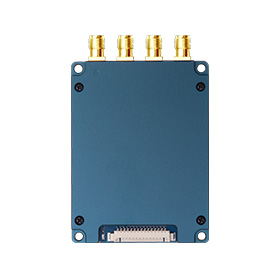
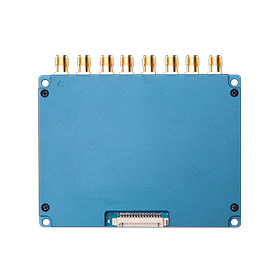
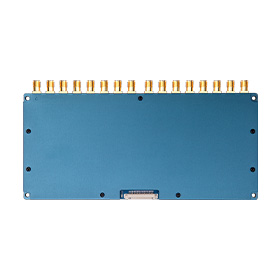
To support AI RFID inventory management, the RFID hardware layer must be designed according to the real operating environment. A complete system usually includes UHF RFID readers, RFID antennas, RFID tags, Android RFID handhelds, and RFID modules.
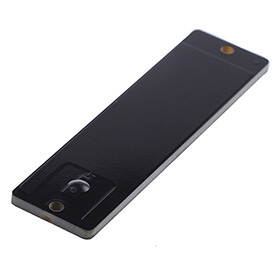
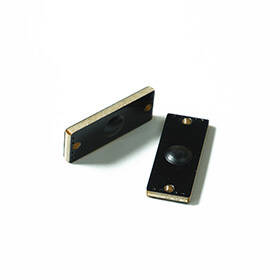
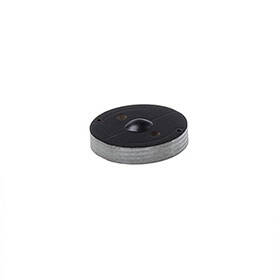
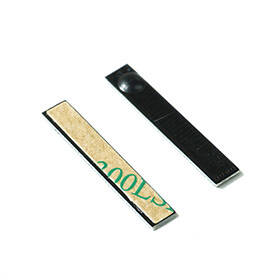
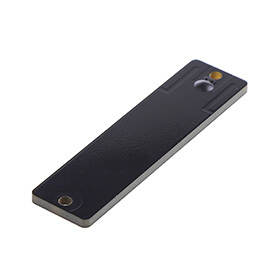
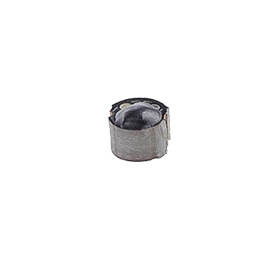
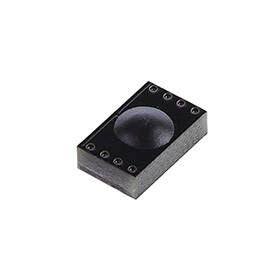
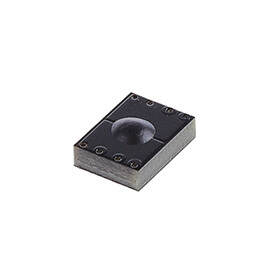
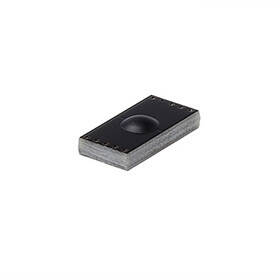
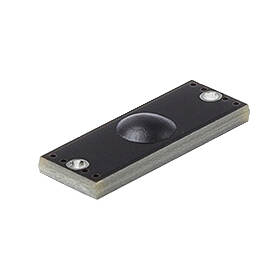
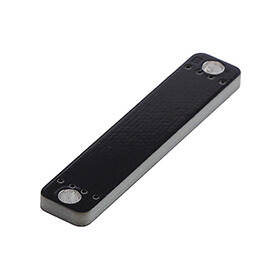
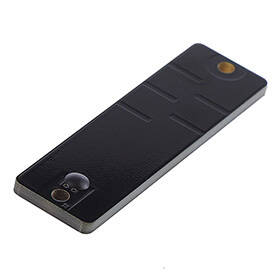
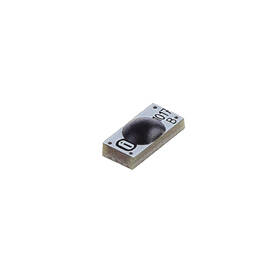
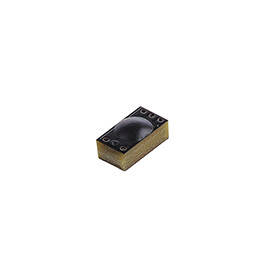
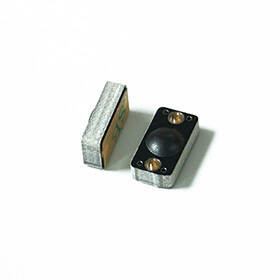
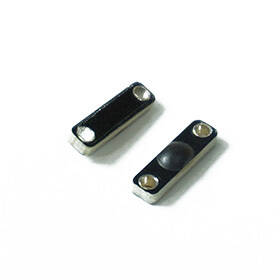
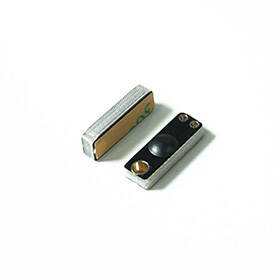
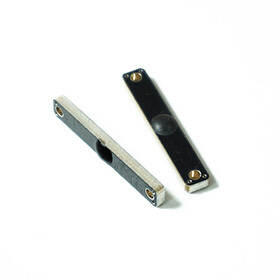
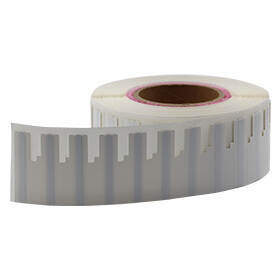
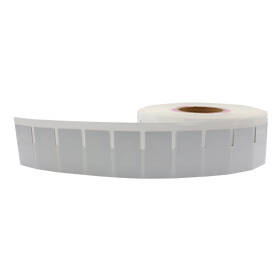
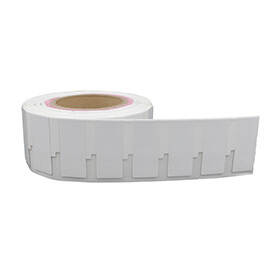
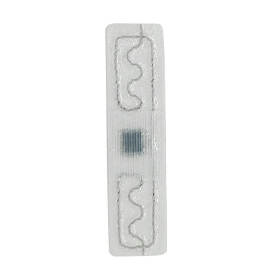
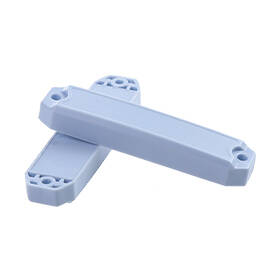
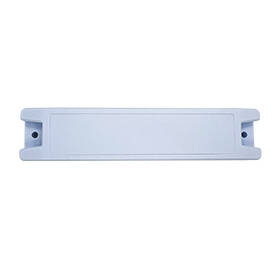
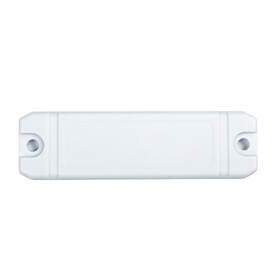
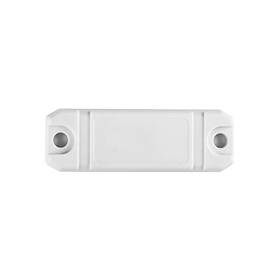
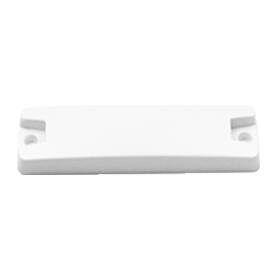
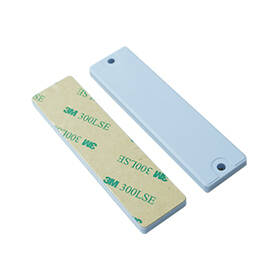
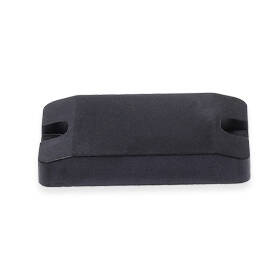
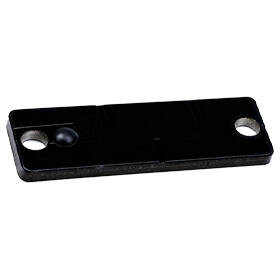
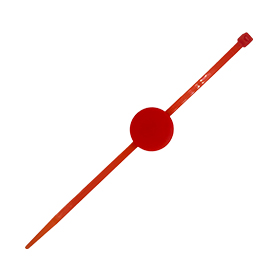
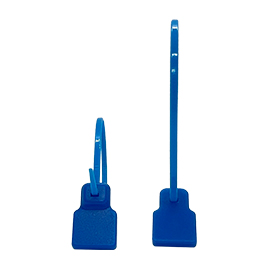
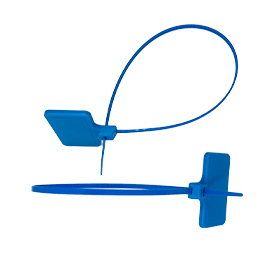
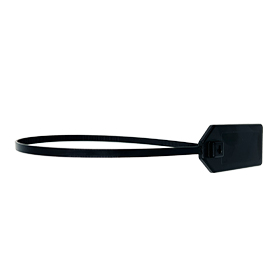
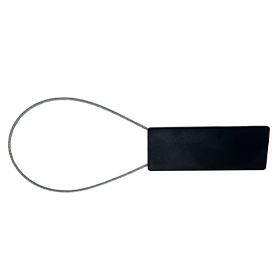
UHF RFID readers are commonly used at fixed reading points such as warehouse doors, conveyor lines, cabinets, production stations, or logistics channels. RFID antennas determine the signal coverage area and must be selected based on reading distance, installation angle, tag direction, and surrounding materials. RFID tags must match the object surface and application environment, especially when items involve metal, liquid, outdoor exposure, or repeated handling.
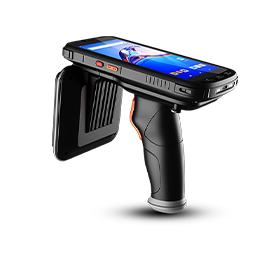
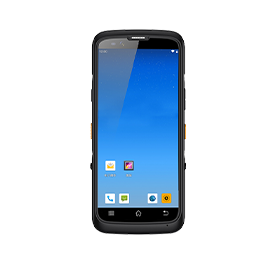
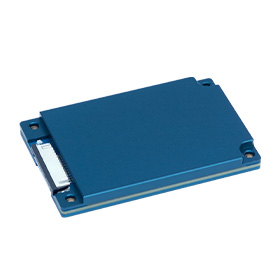
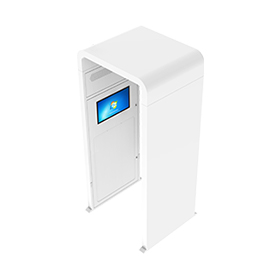
Android RFID handheld devices are useful for flexible operations. Workers can use them for inventory counting, asset inspection, item search, and exception checking. RFID modules can be integrated into smart cabinets, self-service terminals, production equipment, or customized industrial devices where embedded RFID reading is required.
Infowise RFID provides industrial RFID hardware products including UHF RFID Readers, RFID Antennas, RFID Tags, Android RFID Handhelds, and RFID Modules. These products can be used as the data capture foundation for inventory systems, warehouse projects, manufacturing tracking, and supply chain automation applications.
Deployment Considerations
A successful RFID and AI project should not start only from the AI model. It should begin with the physical process. Companies need to define what objects should be identified, where data should be captured, and which events are valuable for decision-making.
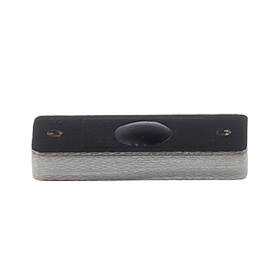
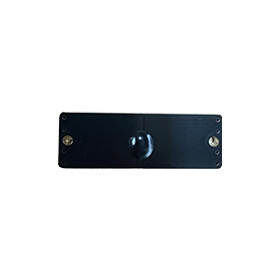
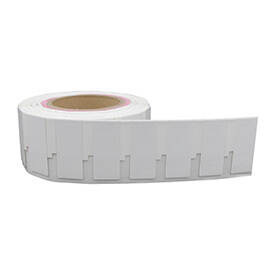
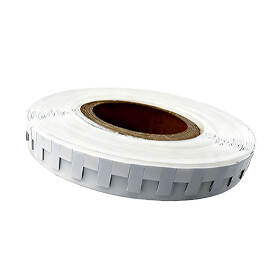
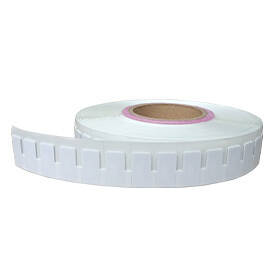
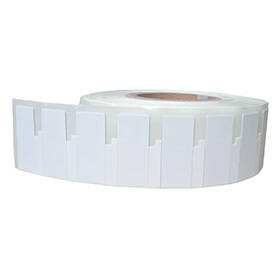
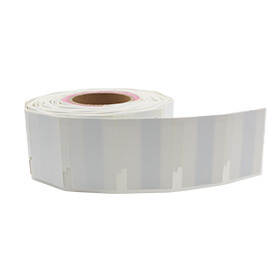
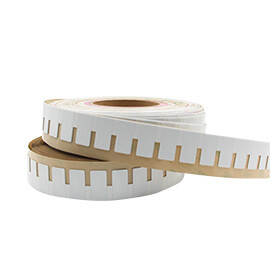
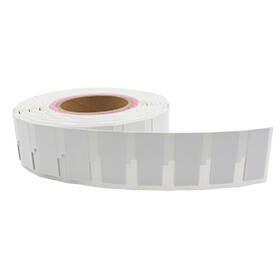
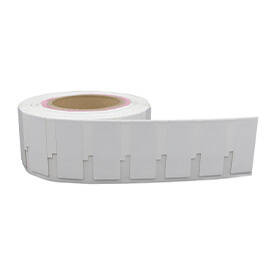
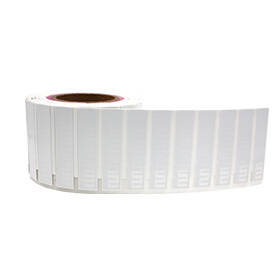
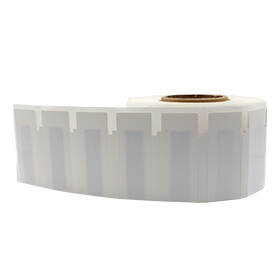
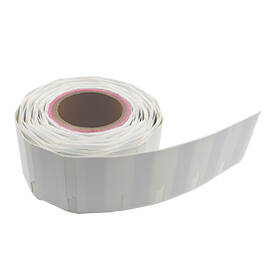
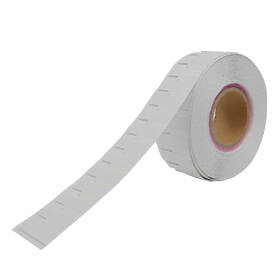
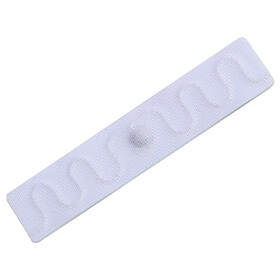
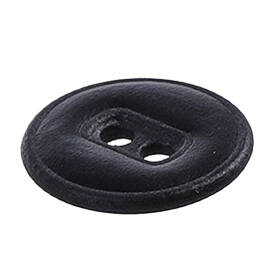
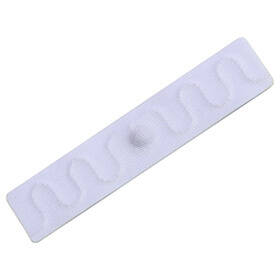
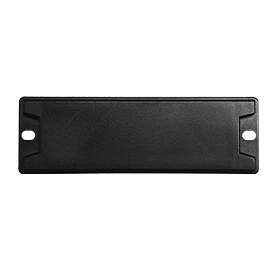
Tag selection is one of the most important steps. A standard RFID label may work well on cartons or plastic packaging, while metal assets may require anti-metal tags. Textile items, reusable containers, or harsh industrial environments may require different tag designs. Choosing the wrong tag can lead to unstable reads and poor data quality.
Reader and antenna placement also matters. The reading zone should match the actual workflow. For example, a warehouse gate may require fixed readers and antennas positioned to cover goods movement without reading unrelated tags nearby. A production line may need a more controlled reading area to avoid cross-reading from adjacent stations.
Before connecting RFID data to AI analytics, companies should perform site testing and define clean data rules. Duplicate reads, missed reads, location logic, and exception handling should be considered. AI can provide stronger insights only when the RFID data structure is reliable.
Future Outlook: RFID, AI, and Digital Twins
As more companies move toward smart inventory and digital supply chains, RFID will become a key physical data entrance for AI systems. Instead of treating RFID only as an identification tool, companies can use it as a continuous data capture layer that supports analytics, automation, and digital twin development.
The future of inventory management will not depend on AI alone. It will depend on the quality of data that AI receives. RFID readers, antennas, tags, handhelds, and modules create the connection between physical assets and digital intelligence. When this foundation is designed correctly, AI can help companies move from reactive inventory control to more predictive and automated decision-making.
For industrial businesses, the value of RFID and AI is practical: better visibility, fewer manual steps, faster exception detection, and stronger support for supply chain decisions. As RFID data capture becomes more integrated with AI analytics, smart inventory systems will become more accurate, scalable, and useful for real-world operations.
 Prev
Prev