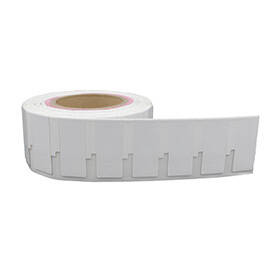
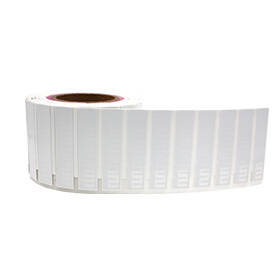
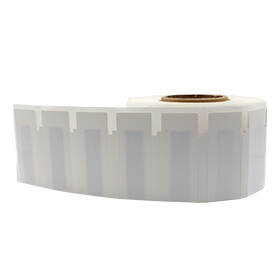
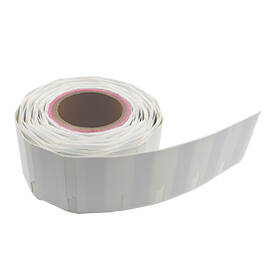
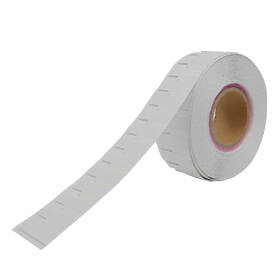
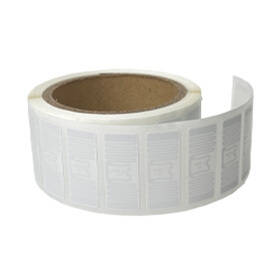
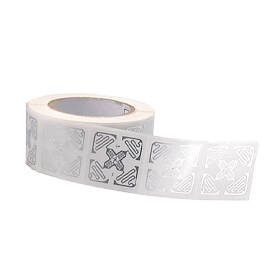
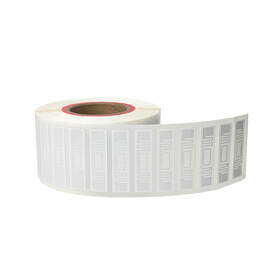
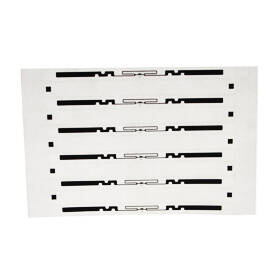
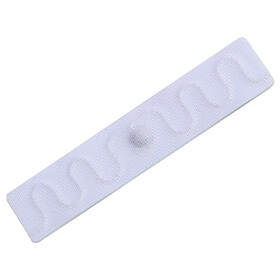
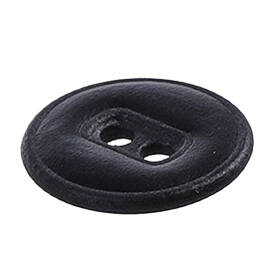
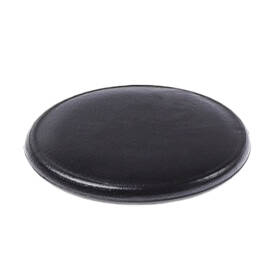
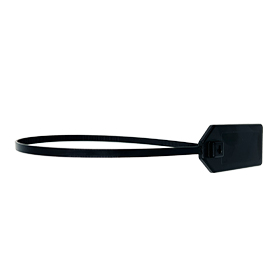
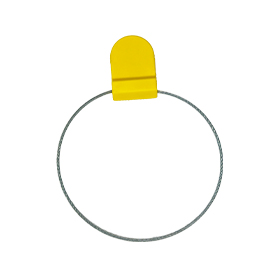
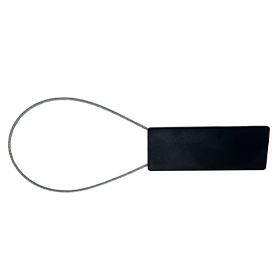
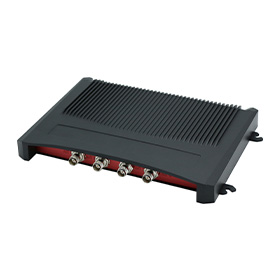




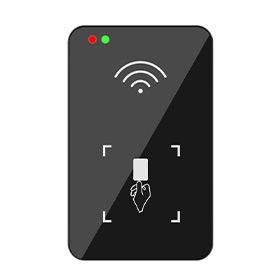

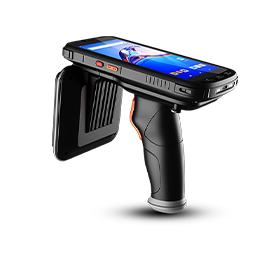
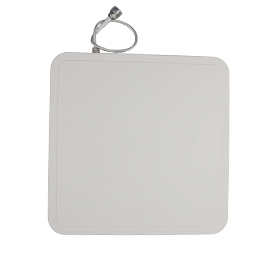
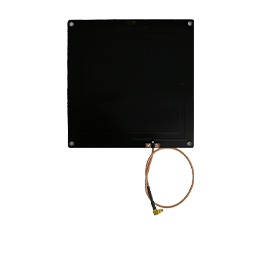
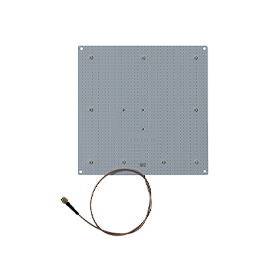
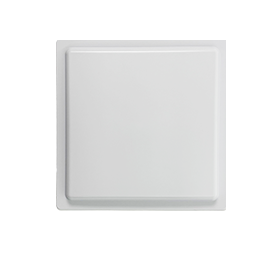
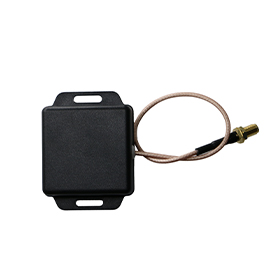
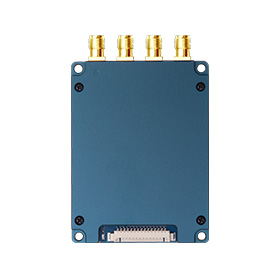
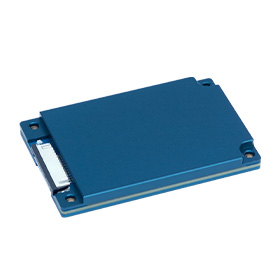
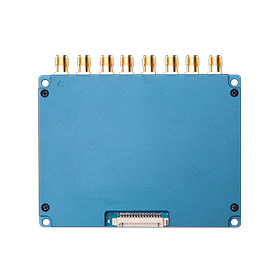





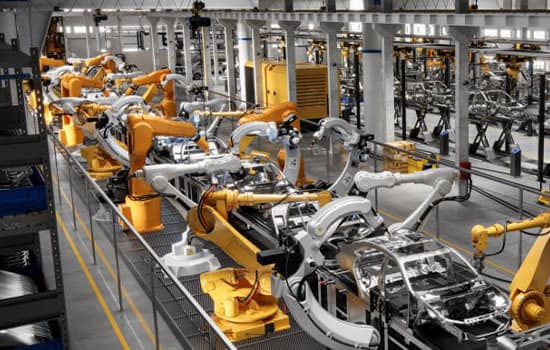


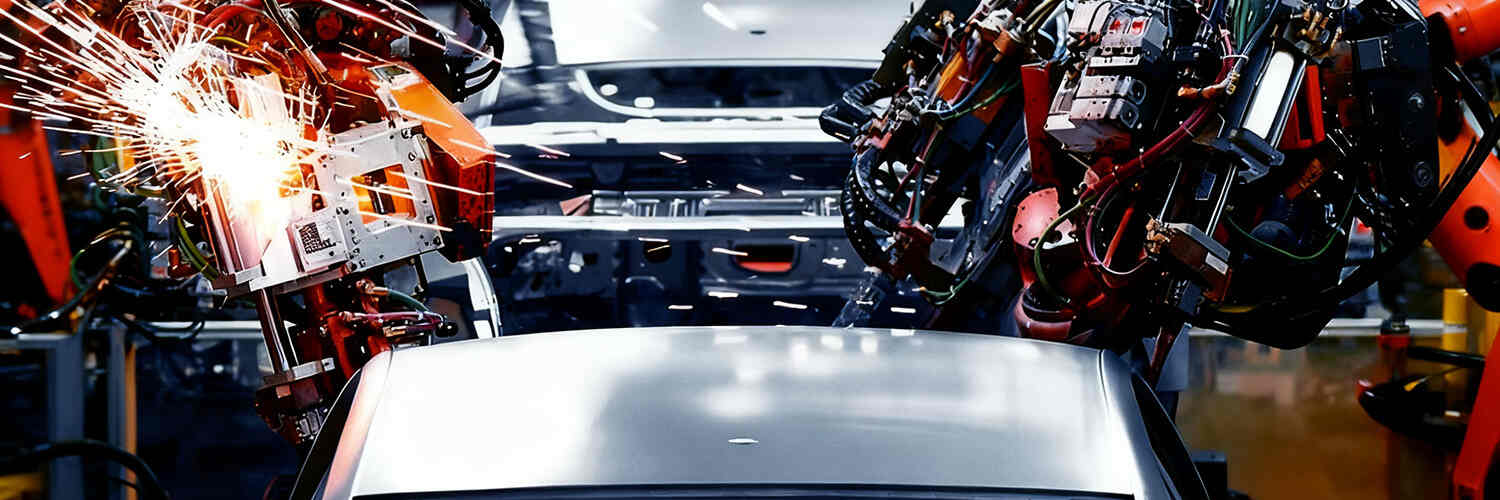









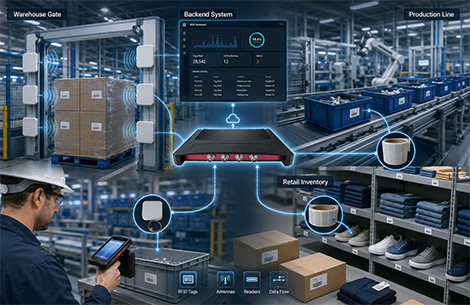
RFID application scenarios now cover warehouses, factories, logistics centers, retail stores, hospitals, offices, vehicle entrances, and many other enterprise environments. Unlike barcode systems that normally require direct visibility and individual scanning, RFID technology can identify multiple tagged objects without line-of-sight contact.
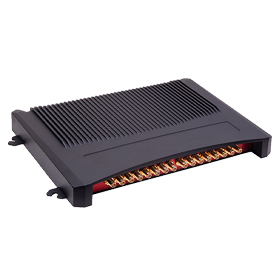
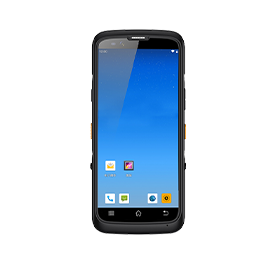
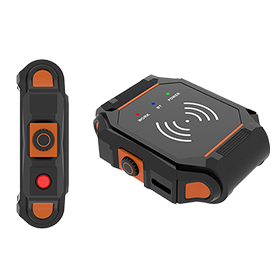
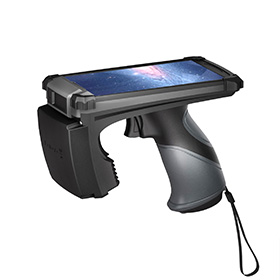
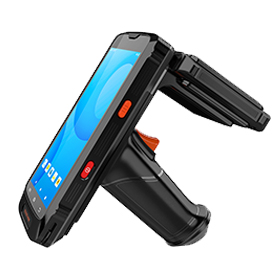
A typical RFID application includes RFID tags attached to physical objects, RFID antennas that transmit and receive radio-frequency signals, RFID readers that collect tag data, and software that processes the collected information. Depending on the workflow, businesses may use a fixed UHF RFID reader, an Android RFID handheld, an RFID module, or a combination of several devices.
The following 20 practical RFID applications demonstrate how enterprises can use RFID hardware to improve data collection, inventory visibility, process control, and asset traceability.
1. Warehouse Inbound Management
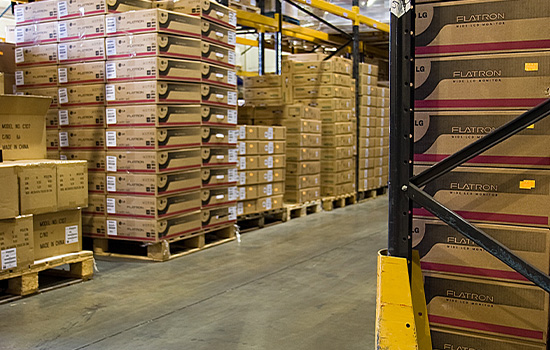
RFID tags can be attached to pallets, cartons, containers, or reusable transport items before they arrive at a warehouse.
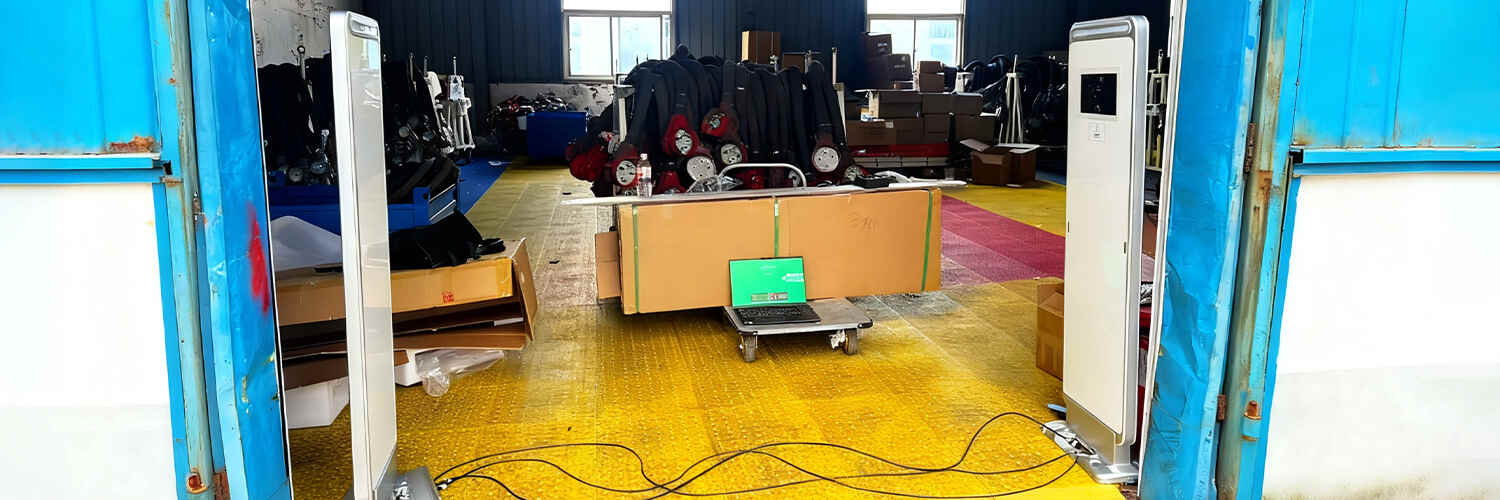
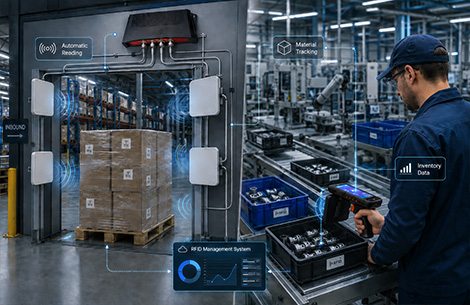
A fixed UHF RFID reader and RFID antennas installed near the inbound gate can automatically identify tagged goods as they enter. The collected tag data can then be transferred to a warehouse management system for receiving confirmation, quantity checking, and inventory updates.
2. Warehouse Outbound Verification
At the outbound area, RFID can verify whether the correct products, pallets, or cartons are being shipped.
When tagged goods pass through the reading zone, the RFID reader captures their identification data. The system can compare the results with the shipment order and identify missing, incorrect, or additional items before loading.
3. Warehouse Inventory Counting
Android RFID handheld devices are commonly used for warehouse inventory checks.
Workers can walk through aisles and identify multiple RFID tags without scanning every item individually. This approach is suitable for shelf inventory, temporary storage areas, exception checking, and locating missing assets.
4. Pallet Tracking
Pallets can be equipped with durable UHF RFID tags to support circulation management.
RFID readers installed at warehouse gates, loading areas, or production entrances can record when pallets enter or leave a specific zone. The data can help enterprises track pallet locations, usage frequency, circulation status, and return conditions.
5. Reusable Container Management
RFID is often used to manage reusable plastic boxes, metal containers, bins, cages, and industrial packaging.
Each container receives a unique RFID identity. Fixed readers can record container movement automatically, while handheld readers can support inventory checks and off-site verification.
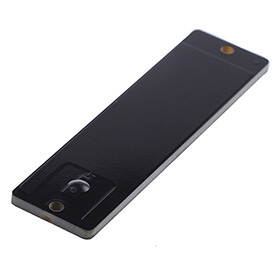
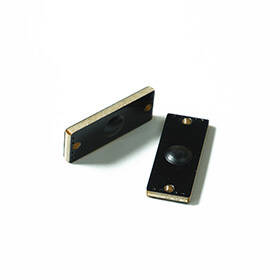
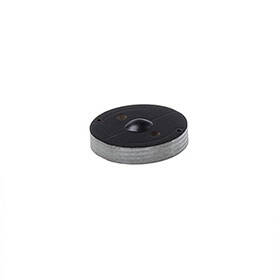
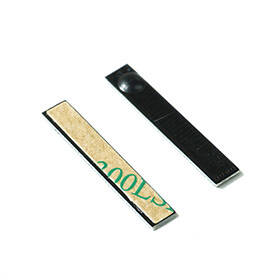
For metal containers, suitable anti-metal RFID tags should be selected according to the mounting surface and operating environment.
6. Production Material Tracking
RFID tags can identify raw materials, work-in-process items, trays, or production containers.
Readers installed at production stations can record when materials reach a specific process. This helps manufacturers understand material flow and connect physical production activities with manufacturing execution systems.
7. Work-in-Process Tracking
In multi-stage manufacturing, RFID can provide visibility into the location and status of semi-finished products.
Tagged carriers or products can be read at each workstation. The collected information may include process entry, process completion, transfer time, and the current production stage.
This RFID application is particularly useful when production items move repeatedly between different work areas.
8. Production Line Identification
A fixed RFID reader or embedded RFID module can be integrated into production equipment.
When a tagged item reaches a workstation, the RFID system can identify the item and provide its unique electronic product code to the control system. The equipment can then retrieve the corresponding production instructions or inspection requirements.
9. Tool Management
Industrial tools, molds, fixtures, and measuring instruments can be tracked with RFID tags.
An RFID smart cabinet, fixed reader, or handheld device can record tool issue, return, inspection, and storage status. Anti-metal RFID tags are normally required when tags are installed directly on metal tools.
10. Equipment Maintenance Management
RFID tags can provide a unique digital identity for machines and production equipment.
Maintenance personnel can use an Android RFID handheld to identify equipment, check inspection records, and update maintenance status. This reduces dependence on manually entering equipment numbers and supports more consistent field data collection.
11. Fixed Asset Management
Office equipment, IT devices, furniture, instruments, and other fixed assets can be labeled with RFID tags.
During an asset audit, employees can use handheld RFID readers to scan assets by room, department, or building. RFID can also help identify assets that have been moved without an updated record.
12. Data Center Asset Tracking
Servers, network equipment, storage devices, and other data center assets require accurate identification.
RFID tags can be used to associate each device with its asset record. Handheld readers support equipment audits, while fixed RFID systems may be deployed at controlled entrances to record asset movement.
Tag selection and antenna positioning require careful testing because metal equipment can affect radio-frequency performance.
13. Logistics Loading Verification
RFID can help confirm whether the correct pallets or containers are loaded onto a vehicle.
Readers and antennas positioned near loading docks can identify tagged items during loading. The system can compare the collected RFID data with the transportation order before the vehicle leaves.
14. Parcel and Carton Sorting
RFID tags can support automated identification on conveyors and sorting lines.
A fixed UHF RFID reader connected to one or more antennas can read tagged parcels as they pass through a controlled area. RFID modules may also be embedded into sorting machines or customized industrial terminals.
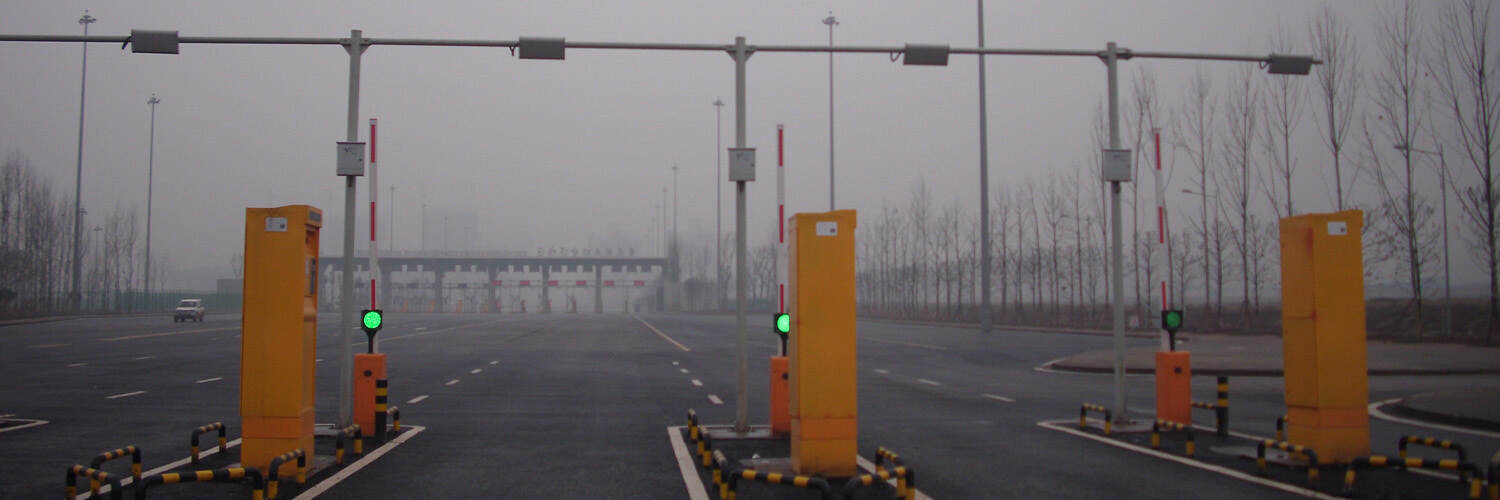
15. Vehicle Entrance Management
UHF RFID can be used for vehicle identification at factory gates, logistics parks, parking areas, and controlled facilities.
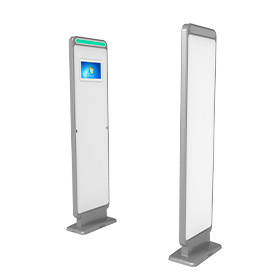
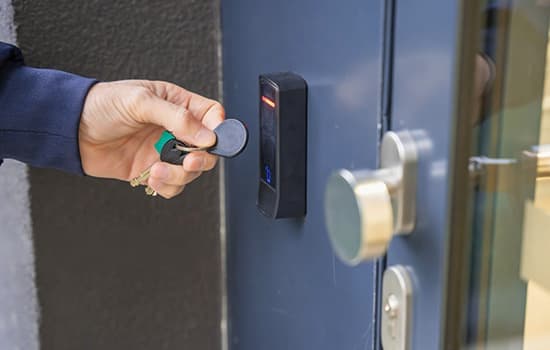
RFID tags installed on windshields or vehicle surfaces are identified by readers and antennas near the entrance. The system can record vehicle entry and exit or connect the identification result to an access control platform.
The actual reading zone should be adjusted according to lane width, vehicle speed, tag position, antenna direction, and environmental interference.
16. Retail Inventory Management
Retailers can attach RFID labels to clothing, footwear, accessories, electronics, and other products.
Store employees can use Android RFID handheld devices for rapid inventory checks, shelf replenishment, and item searches. RFID data can improve visibility between stockrooms, sales floors, and distribution centers.
17. Retail Receiving and Transfer
RFID can identify products when stores receive goods from distribution centers or transfer inventory between locations.
Instead of checking products individually, workers can read multiple tagged items and compare the results with the delivery or transfer document.
18. Library Management
RFID tags can be placed inside books and other library materials.
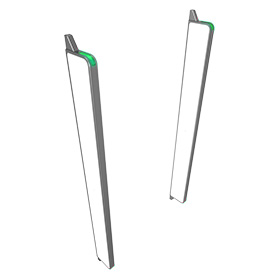
Desktop readers, self-service equipment, security gates, and handheld inventory devices can support borrowing, returning, shelf checking, and item searching. The RFID frequency and system architecture should be selected according to the library's existing infrastructure.
19. Healthcare Asset Tracking
Hospitals and laboratories can use RFID to identify medical equipment, mobile devices, sample containers, and reusable instruments.
Handheld RFID readers are suitable for periodic audits and equipment searches. Fixed readers may be used at storage rooms or controlled transfer points.
RFID hardware must be selected carefully according to cleaning requirements, material surfaces, tag size, and operating conditions.
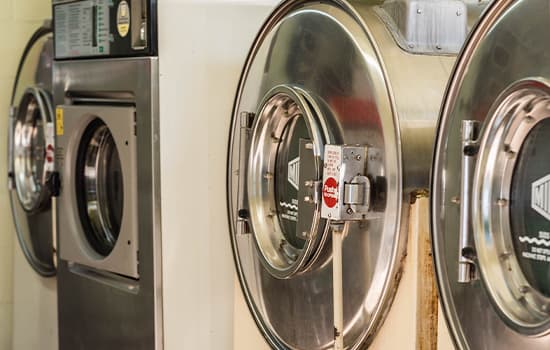
20. Textile and Laundry Management
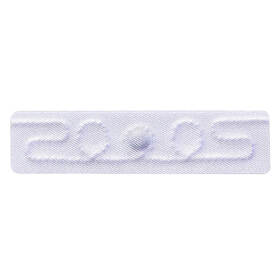
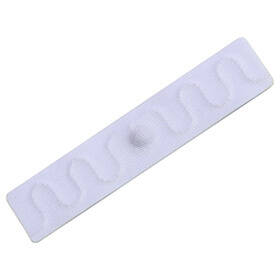
Washable RFID tags can be attached to uniforms, hotel linen, hospital textiles, and industrial workwear.
RFID readers can identify textile items during collection, washing, sorting, distribution, and return. This provides visibility into item quantity, circulation history, washing cycles, and loss conditions.
Specialized laundry tags are required because ordinary labels may not withstand repeated washing, chemicals, pressure, and high-temperature processes.
How to Select RFID Hardware for Different Applications
Different RFID application scenarios require different hardware configurations.
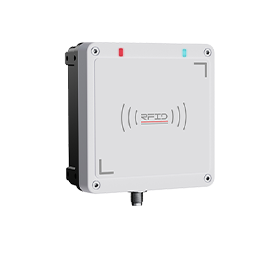
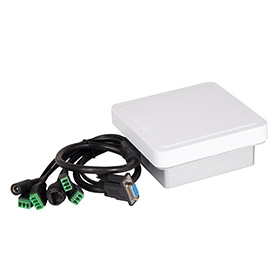
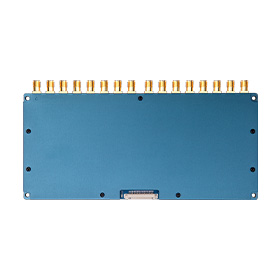
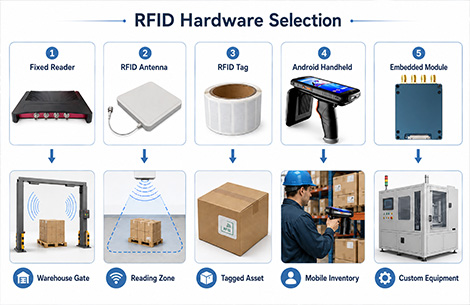
A fixed UHF RFID reader is suitable for automatic identification at warehouse gates, production lines, loading docks, conveyors, and vehicle entrances. It can connect to external RFID antennas to create a controlled reading zone.
An Android RFID handheld is better suited to mobile inventory, asset inspection, item searching, maintenance, and exception handling.
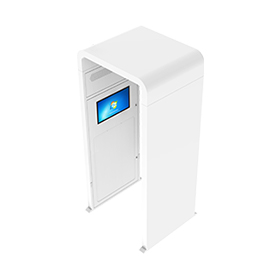
An RFID module can be embedded into kiosks, cabinets, industrial terminals, sorting equipment, and customized machines.
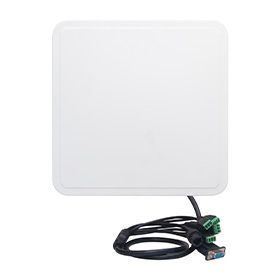
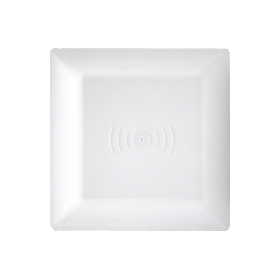
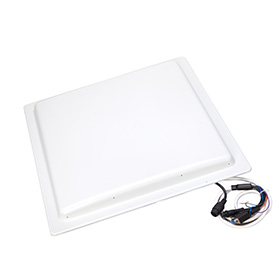
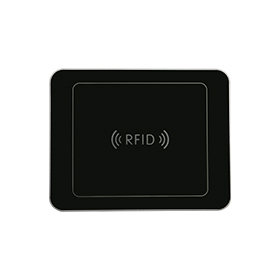
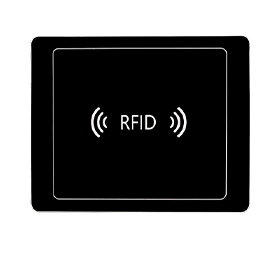
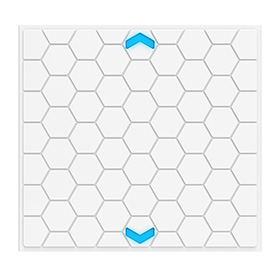
The RFID antenna determines the direction and coverage of the reading area. Antenna gain, polarization, installation height, angle, and surrounding materials can all influence system performance.
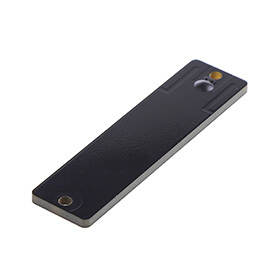
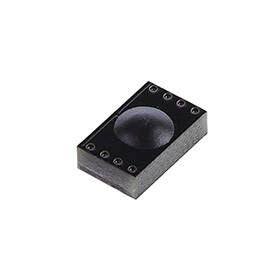
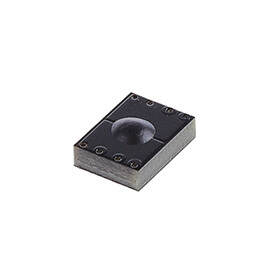
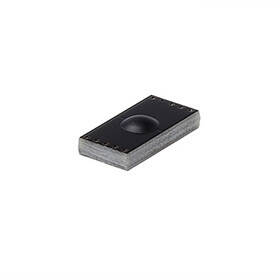
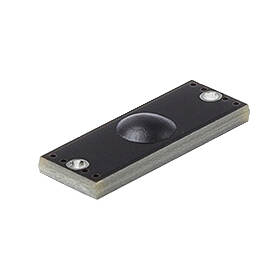
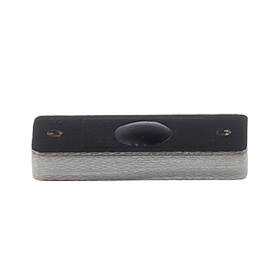
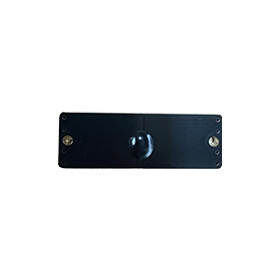
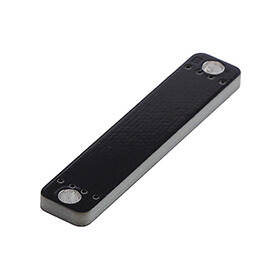
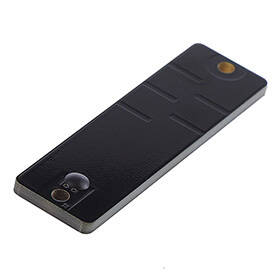
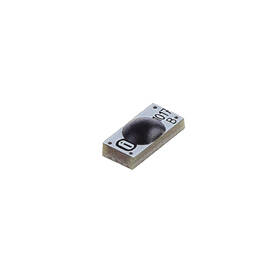
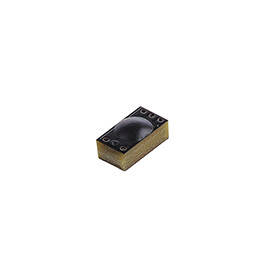
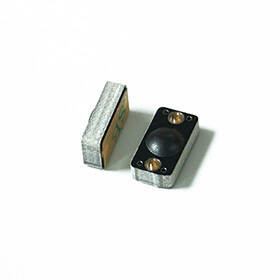
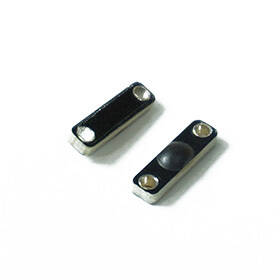
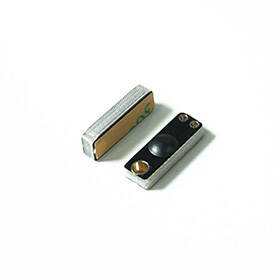
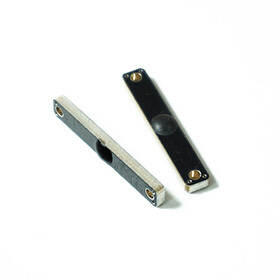
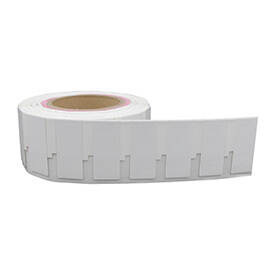
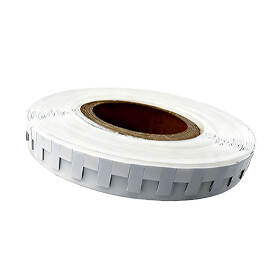
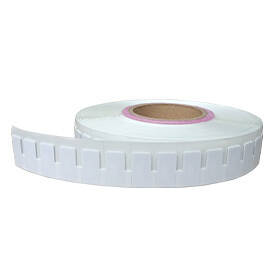
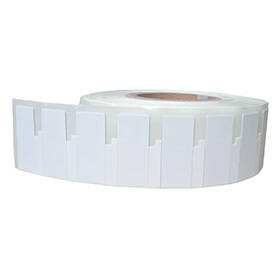
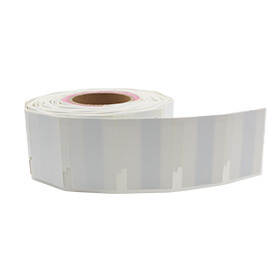
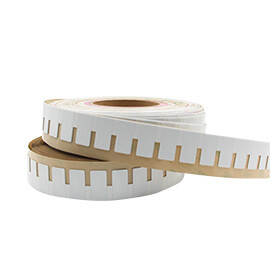
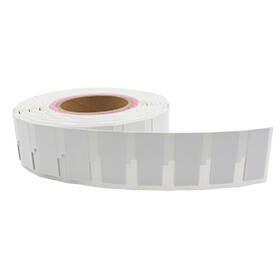
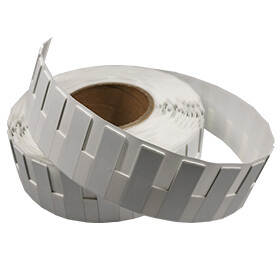
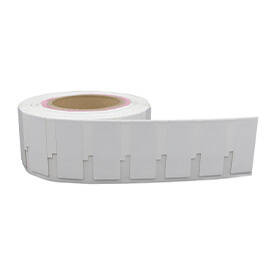
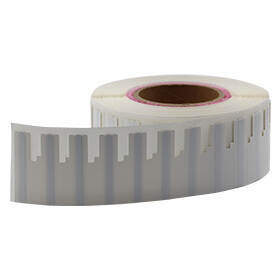
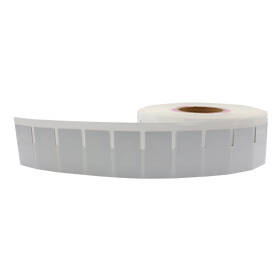
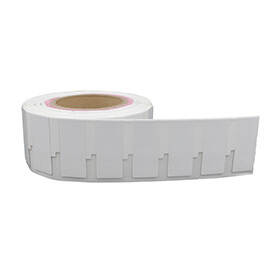
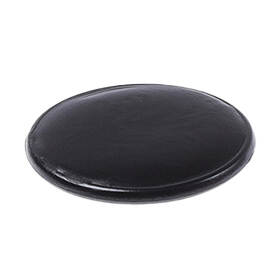
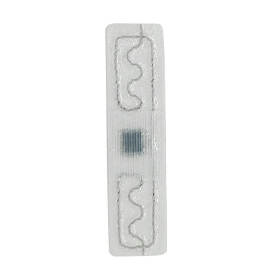
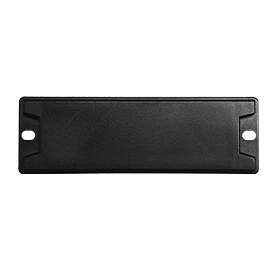
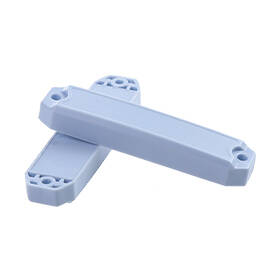
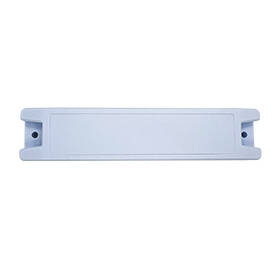
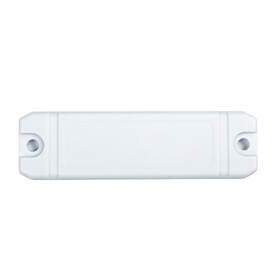
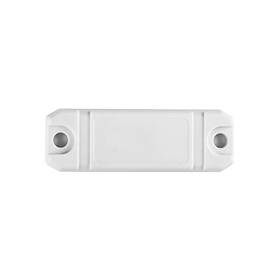
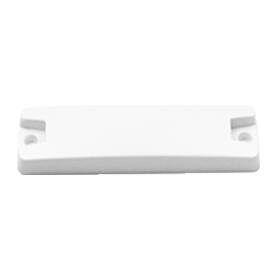
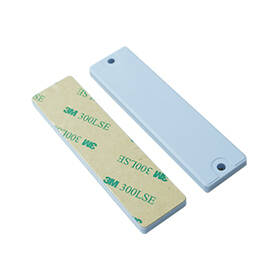
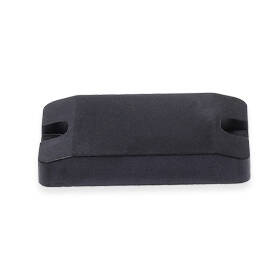
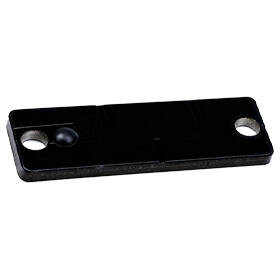
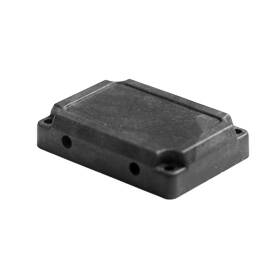
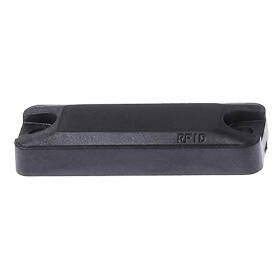
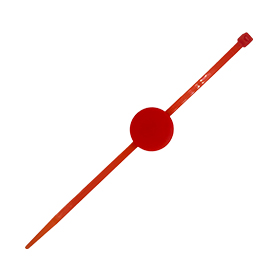
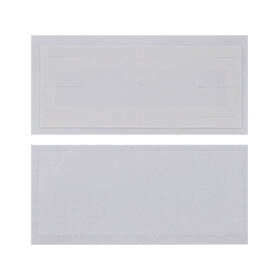
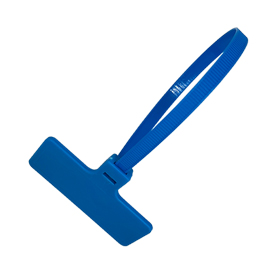
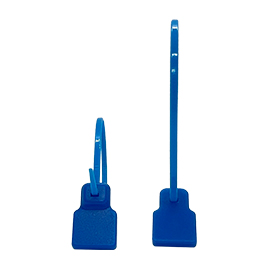
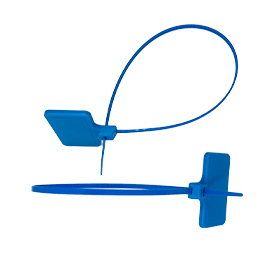
The RFID tag should be selected according to the object material, required size, operating temperature, installation method, durability, and environmental conditions. Standard labels may work for cartons and retail products, while anti-metal, PCB, ABS, flexible, or washable tags may be required for specialized applications.
Infowise RFID provides UHF RFID readers, RFID antennas, RFID tags, Android RFID handheld devices, and RFID modules for integration into enterprise data collection systems.
Key RFID Deployment Considerations
Successful RFID implementation depends on more than selecting a reader and tag. Enterprises should evaluate the following factors:
- Object material, especially metal and liquid
- Tag installation position and orientation
- Reader output power
- Antenna quantity, direction, and coverage
- Required reading zone
- Movement speed and object density
- Nearby radio-frequency interference
- Communication interfaces
- API or SDK integration requirements
- On-site testing conditions
Before full deployment, the hardware configuration should be tested using actual tags, products, installation positions, and operational processes. Reading performance measured in an open environment may differ from performance in a warehouse, factory, vehicle lane, or production line.
Conclusion
RFID application scenarios range from warehouse inventory and production tracking to vehicle access, retail management, tool control, healthcare assets, and industrial laundry.
The most suitable RFID system depends on what needs to be identified, where the identification occurs, how the objects move, and how the collected data will be integrated with existing software.
By combining fixed RFID readers, RFID antennas, Android RFID handheld readers, RFID modules, and application-specific RFID tags, enterprises can build practical data collection systems for both automatic and mobile workflows.
Frequently Asked Questions
What are the specific applications of RFID?
Specific RFID applications include warehouse receiving, outbound verification, inventory counting, pallet tracking, production material tracking, tool management, fixed asset audits, retail inventory, vehicle identification, healthcare asset management, and textile tracking.
Which industries commonly use RFID technology?
RFID is commonly used in manufacturing, warehousing, logistics, retail, healthcare, transportation, libraries, data centers, hospitality, and industrial laundry operations.
What is the difference between fixed and handheld RFID applications?
Fixed RFID readers are installed at controlled locations for automatic identification. Handheld RFID readers are carried by workers for mobile inventory, inspection, searching, and verification tasks.
Can RFID tags be installed on metal objects?
Yes, but standard RFID labels may perform poorly when attached directly to metal. Anti-metal RFID tags, PCB tags, ABS tags, or flexible anti-metal tags should be selected for metal assets.
Does every RFID application require customized software?
RFID hardware usually needs to exchange data with a management system. Some projects use existing ERP, WMS, MES, or asset management software, while others require customized middleware or application development through an API or SDK.
How should an enterprise begin an RFID project?
The enterprise should first define the objects to be identified, the required reading location, process flow, environmental conditions, and system integration requirements. A small on-site test is recommended before large-scale deployment.
 Prev
Prev