












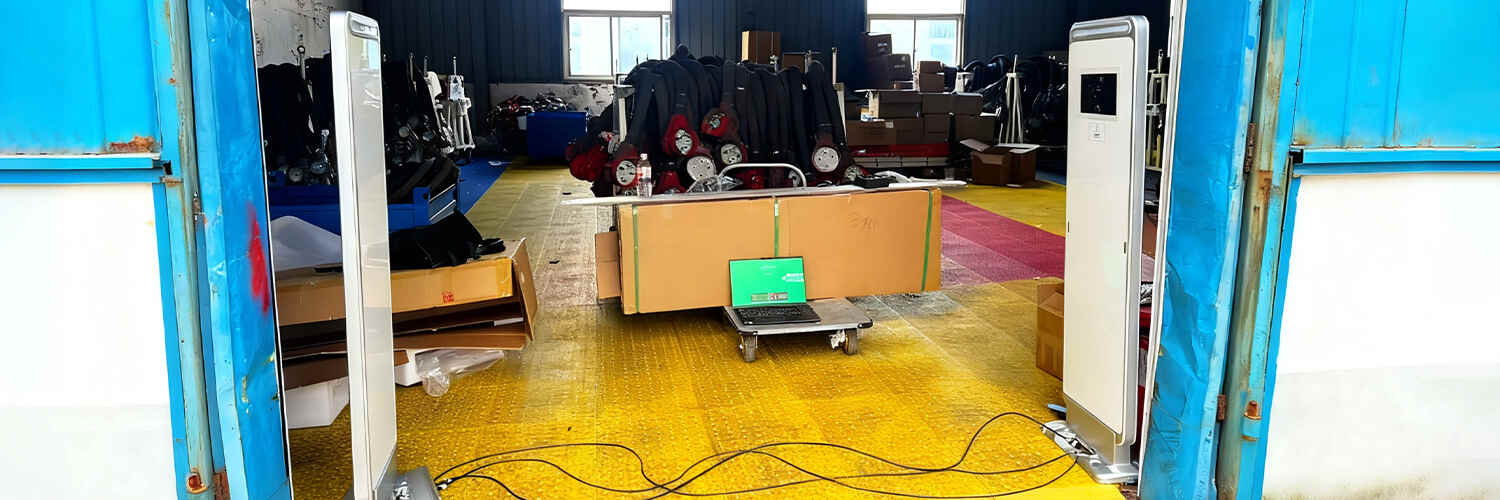










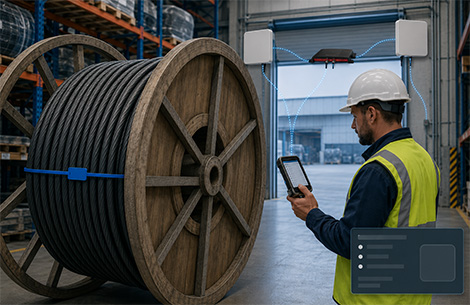
RFID Anti-Counterfeiting and Traceability for Wires and Cables: Preventing Material Substitution with RFID Cable Tie Tags
Wires and cables are critical materials in power distribution, transportation infrastructure, industrial construction, telecommunications, data centers, and commercial building projects. Their quality directly affects electrical safety, equipment reliability, and long-term maintenance.
However, cable materials often pass through manufacturers, distributors, logistics providers, project warehouses, contractors, subcontractors, construction teams, and inspection departments before installation. During this process, engineering companies may encounter material substitution, inconsistent specifications, substandard products, unclear origins, missing documentation, or unauthorized replacement of approved materials.
Traditional labels, handwritten records, barcodes, and paper certificates can provide basic identification, but they may become damaged, detached, duplicated, or separated from the physical cable. RFID anti-counterfeiting and traceability of wires and cables provides a more structured identification method by assigning each cable reel, cable roll, cable bundle, or finished cable product a unique digital identity.
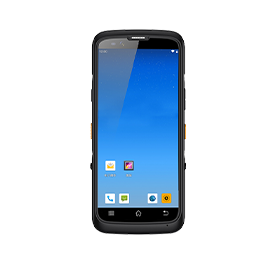
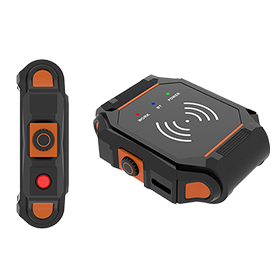
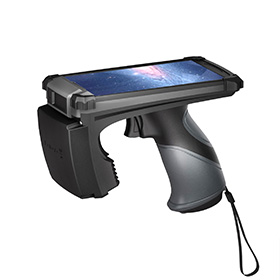
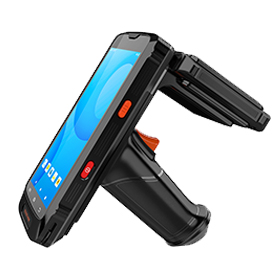
By combining RFID cable tie tags, UHF RFID readers, RFID antennas, Android RFID handheld devices, and a third-party management system, project teams can record cable movements and verification results throughout warehousing, requisition, construction, acceptance, and maintenance.
Why Is Wire and Cable Traceability Difficult?
Engineering cables are commonly managed according to manufacturer, product model, specification, cable type, length, production date, batch number, reel number, and inspection certificate. This information may already exist in purchasing documents or warehouse systems, but it is not always securely connected to the physical material.
Material Substitution
Approved cable products may be replaced with lower-cost, lower-grade, or different-specification materials during transportation, storage, distribution, or construction. When two cable products have similar external appearances, the substitution may be difficult to identify through visual inspection alone.
Unclear Material Origin
When cable reels are transferred between warehouses, contractors, temporary storage areas, and construction zones, supporting records may become incomplete. Project teams may be unable to quickly confirm where a cable reel originated, which supplier delivered it, or which purchase order it belongs to.
Inconsistent Physical and Digital Records
A warehouse system may show that a specific cable reel has been issued, while the actual material delivered to the construction site is different. Manual data-entry errors can also create discrepancies between purchase records, inventory data, and physical materials.
Limited Cable Lifecycle Visibility
After installation, cable information may only be recorded in drawings, spreadsheets, or maintenance documents. If technicians need to inspect, repair, or replace the cable later, identifying its original batch, supplier, specification, and installation date may require significant manual work.
These challenges make cable anti-counterfeiting management and wire and cable traceability important parts of engineering material control.
How RFID Cable Tie Tags Create a Unique Cable Identity
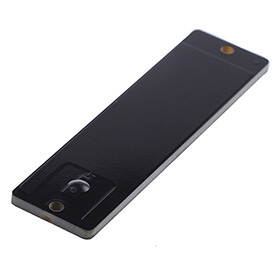
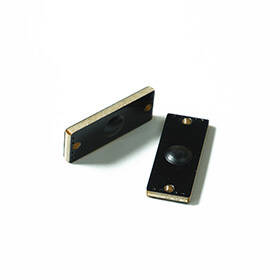
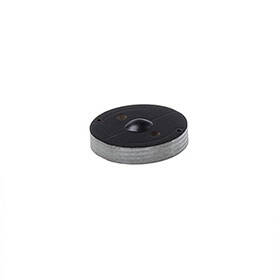
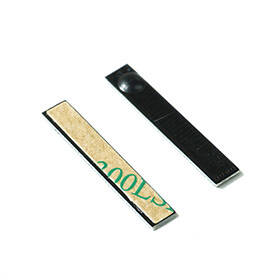
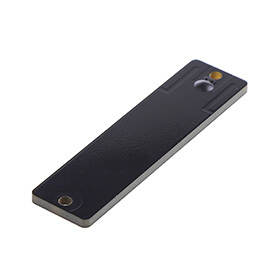
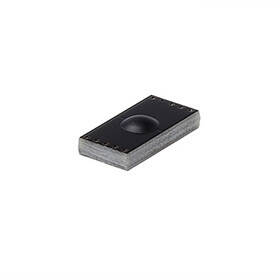
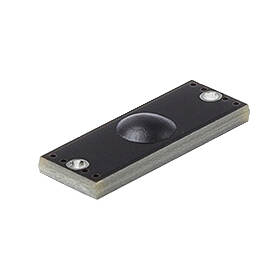
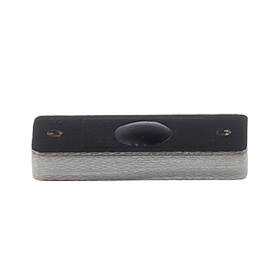
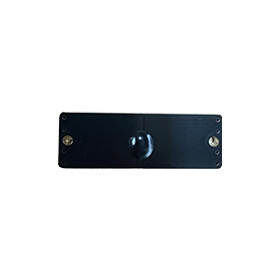
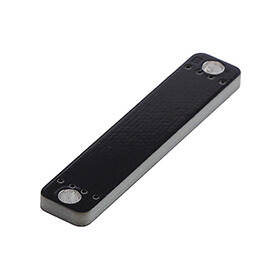
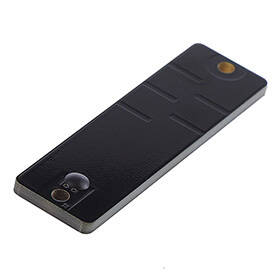
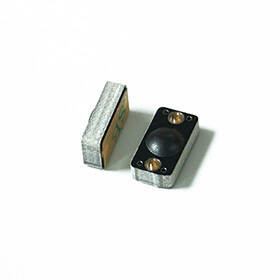
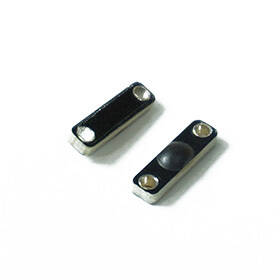
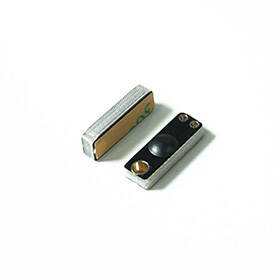
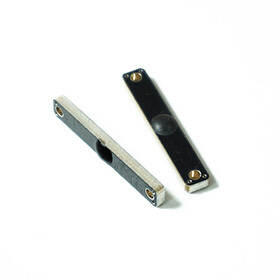
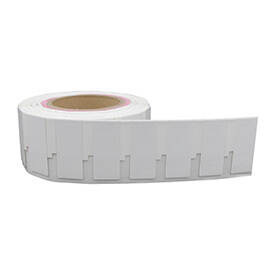
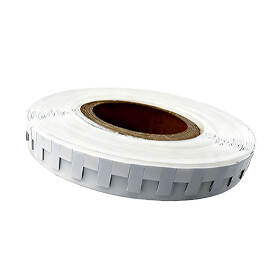
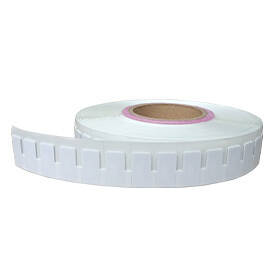
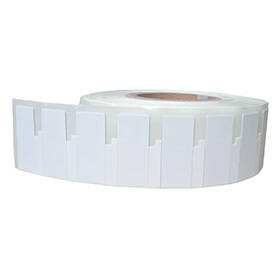
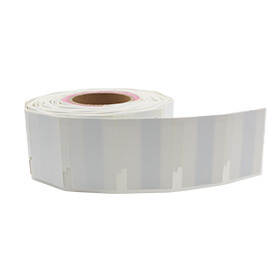
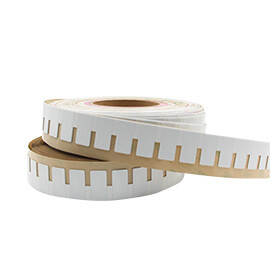
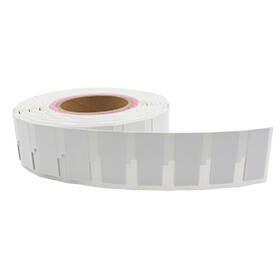
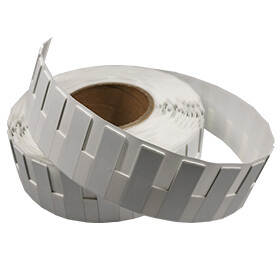
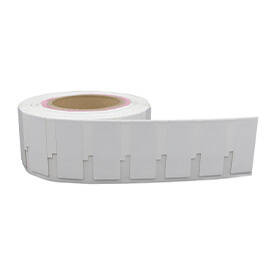
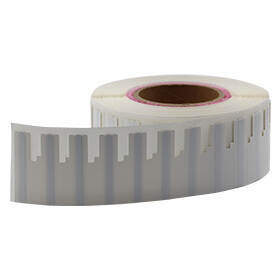
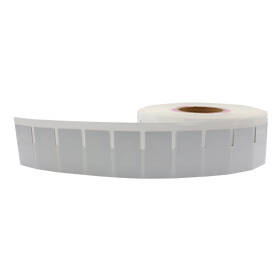
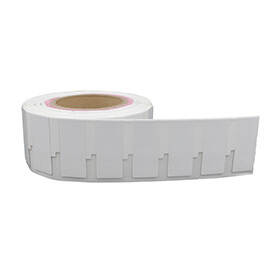
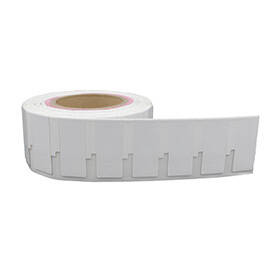
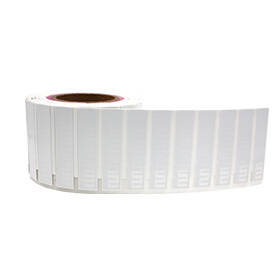
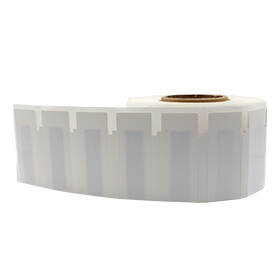
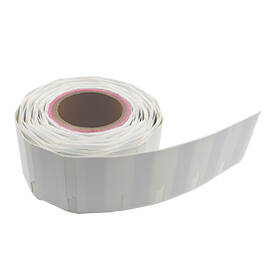
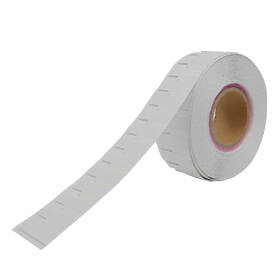
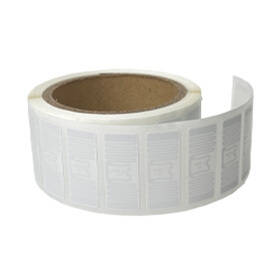
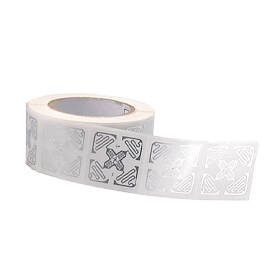
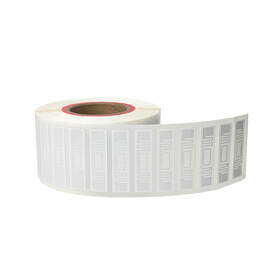
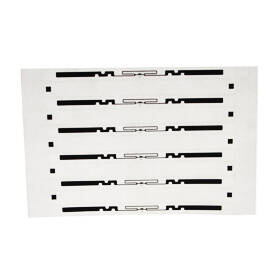
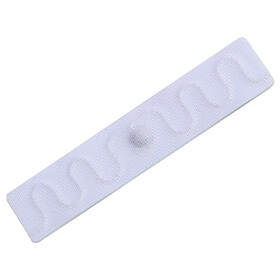
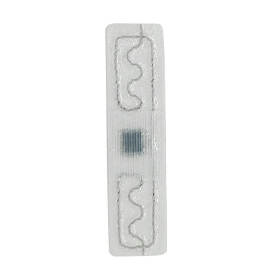
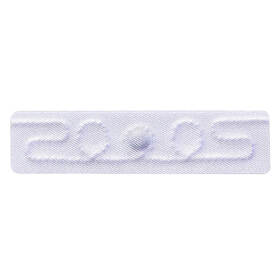
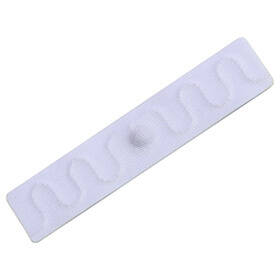
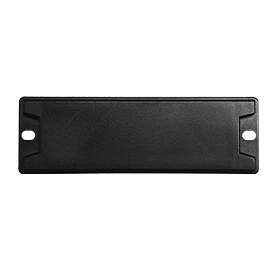
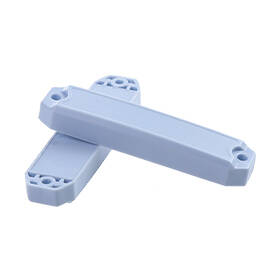
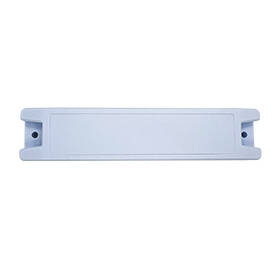
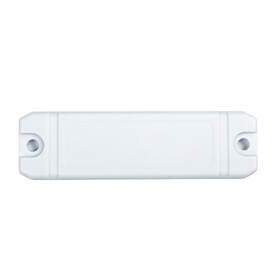
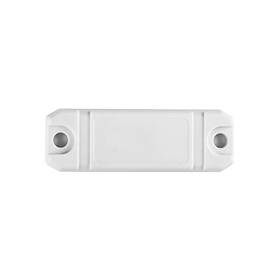
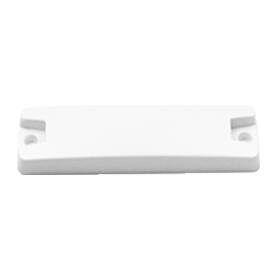
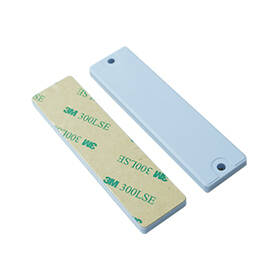
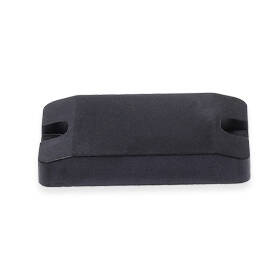
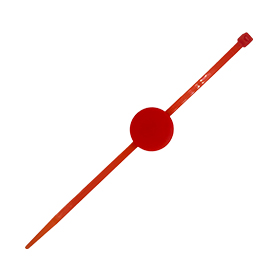
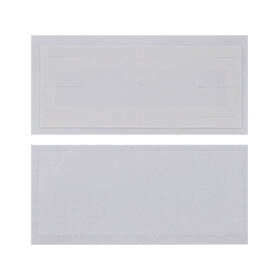
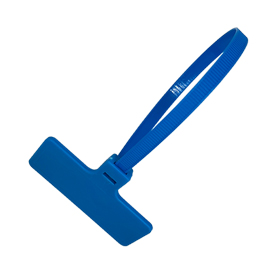
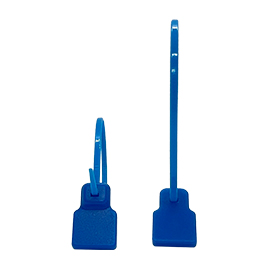
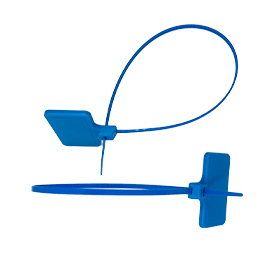
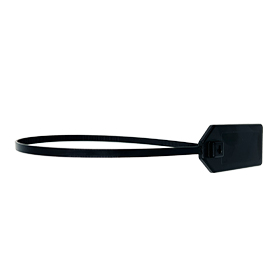
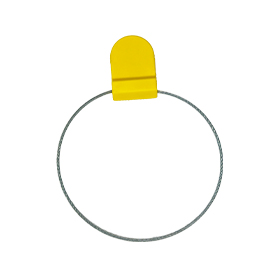
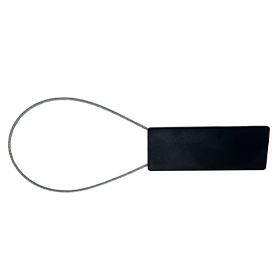
An RFID cable tie tag combines a cable tie structure with an embedded RFID chip and antenna. It can be attached to cable reels, cable rolls, cable bundles, packaging, or another suitable installation point that remains associated with the cable material.
Each RFID tag contains a unique identification code. During tag initialization, this code can be associated with relevant material information, including:
- Cable manufacturer
- Product model and specification
- Cable type and conductor information
- Production batch number
- Production date
- Cable reel or roll number
- Original cable length
- Purchase order number
- Supplier information
- Inspection status
- Warehouse location
- Project name or construction area
Once the RFID cable tie tag is attached and registered, the physical cable and its digital record become linked. When the tag is read, authorized personnel can retrieve or verify the information associated with that specific material identity.
Unlike barcodes and printed labels, RFID does not require direct line-of-sight scanning. Multiple tagged cable reels or cable bundles can be identified within a controlled reading area. Actual reading performance depends on the RFID reader, antenna configuration, tag installation position, cable reel structure, surrounding metal, material density, and site environment.
The unique RFID code does not independently prove cable quality. Its main role is to provide a reliable identity carrier connecting the physical material with verified procurement, inspection, logistics, storage, construction, and maintenance records.
RFID Anti-Counterfeiting and Traceability Workflow
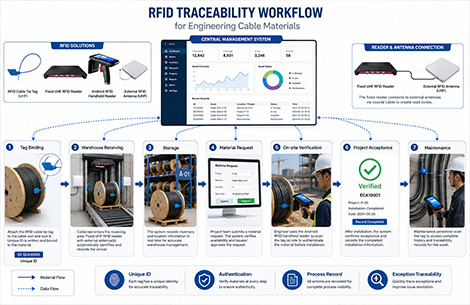
1. Tag Initialization and Material Binding
When a cable reel is manufactured, received, or entered into the project warehouse, an RFID cable tie tag is assigned to it. The tag ID is registered in the management system and linked to the corresponding product data, purchase documents, inspection information, batch number, and supplier records.
This process establishes the initial relationship between the RFID tag and the cable material. After registration, changes to the material status can be recorded against the same identity throughout the project.
2. Warehouse Inbound Verification
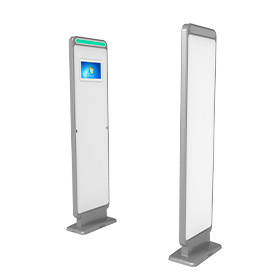
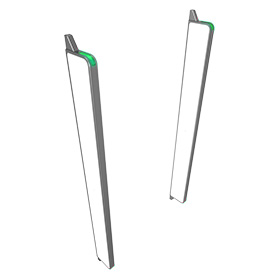
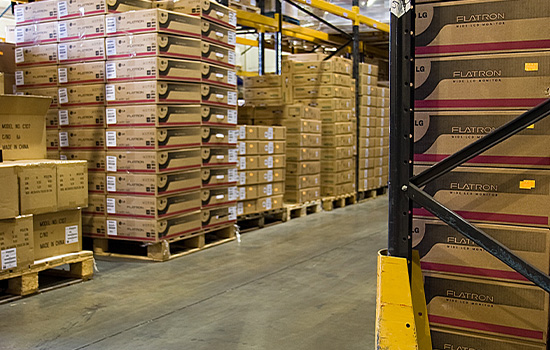
At the warehouse entrance, a UHF RFID fixed reader and RFID antennas can identify tagged cable materials entering the receiving area. The collected RFID tag IDs can be compared with purchase orders, delivery lists, or expected inbound records.
Warehouse personnel can also use an Android RFID handheld for mobile verification, exception handling, or materials positioned outside the fixed reading zone. If the tag ID, cable model, batch, or supplier information does not match the approved record, the material can be held for manual inspection.
3. Storage Location and Inventory Recording
After receiving inspection, cable materials are assigned to warehouse locations. RFID identification can be used to record storage positions, inventory status, transfers, and responsible departments.
During periodic inventory checks, employees can use an Android RFID handheld to identify multiple RFID cable tie tags without manually locating and reading every printed label. This supports faster inventory counting and helps identify missing, misplaced, or incorrectly recorded cable reels.
4. Material Requisition and Outbound Control
Before cable materials are issued to a contractor or construction team, the RFID tag can be read and compared with the approved requisition order. The management system can verify whether the cable model, specification, batch, quantity, and intended construction area are consistent with the request.
If the scanned material does not match the requisition record, the system can generate an exception for manual review. This helps reduce the risk of incorrect, unauthorized, or substituted materials leaving the warehouse.
5. Construction-Site Identity Verification
At the construction site, supervisors can use an Android RFID handheld to verify cable reels or cable bundles before installation. The RFID record can confirm whether the material belongs to the correct project, building area, equipment group, purchase batch, or approved supplier list.
This verification step is particularly useful when multiple cable types with similar colors, diameters, or external appearances are stored in the same construction area.
6. Acceptance and Installation Recording
During project acceptance, the RFID tag can be read again to confirm the material identity and retrieve associated delivery, inspection, and requisition information.
The final installation location, construction date, contractor, acceptance status, related equipment, and maintenance category can then be added to the material record. This creates a traceable connection between the original cable reel and its final installation position.
7. Maintenance and Anomaly Traceability
During later inspection, maintenance, repair, or replacement, personnel can retrieve available cable information by reading the RFID tag or searching the corresponding digital record.
If a quality issue is discovered, the system can help identify other cable materials associated with the same production batch, supplier, purchase order, delivery, or construction area. This supports targeted investigation instead of manually checking all cable materials in the project.
Recommended RFID Hardware Configuration
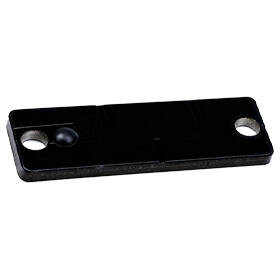
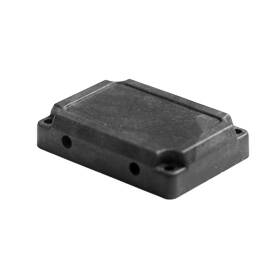
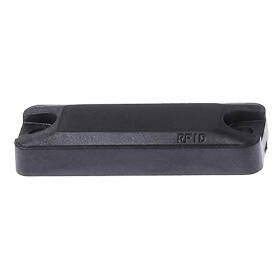
RFID Cable Tie Tags
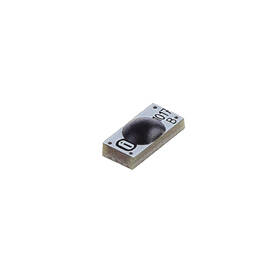
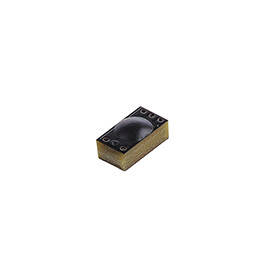
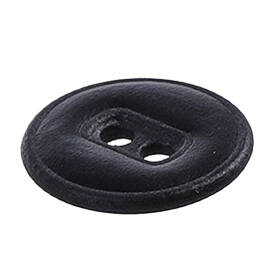
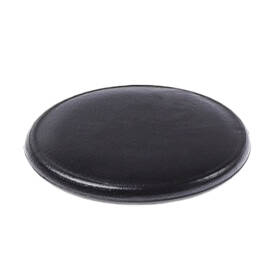
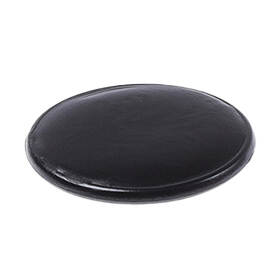
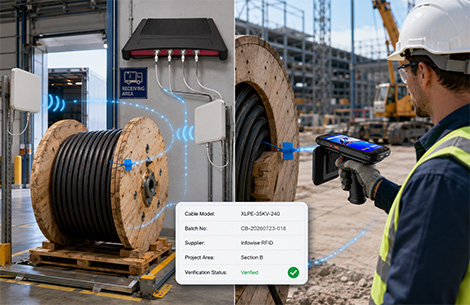
RFID cable tie tags provide the physical identity for cable reels, cable rolls, bundles, or packaging. Tag selection should consider the installation method, cable reel material, environmental exposure, required reading range, tag durability, and whether tamper-evident management is required.
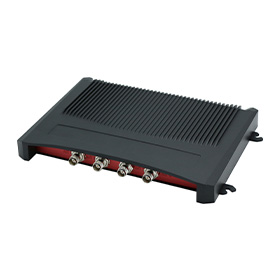
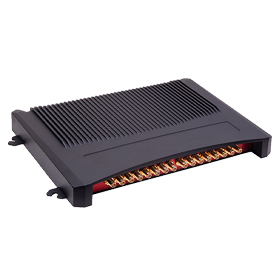
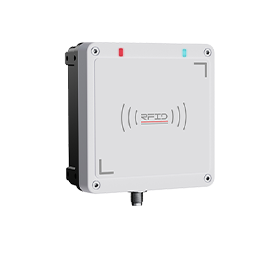
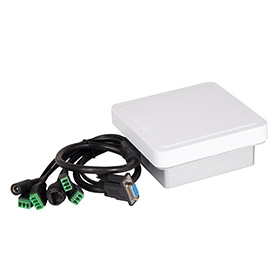
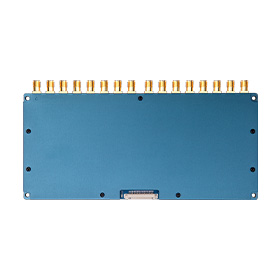
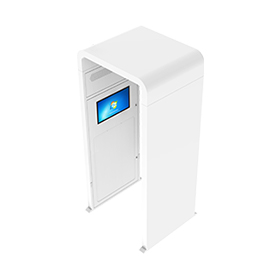
UHF RFID Fixed Reader
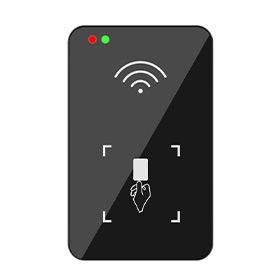
A UHF RFID reader can be installed at warehouse entrances, outbound gates, receiving areas, transfer points, or controlled construction access points. It supports automatic RFID data collection when tagged cable materials pass through a defined reading zone.
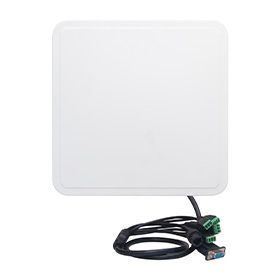
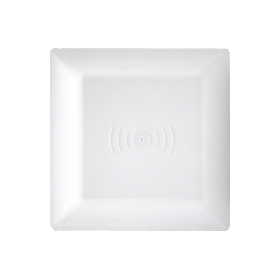
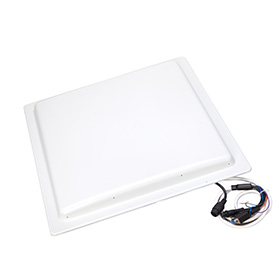
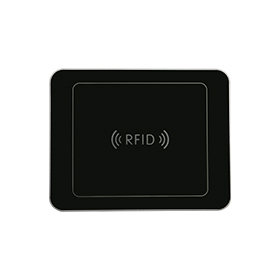
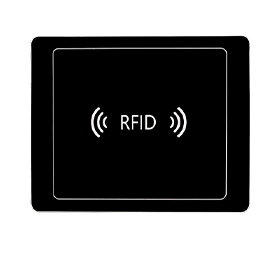
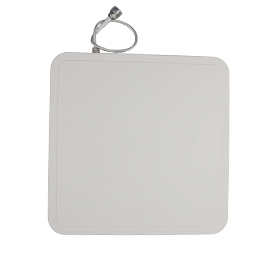
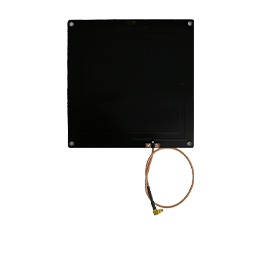
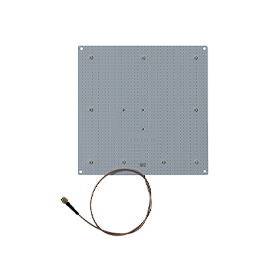
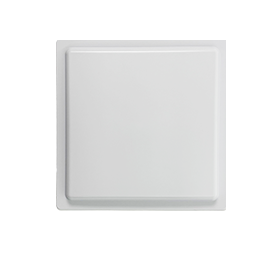
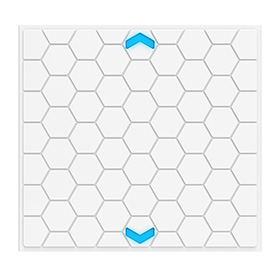
RFID Antennas
RFID antennas determine the coverage, direction, and boundaries of the reading area. Antenna quantity, gain, polarization, installation angle, and position should be selected according to the warehouse layout, cable reel size, transport method, and direction of material movement.
Android RFID Handheld
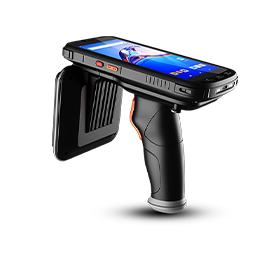
An Android RFID handheld is suitable for warehouse inventory, construction-site verification, material searching, exception handling, and maintenance inspection. Its mobile design allows personnel to collect RFID data in storage areas or construction zones without permanent fixed-reader infrastructure.
RFID Module
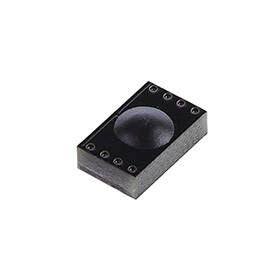
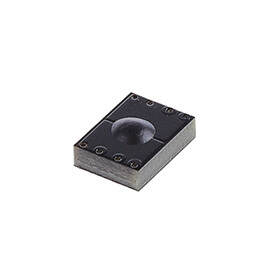
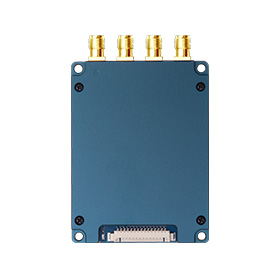
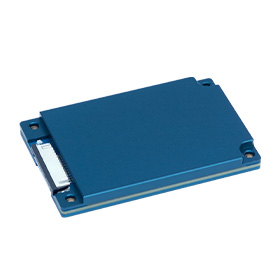
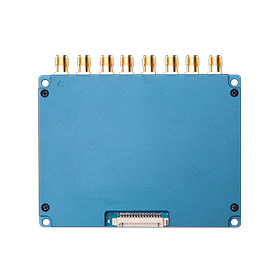
An RFID module can be integrated into customized cabinets, inspection terminals, production equipment, self-service stations, or engineering material management devices. It is suitable for equipment manufacturers and system integrators developing specialized RFID data collection hardware.
Infowise RFID provides UHF RFID readers, RFID antennas, RFID cable tie tags, Android RFID handheld devices, and RFID modules for industrial data collection. These hardware devices can support integration with third-party ERP, WMS, MES, warehouse, asset, or engineering management systems through available communication interfaces, APIs, and SDKs.
RFID Deployment Considerations for Cable Materials
RFID performance depends on the physical environment, reader configuration, antenna placement, and tag installation method. Engineering teams should conduct on-site testing before full deployment.
Cable reels may contain large quantities of copper, aluminum, steel, or other conductive materials. Metal can affect UHF RFID signal propagation, especially when a standard RFID tag is installed directly against a conductive surface.
To improve identification stability, project teams should consider the following practices:
- Select an RFID tag suitable for the actual installation surface.
- Avoid placing a standard RFID antenna directly against metal.
- Use a suitable tag structure when installation near metal cannot be avoided.
- Keep RFID tag orientation consistent where possible.
- Install reader antennas according to the direction of material movement.
- Adjust reader output power to create a controlled reading zone.
- Test different cable reel sizes, materials, and stacking conditions.
- Verify performance when cable reels are loaded on forklifts, pallets, or vehicles.
- Define procedures for unread, damaged, missing, or mismatched RFID tags.
The cable identification system should also retain human-readable information, such as the product model, reel number, barcode, or batch number, as a backup identification method.
Benefits for Engineering Material Management
RFID cable identification does not replace procurement inspection, laboratory testing, quality certification, or construction supervision. Instead, it strengthens the connection between approved documentation and physical cable materials.
A properly designed RFID workflow can support:
- Unique identification of cable reels, rolls, and bundles
- Faster inbound and outbound verification
- Batch identification during warehouse operations
- Reduced manual data entry
- Improved cable requisition control
- Better visibility across contractors and construction areas
- Faster investigation of specification mismatches
- Traceability from procurement to installation
- More structured cable lifecycle management
By recording every important material movement, engineering companies can establish a clearer evidence chain covering cable receipt, inspection, storage, issuance, construction, acceptance, and maintenance.
Conclusion
RFID anti-counterfeiting and traceability of wires and cables provides engineering projects with a practical method for connecting physical cable materials to verified digital records.
RFID cable tie tags give each cable reel, cable roll, or bundle a unique identity. Fixed UHF RFID readers can support automatic identification at warehouse entrances and transfer points, while Android RFID handheld devices can be used for mobile inventory, construction-site verification, material searching, and exception handling.
When RFID is integrated with warehousing, requisition, construction, acceptance, and maintenance processes, project teams gain greater visibility into where cable materials originated, how they moved, who received them, and where they were installed.
This approach supports more efficient RFID material tracking while strengthening controls against engineering material substitution, specification mismatches, unknown origins, and unauthorized replacement.
Frequently Asked Questions
How can RFID help prevent cable substitution?
RFID assigns each cable reel, roll, or bundle a unique tag ID linked to approved product, supplier, batch, purchase, and inspection records. The tag can be verified during warehousing, requisition, construction, and acceptance, making unauthorized material replacement easier to detect.
Where should RFID cable tie tags be installed?
RFID cable tie tags can be attached to cable reels, cable rolls, cable bundles, packaging, or another secure position that remains associated with the material. The installation position should be tested to minimize metal interference and support stable RFID reading.
Can RFID identify multiple cable reels at the same time?
Yes. UHF RFID technology can support batch identification of multiple tags within a controlled reading area. Actual performance depends on tag selection, reader settings, antenna placement, material density, tag orientation, metal interference, and site conditions.
Are fixed RFID readers or handheld readers better for cable tracking?
Fixed RFID readers are suitable for automatic identification at warehouse gates, receiving areas, and transfer points. Android RFID handheld readers are more suitable for mobile inventory, construction-site verification, material searching, and exception handling. Many engineering projects use both types of equipment.
Can RFID tags replace cable quality inspection?
No. RFID provides identification and traceability but does not independently verify conductor quality, insulation performance, fire resistance, mechanical properties, or compliance with technical standards. Quality documents, testing, and physical inspection should remain part of the project process.
Can RFID data be integrated with existing engineering systems?
RFID readers and handheld devices can transmit collected tag data to third-party warehouse, ERP, WMS, MES, asset management, or engineering management systems through supported communication interfaces, APIs, and SDKs.
 Prev
Prev