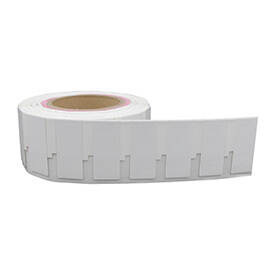
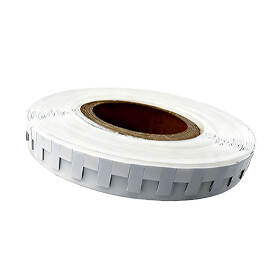
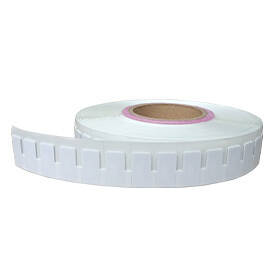
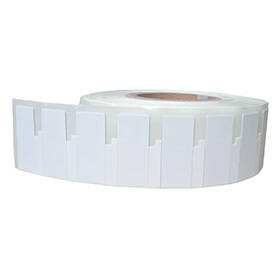
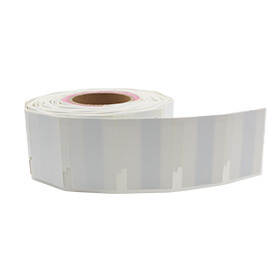
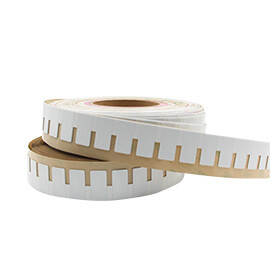
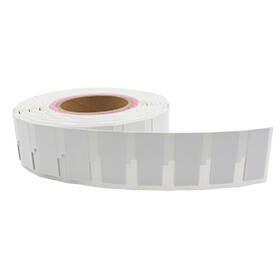
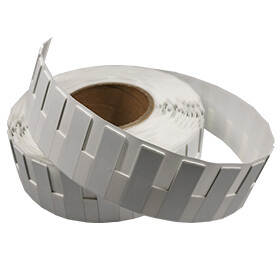
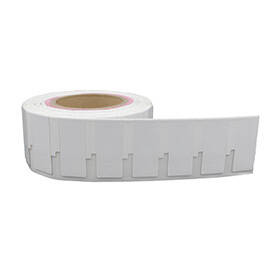
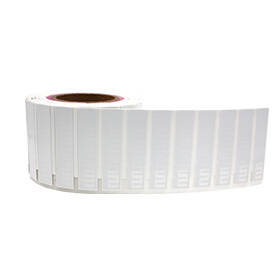
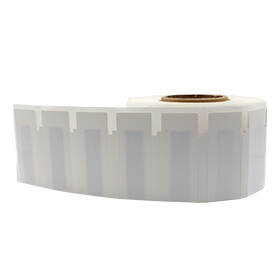
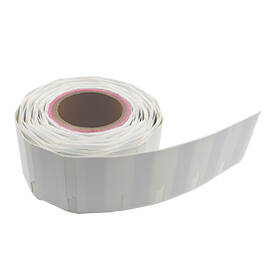
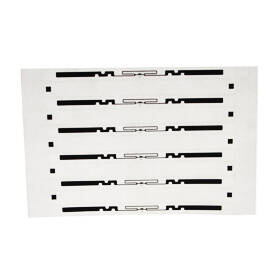
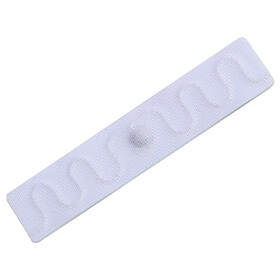
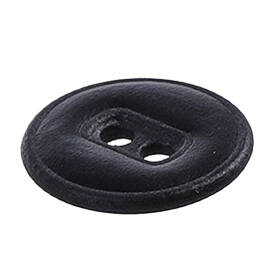
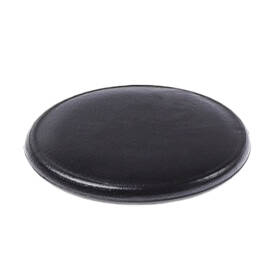
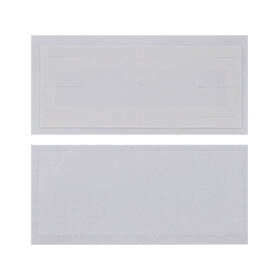
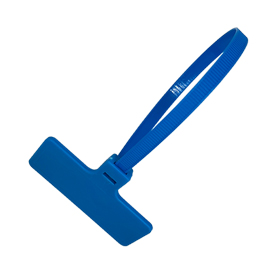
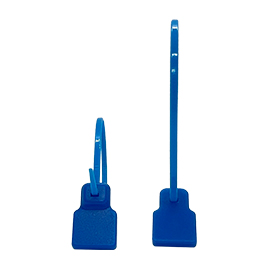
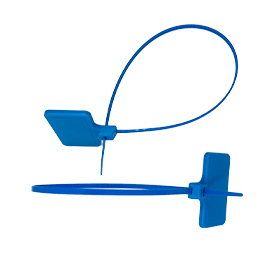


















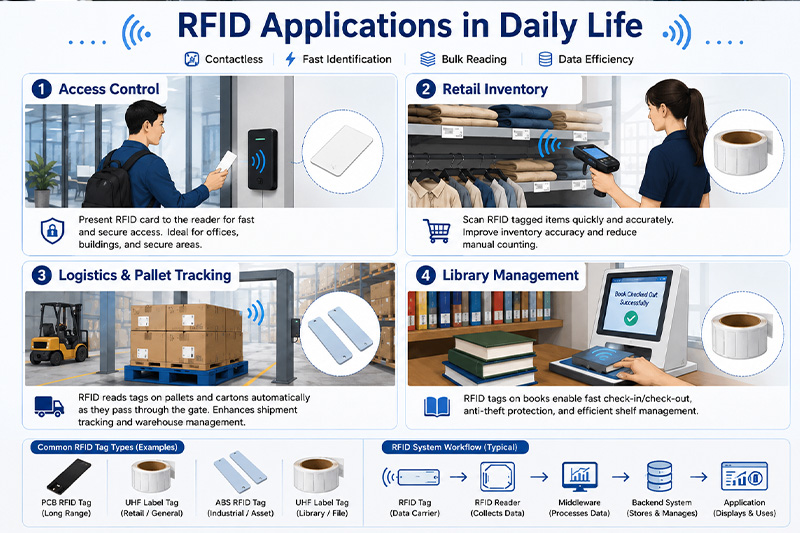
RFID is no longer only used in large factories or logistics centers. It has become part of many everyday systems, from office access cards and retail inventory to library books, public transport cards, laundry tracking, and warehouse operations. When people ask, “What are the applications of RFID in daily life?”, the answer often starts with familiar experiences: tapping a card to enter a building, scanning a product in a store, or tracking a package through a logistics network.
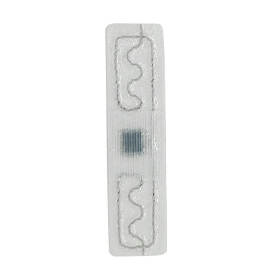
RFID, or Radio Frequency Identification, uses radio signals to identify objects, assets, or people through RFID tags and RFID readers. A typical RFID system includes an RFID tag, an RFID antenna, an RFID reader, and software or a backend system that receives the collected data. In industrial and commercial projects, UHF RFID is widely used because it can support non-contact identification, batch reading, and automated data collection in many business environments.
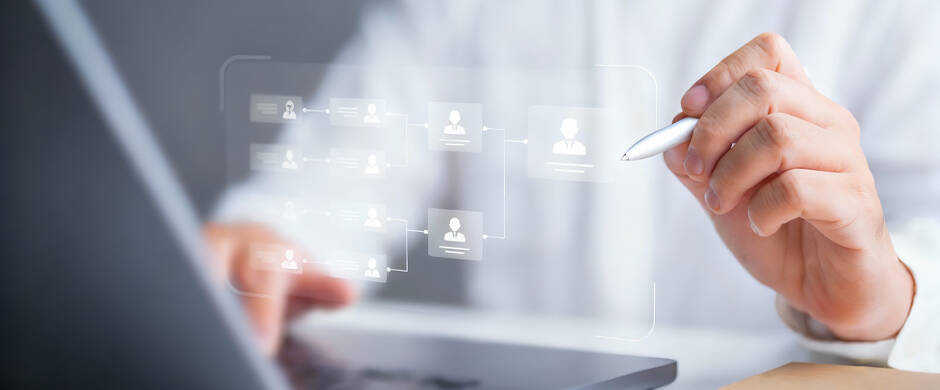
For companies, the value of RFID is not only convenience. RFID helps connect physical objects with digital systems. This makes it easier to manage assets, reduce manual scanning, improve stock accuracy, and support more efficient business workflows.
What Does RFID Mean in Daily Life?
In daily life, RFID is often hidden behind simple actions. A person may tap a card, pass through a gate, borrow a book, receive a parcel, or buy an item in a retail store without noticing that RFID is part of the process. The RFID tag stores identification data, while the RFID reader captures that data and sends it to a system for verification, recording, or further processing.
Different RFID technologies may be used depending on the application. HF or NFC is often used for close-range card and mobile interactions. UHF RFID is commonly used for asset tracking, warehouse inventory, retail item management, logistics, industrial production, and other scenarios that require longer reading distance or batch identification.
Common Applications of RFID in Daily Life
1. Access Control and Smart Cards
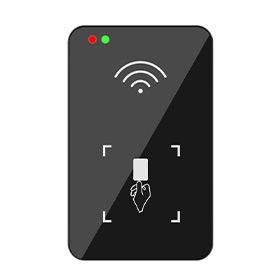
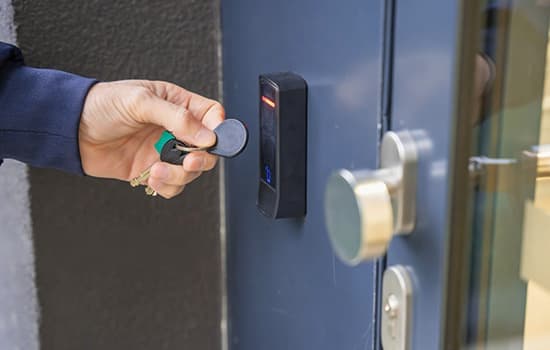
One of the most familiar applications of RFID in daily life is access control. Office buildings, apartments, schools, hotels, and restricted areas often use RFID cards or key fobs to manage entry. When a user places the card near the reader, the system checks the card ID and decides whether to unlock the door.
For business clients, RFID access control can help improve security and simplify personnel management. It can also be integrated with attendance systems, visitor systems, and internal management platforms.
2. Retail Inventory and Product Management
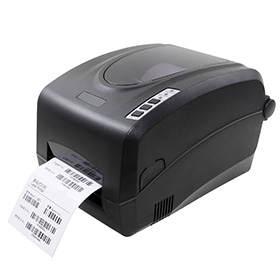
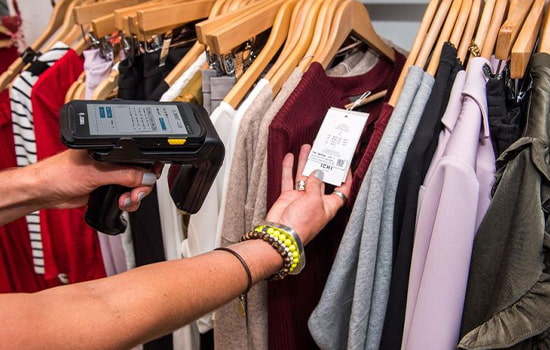
Retail is one of the most important RFID application areas. RFID tags can be attached to clothing, shoes, electronics, cosmetics, accessories, or packaged goods. Compared with manual barcode scanning, RFID can help retailers identify multiple items more efficiently without scanning each label one by one.
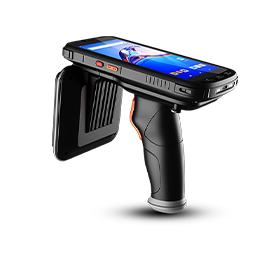
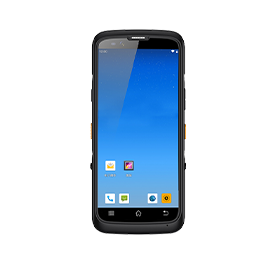
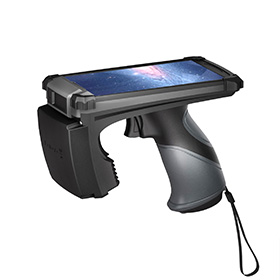
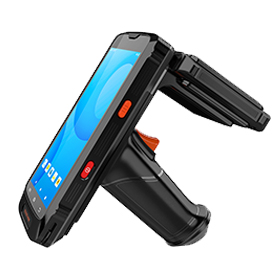
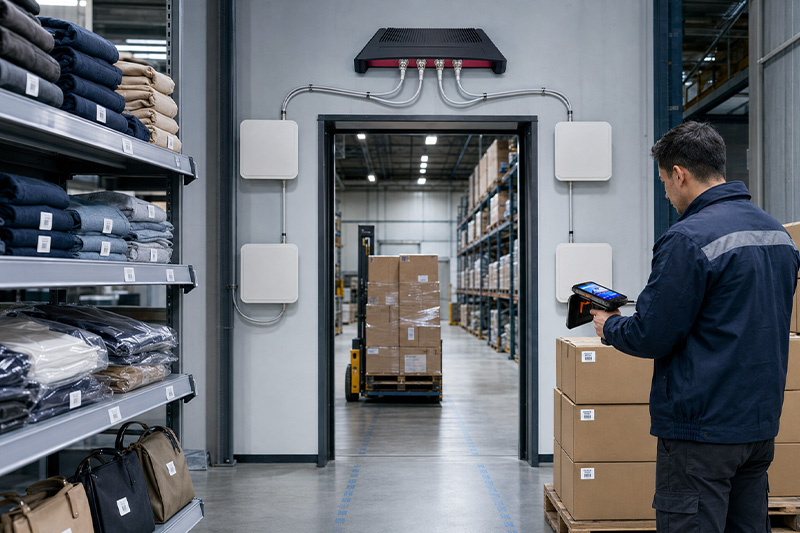
In retail stores and warehouses, RFID can support inventory counting, shelf management, product search, anti-loss workflows, and faster stock movement records. For example, an Android RFID handheld can be used by store staff to check stock on shelves, while a fixed UHF RFID reader can be installed at a doorway or transfer point to record goods movement.
3. Logistics and Package Tracking
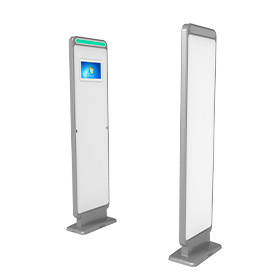
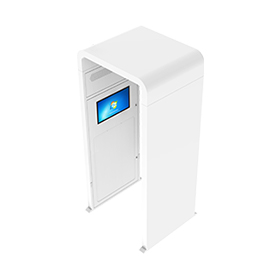
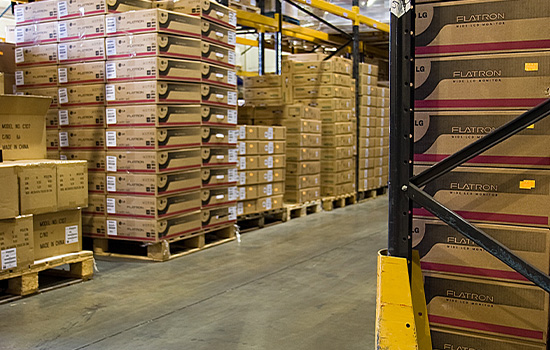
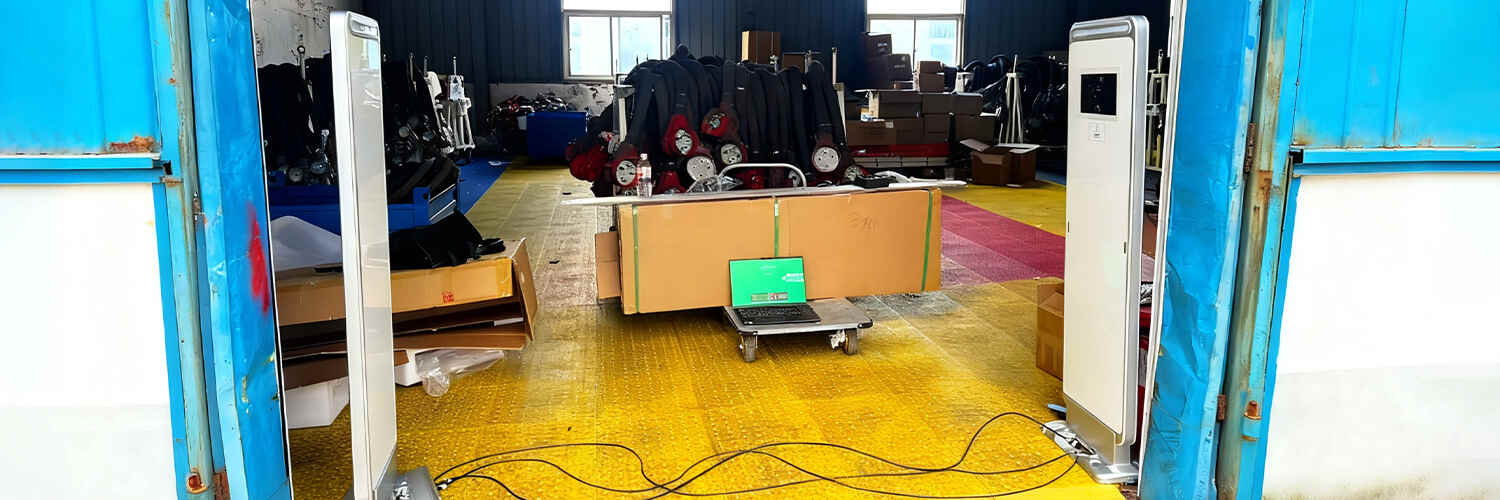
RFID is also widely used in logistics, express delivery, and warehouse management. RFID tags can be attached to pallets, cartons, returnable containers, transport cages, or high-value goods. When goods pass through a warehouse gate, RFID antennas connected to a fixed reader can automatically capture tag data and send it to a WMS, ERP, or other third-party system.
This application is especially useful when companies need to track inbound and outbound goods, reduce missing shipments, improve loading accuracy, or monitor asset circulation. In many logistics projects, RFID is used together with barcodes, sensors, and backend systems to improve supply chain visibility.
4. Public Transportation and Ticketing
Many transportation cards, electronic tickets, and membership passes use RFID or related contactless technology. Passengers can tap a card or ticket at a gate instead of inserting a paper ticket. This improves user experience and reduces manual ticket checking.
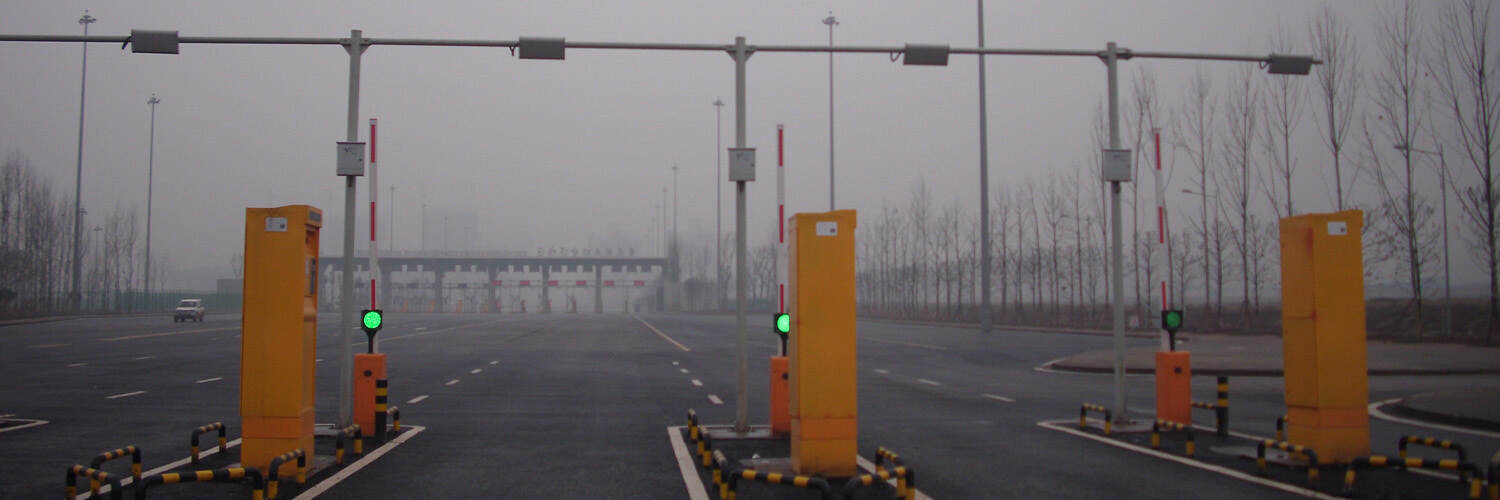
RFID ticketing is also used in parking systems, events, exhibitions, amusement parks, and campus environments. Depending on the project, the system may use cards, wristbands, labels, or other RFID tag formats.
5. Library and Document Management
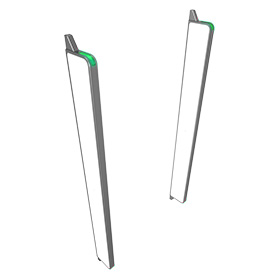
Libraries use RFID tags to manage books, archives, and documents. RFID can support self-checkout, book return systems, shelf inventory, and anti-theft gates. Compared with traditional manual checking, RFID makes it easier to identify multiple books and locate misplaced items.
This same idea can be extended to office document management, file rooms, government archives, and enterprise asset rooms. When documents or files are tagged, staff can use RFID handheld devices or fixed reading points to improve search and tracking efficiency.
6. Healthcare and Laundry Management
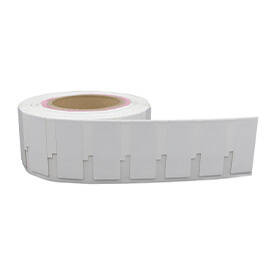
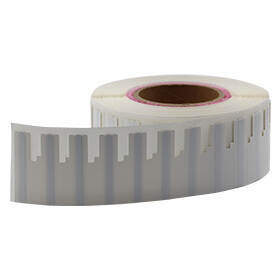
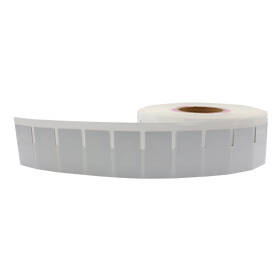
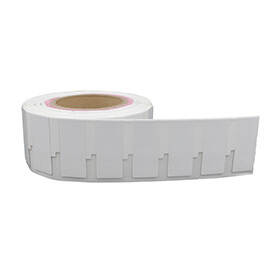
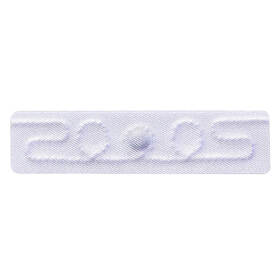
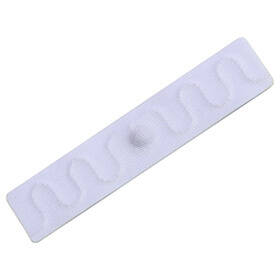
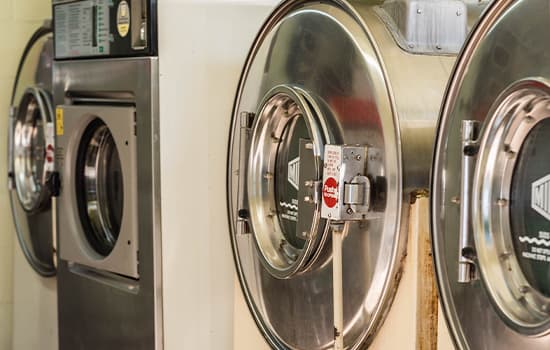
In hospitals, hotels, and laundry service companies, RFID can be used to track textiles, uniforms, linens, surgical clothing, and other washable items. RFID laundry tags are designed for textile management scenarios where items need to be repeatedly washed, sorted, delivered, and returned.
RFID can help record item circulation, reduce manual counting, and support loss control. In healthcare environments, RFID may also be used for asset tracking, medical equipment management, and internal logistics. Project requirements should be evaluated carefully because different environments may involve cleaning processes, temperature, pressure, and material compatibility.
7. Manufacturing and Industrial Asset Tracking
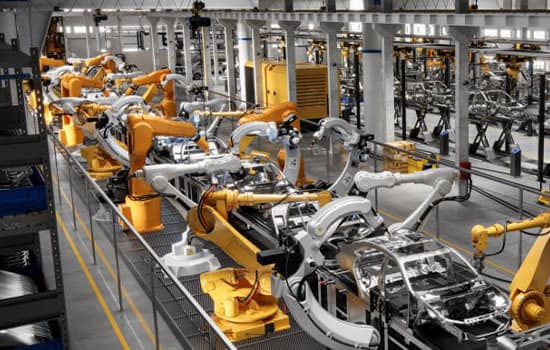
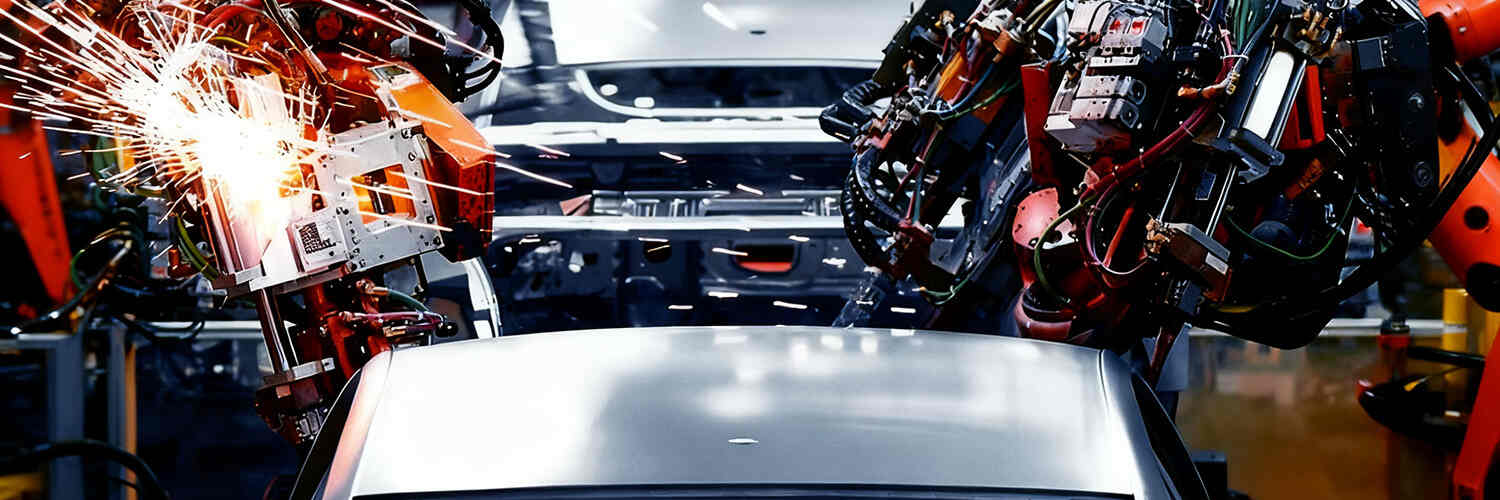
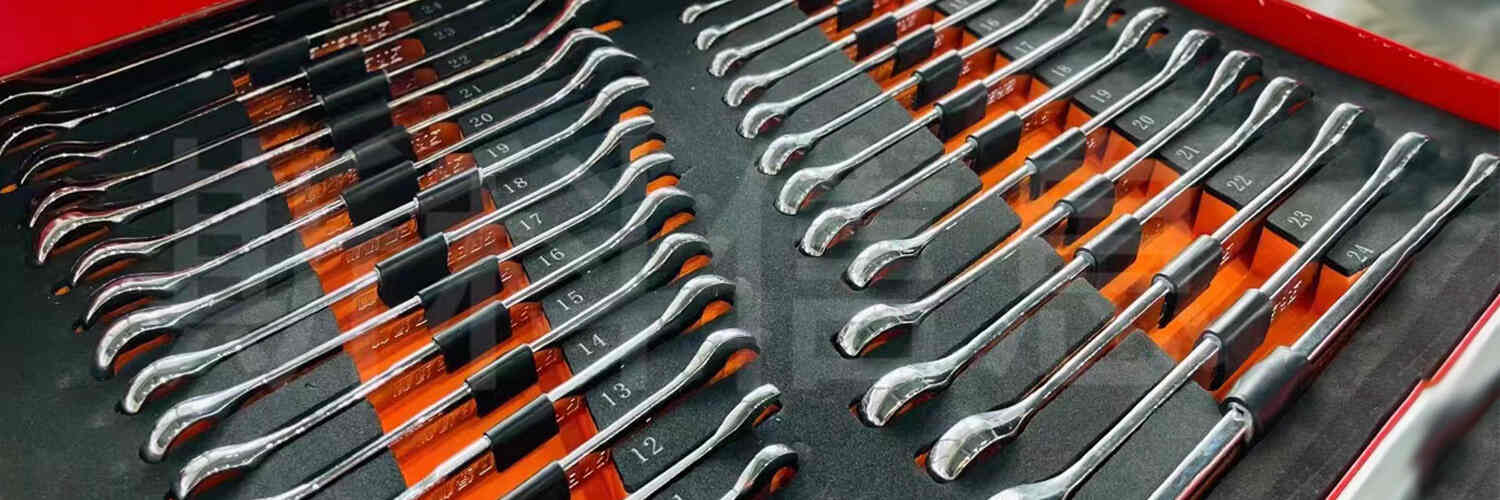
RFID is widely used in manufacturing, production lines, tool management, and industrial asset tracking. RFID tags can be attached to work-in-process materials, metal tools, molds, containers, equipment, and spare parts. Fixed RFID readers can be installed at production stations, while Android RFID handhelds can be used for mobile inspection and inventory checking.
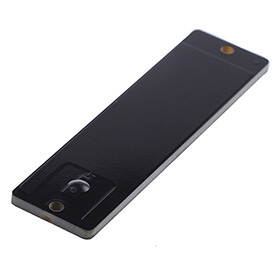
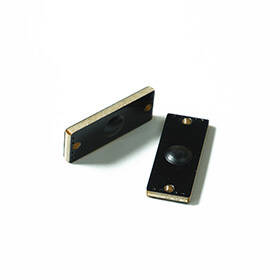
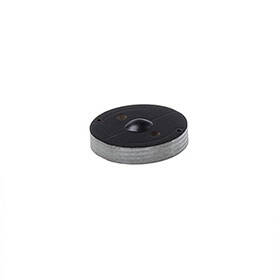
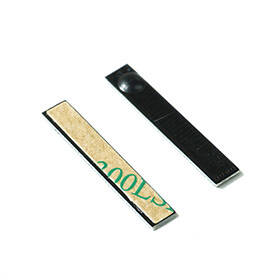
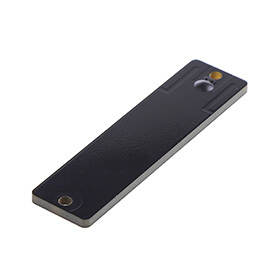
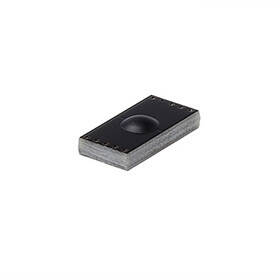
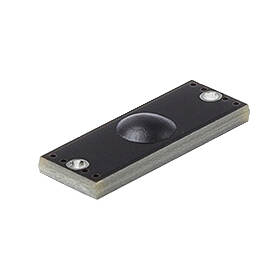
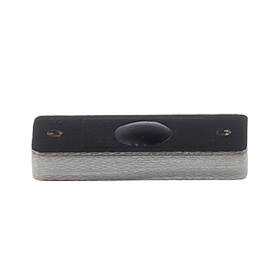
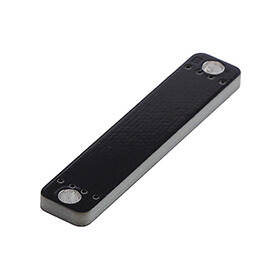
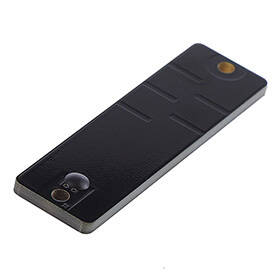
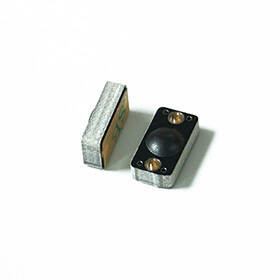
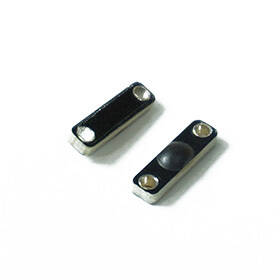
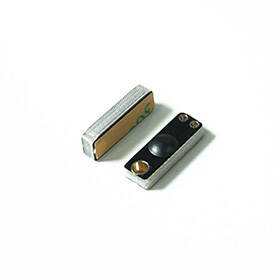
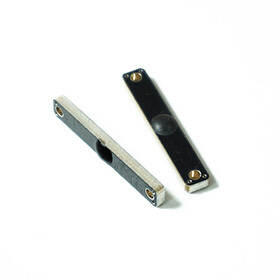
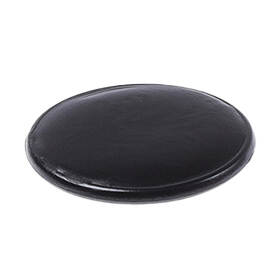
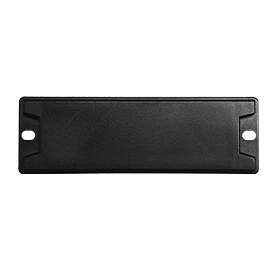
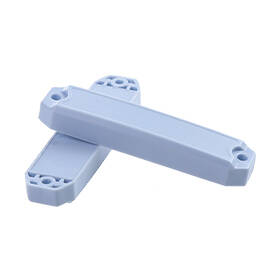
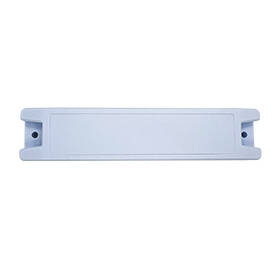
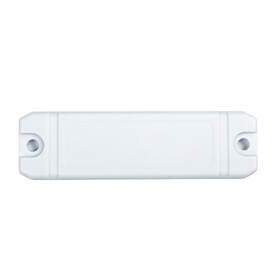
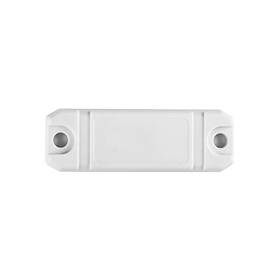
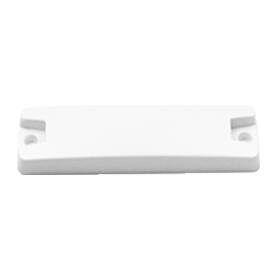
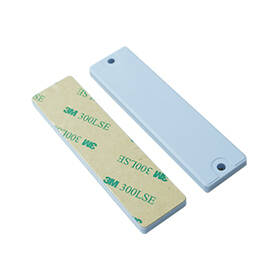
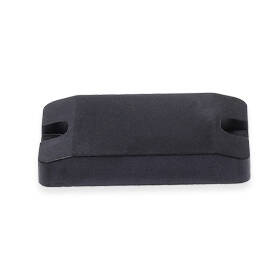
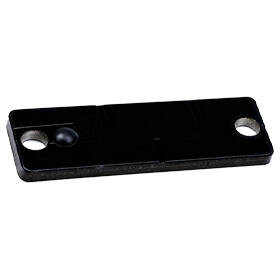
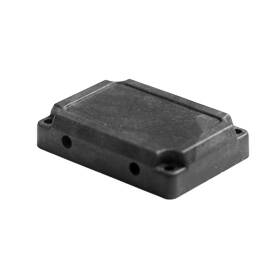
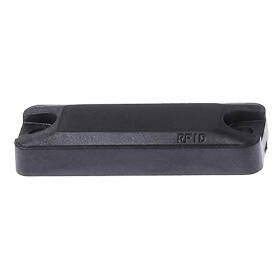
For industrial applications, hardware selection is important. Metal surfaces, liquid products, reading angles, installation space, and surrounding interference may affect RFID performance. Anti-metal RFID tags, circularly polarized RFID antennas, industrial fixed readers, and proper on-site testing are often required for stable deployment.
8. Events, Gyms, and Membership Systems
RFID wristbands, cards, and tags are common in events, gyms, clubs, exhibitions, and entertainment venues. They can be used for identity verification, ticket checking, locker access, cashless payment, or member management. RFID helps reduce queues and improves the speed of check-in and service workflows.
For business users, RFID can also provide operational data, such as entry records, item usage, equipment borrowing, and attendance. The final system design depends on the required reading distance, number of users, tag type, and integration method.
How Businesses Choose RFID Hardware
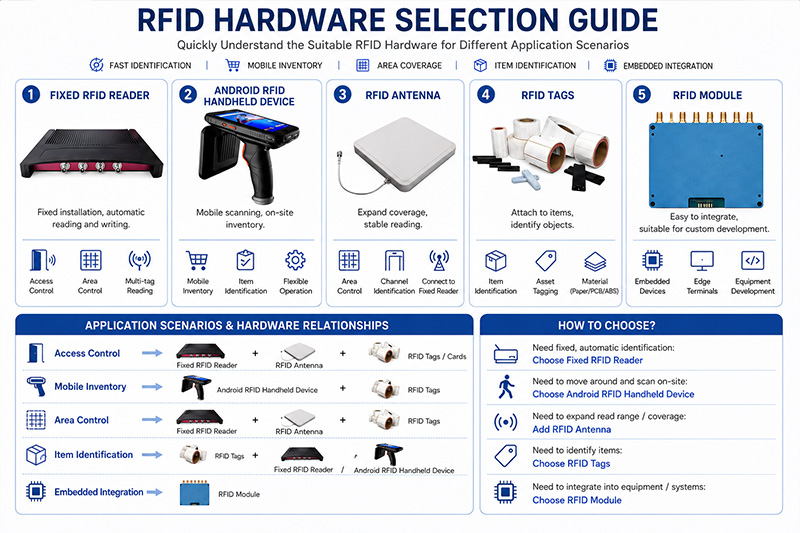
Although RFID is used in many daily life scenarios, each project has different technical requirements. A retail clothing store, a warehouse gate, a library, and a laundry plant may all use RFID, but their hardware choices are not the same.
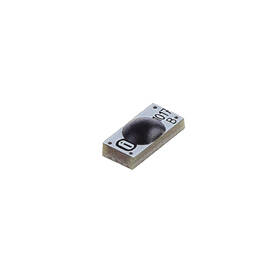
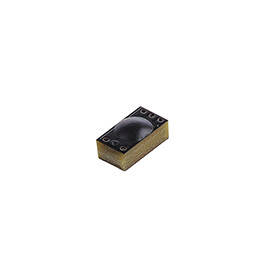
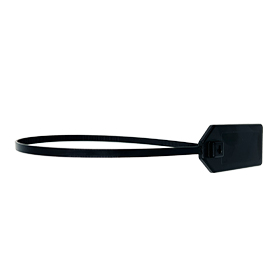
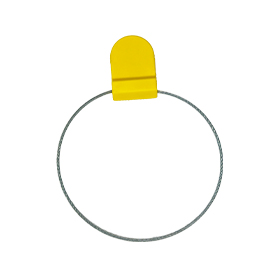
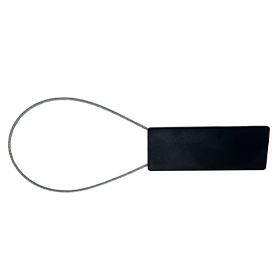
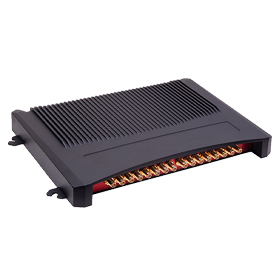
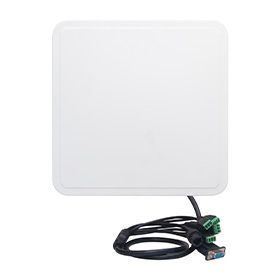
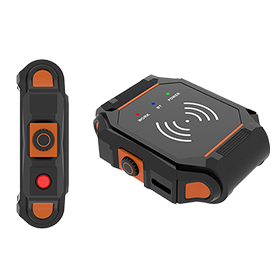
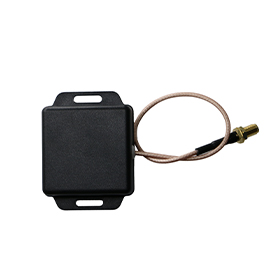
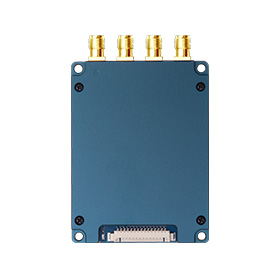
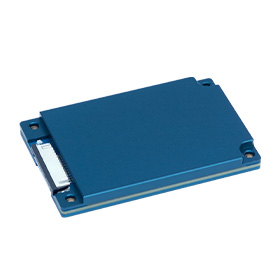
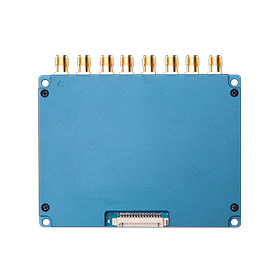
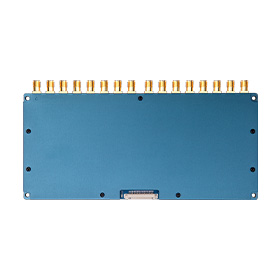
When selecting RFID hardware, businesses should consider the tag material, installation surface, reading distance, reading speed, antenna placement, communication interface, and system integration requirements. For UHF RFID projects, common hardware may include UHF RFID readers, RFID antennas, RFID tags, Android RFID handheld devices, and RFID modules.
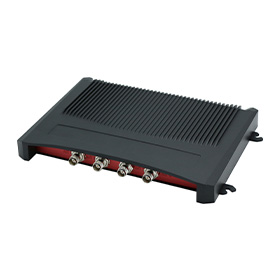
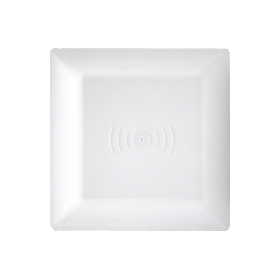
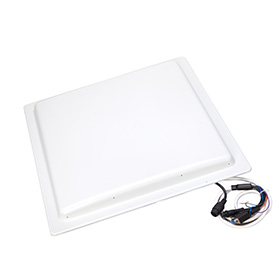
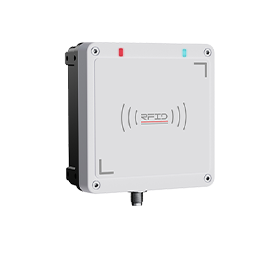
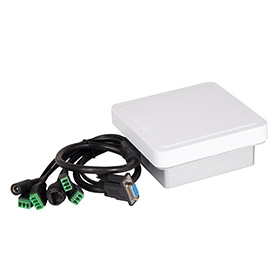
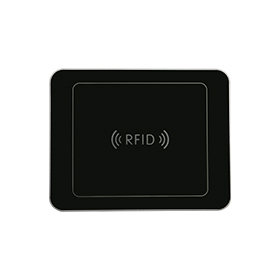
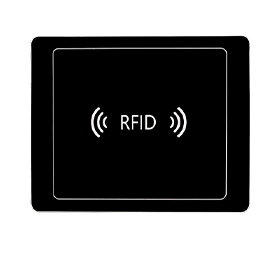
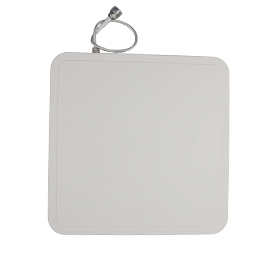
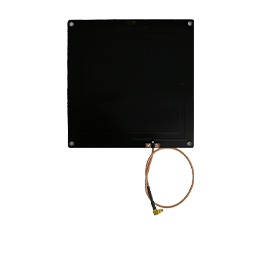
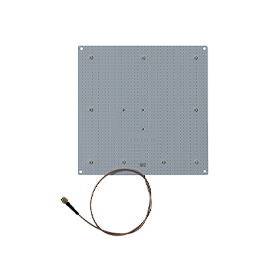
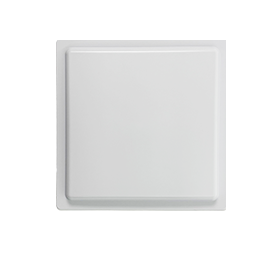
For example, fixed RFID readers are suitable for automated reading points such as warehouse gates, conveyor lines, entrances, and production stations. Android RFID handheld devices are suitable for mobile stocktaking, asset inspection, and exception handling. RFID antennas define the reading zone, while RFID tags must match the material and environment of the tracked item.
How Infowise RFID Supports RFID Applications
Infowise RFID provides RFID hardware products for industrial and commercial data collection projects, including UHF RFID Reader, RFID Antenna, RFID Tag, Android RFID Handheld, and RFID Module. These products can be used in applications such as warehouse management, retail inventory, asset tracking, logistics, tool management, laundry tracking, and industrial production.
For business clients, RFID is not only a tag or a reader. It is a hardware-based data collection layer that helps physical objects become identifiable in digital systems. Infowise RFID supports RFID hardware selection according to application scenario, item material, installation environment, and integration requirements.
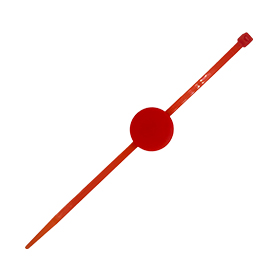
In many projects, the best result comes from combining different RFID devices. A fixed reader can automatically identify goods at a gate, while an Android RFID handheld can be used for mobile checking. RFID antennas can be arranged to build a controlled reading zone, and suitable RFID tags can be selected for cardboard, plastic, textile, or metal surfaces.
Conclusion
The applications of RFID in daily life are much broader than many people realize. RFID is used in access control, retail, logistics, transportation, libraries, healthcare, laundry, manufacturing, events, and asset management. For users, RFID often means faster and more convenient identification. For businesses, RFID means better visibility, more efficient data collection, and improved management of physical assets.
As RFID continues to connect daily objects with digital systems, more companies are exploring how RFID hardware can support their own workflows. The right RFID reader, antenna, tag, handheld device, or module should always be selected according to the real application environment, not only by product type.
 Prev
Prev