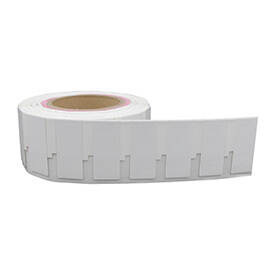
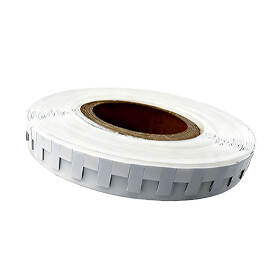
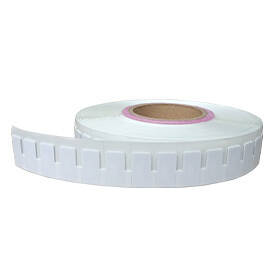
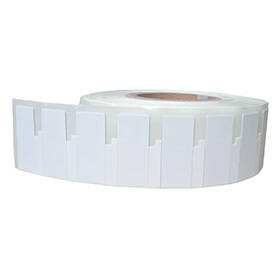
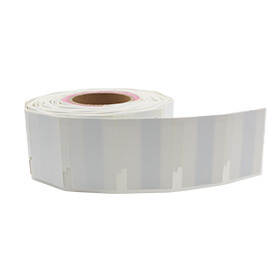
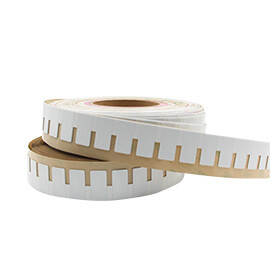
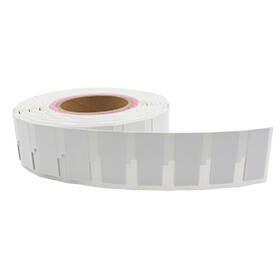
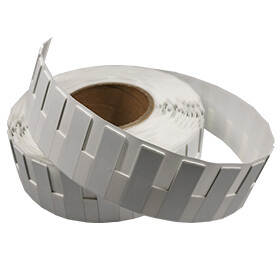
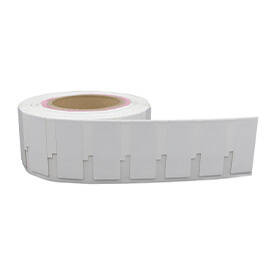
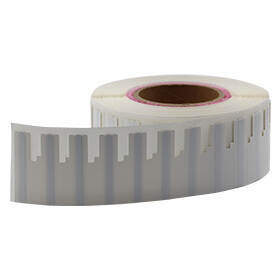
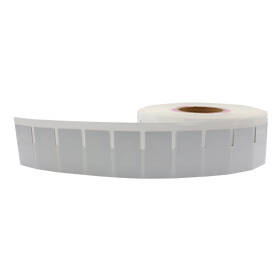
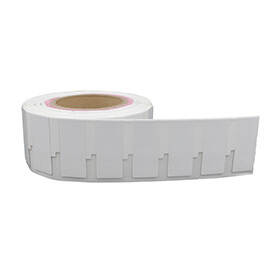
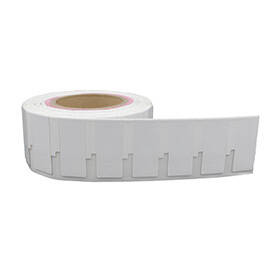
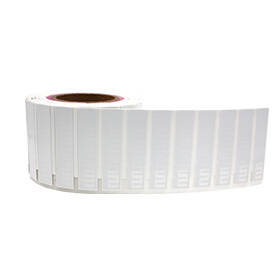
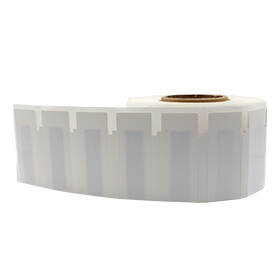
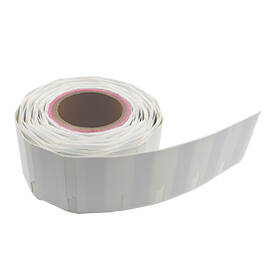
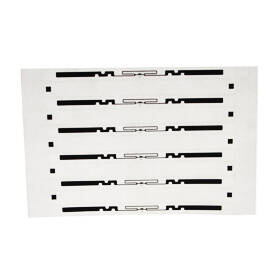
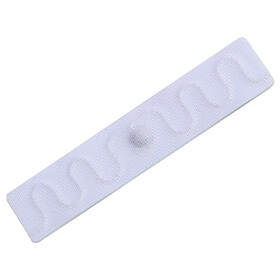
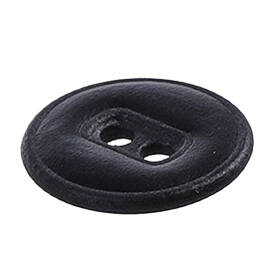
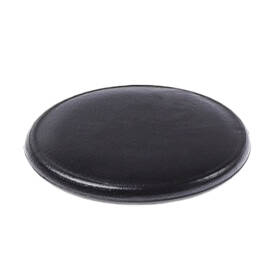













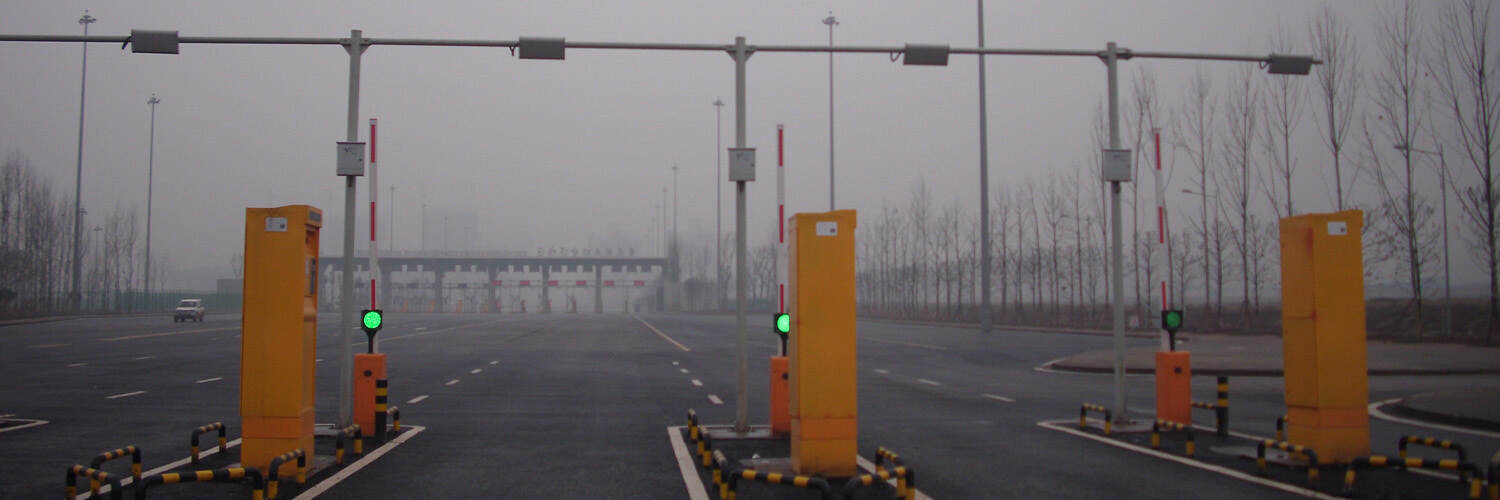












Passive UHF RFID technology is widely used in warehouse management, logistics, industrial automation, asset tracking, and vehicle identification because it enables long-range, non-contact identification without requiring batteries inside the tags.
However, one of the most common questions customers ask before deploying an RFID system is:
“How far can passive UHF RFID actually be read?”
The answer is more complicated than many suppliers suggest.
In real industrial environments, passive RFID read distance is influenced by multiple factors including reader power, antenna gain, tag sensitivity, installation angle, surrounding materials, and environmental interference.
In this article, we’ll explain the real-world passive UHF RFID range, what affects RFID performance, and how to achieve stable long-distance RFID reading in industrial applications.
What Is Passive UHF RFID?
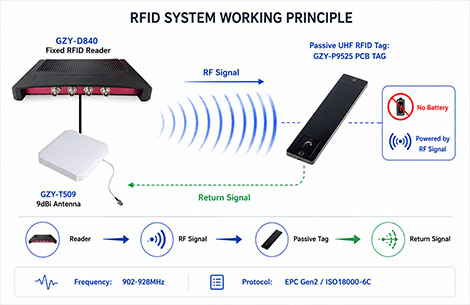
Passive UHF RFID refers to RFID systems operating in the Ultra High Frequency range, typically:
- 865–868 MHz (Europe)
- 902–928 MHz (North America)
Unlike active RFID tags, passive RFID tags do not contain batteries. Instead, they harvest energy from the electromagnetic signal transmitted by the RFID reader.
Because passive tags are battery-free, they are:
- Lower cost
- Smaller in size
- Maintenance-free
- Suitable for large-scale deployments
Passive UHF RFID is commonly used in:
- Warehouse inventory tracking
- Fixed asset management
- Logistics tracking
- Production line automation
- Vehicle access control
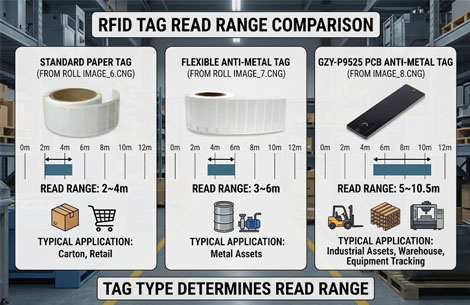
Typical Passive UHF RFID Reading Distance
Under normal conditions, passive UHF RFID reading distance typically ranges between:
RFID Setup |
Typical Range |
|
Small labels |
1–3 meters |
|
Standard UHF labels |
3–6 meters |
|
Large PCB anti-metal tags |
5–10 meters |
| Optimized industrial systems |
10–25 meters |
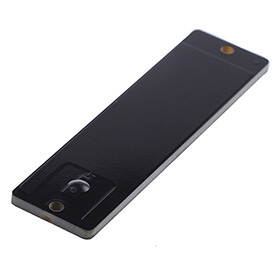
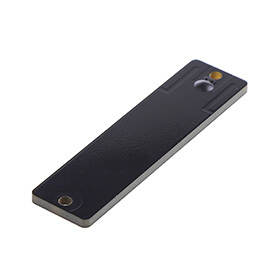
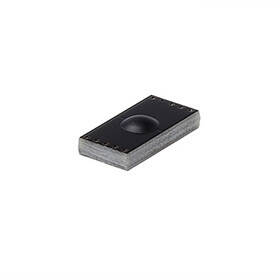
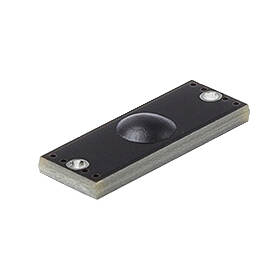
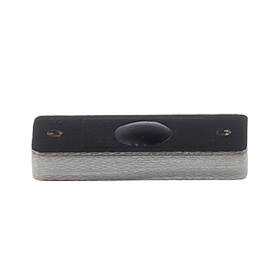
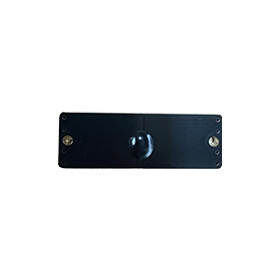
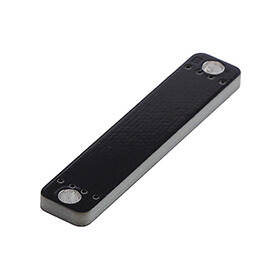
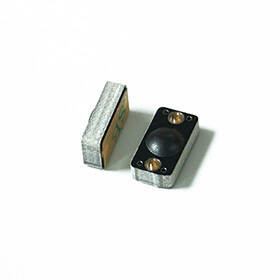
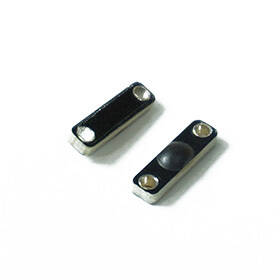
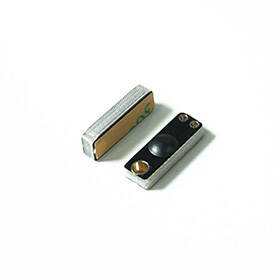
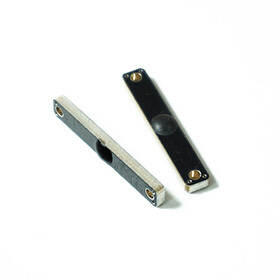
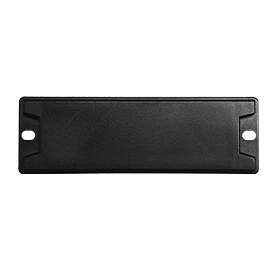
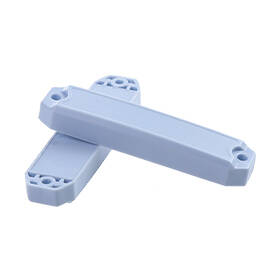
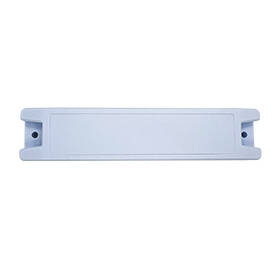
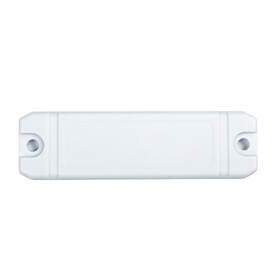
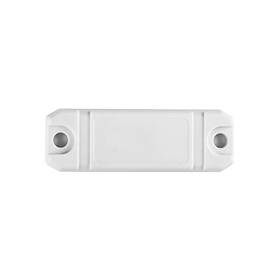
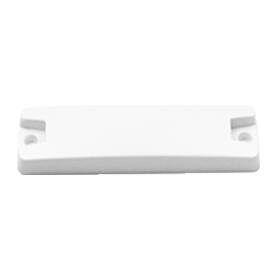
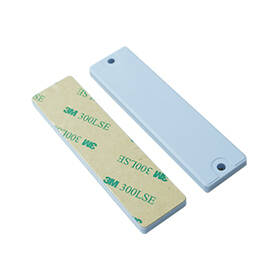
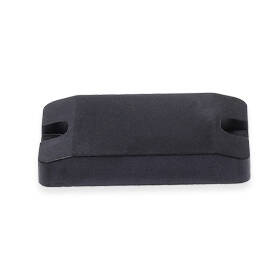
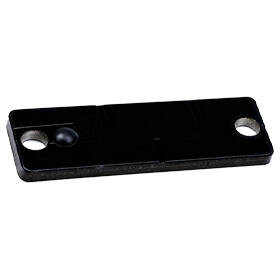
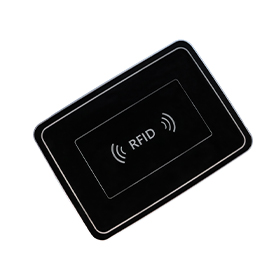
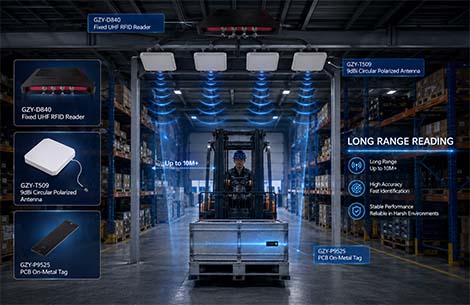
For example, the Infowise RFID GZY-P9522 PCB anti-metal tag can achieve up to 10.5 meters depending on the reader and antenna configuration.
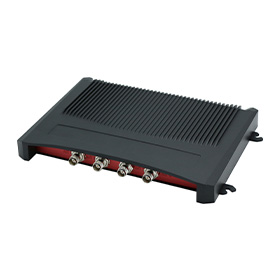
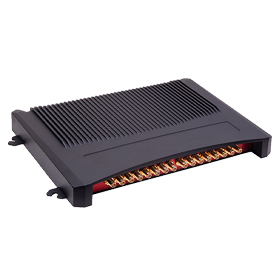
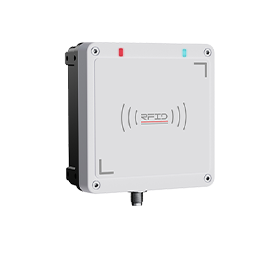
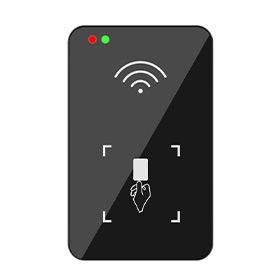
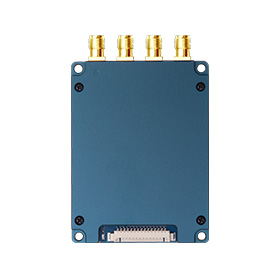
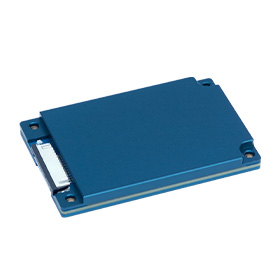
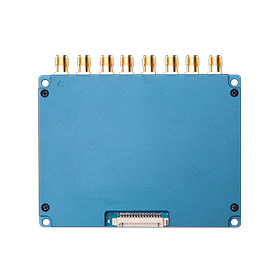
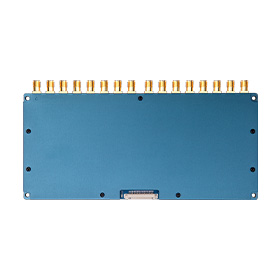
Meanwhile, the GZY-D840 fixed RFID reader supports up to 30 dBm output power and can work with high-gain antennas for long-range industrial RFID deployments.
However, laboratory test distances and real-world distances are often very different.
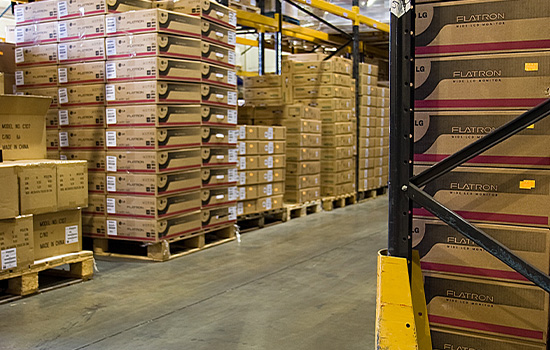
In many warehouse projects, customers initially expect 10-meter reading distances but only achieve 4–6 meters after deployment because environmental conditions dramatically affect RF signal propagation.
What Factors Affect Passive RFID Range?
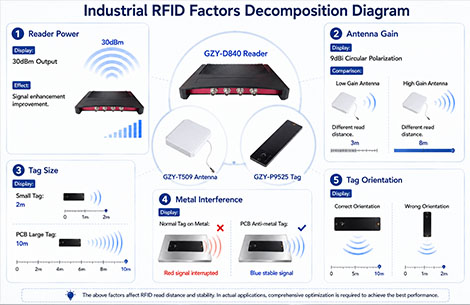
Several important factors determine how far passive RFID can be read.
Reader Output Power
Higher RF output power generally increases read distance.
Industrial readers such as the GZY-D840 support adjustable output power from 0–30 dBm, allowing flexible tuning for different environments.
However, increasing power alone does not guarantee stable performance.
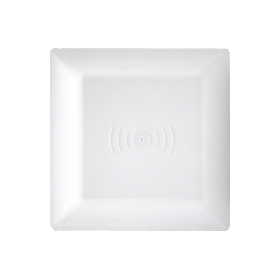
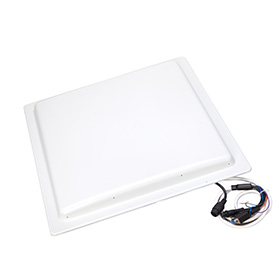
Antenna Gain and Polarization
Antenna design has a major impact on RFID range.
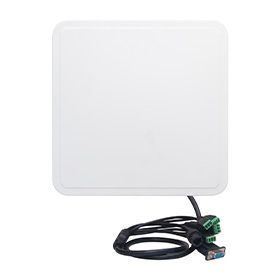
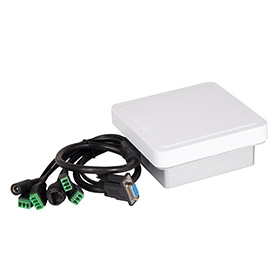
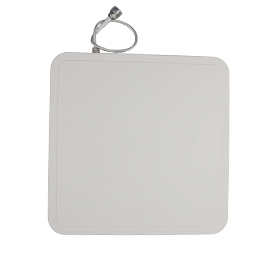
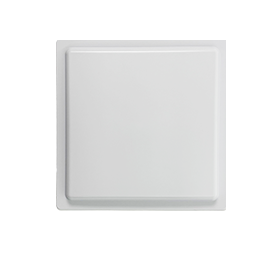
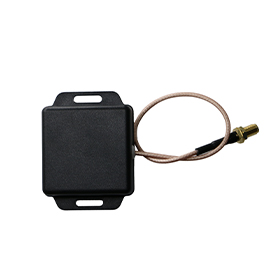
For example, the GZY-T509 UHF RFID antenna features:
- 9 dBi gain
- Circular polarization
- IP67 protection
Higher antenna gain helps concentrate RF energy, increasing read distance.
Circular polarization also helps reduce signal loss caused by tag orientation changes, which is especially important in warehouse and logistics applications.
RFID Tag Size and Chip Sensitivity
Larger tags usually achieve longer reading distances because they have larger antenna areas.
Chip sensitivity is also critical.
Modern RFID chips such as:
- IMPINJ E710
- NXP UCODE 8
- NXP UCODE 9
typically provide better reading performance than older chip generations.
Environmental Interference
Metal and liquid materials are among the biggest challenges for passive RFID systems.
In real industrial environments, customers often discover that:
- Metal shelves
- Liquid containers
- Dense pallets
- Machinery
can significantly reduce RFID range.
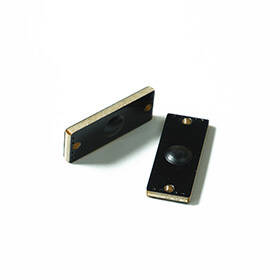
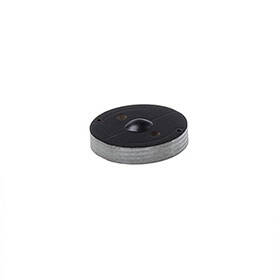
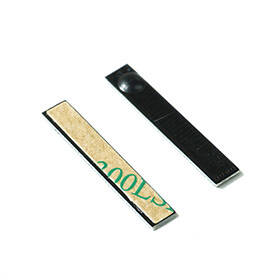
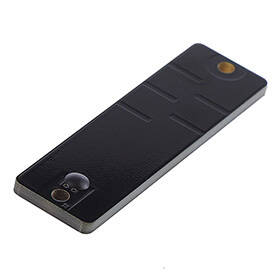
This is why anti-metal PCB tags are commonly used in industrial asset tracking.
How Reader Power and Antenna Gain Affect RFID Distance
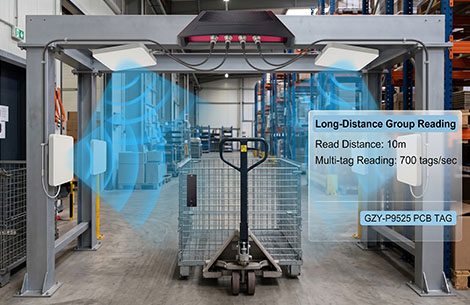
Many customers incorrectly assume that long-range RFID only depends on the reader.
In reality, the reader, antenna, and tag must work together as a complete RF system.
For example:
|
Component |
Impact on Range |
|
Reader power |
Signal strength |
|
Antenna gain |
Signal concentration |
|
Tag sensitivity |
Energy harvesting efficiency |
|
Tag size |
Antenna performance |
A common industrial long-range setup includes:
- Fixed RFID reader
- 9 dBi circular polarized antenna
- Large anti-metal RFID tag
This configuration is widely used in:
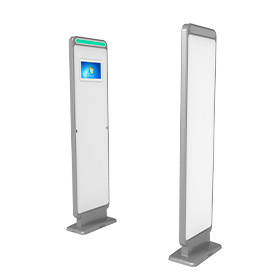
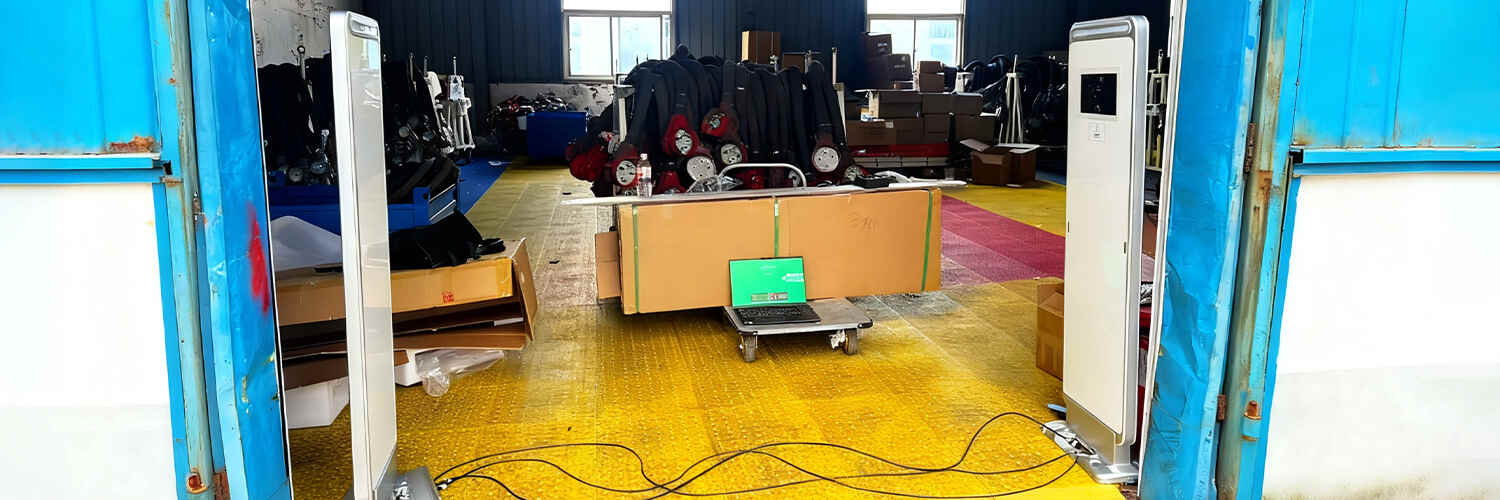
- Warehouse portals
- Vehicle identification
- Asset tracking
- Smart logistics systems
Real Industrial RFID Reading Distance
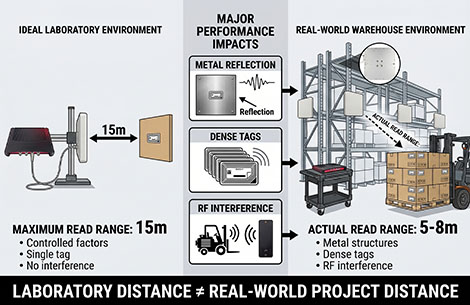
In real industrial deployments, stable reading is more important than theoretical maximum range.
For example:
Warehouse Tracking
Typical stable reading distance:
- 4–8 meters
depending on pallet density and tag orientation.
Vehicle Identification
Long-range windshield RFID systems may achieve:
- 10–15 meters
under optimized outdoor conditions.
Metal Asset Tracking
PCB anti-metal tags usually achieve:
- 3–10 meters
depending on mounting surface and antenna placement.
Why RFID Read Range Is Shorter in Real Projects
This is one of the biggest frustrations for new RFID users.
Common reasons include:
- Incorrect antenna angle
- Low-quality RFID tags
- Metal reflections
- Reader power limitations
- Poor cable quality
- Dense tag collisions
- Wrong polarization selection
In many projects, customers focus heavily on reader specifications while ignoring antenna deployment design.
In reality, antenna placement often determines whether the project succeeds or fails.
How to Improve Passive UHF RFID Reading Distance
Several optimization methods can significantly improve RFID performance.
Use High-gain Antennas
9 dBi antennas are commonly used for long-range RFID applications.
Select Larger RFID Tags
Larger tags usually provide stronger signal performance.
Optimize Antenna Placement
Proper antenna angle and height are critical.
Warehouse projects often require multiple antennas to eliminate dead zones.
Use Industrial-grade Readers
Readers based on IMPINJ E710 or R2000 chips generally provide better sensitivity and tag handling performance.
Reduce RF Interference
Avoid placing antennas too close to metal surfaces or electrical equipment whenever possible.
Recommended Long-range RFID Hardware Setup
For industrial long-range RFID deployments, a common hardware combination includes:
RFID Reader
GZY-D840 fixed UHF RFID reader
Features:
- Up to 30 dBm output power
- 4-port antenna support
- IMPINJ E710 / R2000 platform
- TCP/IP, RS232, RS485 communication
- SDK and API support
Suitable for:
- Warehouse automation
- Asset tracking
- Logistics management
RFID Antenna
GZY-T509 9 dBi circular polarized antenna
Suitable for:
- Long-range RFID reading
- Outdoor environments
- Industrial deployments
RFID Tag
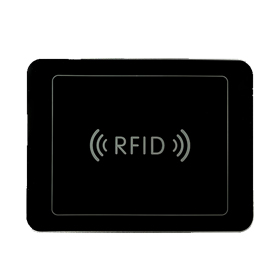
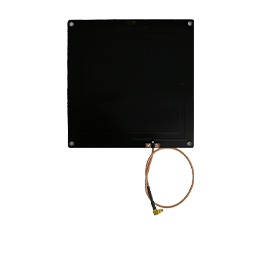
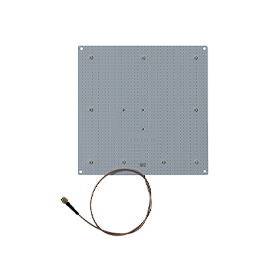
GZY-P9522 anti-metal PCB RFID tag
Features:
- IP68 protection
- Long read range
- Industrial-grade durability
- Suitable for metal assets
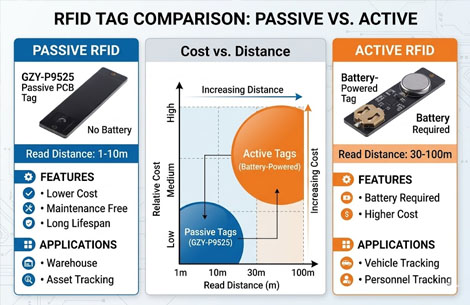
Passive RFID vs Active RFID Read Range
|
Type |
Typical Range |
|
Passive RFID |
1–25 meters |
|
Active RFID |
30–100+ meters |
Active RFID supports longer distances because tags contain internal batteries.
However, passive RFID remains more popular for industrial applications because it is:
- Lower cost
- Maintenance-free
- Easier to deploy at scale
Choosing the Right RFID System for Long-distance Reading
There is no universal “maximum RFID distance.”
Real RFID performance depends on:
- Reader quality
- Antenna gain
- Tag sensitivity
- Environmental conditions
- Deployment design
For most industrial projects, stable and reliable reading is far more important than chasing theoretical maximum range.
Infowise RFID mainly provides industrial RFID hardware devices and hardware-layer data collection solutions, which can integrate with third-party WMS, ERP, MES, and software platforms through APIs and SDKs.
FAQ
How far can passive UHF RFID tags be read?
Most passive UHF RFID systems achieve 3–10 meters in industrial environments, while optimized systems may reach 15–25 meters.
Can passive RFID read through metal?
Metal significantly affects RF signals. Anti-metal RFID tags are typically required.
Does antenna gain improve RFID distance?
Yes. Higher gain antennas help focus RF energy and increase reading range.
What is the longest passive RFID range?
Under ideal conditions, passive UHF RFID may reach up to 25 meters with optimized hardware.
Why is my RFID read range unstable?
Common causes include antenna placement issues, interference, poor tag orientation, and low-quality tags.
Is passive RFID suitable for outdoor use?
Yes, industrial-grade IP67/IP68 RFID hardware is widely used outdoors.
 Prev
Prev