









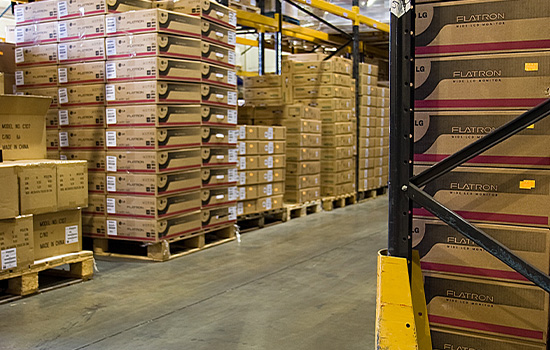



















Manual cycle counts that take days. Missing pallets in a 50,000-square-foot facility. Shipping the wrong items to priority clients. If these issues sound familiar, your current inventory management system is creating bottlenecks that scale as your business grows.
Many supply chain directors are looking at upgrading from traditional line-of-sight barcodes to Radio Frequency Identification (RFID). However, transitioning is a capital expenditure. You need more than just theoretical advantages; you need a hard look at the benefits of RFID in warehouse management, the actual return on investment (ROI), the potential implementation pitfalls, and exactly what industrial hardware is required to make it work.
Why Legacy Barcode Systems Are Costing You Money
Barcodes have been the industry standard for decades, but they have a fatal flaw in high-volume warehousing: they require a direct line of sight and manual scanning.
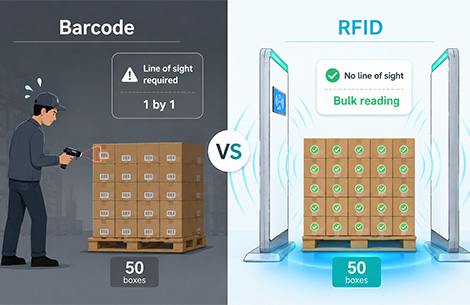
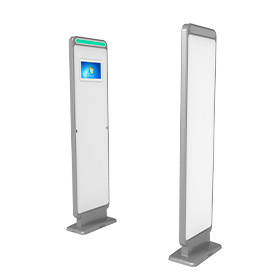
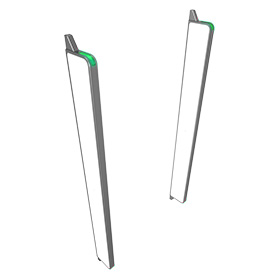
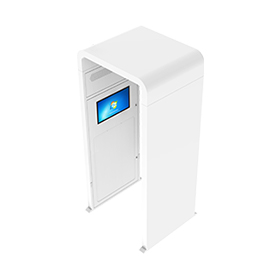
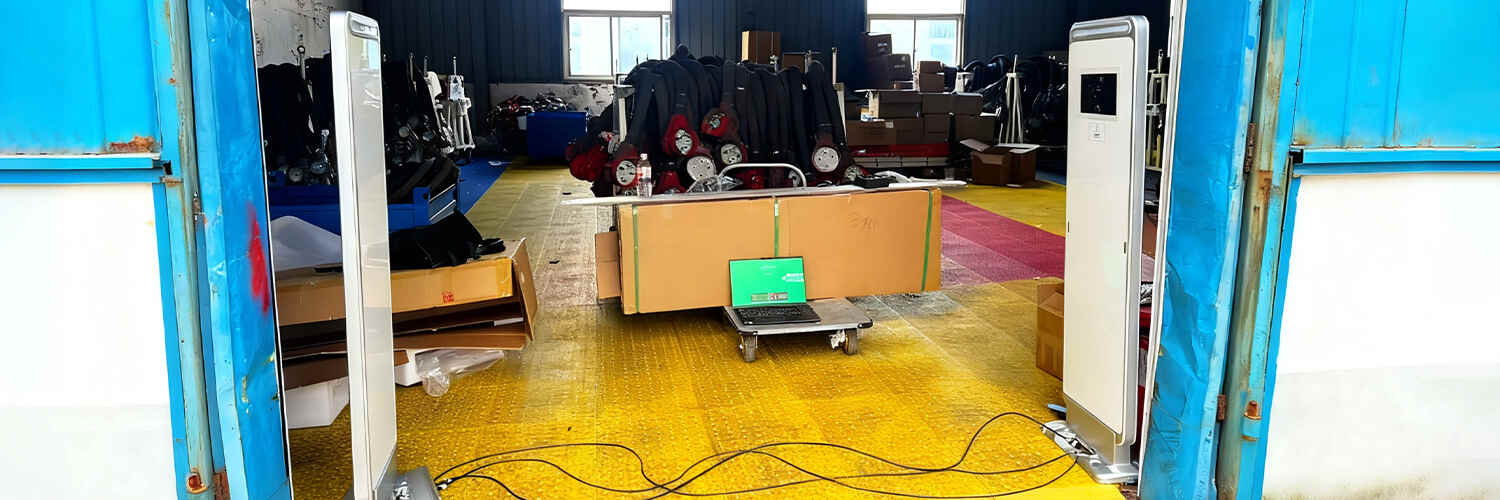
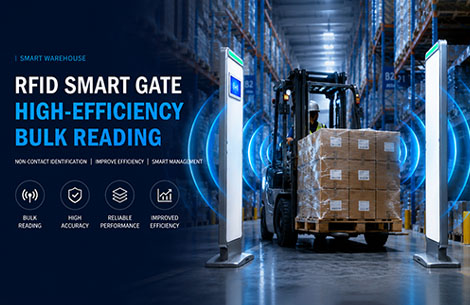
When an employee has to scan a pallet with 50 different boxes, they must physically locate and scan 50 individual barcodes. This process is heavily reliant on human accuracy and takes significant time. In contrast, an RFID warehouse tracking system uses radio waves to read multiple tags simultaneously, without a line of sight. A pallet of 50 items can be verified in seconds as a forklift drives through an RFID portal.
Core Benefits of RFID in Warehouse Management
Implementing an RFID inventory system fundamentally shifts how a warehouse operates—from reactive tracking to proactive visibility. Here are the tangible business benefits:
1. Near 100% Inventory Accuracy
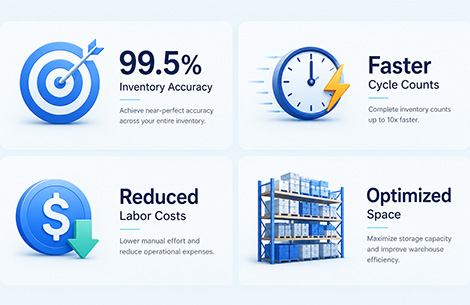
Traditional warehouses typically hover around 85% to 90% inventory accuracy. This gap leads to safety stock bloat and unfulfilled orders. Because an RFID warehouse tracking system automates the data capture process, human error is virtually eliminated. Businesses leveraging UHF RFID often see inventory accuracy jump to 99.5% or higher.
2. Dramatic Reduction in Cycle Count Times
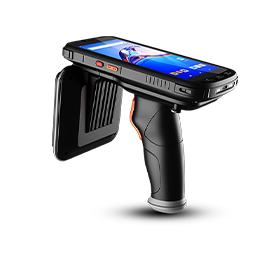
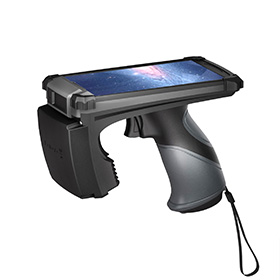
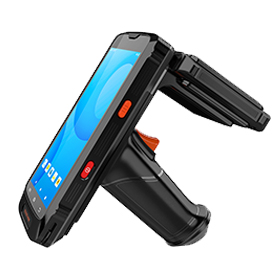
What used to take a weekend with a full staff can now be completed in a few hours. Personnel equipped with handheld UHF RFID readers can walk down an aisle and capture thousands of assets per minute. This specific benefit of an RFID system in inventory management allows for continuous cycle counting without shutting down operations.
3. Reduced Labor Costs and Better Allocation
You are no longer paying workers to scan boxes or search for misplaced pallets. Those labor hours can be reallocated to high-value tasks like order fulfillment, quality control, and exception handling.
4. Optimized Space Utilization
With precise, real-time location data, warehouse managers can optimize slotting. You know exactly what is in your facility and where it is, allowing for a leaner inventory strategy and releasing working capital by eliminating the need to hold 15% extra "safety stock."
Understanding the ROI of an RFID Warehouse Tracking System
Decision-makers need numbers. While the initial hardware setup and ongoing tag costs require capital, the ROI typically manifests within 9 to 18 months, depending on your operational volume. The financial justification primarily comes from eliminating chargebacks (fines from retail partners for mis-shipments), drastically reducing labor overtime for audits, and preventing asset loss.
The Reality Check: Where RFID Fails (And How to Fix It)
Most articles won't tell you this, but an out-of-the-box RFID system is not a magic wand. There are real-world issues you must prepare for:
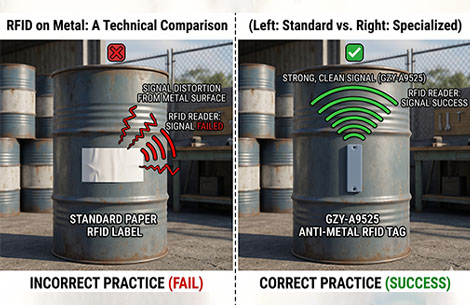
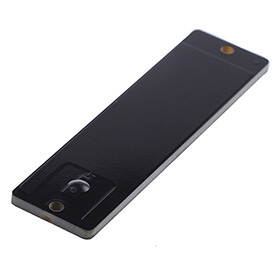
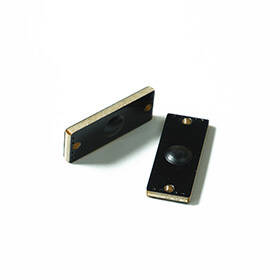
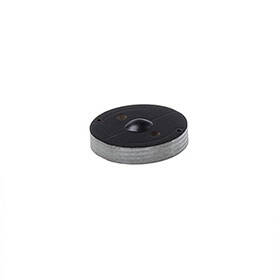
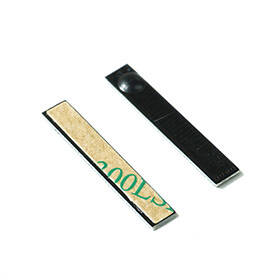
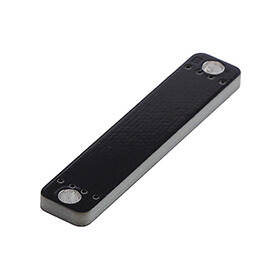
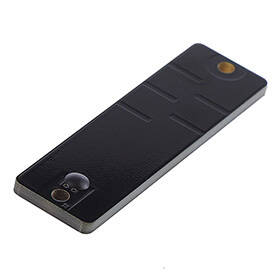
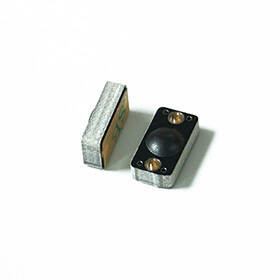
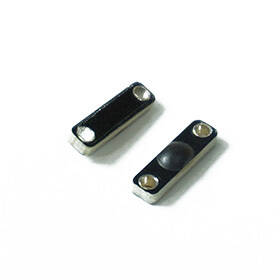
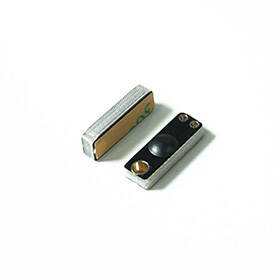
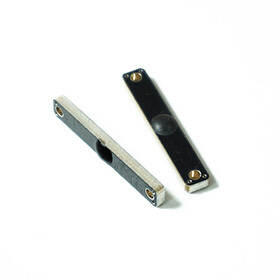
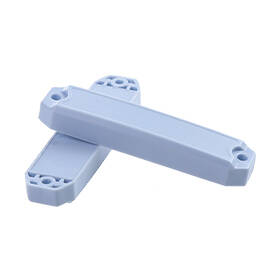
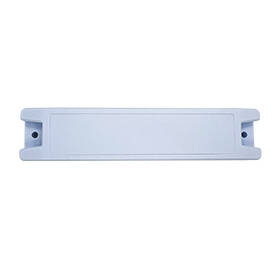
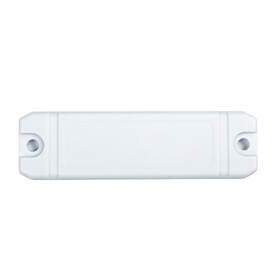
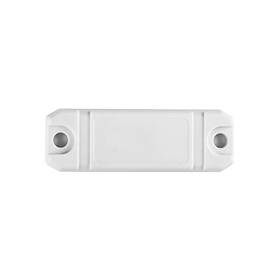
- The Metal and Liquid Problem: Standard RF signals bounce off metal and are absorbed by liquids. If your warehouse stores heavy machinery parts or liquid containers, standard paper tags will fail. The Fix: You must use specialized anti-metal tags and strategically tune your reader antennas.
- Tag Collision: In highly dense environments, too many tags responding at once can confuse the reader. The Fix: Deploying advanced UHF readers with superior anti-collision algorithms and high inventory peak speeds.
- Process Integration: The hardware is only as good as the software it feeds. If your WMS (Warehouse Management System) cannot handle the influx of real-time data, the system will crash.
Choosing the Right UHF RFID Hardware for Your Facility
The success of your deployment hinges entirely on the industrial grade of your hardware. Consumer-grade setups will not survive a harsh warehouse environment. You need UHF (Ultra-High Frequency) RFID, which offers long read ranges and rapid transfer rates. At InfowiseRFID (Shenzhen InfoWise Technology Co., Ltd.), we engineer hardware precisely for these demanding environments.
1. The Brains: Fixed Readers for Dock Doors
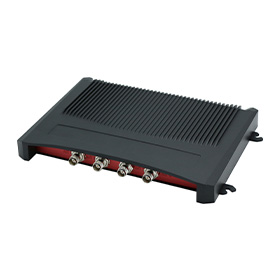
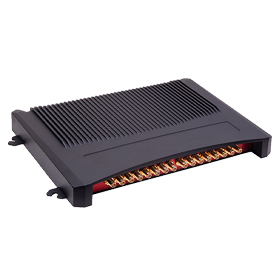
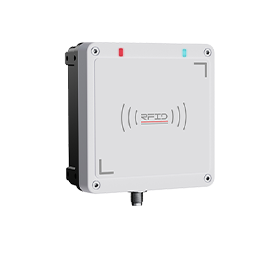
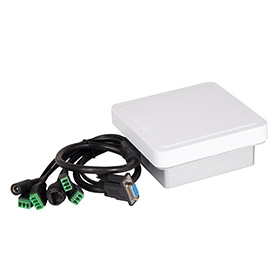
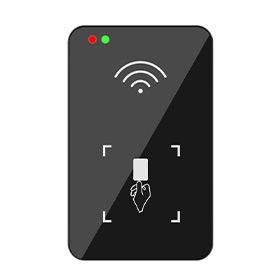
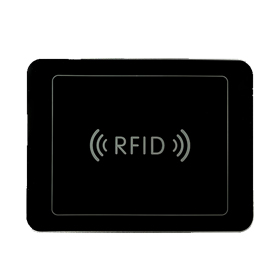
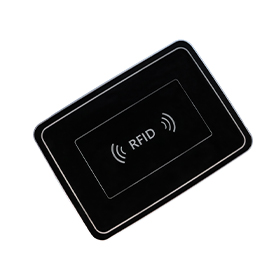
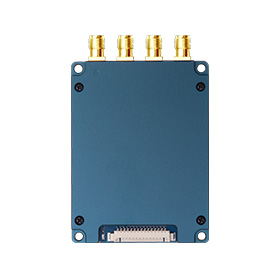
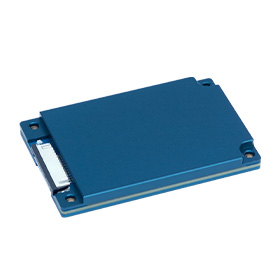
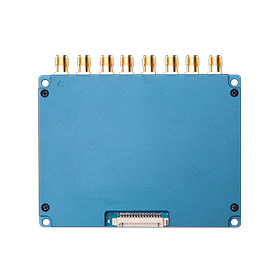
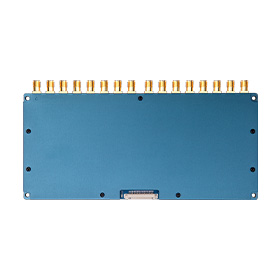
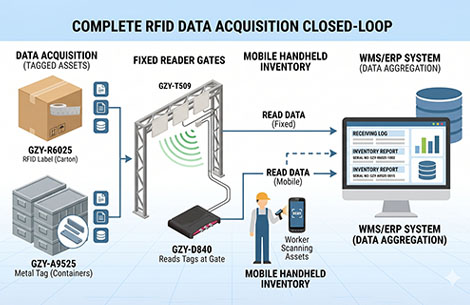
For portal tracking (shipping/receiving), you need high-performance readers. The GZY-D840 UHF RFID Fixed Reader is built for this. Powered by an IMPINJ E710 / R2000 chip, it boasts an inventory tag peak speed of over 700 pcs/second and an adjustable RF output of up to 30dBm. Encased in aluminum alloy with air cooling, it operates flawlessly in temperatures from -20℃ to +55℃.
2. The Receptors: High-Gain Antennas
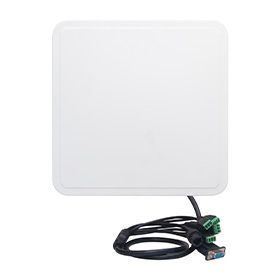
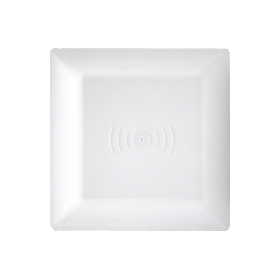
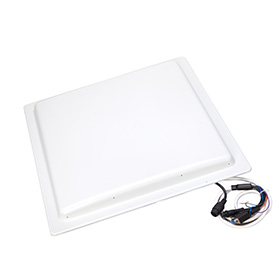
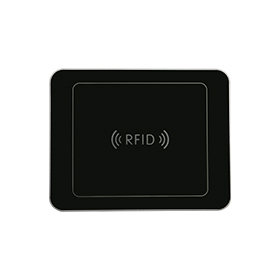
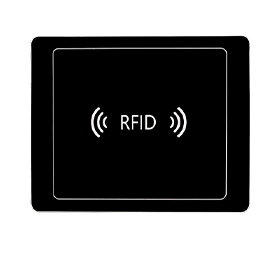
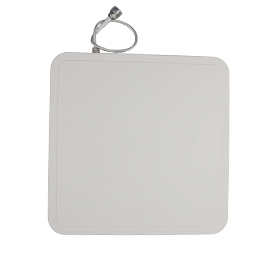
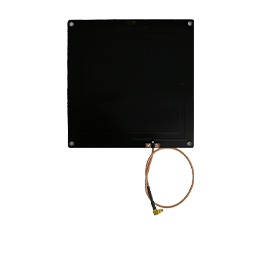
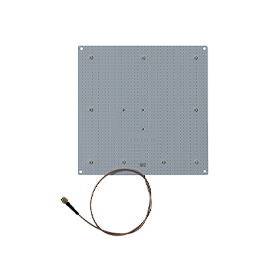
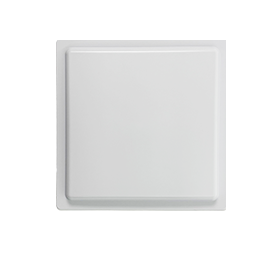
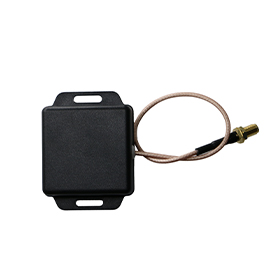
A reader is useless without the right antenna. For wide warehouse doors, the GZY-T509 UHF RFID Antenna provides a 9dBi gain with circular polarization, minimizing polarization mismatch attenuation. With an IP67 rating and a stable operating range from -40ºC to +70ºC, it handles both indoor dusty environments and outdoor laydown yards.
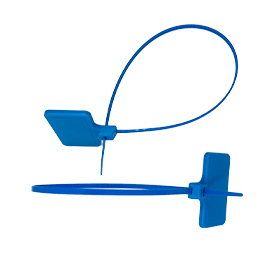
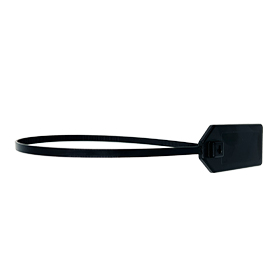
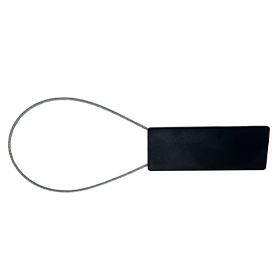
3. The Consumables: Ruggedized Tags
Matching the tag to the surface is critical:
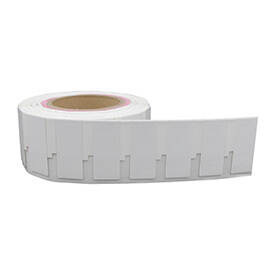
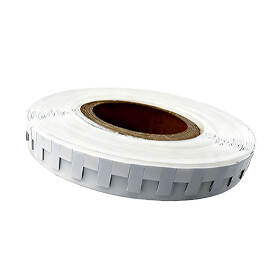
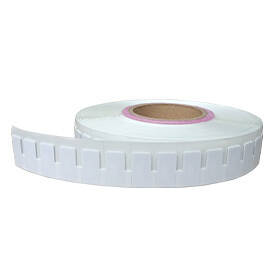
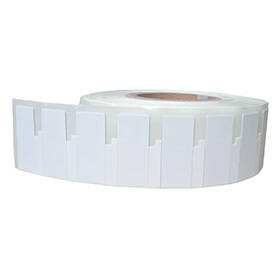
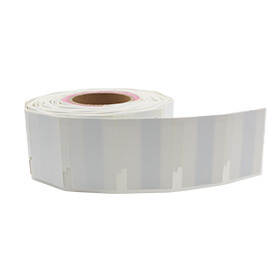
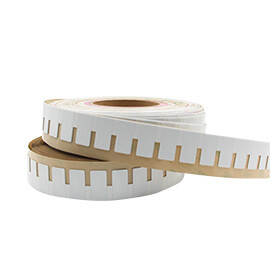
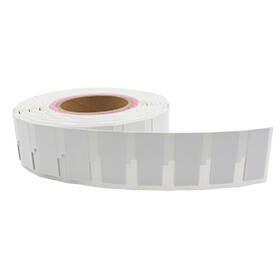
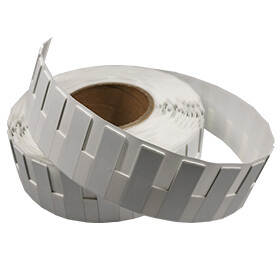
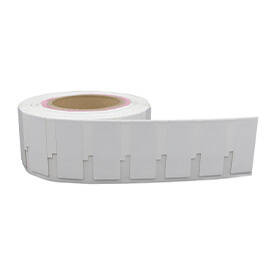
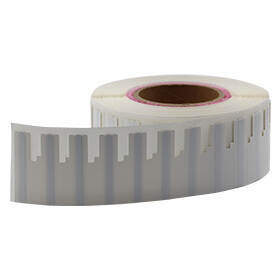
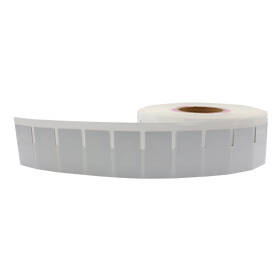
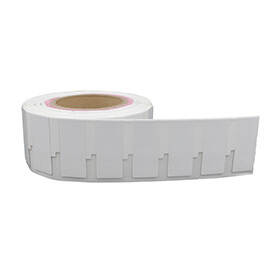
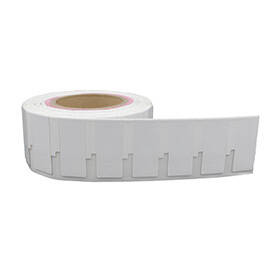
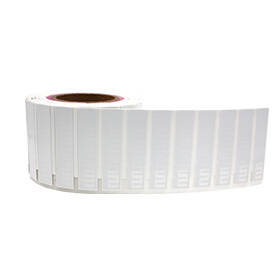
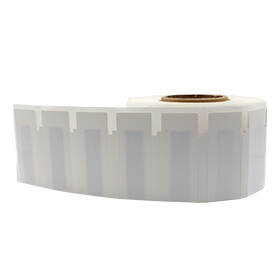
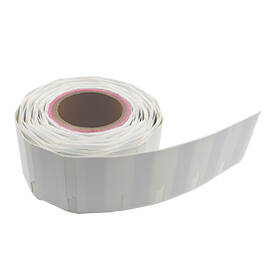
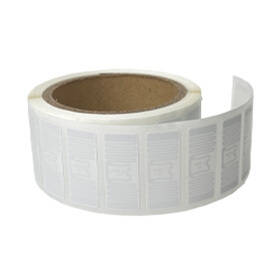
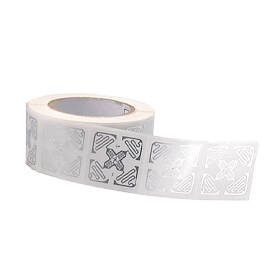
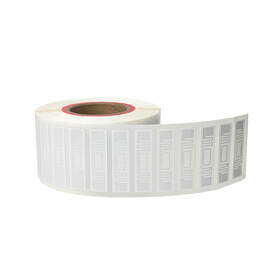
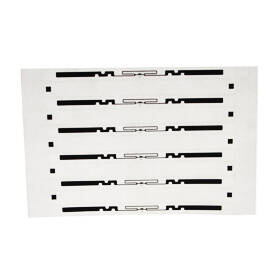
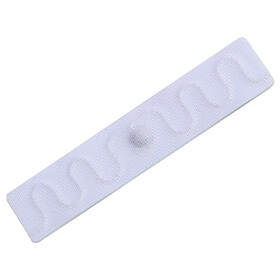
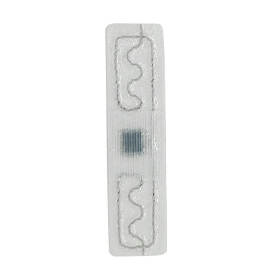
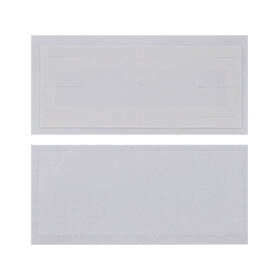
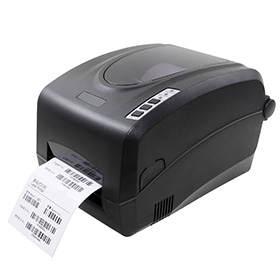
- For IT Assets and Plastic Bins: The GZY-R6025 Printable Label is a flexible PET/Aluminum Foil tag that can be printed on standard RFID printers (Zebra, Postek). It offers a 1-7m read distance even on tricky surfaces and carries an IP68 rating.
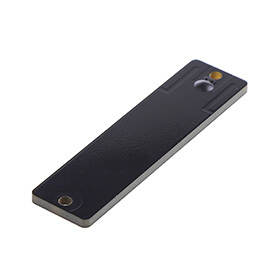
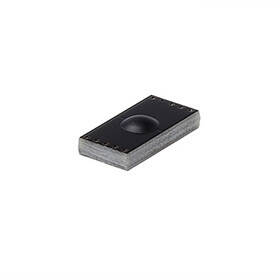
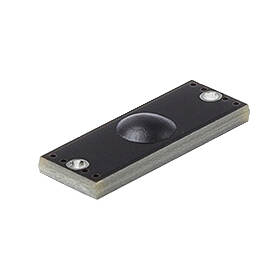
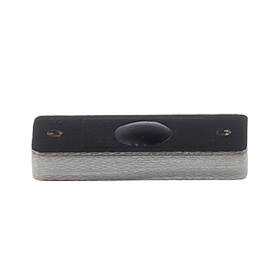
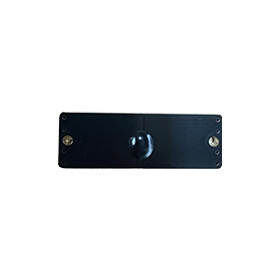
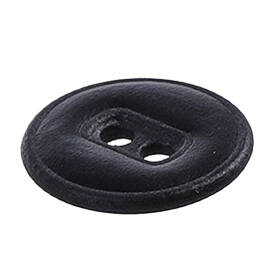
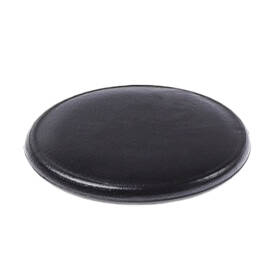
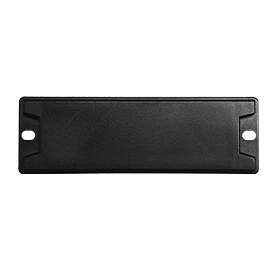
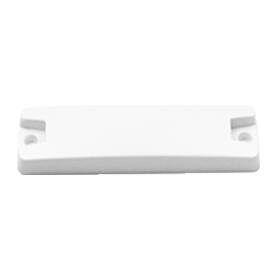
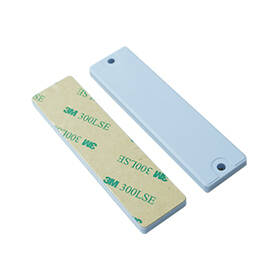
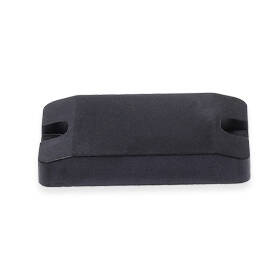
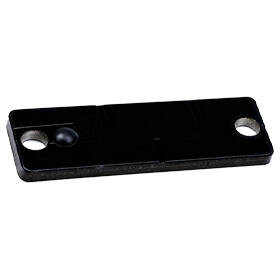
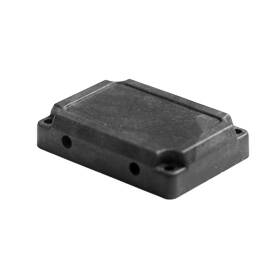
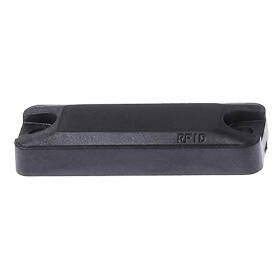
- For Metal Pallets and Machinery: The GZY-A9525 Anti-Metal Tag is encased in robust ABS+PC. It can be installed via adhesive, screws, or binding, providing a massive 1-12m read distance specifically on metal surfaces.
Frequently Asked Questions (FAQ)
Q: How much does an SME warehouse RFID pilot program cost?
As a specialized UHF RFID hardware manufacturer, InfowiseRFID recommends breaking the pilot cost into two distinct categories so you can budget accurately:
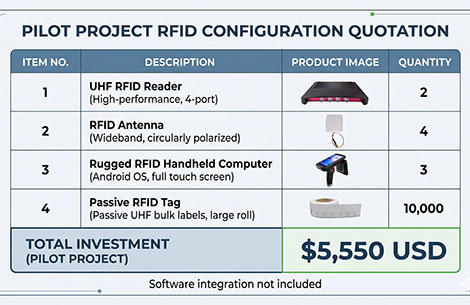
1. The Hardware Investment (What InfowiseRFID provides):
For a typical SME warehouse pilot (covering 1 inbound/outbound portal and a core inventory area), the core hardware infrastructure usually costs around $5,550 USD. This gives you a robust physical data-capture foundation:
- 2x UHF Fixed Readers (e.g., GZY-D840): @ $500/ea = $1,000
- 4x High-Gain RFID Antennas (e.g., GZY-T509): @ $150/ea = $600
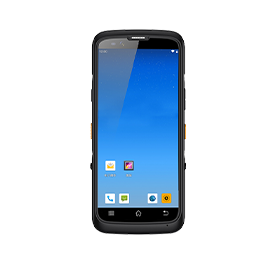
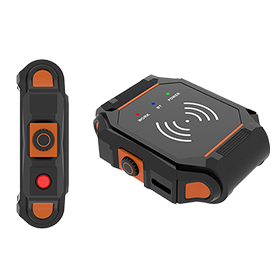
- 3x Industrial UHF Handheld Readers: @ $650/ea = $1,950
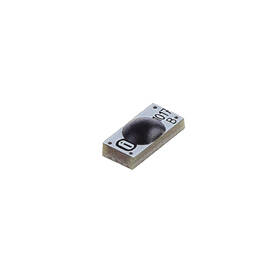
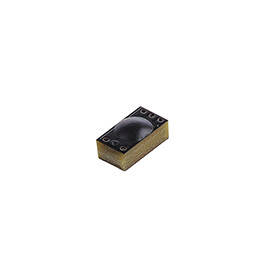
- 10,000x Mixed Tags (Standard/Anti-metal): @ ~$0.20/ea = $2,000
2. The Integration Ecosystem (What you need to prepare):
To make the hardware "talk" to your existing systems, you must allocate a separate budget for:
- Middleware/Software Licensing: Connecting the reader data to your WMS/ERP.
- System Integration & Deployment: Professional services to map the workflows and provide remote or on-site technical support.
Expert Tip: By sourcing your industrial hardware directly from a manufacturer like us and bringing in a software integrator separately, you avoid massive markups and get better equipment at a lower total cost of ownership.
Q: Can RFID completely replace barcodes?
In most internal operations, yes. However, many warehouses maintain a hybrid system because inbound freight from un-networked suppliers may still rely on barcodes.
Q: Is UHF RFID better than Active RFID for warehouses?
For standard inventory tracking, passive UHF RFID is the standard due to the low cost per tag and zero battery maintenance. Active RFID is generally reserved for tracking large, high-value assets across massive outdoor laydown yards.
 Prev
Prev